Warranty Deed Vs Grant Deed In San Antonio
Description
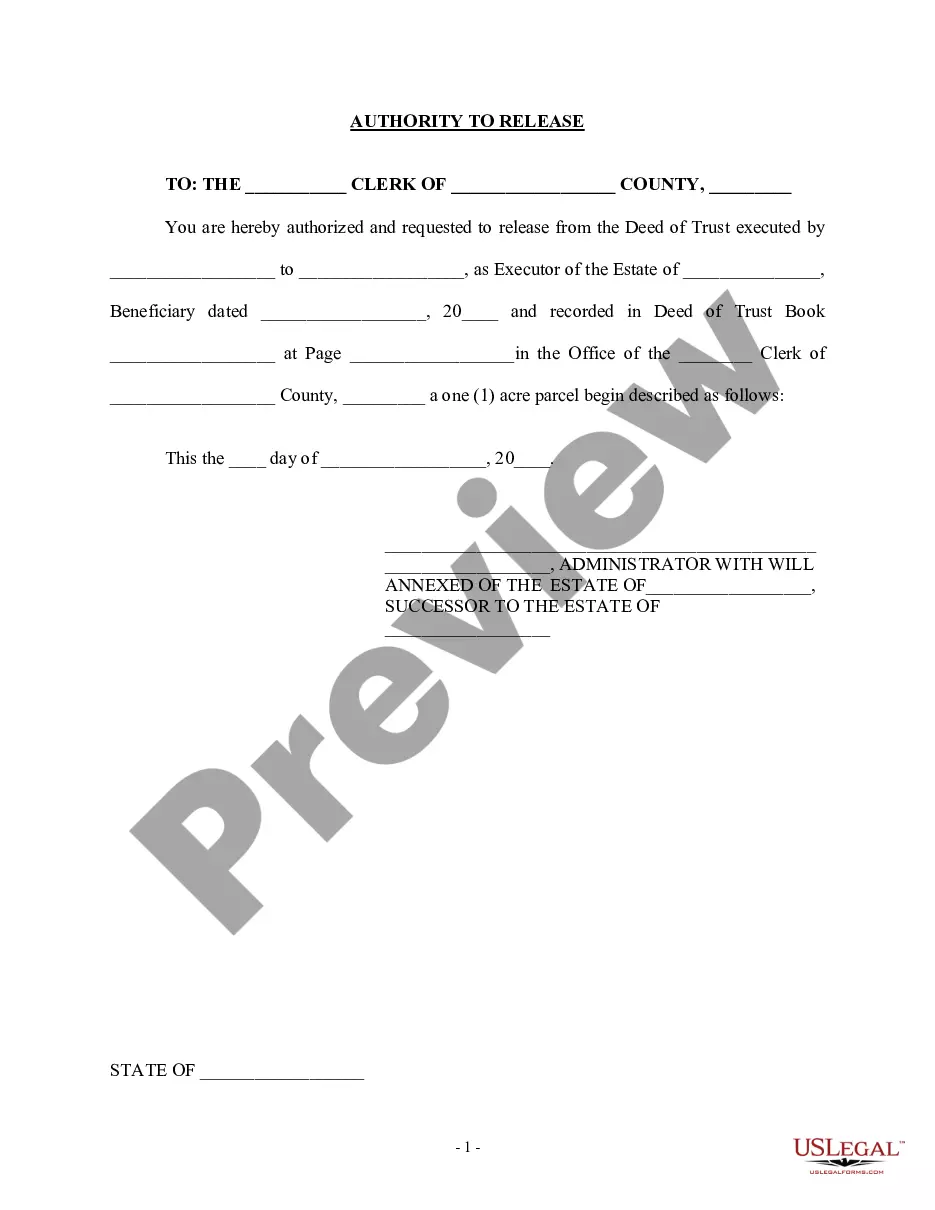
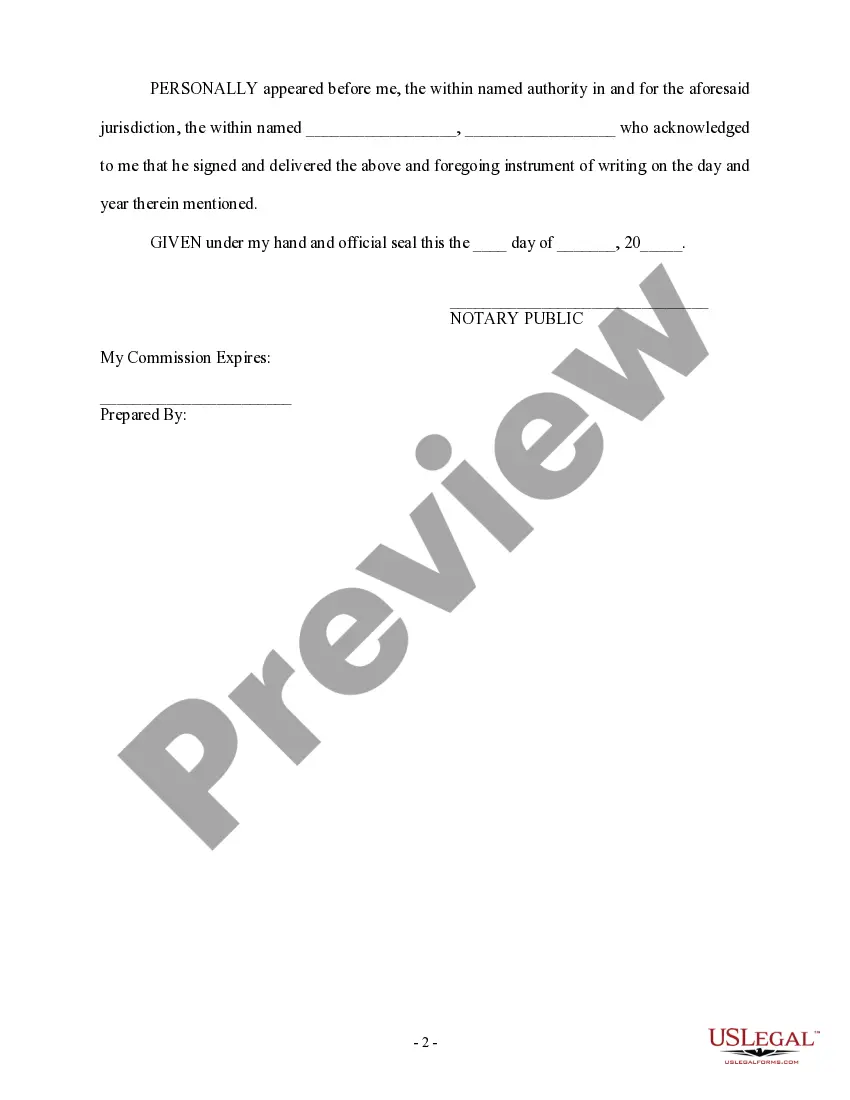
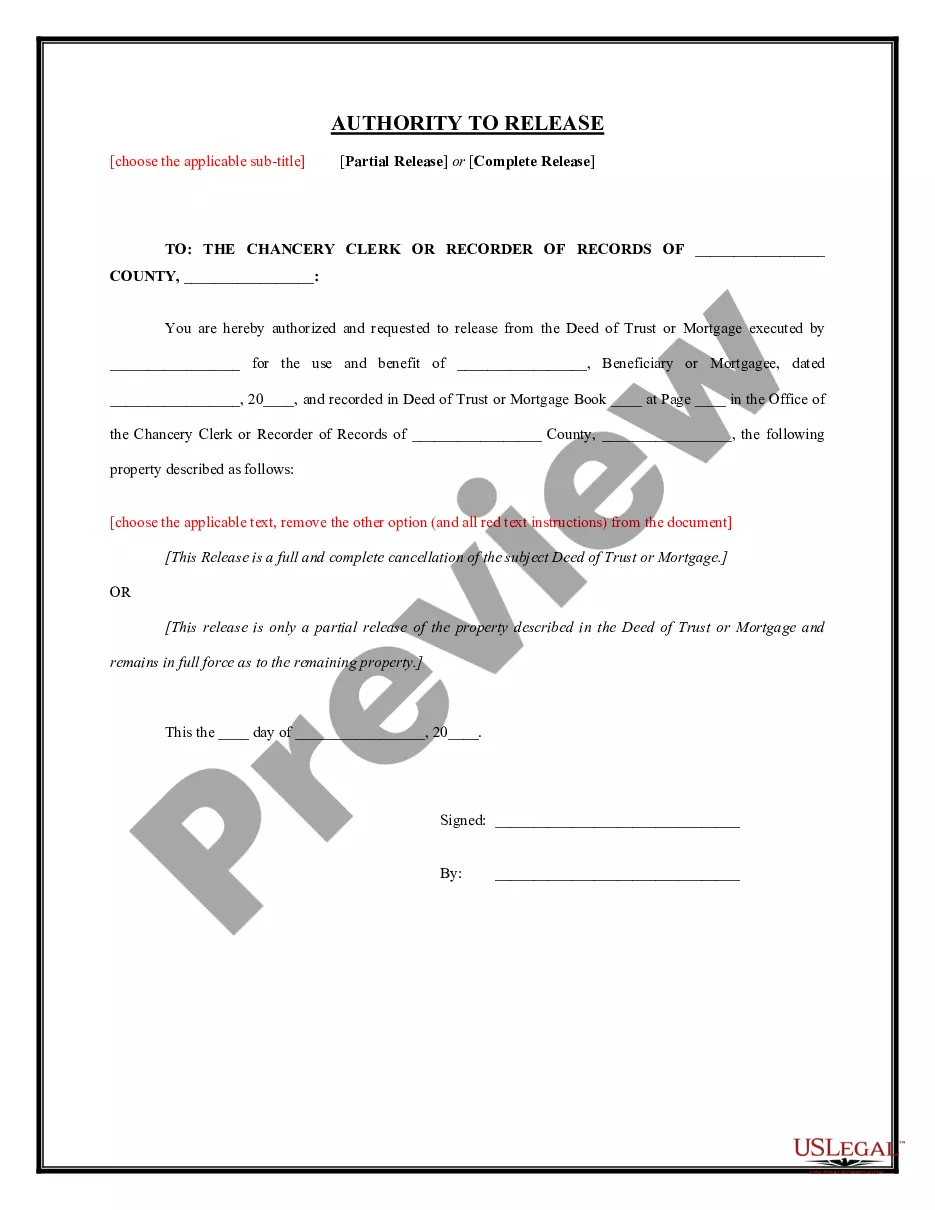
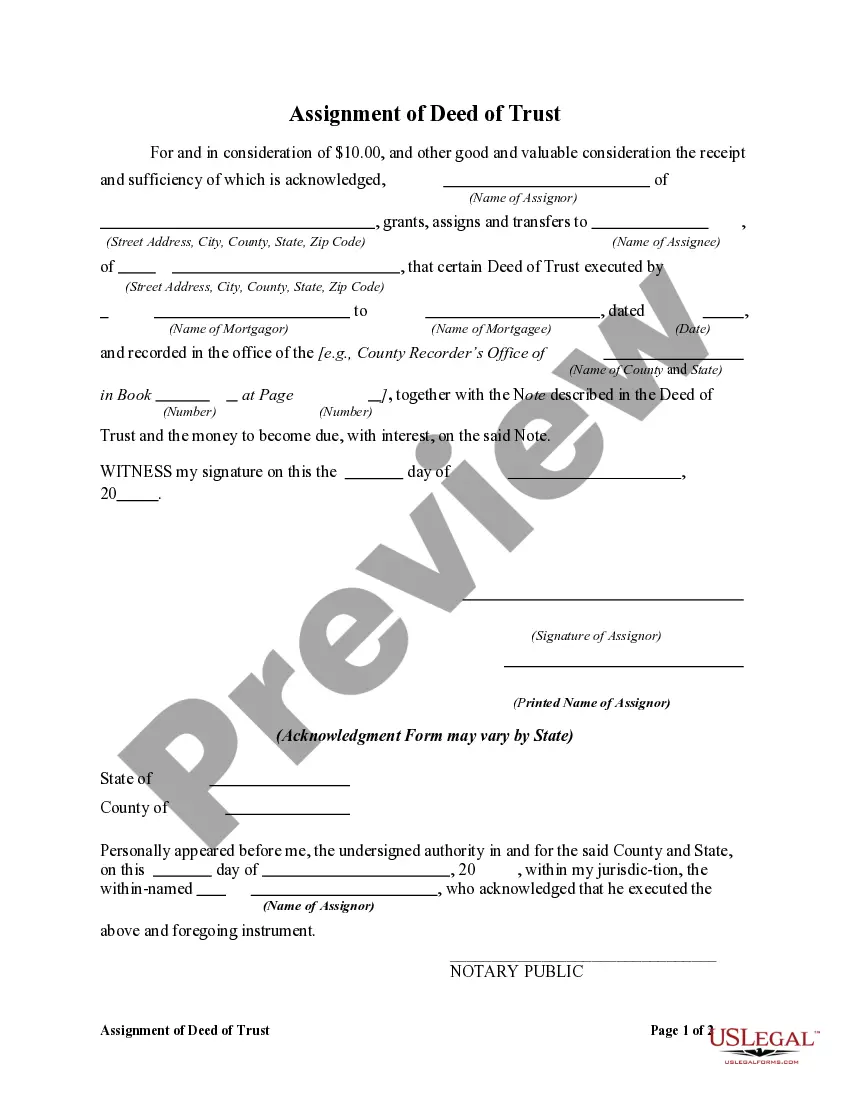

Get your form ready online
Our built-in tools help you complete, sign, share, and store your documents in one place.
Make edits, fill in missing information, and update formatting in US Legal Forms—just like you would in MS Word.
Download a copy, print it, send it by email, or mail it via USPS—whatever works best for your next step.
Sign and collect signatures with our SignNow integration. Send to multiple recipients, set reminders, and more. Go Premium to unlock E-Sign.
If this form requires notarization, complete it online through a secure video call—no need to meet a notary in person or wait for an appointment.
We protect your documents and personal data by following strict security and privacy standards.

Make edits, fill in missing information, and update formatting in US Legal Forms—just like you would in MS Word.

Download a copy, print it, send it by email, or mail it via USPS—whatever works best for your next step.

Sign and collect signatures with our SignNow integration. Send to multiple recipients, set reminders, and more. Go Premium to unlock E-Sign.

If this form requires notarization, complete it online through a secure video call—no need to meet a notary in person or wait for an appointment.

We protect your documents and personal data by following strict security and privacy standards.
Looking for another form?









Form popularity
FAQ
General warranty deeds: A general warranty deed provides the most protection to the buyer but gives the grantor the highest degree of liability. The grantor of a general warranty deed fully warrants good, clear title to the property.
When committing to a general warranty deed, the seller is promising there are no liens against the property, and if there were, the seller would compensate the buyer for those claims. Mainly for this reason, general warranty deeds are the most commonly used type of deed in real estate sales.
A general warranty deed is used to transfer real property from one person to another. This type of deed offers the greatest protection for the buyer and has specific requirements for what must be included in the document.
A general warranty deed is the most common type of warranty deed in the United States. It offers the highest level of protection to the buyer because it guarantees that there are absolutely no problems with the home – even dating back to prior property owners.
General warranty deeds give the grantee the most legal protection, while special warranty deeds give the grantee more limited protection. A quitclaim deed gives the grantee the least protection under the law.
The term “Grant Deed” is not generally used in Texas as it is in other states. A Texas Warranty Deed is a Grant Deed. A Grant Deed is a deed that transfers or “grants” an interest in real property. All of the requirements for a Grant Deed are the same as a Warranty Deed.
In Texas, you record your deed with the County Clerk in the county where the property exists. If the property is in more than one county, record it in each. It is important to record your deed.
It's important to note that a warranty deed does not actually prove the grantor has ownership (a title search is the best way to prove that), but it is a promise by the grantor that they are transferring ownership and if it turns out they don't actually own the property, the grantor will be responsible for compensating ...
Cons of Manufacturer Warranties Limited Coverage Scope: Manufacturer warranties often have limitations on the specific components or issues they cover. Certain parts or conditions may be excluded from the warranty coverage, requiring you to review the warranty terms and conditions carefully.
