Warranty Deed Vs Deed In Riverside
Description

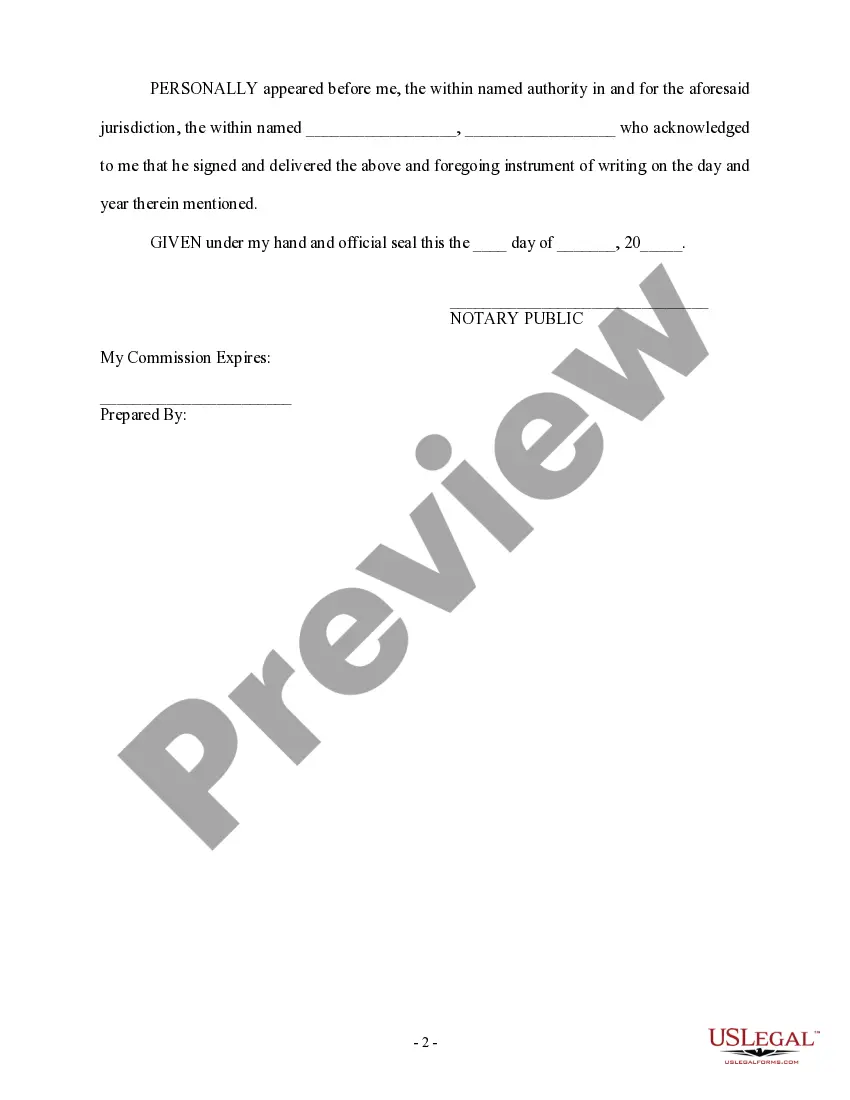
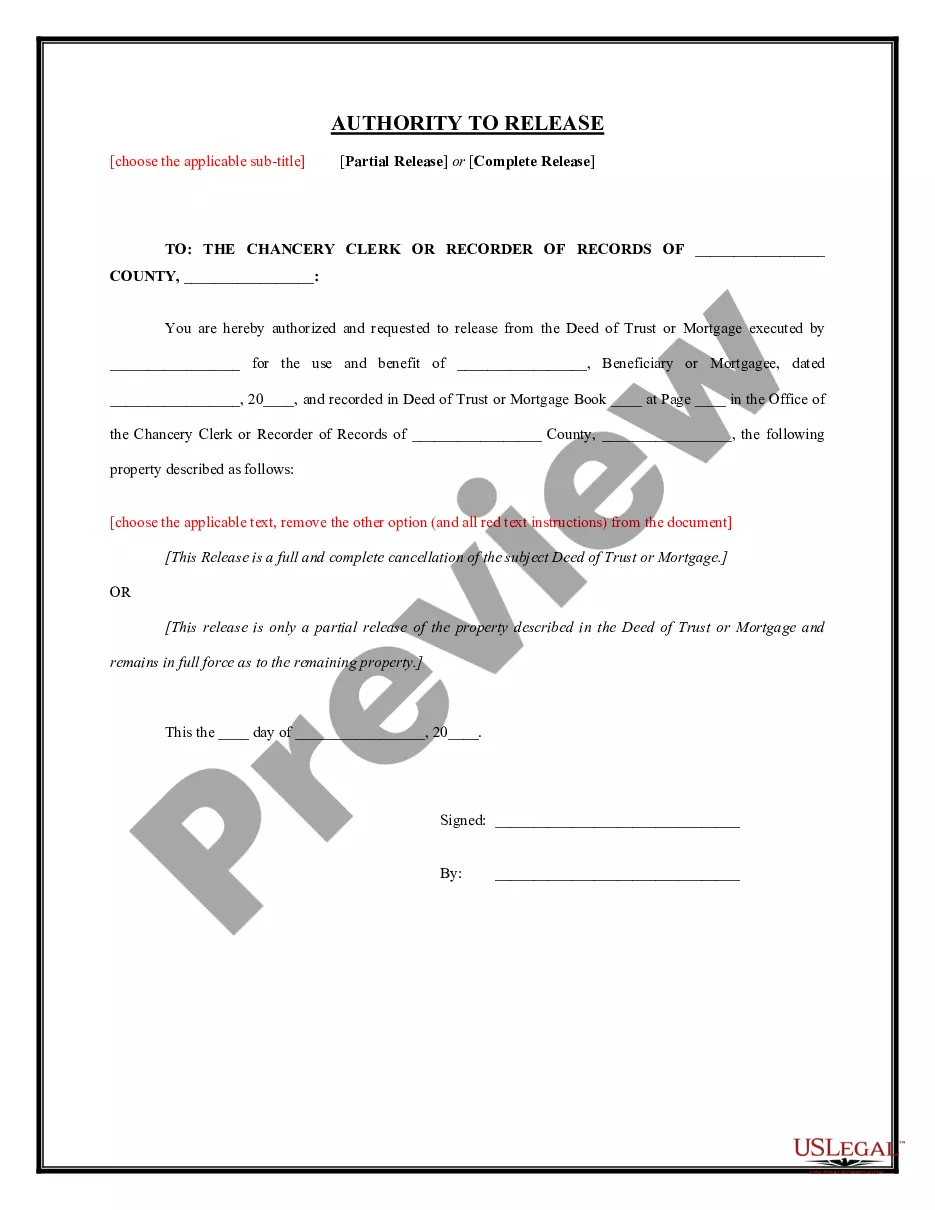
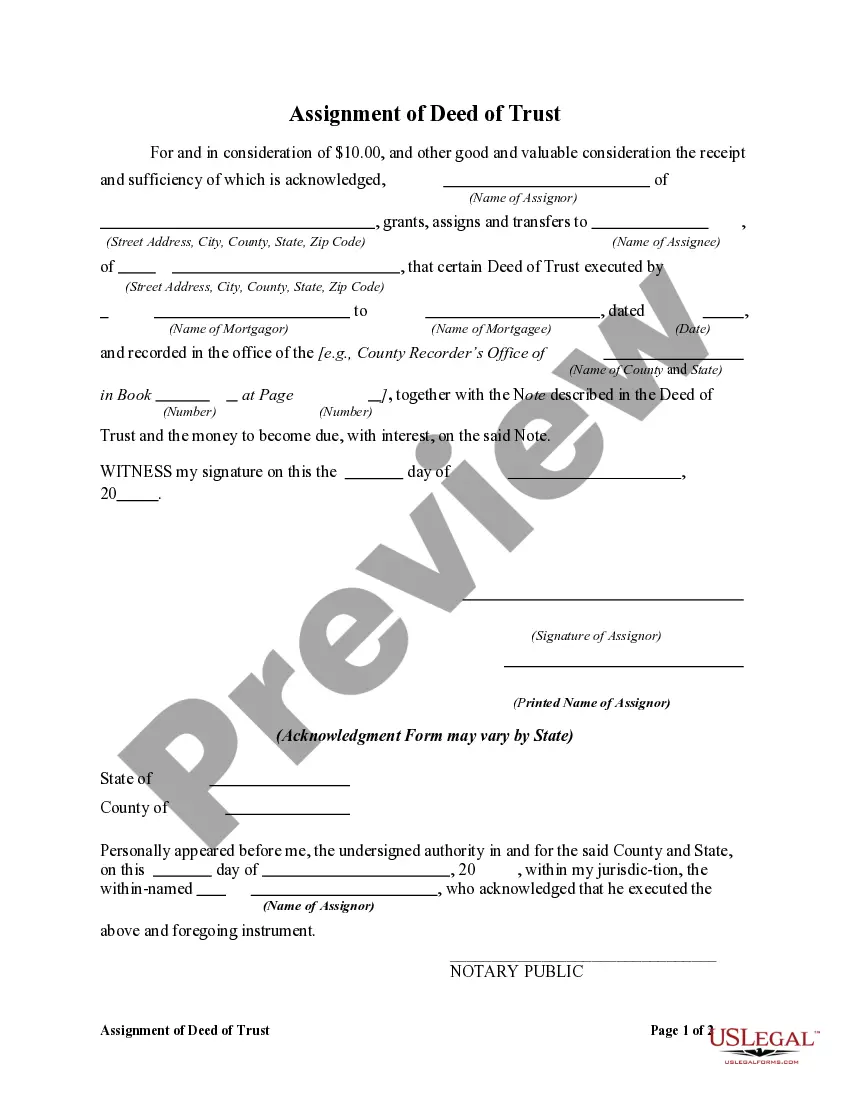
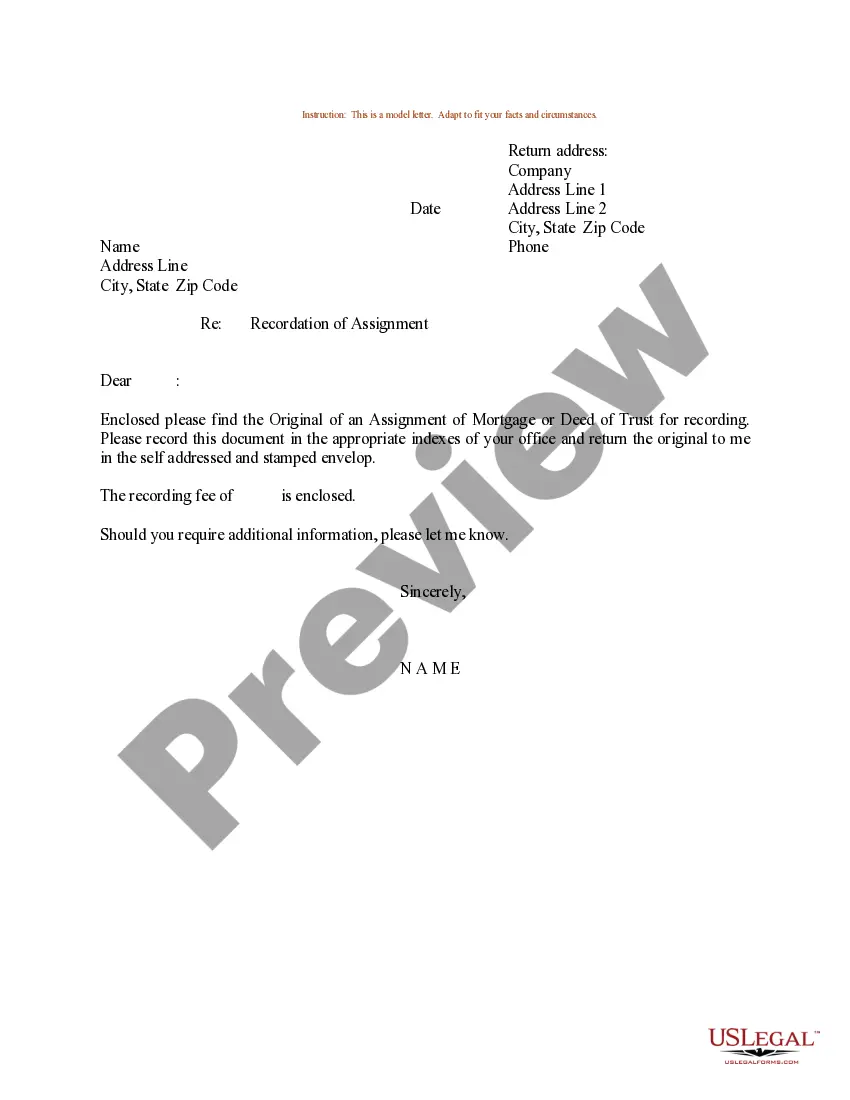

Get your form ready online
Our built-in tools help you complete, sign, share, and store your documents in one place.
Make edits, fill in missing information, and update formatting in US Legal Forms—just like you would in MS Word.
Download a copy, print it, send it by email, or mail it via USPS—whatever works best for your next step.
Sign and collect signatures with our SignNow integration. Send to multiple recipients, set reminders, and more. Go Premium to unlock E-Sign.
If this form requires notarization, complete it online through a secure video call—no need to meet a notary in person or wait for an appointment.
We protect your documents and personal data by following strict security and privacy standards.

Make edits, fill in missing information, and update formatting in US Legal Forms—just like you would in MS Word.

Download a copy, print it, send it by email, or mail it via USPS—whatever works best for your next step.

Sign and collect signatures with our SignNow integration. Send to multiple recipients, set reminders, and more. Go Premium to unlock E-Sign.

If this form requires notarization, complete it online through a secure video call—no need to meet a notary in person or wait for an appointment.

We protect your documents and personal data by following strict security and privacy standards.
Looking for another form?


Form popularity
FAQ
Cons of Manufacturer Warranties Limited Coverage Scope: Manufacturer warranties often have limitations on the specific components or issues they cover. Certain parts or conditions may be excluded from the warranty coverage, requiring you to review the warranty terms and conditions carefully.
Potential Risks for Buyers Special warranty deeds provide limited protection, exposing buyers to potential risks. Buyers may inherit claims or issues that occurred prior to the seller's ownership.
In California, this is typically handled by title insurance, so warranty deeds are unneeded and potentially confusing. A trust deed or deed of trust is never used to transfer ownership (not even to a trust).
Today, Californians most often transfer title to real property by a simple written instrument, the grant deed. The word “grant” is expressly designated by statute as a word of conveyance. (Civil Code Section 1092) A second form of deed is the quitclaim deed.
A traditional deed simply transfers the ownership of a property from one party to another (in other words, the seller to the buyer.) Whoever legally holds the deed is the rightful owner of the property. A warranty deed, on the other hand, contains special assurances that the seller makes to the buyer.
Special Warranty Deed in California Properties bought through foreclosure and bank repossession sales often use this deed.
A general warranty deed must include the following to be valid: The name and address of the seller (called the grantor) The name and address of the buyer (called the grantee) A legal description of the property (found on the previous deed) A statement that the grantor is transferring the property to the grantee.
Please allow 6-8 weeks to receive your original recorded document back in the mail. Documents are not processed on weekends or on official Riverside County holidays. The County of Riverside is not responsible for the delivery of mail by the United States Post Office or any other delivery service.
A traditional deed simply transfers the ownership of a property from one party to another (in other words, the seller to the buyer.) Whoever legally holds the deed is the rightful owner of the property. A warranty deed, on the other hand, contains special assurances that the seller makes to the buyer.
Recorder Offices County Administrative Center. 4080 Lemon St, 1st floor / PO Box 751, Riverside, California 92501 / 92502-0751. Gateway Office. 2724 Gateway Dr, Riverside, California 92507. Hemet Office. Palm Desert Office. Temecula Office. Blythe Office.
