Warranty Deed Vs Quit Claim Deed For House In Orange
Description

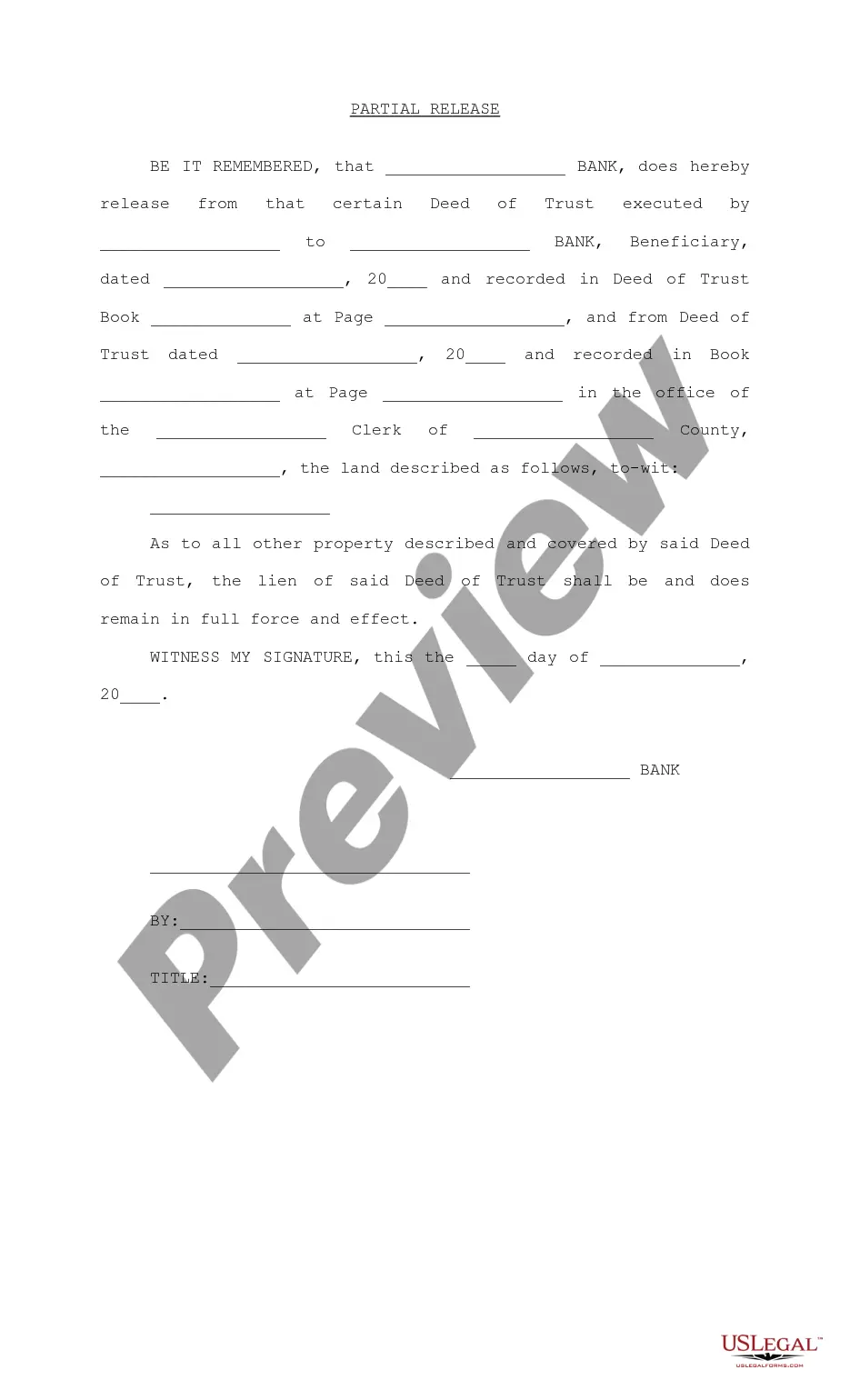
Get your form ready online
Our built-in tools help you complete, sign, share, and store your documents in one place.
Make edits, fill in missing information, and update formatting in US Legal Forms—just like you would in MS Word.
Download a copy, print it, send it by email, or mail it via USPS—whatever works best for your next step.
Sign and collect signatures with our SignNow integration. Send to multiple recipients, set reminders, and more. Go Premium to unlock E-Sign.
If this form requires notarization, complete it online through a secure video call—no need to meet a notary in person or wait for an appointment.
We protect your documents and personal data by following strict security and privacy standards.

Make edits, fill in missing information, and update formatting in US Legal Forms—just like you would in MS Word.

Download a copy, print it, send it by email, or mail it via USPS—whatever works best for your next step.

Sign and collect signatures with our SignNow integration. Send to multiple recipients, set reminders, and more. Go Premium to unlock E-Sign.

If this form requires notarization, complete it online through a secure video call—no need to meet a notary in person or wait for an appointment.

We protect your documents and personal data by following strict security and privacy standards.
Looking for another form?



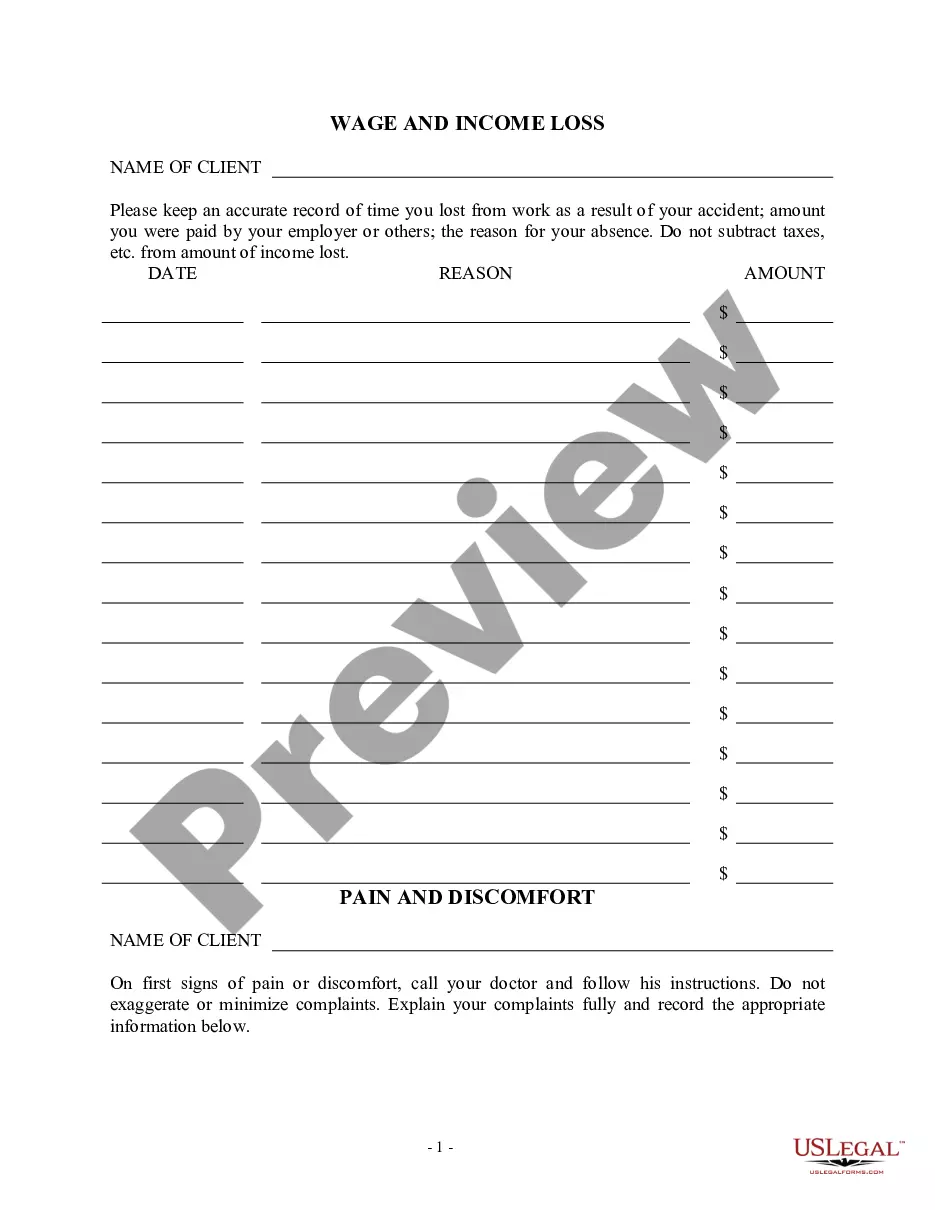


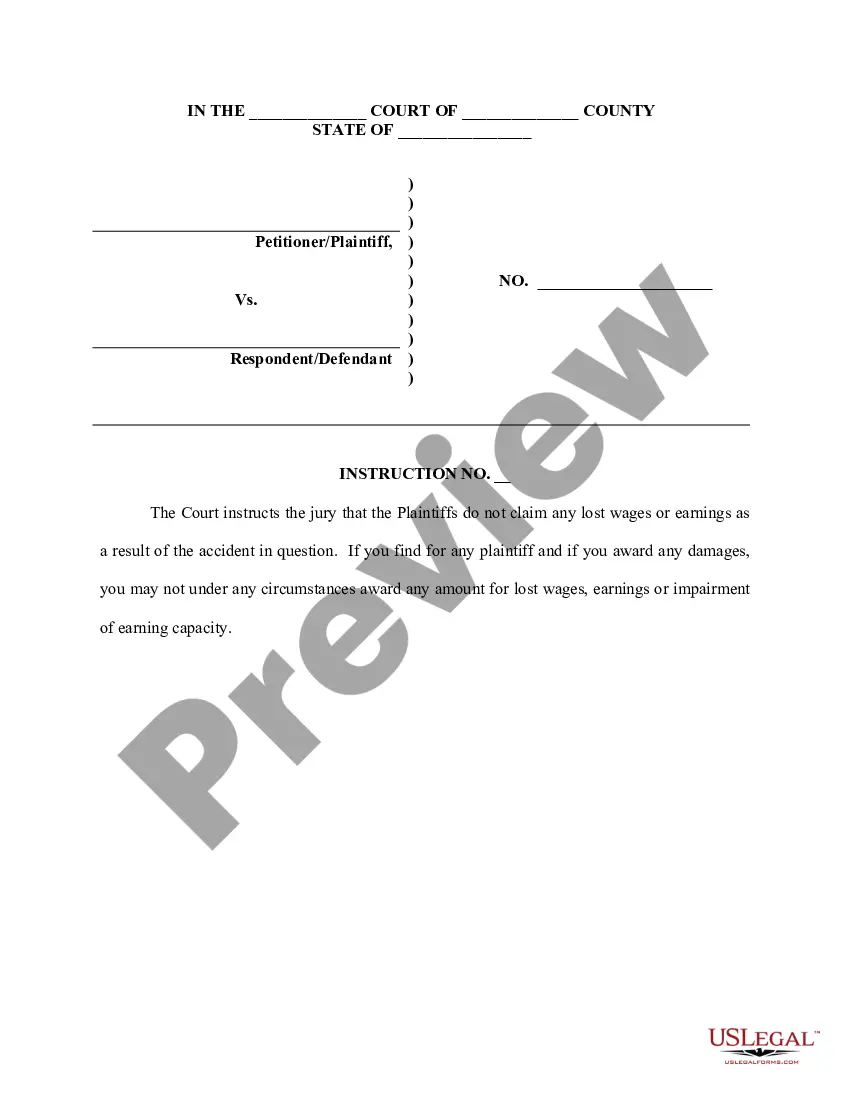
Form popularity
FAQ
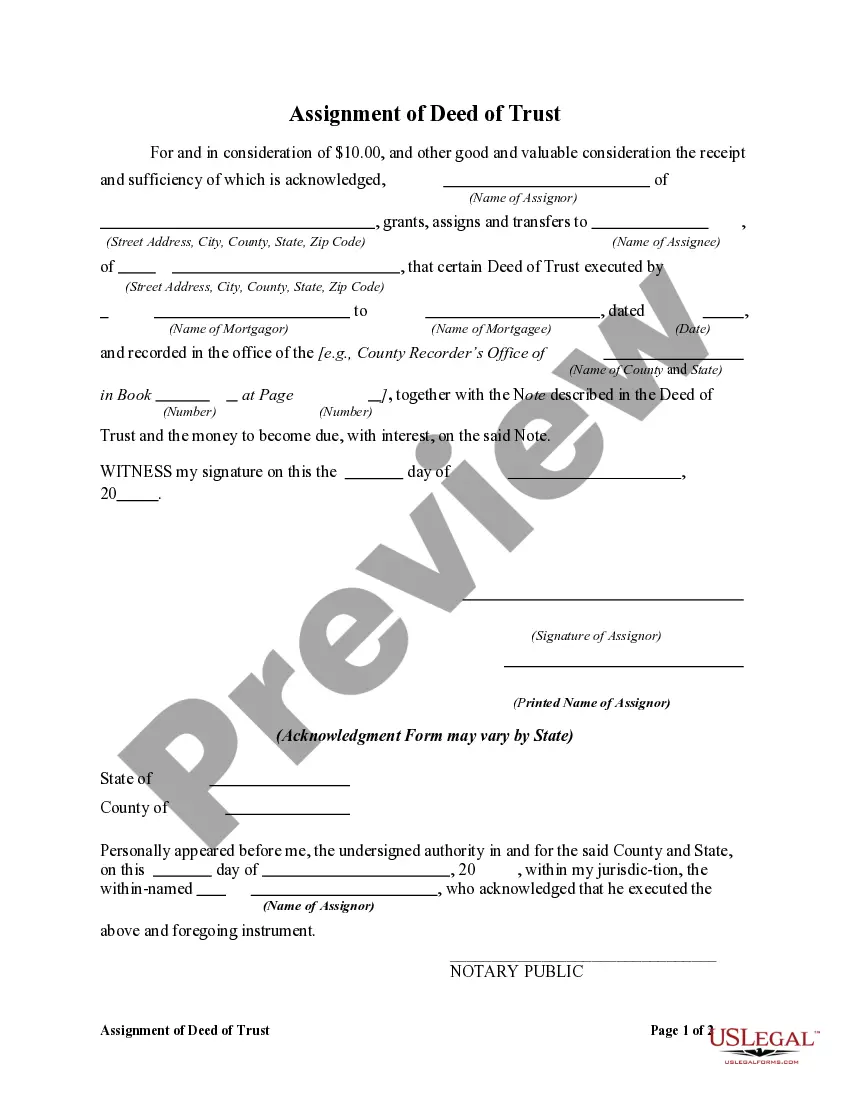
To change the name on a deed, you must record a new deed with Official Records to replace the deed currently on file. You can obtain a blank deed form from an office supply store. The staff in the Recording Department cannot assist you with filling out the form, as it is a legal document.
Warranty Deeds A warranty deed offers the same promises as a grant deed, and then some. The owner of a property is guaranteeing that they have the full right to sell and transfer the property, and that the property is clear of any present or future claims, such as liens and taxes.
General warranty deeds give the grantee the most legal protection, while special warranty deeds give the grantee more limited protection. A quitclaim deed gives the grantee the least protection under the law.
In Florida, a warranty deed (also called a general warranty deed) provides the grantee with broad warranties and covenants of title and is the customary form of deed used in residential real property transactions. This Standard Document has integrated drafting notes with important explanations and drafting tips.
The safest type of deed is a warranty deed, which gives complete assurance that the grantor has every legal right to grant ownership to the grantee. On the other hand, a quitclaim deed transfers ownership without any legal guarantee or warrants that there are no encumbrances or liens on the property.
A warranty deed offers the strongest protection. It protects the party receiving the property title in case there turns out to be any issues with the title.
The easiest and cheapest way would be for owner to transfer by using a ``quitclaim'' deed where they are the grantor and the children are the grantees. A real estate attorney or title company can prepare the deed for around $100.
Moreover, a quitclaim deed does not convey any after-acquired title.
Quitclaim deeds, therefore, are commonly used to transfer property within a family, such as from a parent to an adult child, between siblings, or when a property owner gets married and wants to add their spouse to the title. Married couples who own a home together and later divorce also use quitclaim deeds.
