Warranty Deed Vs Deed In Michigan
Description

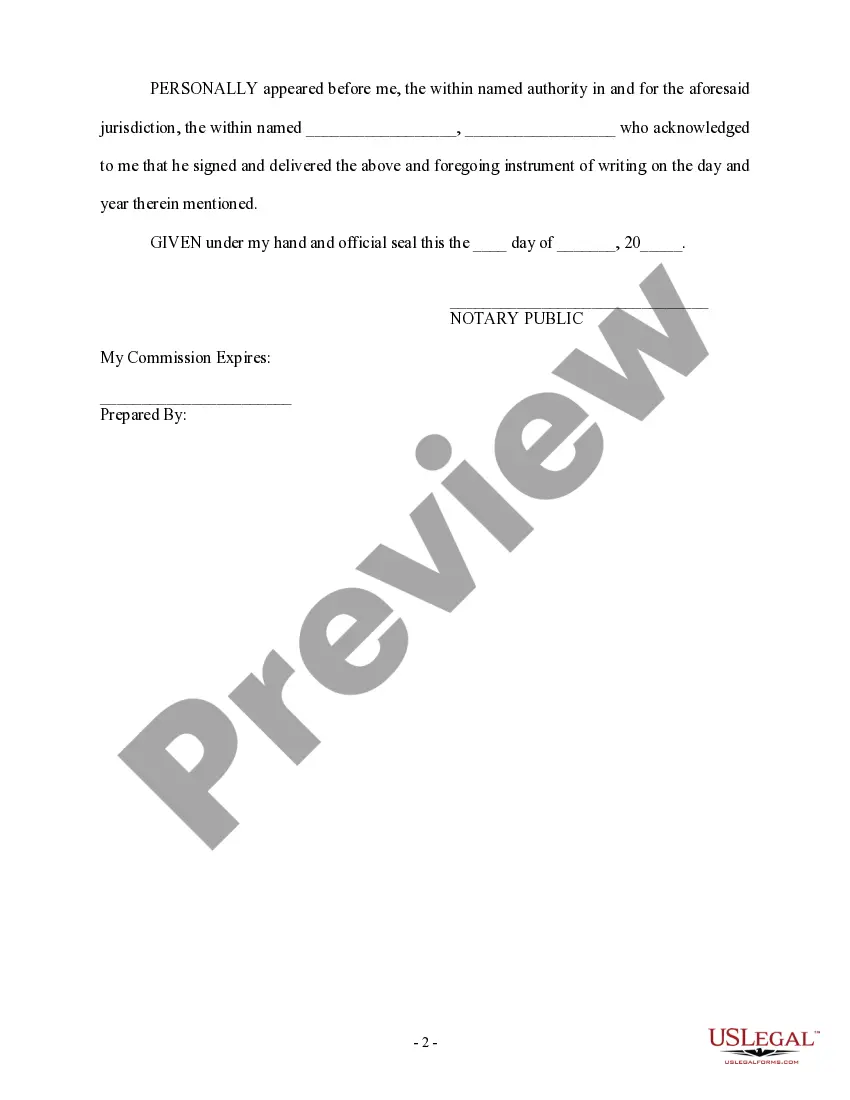
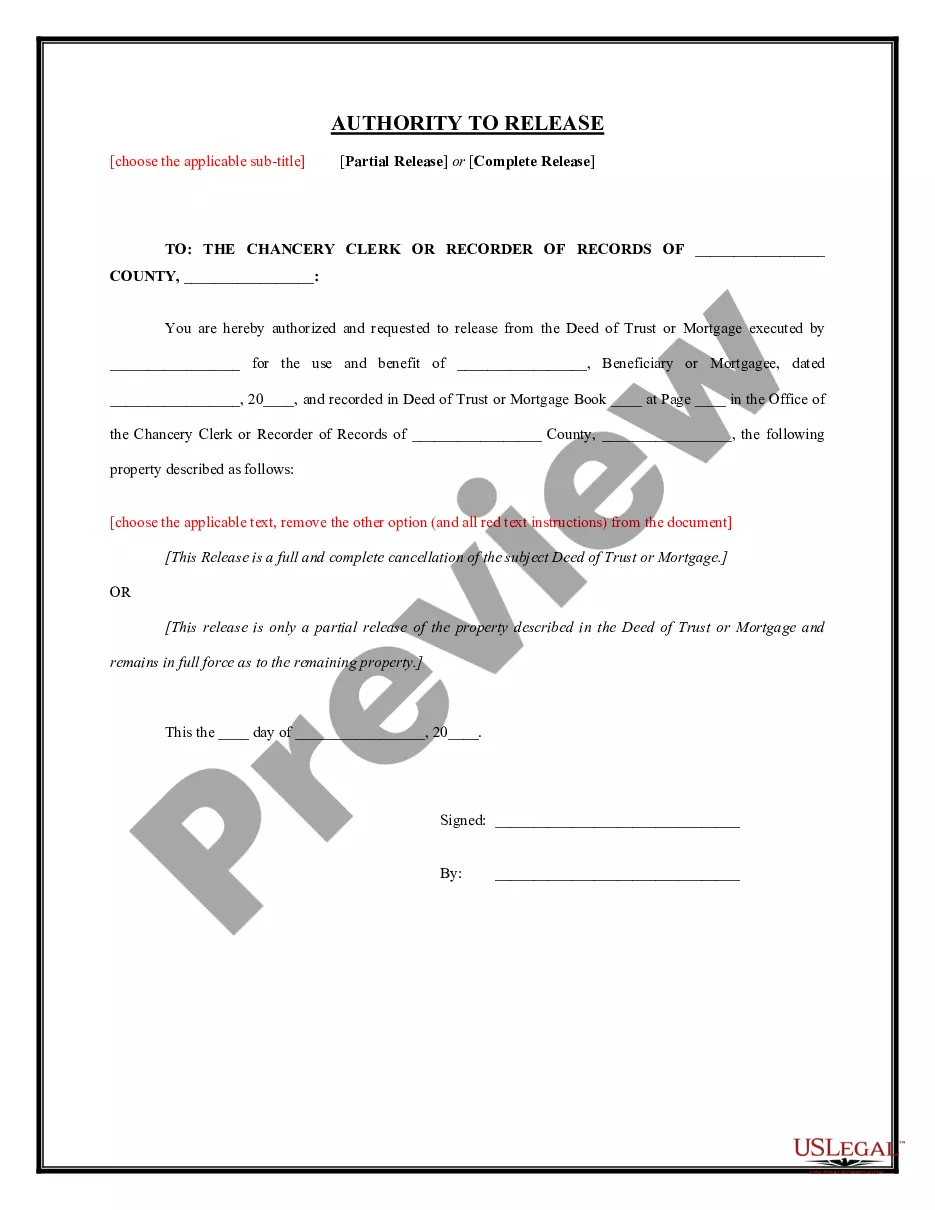
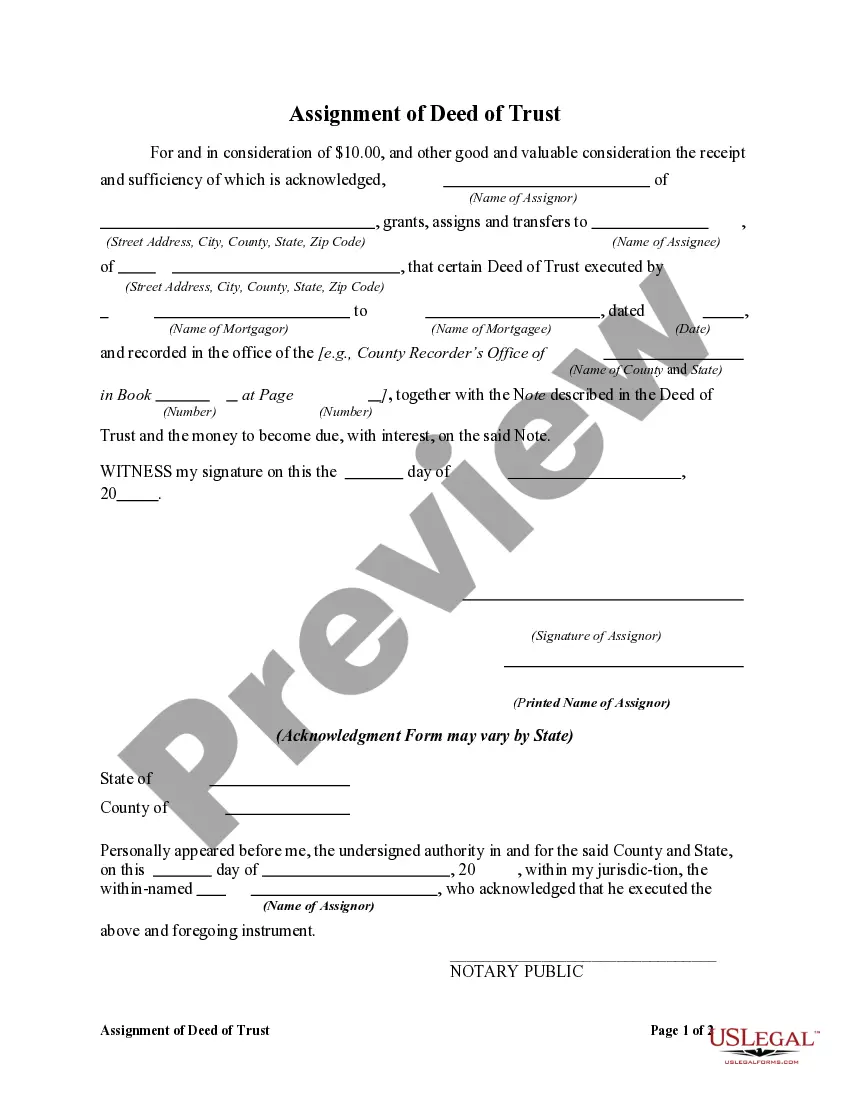
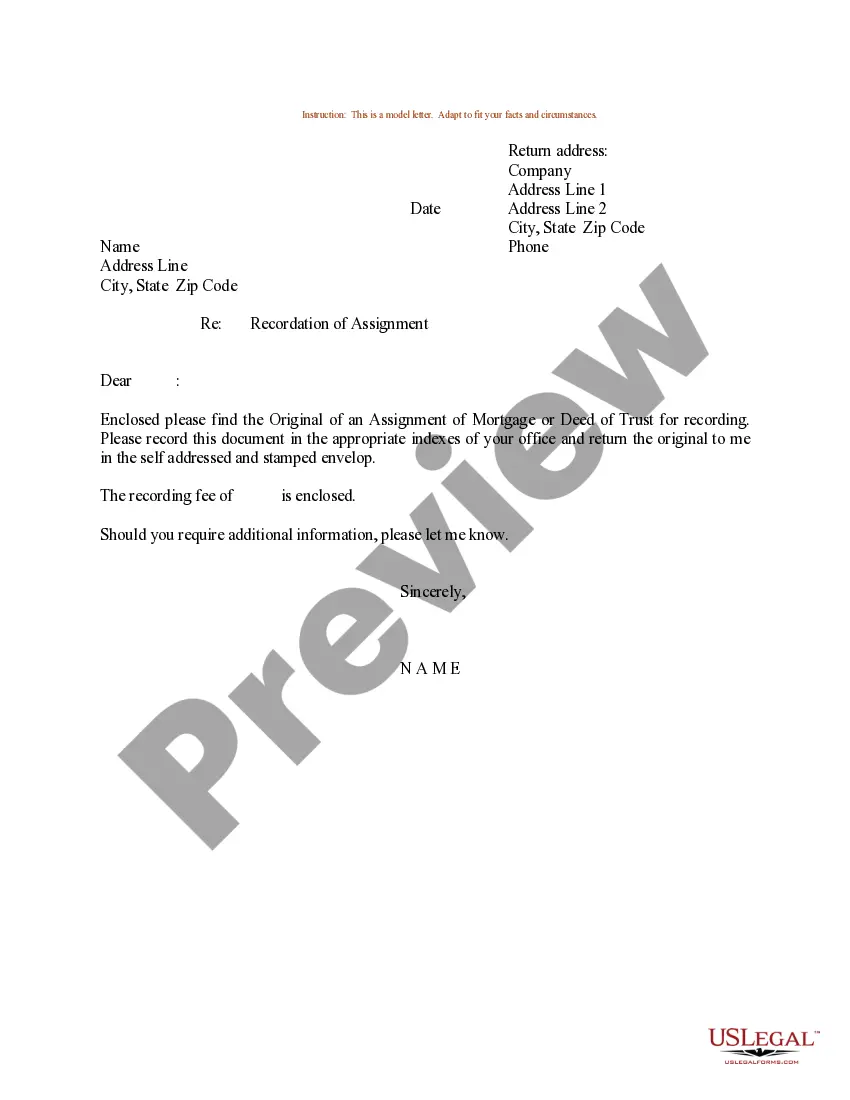

Get your form ready online
Our built-in tools help you complete, sign, share, and store your documents in one place.
Make edits, fill in missing information, and update formatting in US Legal Forms—just like you would in MS Word.
Download a copy, print it, send it by email, or mail it via USPS—whatever works best for your next step.
Sign and collect signatures with our SignNow integration. Send to multiple recipients, set reminders, and more. Go Premium to unlock E-Sign.
If this form requires notarization, complete it online through a secure video call—no need to meet a notary in person or wait for an appointment.
We protect your documents and personal data by following strict security and privacy standards.

Make edits, fill in missing information, and update formatting in US Legal Forms—just like you would in MS Word.

Download a copy, print it, send it by email, or mail it via USPS—whatever works best for your next step.

Sign and collect signatures with our SignNow integration. Send to multiple recipients, set reminders, and more. Go Premium to unlock E-Sign.

If this form requires notarization, complete it online through a secure video call—no need to meet a notary in person or wait for an appointment.

We protect your documents and personal data by following strict security and privacy standards.
Looking for another form?









Form popularity
FAQ
A warranty deed offers the strongest protection. It protects the party receiving the property title in case there turns out to be any issues with the title. In a worst-case scenario, the buyer can sue the seller if they find out that the property had any liens or claims against it.
A warranty deed, like the other deeds, conveys an ownership interest in the real estate to the grantee or buyer. However, a warranty deed also conveys a promise that the grantor is transferring good and clear title to the grantee.
The key difference between the two is that with a warranty deed, the grantor is guaranteeing that they will defend the title of a property, in the present and in the future. This leaves an opening for the grantee to sue the grantor if any issues with the title arise, at any point in time.
Not all deeds are warranty deeds. Understanding the differences can help in making informed propertyMoreNot all deeds are warranty deeds. Understanding the differences can help in making informed property transactions. To learn more check out these links which you can click in the description. Below.
You can sell as a warranty deed... but this means you are warranting clean title and the buyer can come back to you, you should only provide a warranty deed if there's a title company/title insurance being purchased.
No, a warranty deed does not prove ownership. A title search is the best way to prove that a grantor rightfully owns a property. The warranty deed is a legal document that offers the buyer protection.
The title to a house is a legal concept that establishes your ownership of the property and gives you certain rights to it. The deed is a legal document that transfers ownership of a property from a seller to a buyer.
No, you cannot be removed from a deed without your express consent. If you hold title to a property and are listed as an owner on your deed, then your interest in the property cannot be transferred to another party without your knowledge.
A warranty deed offers the strongest protection. It protects the party receiving the property title in case there turns out to be any issues with the title.
