Deed Without Warranty Vs Quitclaim Deed In Fairfax
Description

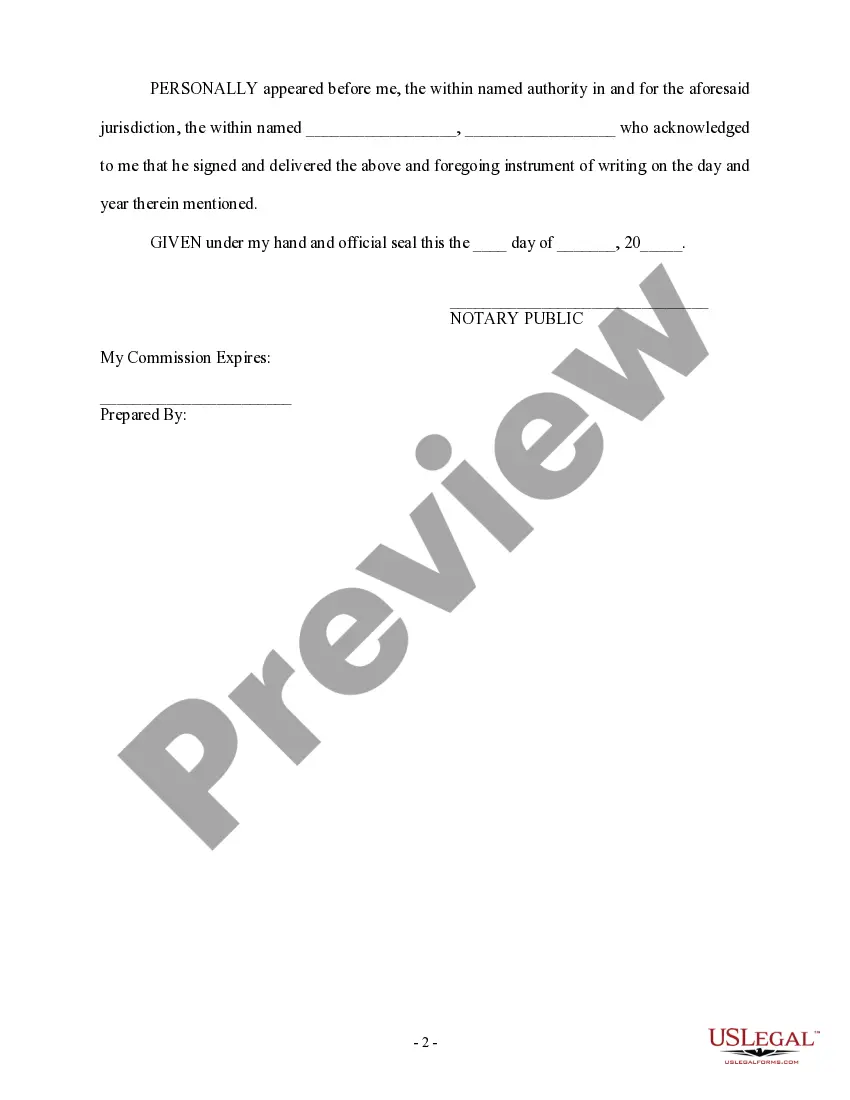
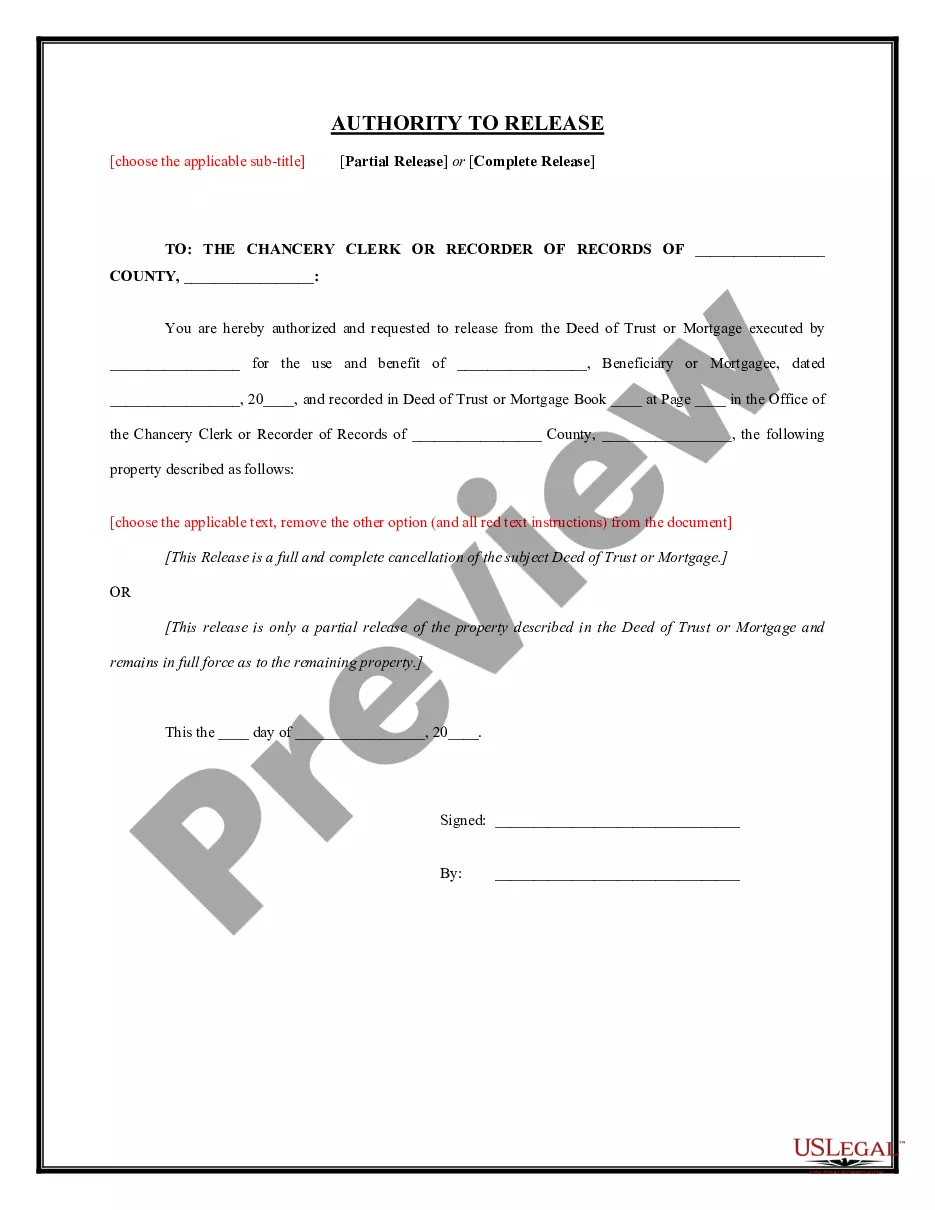
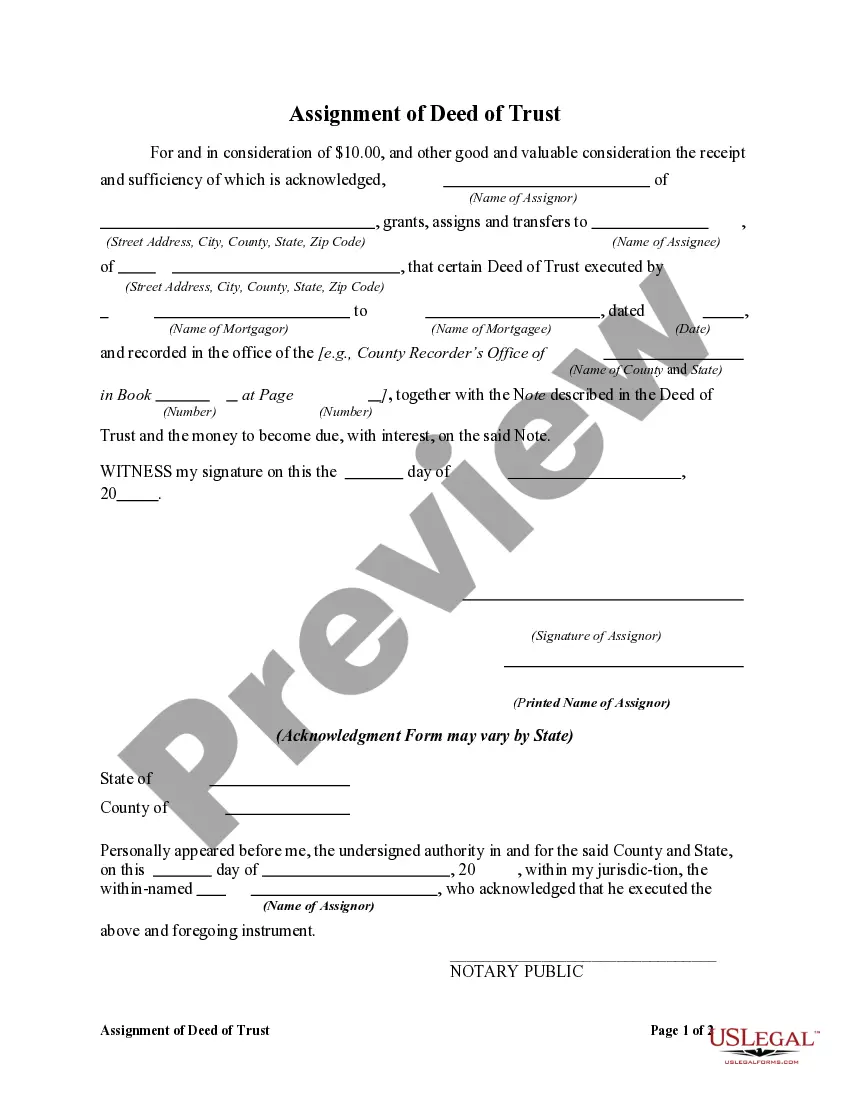

Get your form ready online
Our built-in tools help you complete, sign, share, and store your documents in one place.
Make edits, fill in missing information, and update formatting in US Legal Forms—just like you would in MS Word.
Download a copy, print it, send it by email, or mail it via USPS—whatever works best for your next step.
Sign and collect signatures with our SignNow integration. Send to multiple recipients, set reminders, and more. Go Premium to unlock E-Sign.
If this form requires notarization, complete it online through a secure video call—no need to meet a notary in person or wait for an appointment.
We protect your documents and personal data by following strict security and privacy standards.

Make edits, fill in missing information, and update formatting in US Legal Forms—just like you would in MS Word.

Download a copy, print it, send it by email, or mail it via USPS—whatever works best for your next step.

Sign and collect signatures with our SignNow integration. Send to multiple recipients, set reminders, and more. Go Premium to unlock E-Sign.

If this form requires notarization, complete it online through a secure video call—no need to meet a notary in person or wait for an appointment.

We protect your documents and personal data by following strict security and privacy standards.
Looking for another form?








Form popularity
FAQ
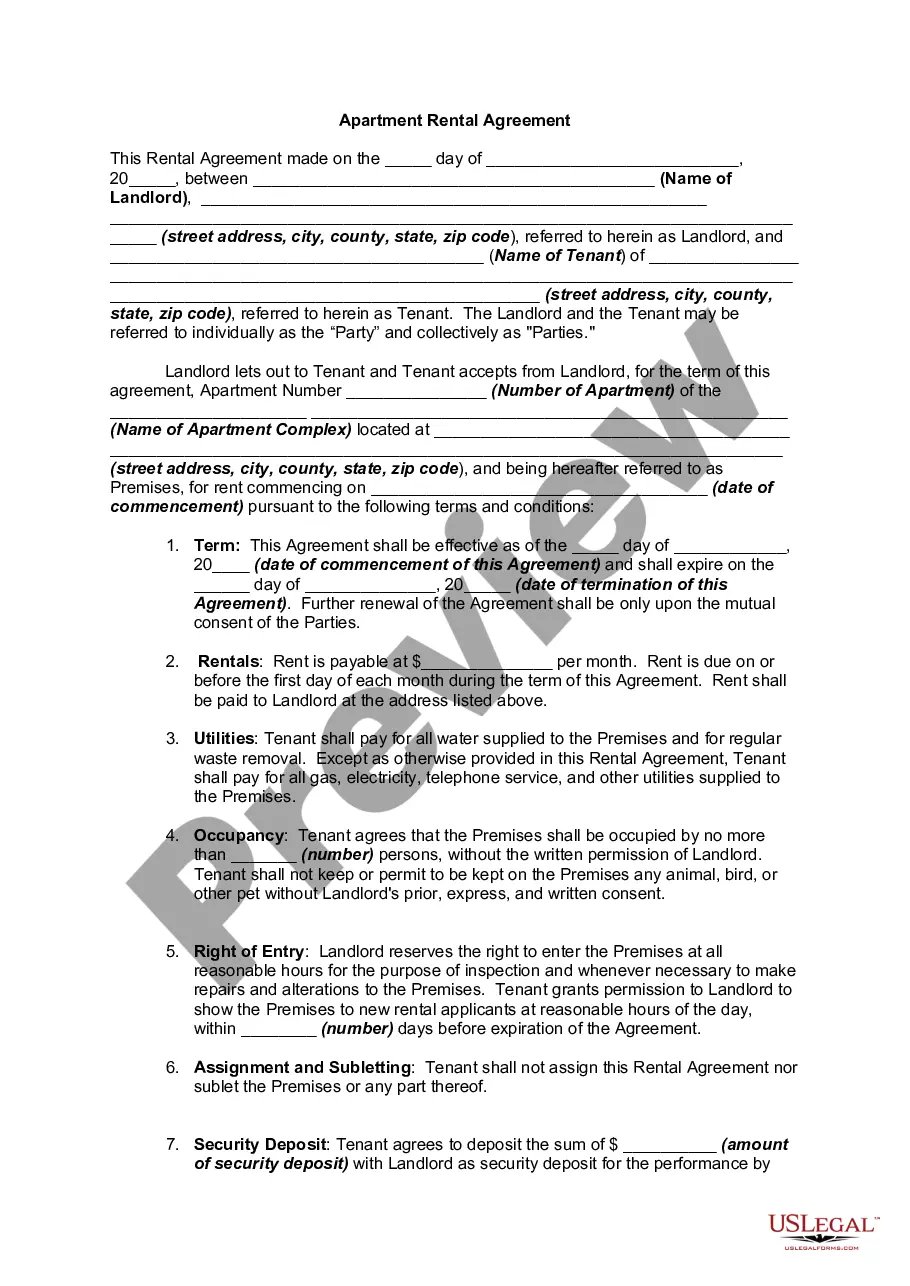
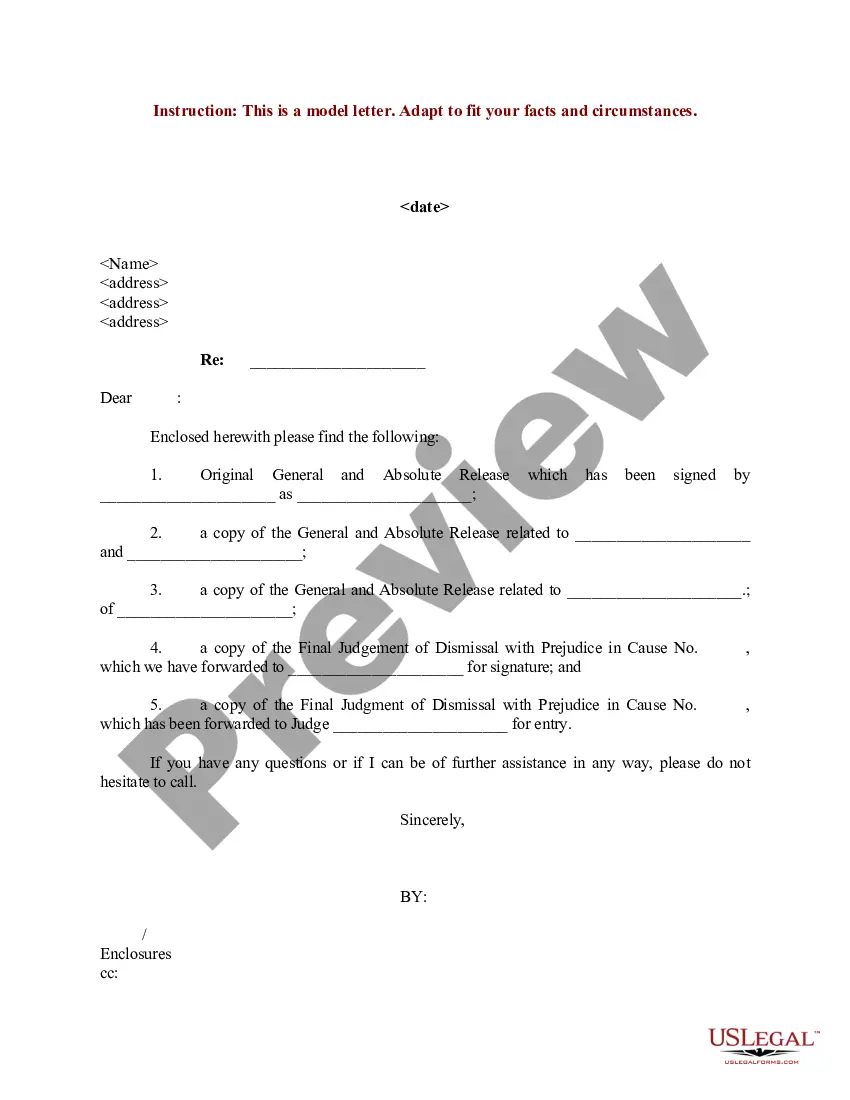
Every deed and corrected or amended deed may be made in the following form, or to the same effect: "This deed, made the ______ day of ______, in the year ____, between (here insert names of parties as grantors or grantees), witnesseth: that in consideration of (here state the consideration, nominal or actual), the said ...
A warranty deed offers the strongest protection. It protects the party receiving the property title in case there turns out to be any issues with the title.
After or accompanying payment in full of the obligation secured by a deed of trust or judgment lien, a settlement agent or title insurance company intending to release a deed of trust or judgment lien pursuant to this subsection shall deliver to the lien creditor by certified mail or commercial overnight delivery ...
A quitclaim deed is a legal document that transfers a person's interest in a property to another party. However, it does so without specifying the nature of the person's ownership or rights in the property and provides no guarantees regarding the validity of those rights.
One of the main drawbacks of using a quitclaim deed is that you have little to no legal recourse if the grantor didn't actually have a legal interest in the property to give away. This is the risk you take with a quitclaim deed that doesn't offer any warranties.
Long story short: If you are the buyer, then the warranty deed is more favorable to you because it provides a more solid legal protection. If you're the seller, the quitclaim deed is more favorable to you.
The biggest difference between a title and a deed is the physical component. A deed is an official written document declaring a person's legal ownership of a property, while a title is a legal concept that refers to ownership rights.
In Virginia, only attorneys or property owners can legally prepare a deed. To be legally recognized, a deed has to satisfy several key state-specific requirements: It should be an original or a first-generation printout as per Va.
Can I prepare my own deed? The Clerk's Office Land Records Department will accept a deed prepared by a property owner or an attorney, who is a member of the Virginia Bar. The document must meet all recording standards.
