Trust Of Deeds For Property In Wake
Description


Get your form ready online
Our built-in tools help you complete, sign, share, and store your documents in one place.
Make edits, fill in missing information, and update formatting in US Legal Forms—just like you would in MS Word.
Download a copy, print it, send it by email, or mail it via USPS—whatever works best for your next step.
Sign and collect signatures with our SignNow integration. Send to multiple recipients, set reminders, and more. Go Premium to unlock E-Sign.
If this form requires notarization, complete it online through a secure video call—no need to meet a notary in person or wait for an appointment.
We protect your documents and personal data by following strict security and privacy standards.

Make edits, fill in missing information, and update formatting in US Legal Forms—just like you would in MS Word.

Download a copy, print it, send it by email, or mail it via USPS—whatever works best for your next step.

Sign and collect signatures with our SignNow integration. Send to multiple recipients, set reminders, and more. Go Premium to unlock E-Sign.

If this form requires notarization, complete it online through a secure video call—no need to meet a notary in person or wait for an appointment.

We protect your documents and personal data by following strict security and privacy standards.
Looking for another form?









Form popularity
FAQ
Disadvantages of a Trust Deed For borrowers, if financial circumstances change, default on repayment can result in property foreclosure.
Recording and Document Fees Document TypeFee Details Deeds of Trust and Mortgages $64 first 35 pages $4 each additional page Amendment to Deed of Trust $26 first 15 pages $4 each additional page All other Documents / Instruments / Assumed Name (DBA) $26 first 15 pages $4 each additional page3 more rows
How do I add or remove names from a deed? Deed name changes require the submittal of a new deed to the Register of Deeds office. We suggest that you consult an attorney unless you are familiar with creating legal documents. Click to look up recording fees.
Actual physical document versus concept In short, a deed is something you can hold in your hand, whereas a title is just the term for the person or persons who own the property. The way I like to remember the difference between the two is based off of their first letters.
In North Carolina, a deed of trust or mortgage acts as a conveyance of the real estate. Upon repayment of the debt or performance of the obligation, the conveyance becomes void.
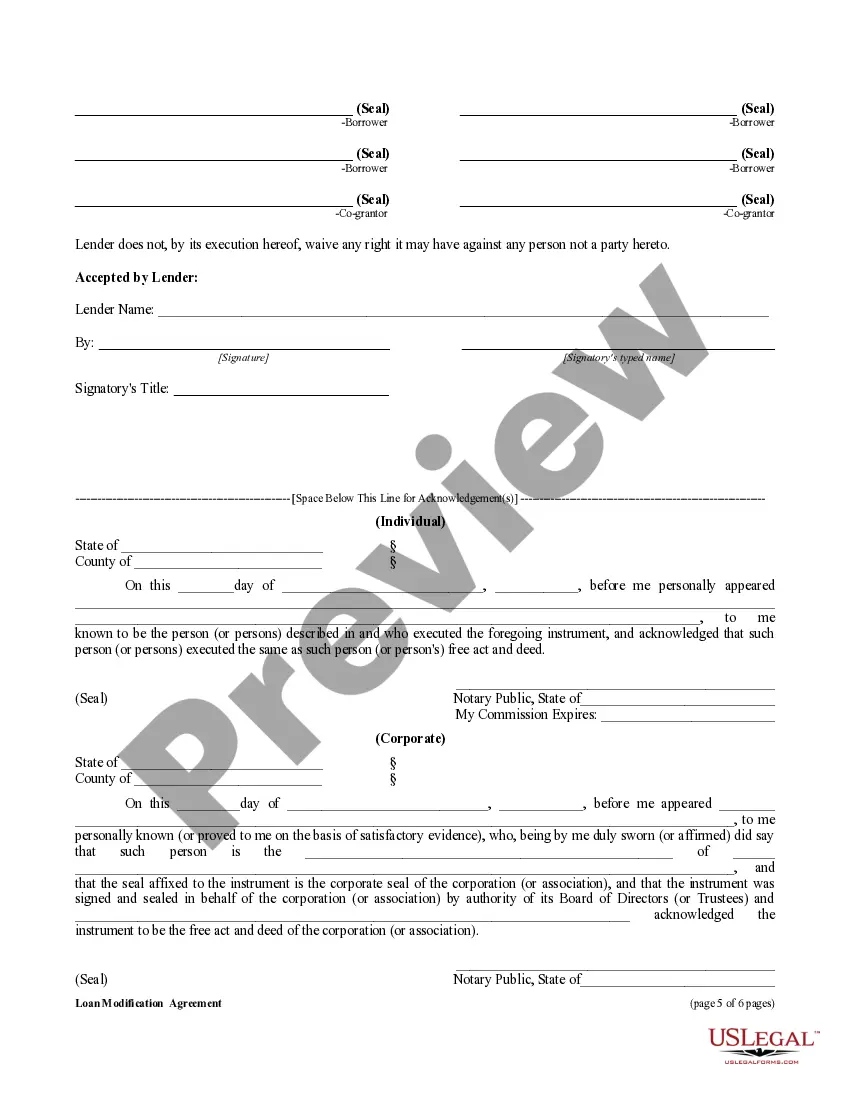
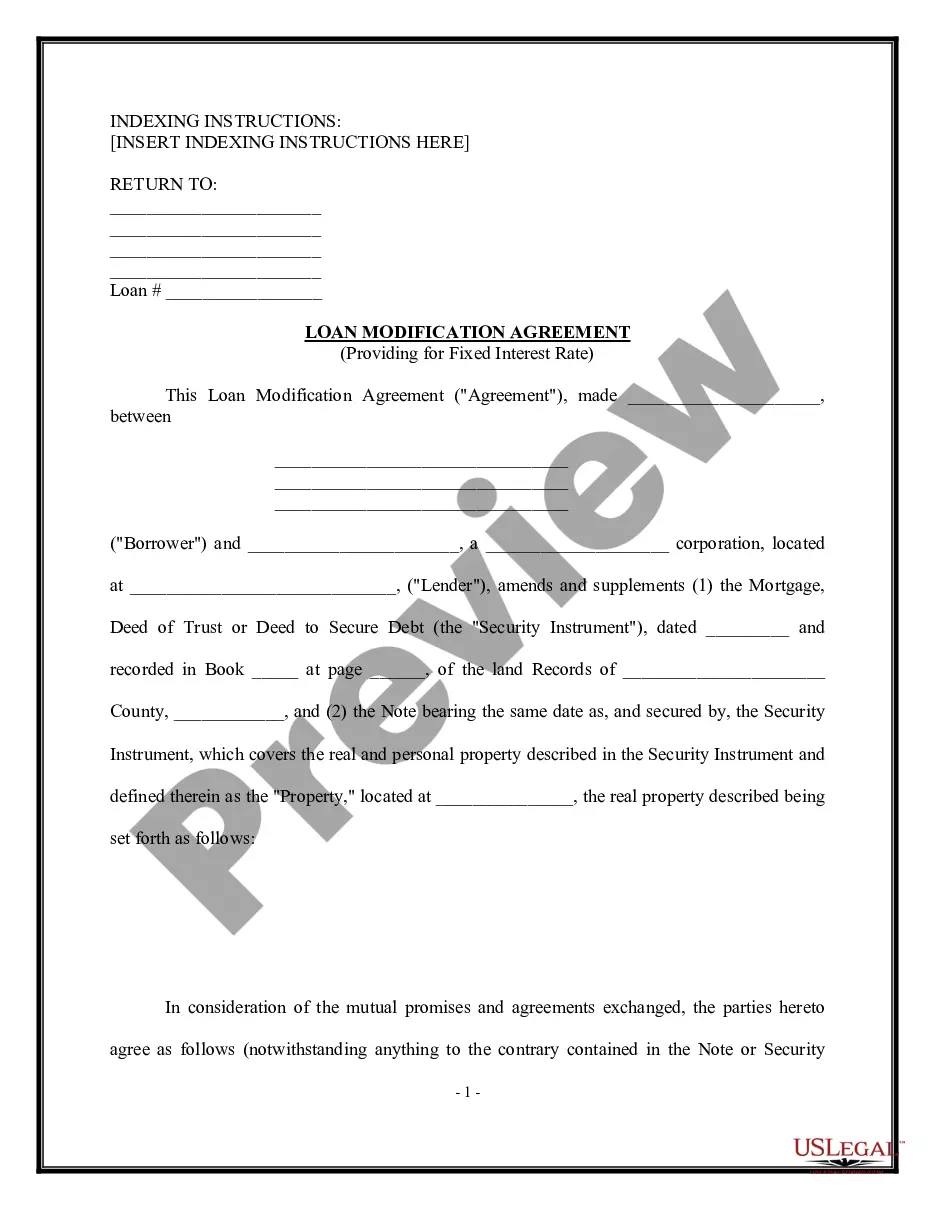
A deed of trust will include the same type of information stated in a mortgage document, such as: The identities of the borrower, lender, and trustee. A full description of the property to be placed in trust. Any restrictions or requirements on the use of the property while it is in trust.
A trust deed gives the third-party “trustee” (usually a title company or real estate broker) legal ownership of the property.
The deed of trust must then be recorded with the county where the property is located, and each of the parties (the trustor, trustee, and lender) should keep a copy of the recorded document.