Deed Of Trust Modification With Lien In Wake
Description

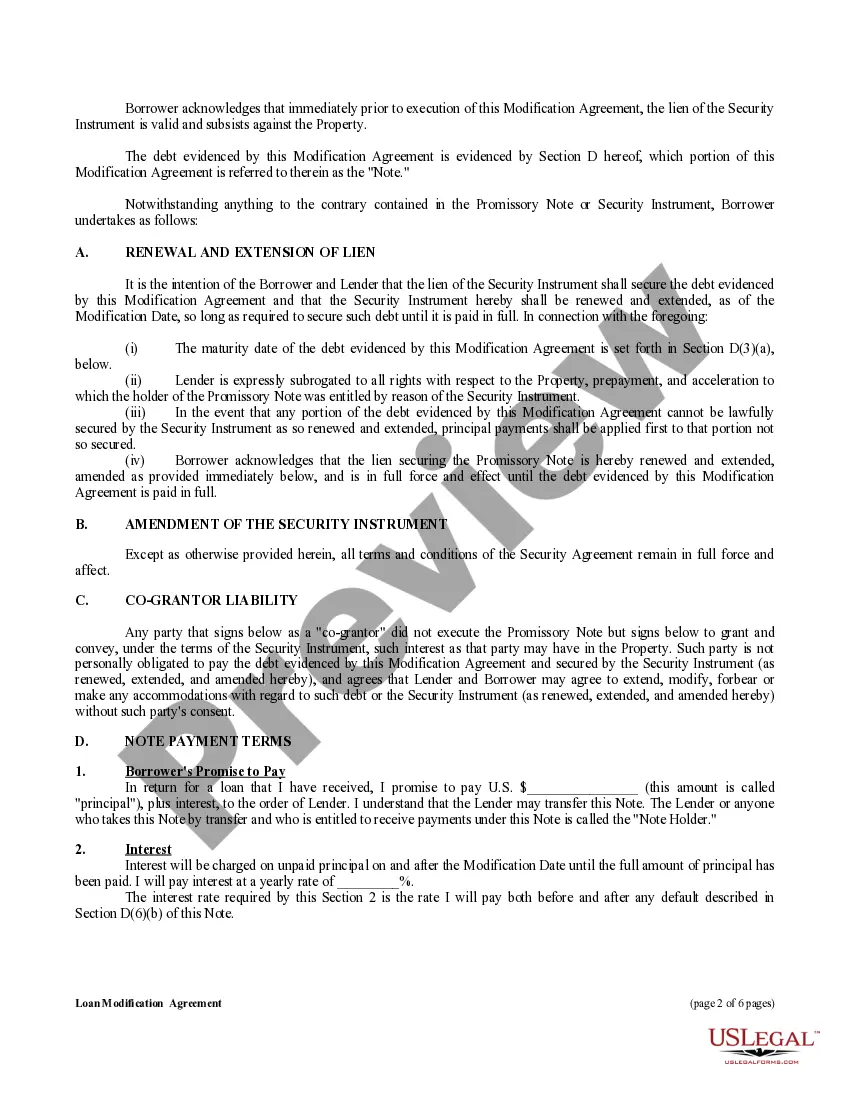
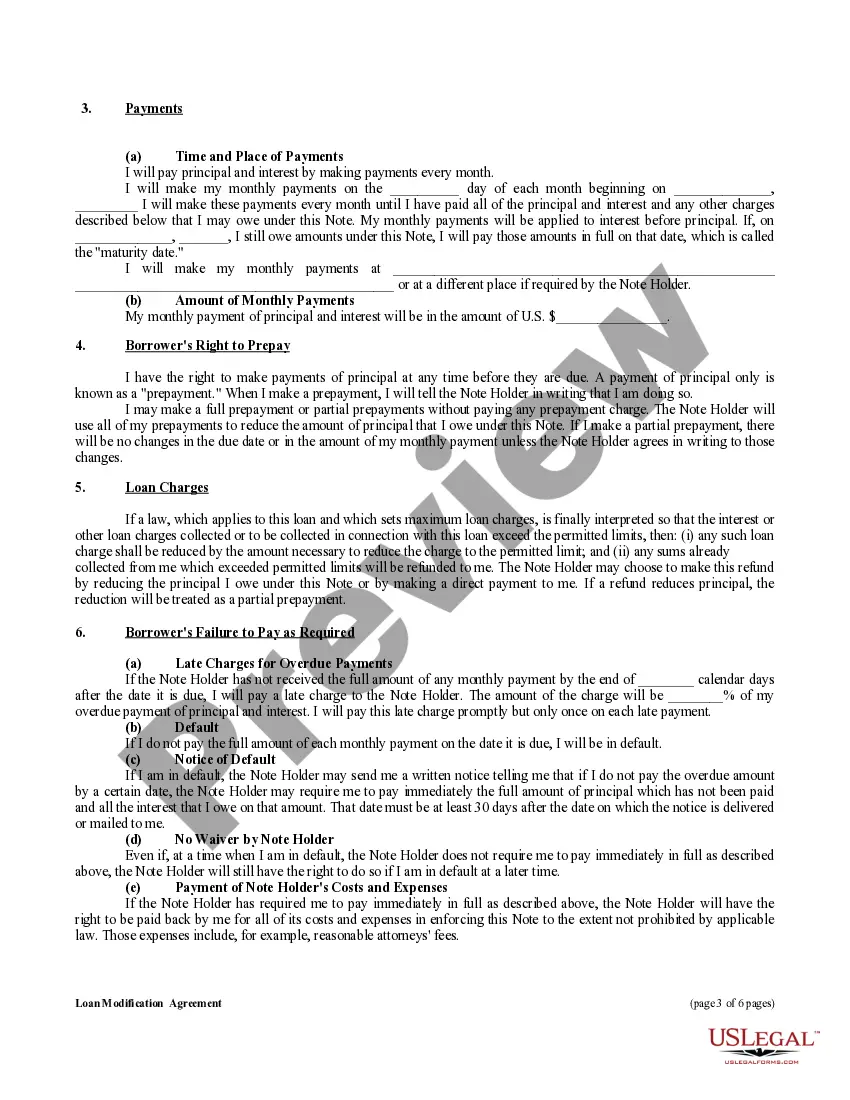
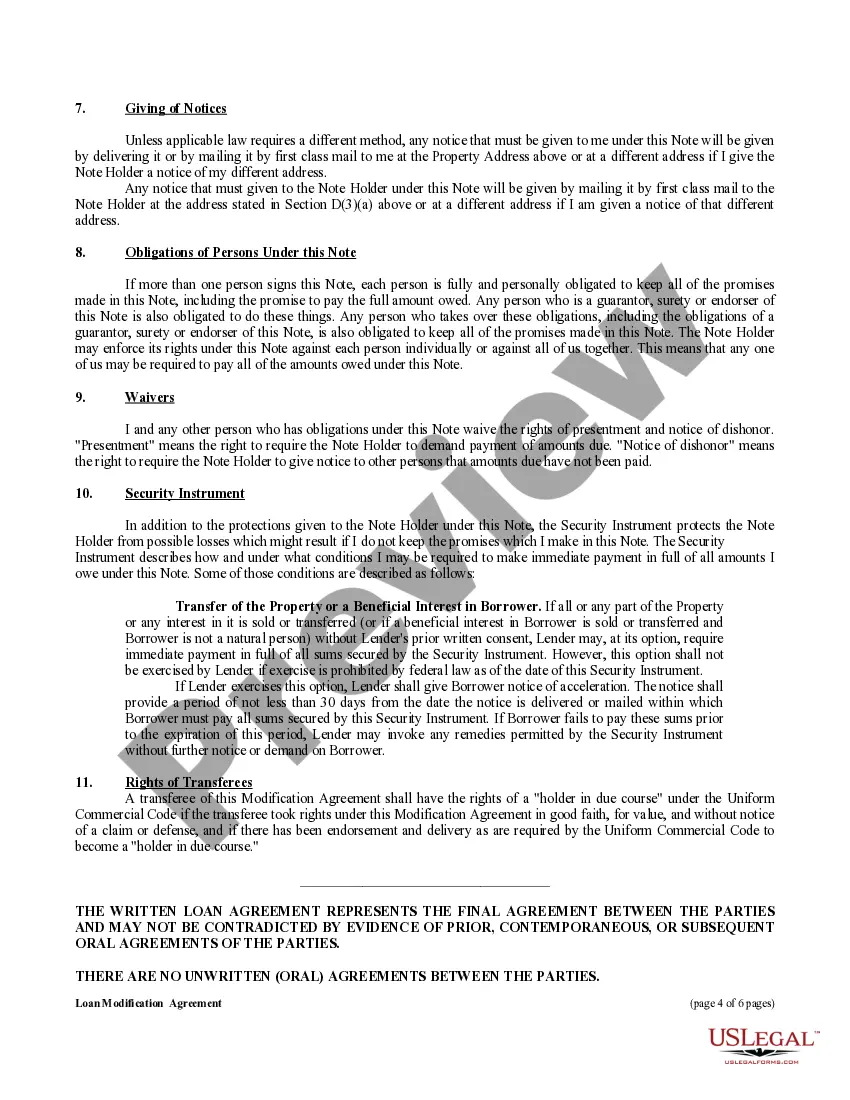
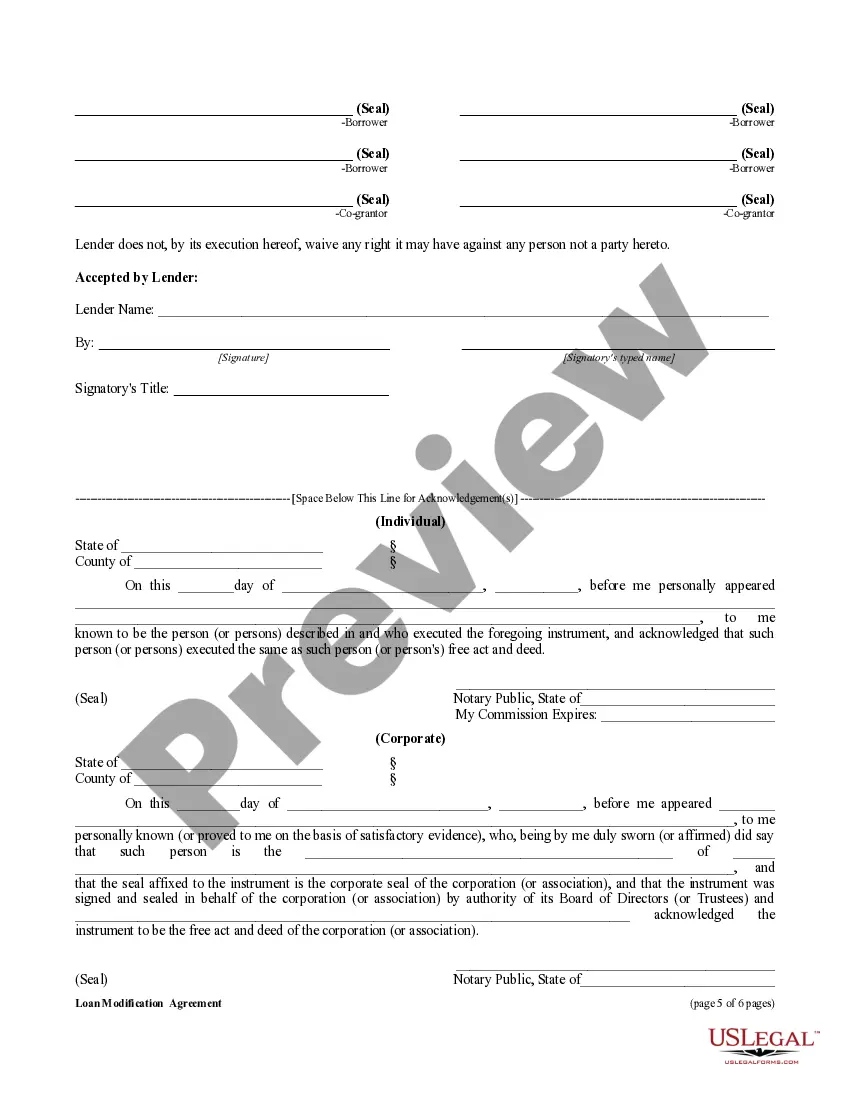


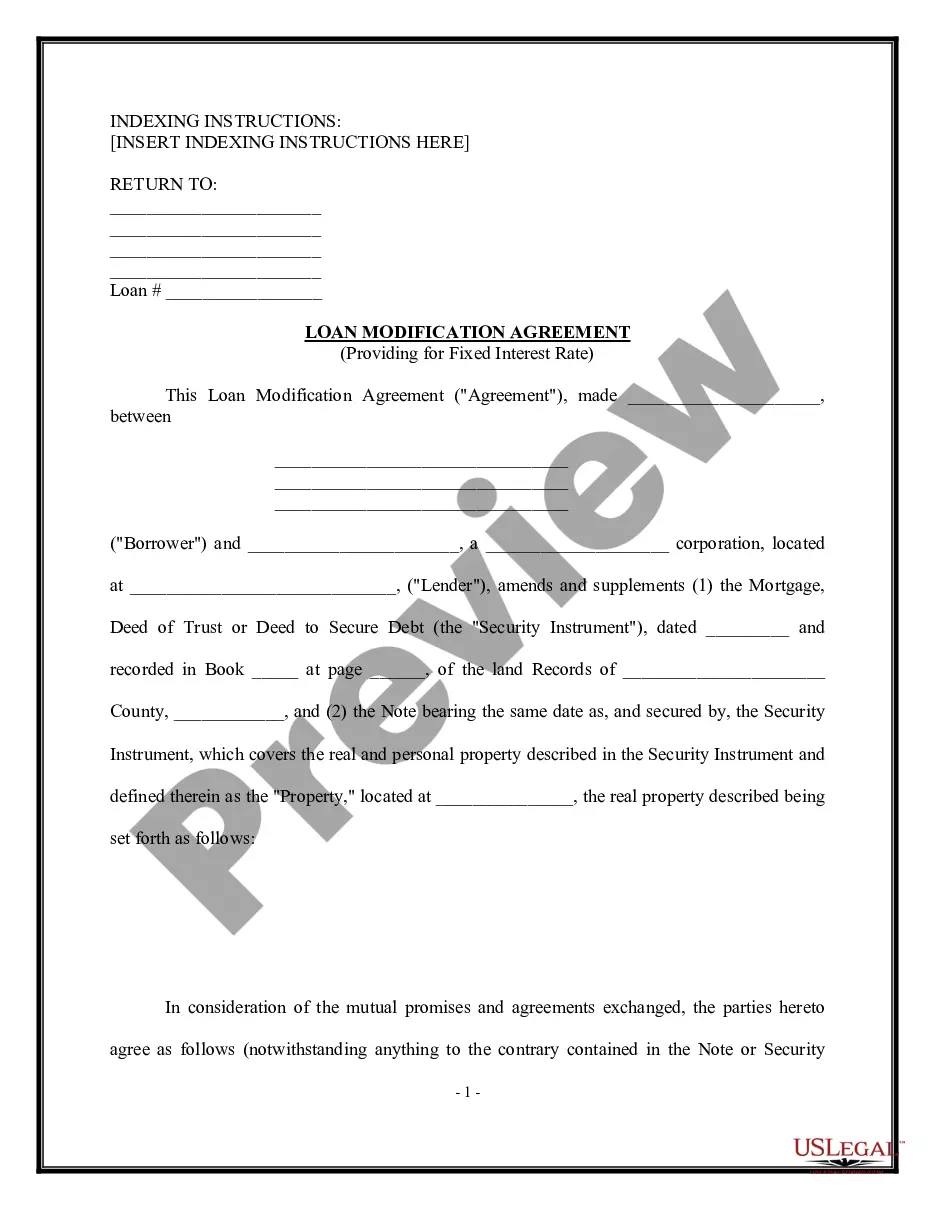
Get your form ready online
Our built-in tools help you complete, sign, share, and store your documents in one place.
Make edits, fill in missing information, and update formatting in US Legal Forms—just like you would in MS Word.
Download a copy, print it, send it by email, or mail it via USPS—whatever works best for your next step.
Sign and collect signatures with our SignNow integration. Send to multiple recipients, set reminders, and more. Go Premium to unlock E-Sign.
If this form requires notarization, complete it online through a secure video call—no need to meet a notary in person or wait for an appointment.
We protect your documents and personal data by following strict security and privacy standards.

Make edits, fill in missing information, and update formatting in US Legal Forms—just like you would in MS Word.

Download a copy, print it, send it by email, or mail it via USPS—whatever works best for your next step.

Sign and collect signatures with our SignNow integration. Send to multiple recipients, set reminders, and more. Go Premium to unlock E-Sign.

If this form requires notarization, complete it online through a secure video call—no need to meet a notary in person or wait for an appointment.

We protect your documents and personal data by following strict security and privacy standards.
Looking for another form?




Form popularity
FAQ
Drafting of legal documents, including deeds, mortgages, and other transaction documents must be prepared by a NC attorney. NCGS § 84-2.1. Non-attorneys may provide limited services in a real estate closing including witnessing of closing documents and receipt and disbursement of closing funds.
Deed of Trust Modification means, with respect to any Deed of Trust, a modification agreement entered into between the Borrower or the Project Owner, as applicable, and the Lender, modifying the terms and conditions of the Deed of Trust in order to (i) add to the lien of the Deed of Trust Additional Lots, or (ii) make ...
The time it takes for house deeds to change from one owner to another or from a bank to a person varies, but typically it can take anywhere from a few weeks to a few months.
A deed of trust creates a lien on the purchased property when it is executed and delivered by the trustor/borrower to the beneficiary (usually the lender). Once executed and delivered, the deed of trust takes priority as a security against the property in relation to any other liens previously recorded.
A: Anywhere between 14 to 90 days after closing. A properly recorded deed can take anywhere from 14 days to 90 days. That may seem like a long time, but your local government office goes over every little detail on the deed to make sure the property is correct and there are no errors.
How do I change the names on my deed? You will need to draw up a new deed. It is advised that you see an attorney for this service unless you are familiar with drawing up legal documents.
Amending a trust deed is process that should be treated as requiring careful planning, consideration and intentionality. Indeed, unintended (and undesirable) consequences can flow from a purported trust amendment that has been undertaken with such consideration, such as a resettlement of the trust.
Disadvantages of a Trust Deed For borrowers, if financial circumstances change, default on repayment can result in property foreclosure.
