Deed Of Trust With Future Advance Clause In Virginia
Description

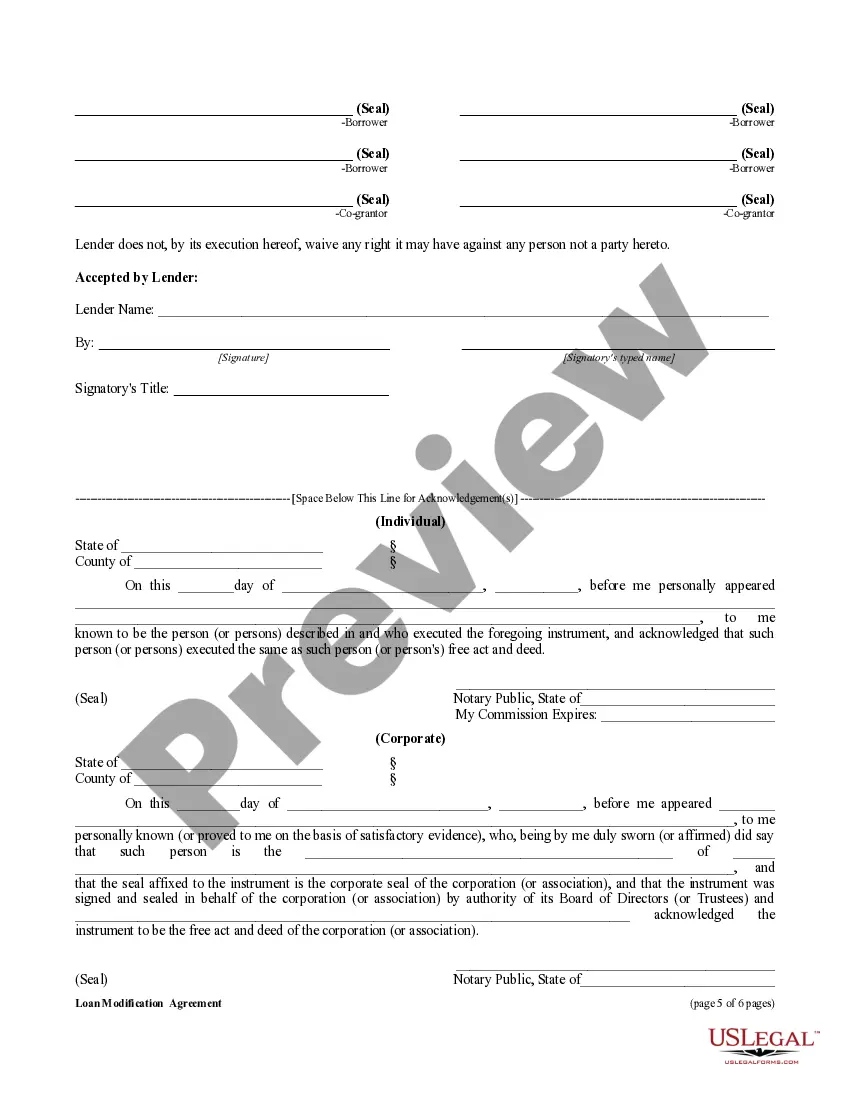
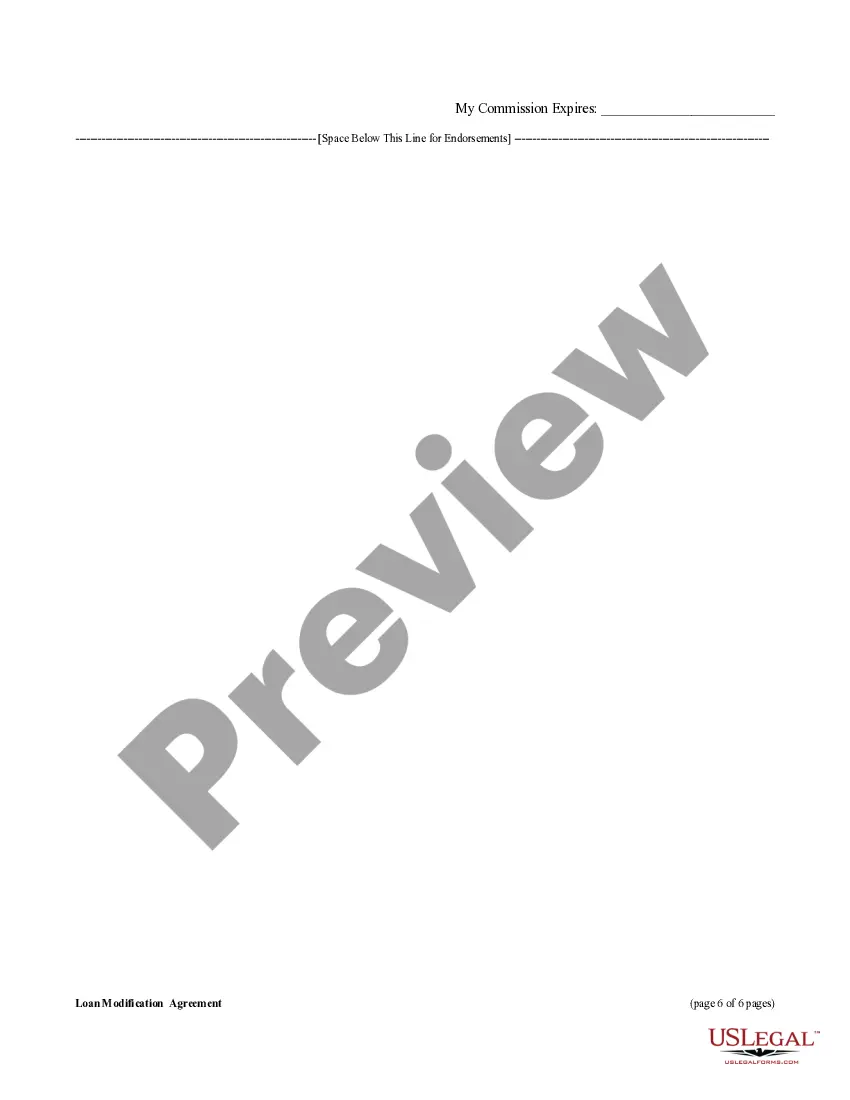

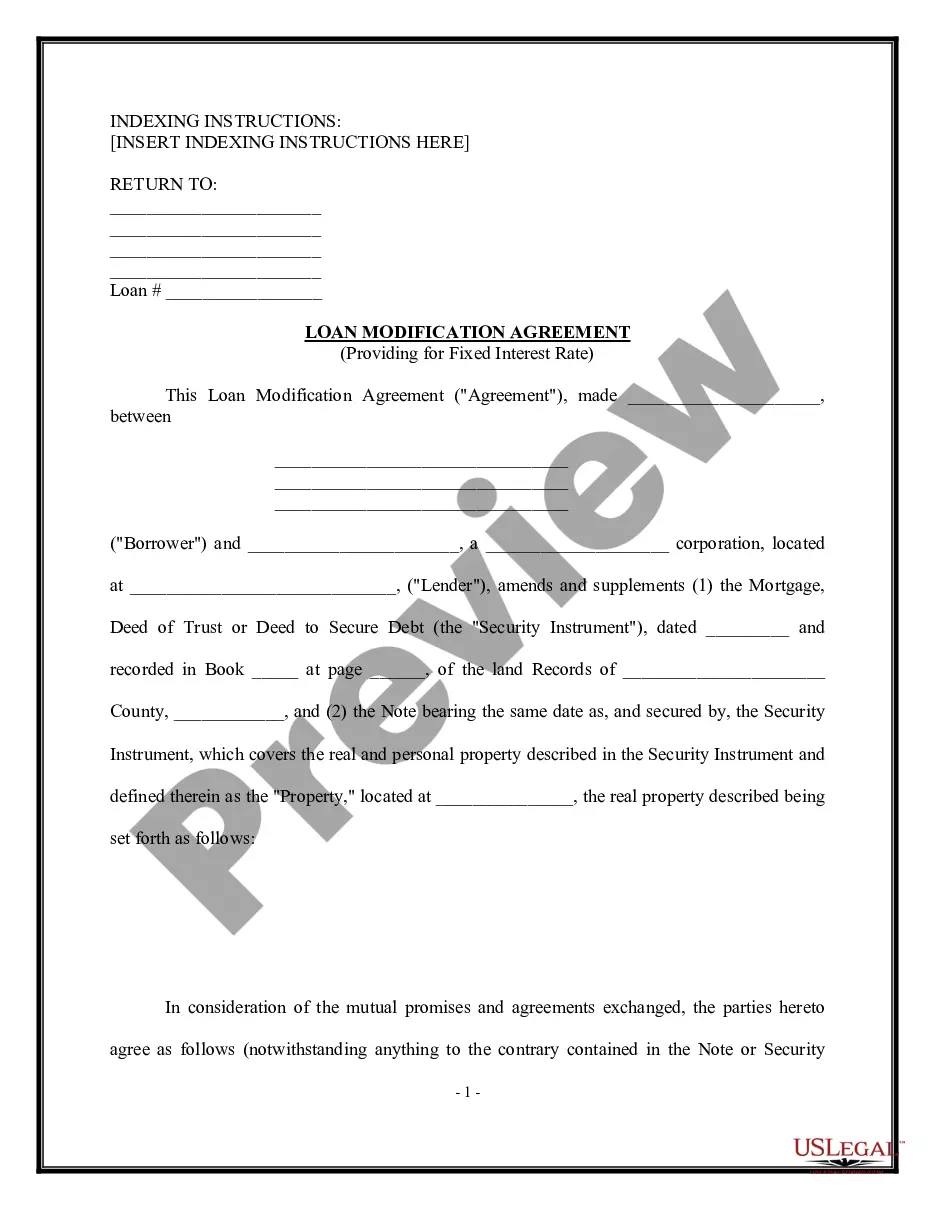
Get your form ready online
Our built-in tools help you complete, sign, share, and store your documents in one place.
Make edits, fill in missing information, and update formatting in US Legal Forms—just like you would in MS Word.
Download a copy, print it, send it by email, or mail it via USPS—whatever works best for your next step.
Sign and collect signatures with our SignNow integration. Send to multiple recipients, set reminders, and more. Go Premium to unlock E-Sign.
If this form requires notarization, complete it online through a secure video call—no need to meet a notary in person or wait for an appointment.
We protect your documents and personal data by following strict security and privacy standards.

Make edits, fill in missing information, and update formatting in US Legal Forms—just like you would in MS Word.

Download a copy, print it, send it by email, or mail it via USPS—whatever works best for your next step.

Sign and collect signatures with our SignNow integration. Send to multiple recipients, set reminders, and more. Go Premium to unlock E-Sign.

If this form requires notarization, complete it online through a secure video call—no need to meet a notary in person or wait for an appointment.

We protect your documents and personal data by following strict security and privacy standards.
Looking for another form?







Form popularity
FAQ
Basic Requirements of a Trust California statutes dictate a set criterion for valid trusts. Breaching any of the following can lead to the trust being deemed invalid: Intent. Mental capacity, meaning they should be legally sane and over 18.
Trusts can be terminated for various reasons, such as the fulfillment of the trust's purpose, expiration of the trust's term, or a trustee's breach of duty.
The document creating the trust doesn't meet the legal requirements; The trust was created or modified by fraud; The creator of the trust lacked the capacity to create the trust; or. Someone exercised undue influence over the creator of the trust.
When is a Deed of Trust Invalid? There are two main reasons a deed of trust may be considered invalid: (1) lack of required formalities in executing the deed of trust, or (2) there is some fact outside execution that makes the deed of trust invalid.
A credit line deed of trust shall set forth on the front page, either in capital letters or in language underscored, the words "THIS IS A CREDIT LINE DEED OF TRUST." Such phrase shall convey notice to all parties that advances or other extensions of credit are to be made or are contemplated to be made from time to time ...
Forgery. If someone else forged the signature on the document, the deed would be invalid. However, you'd likely have to prove that both the signature and notary are inauthentic.
In Virginia, only attorneys or property owners can legally prepare a deed. To be legally recognized, a deed has to satisfy several key state-specific requirements: It should be an original or a first-generation printout as per Va.
After or accompanying payment in full of the obligation secured by a deed of trust or judgment lien, a settlement agent or title insurance company intending to release a deed of trust or judgment lien pursuant to this subsection shall deliver to the lien creditor by certified mail or commercial overnight delivery ...
 All deeds must be prepared by the owner of the property or by an attorney licensed to practice in Virginia.  The requirements are listed below in the code section. Click here to read about e-Recording. § 17.1-223.
We recommend seeing a licensed attorney in the Commonwealth familiar with recordation/land records to prepare the deed so that it is prepared properly as it is a legal document transferring property. All deeds have to meet all standards within the Code of Virginia and the Library of Virginia Recordation Standards.