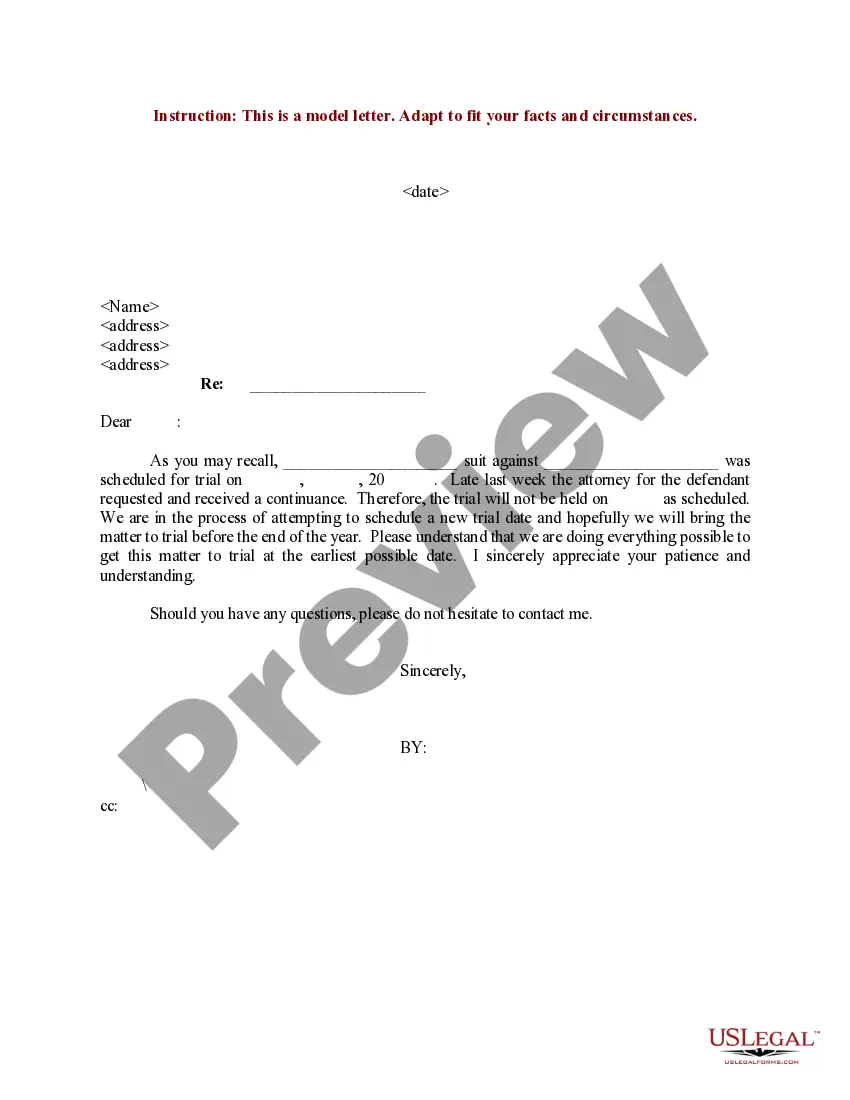
Deed Of Trust Modification With Partial Claim In Utah
Description








Get your form ready online
Our built-in tools help you complete, sign, share, and store your documents in one place.
Make edits, fill in missing information, and update formatting in US Legal Forms—just like you would in MS Word.
Download a copy, print it, send it by email, or mail it via USPS—whatever works best for your next step.
Sign and collect signatures with our SignNow integration. Send to multiple recipients, set reminders, and more. Go Premium to unlock E-Sign.
If this form requires notarization, complete it online through a secure video call—no need to meet a notary in person or wait for an appointment.
We protect your documents and personal data by following strict security and privacy standards.

Make edits, fill in missing information, and update formatting in US Legal Forms—just like you would in MS Word.

Download a copy, print it, send it by email, or mail it via USPS—whatever works best for your next step.

Sign and collect signatures with our SignNow integration. Send to multiple recipients, set reminders, and more. Go Premium to unlock E-Sign.

If this form requires notarization, complete it online through a secure video call—no need to meet a notary in person or wait for an appointment.

We protect your documents and personal data by following strict security and privacy standards.
Looking for another form?








Form popularity
FAQ
Deed of Trust Modification means, with respect to any Deed of Trust, a modification agreement entered into between the Borrower or the Project Owner, as applicable, and the Lender, modifying the terms and conditions of the Deed of Trust in order to (i) add to the lien of the Deed of Trust Additional Lots, or (ii) make ...
A partial reconveyance of real property in California by a trustee under a deed of trust for use when the beneficiary (lender) agrees to release a portion of the real property from the lien of the deed of trust while the trustor's (borrower's) obligations are not yet fully satisfied.
Partial Release of Deed of Trust: In this case, only a portion of the property described in the legal description is released from the deed of trust. The remaining property continues to be subject to the lien until the obligations are fully satisfied.
Partial denial of coverage occurs when an insurance company agrees to cover a portion of a claim but denies coverage for another part. This can happen for various reasons, such as certain aspects of the claim not meeting policy terms or specific exclusions being applied.
Through a deed of release of mortgage, also called a release of deed of trust, the lender agrees to remove the deed of trust, which is the document containing all of the mortgage's terms and conditions that is filed at the beginning of the mortgage process.
The problem with HUD partial claims is that they almost always end up being far larger than expected by the homeowner, and usually this additional debt lands the homeowner in a position where they owe more than their home is worth.