Change Deed Trust Without Attorney In Ohio
Description

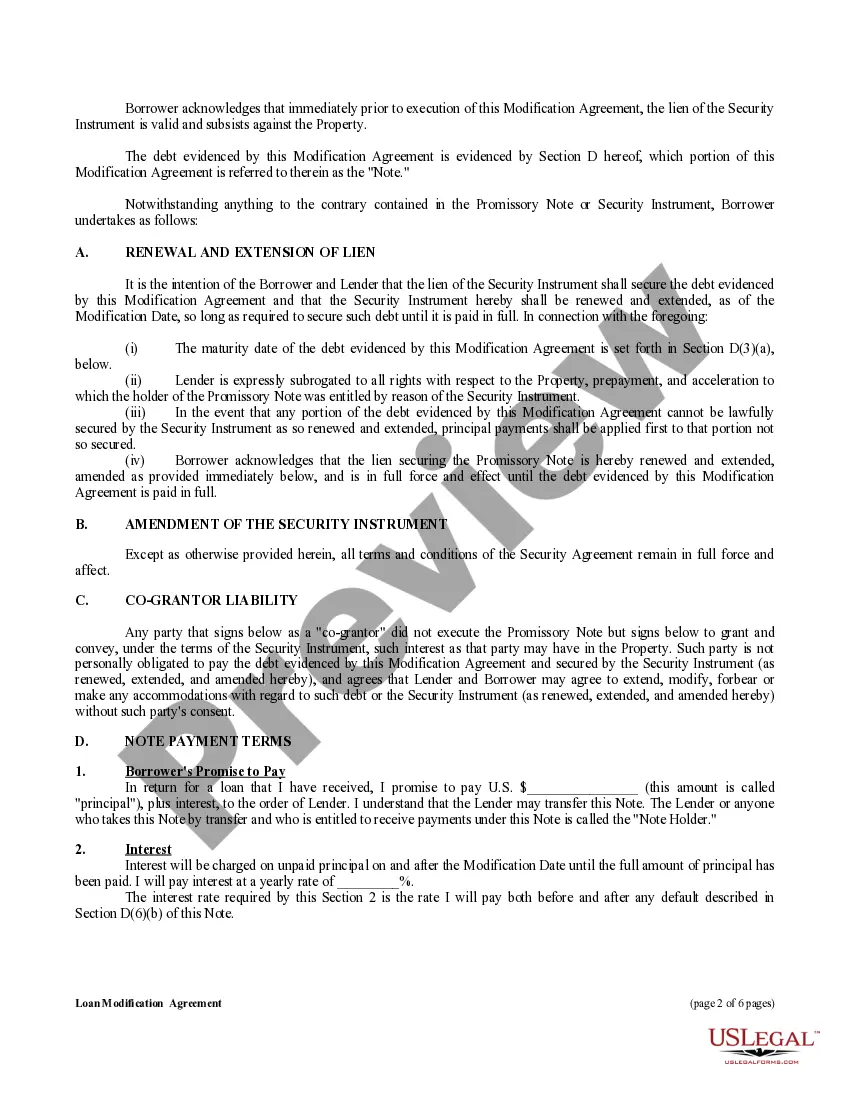
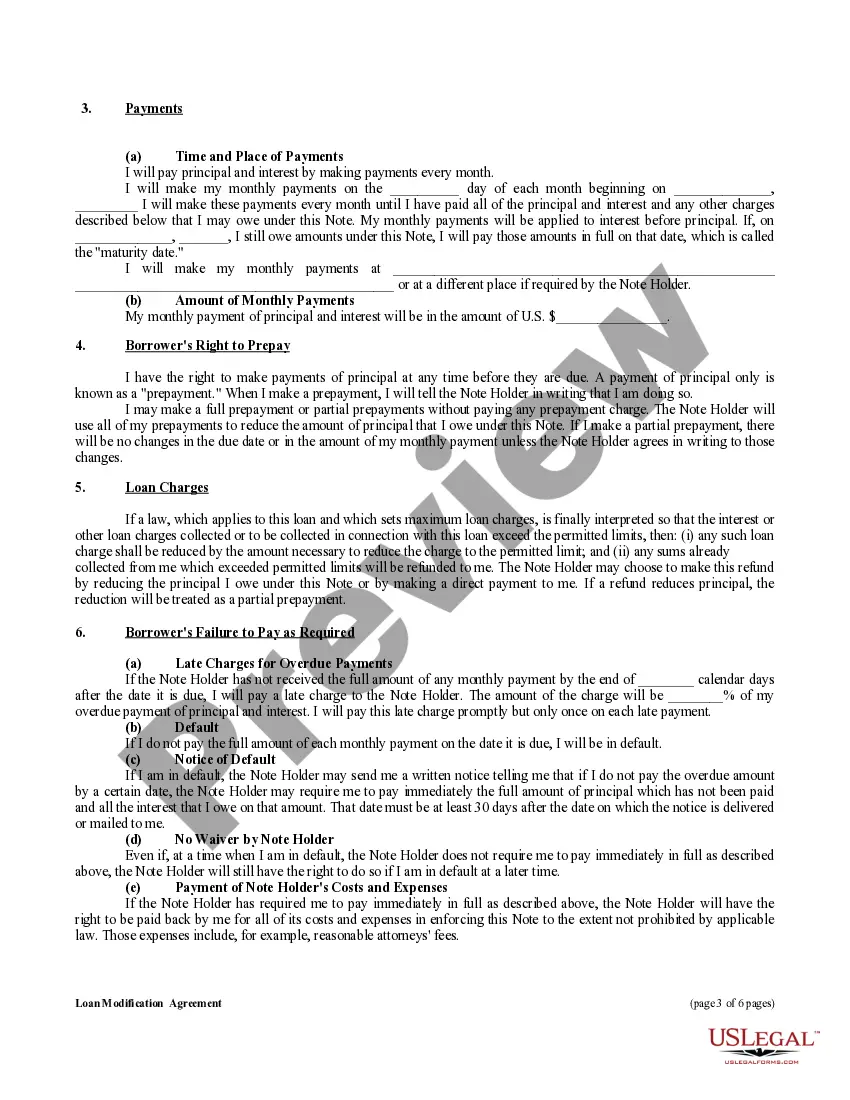
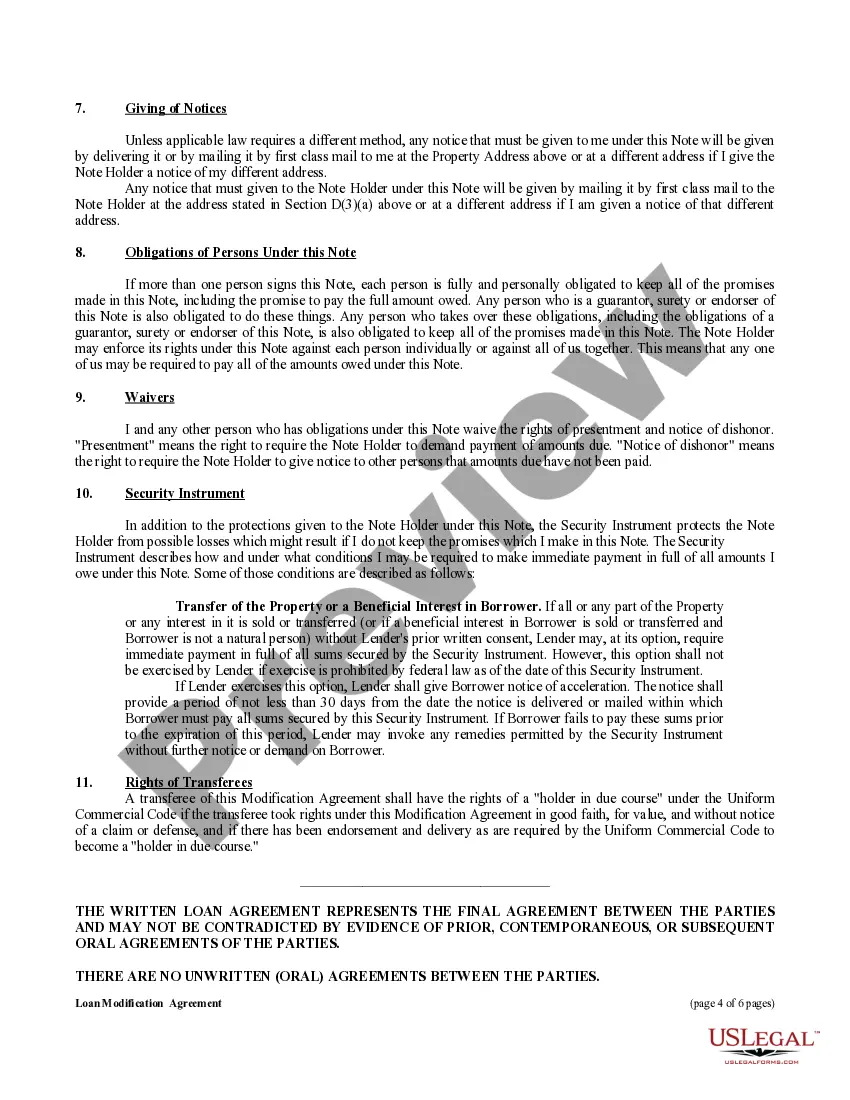
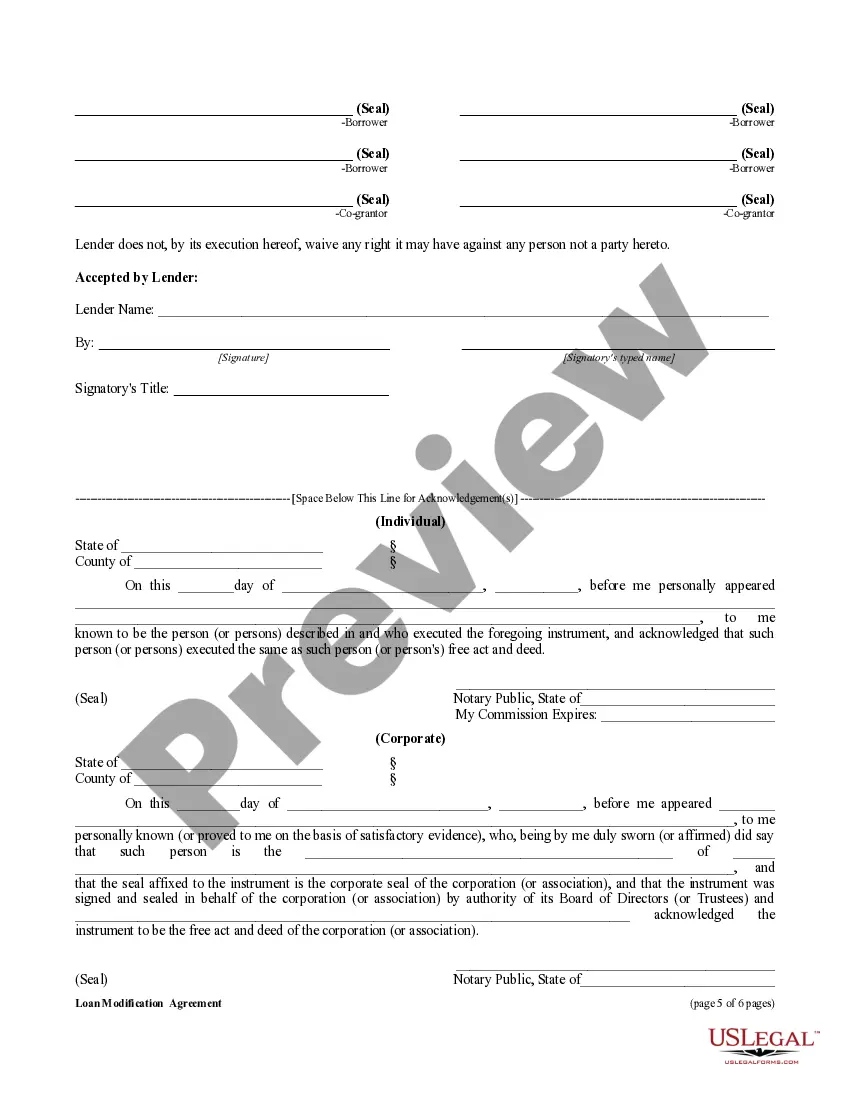

Get your form ready online
Our built-in tools help you complete, sign, share, and store your documents in one place.
Make edits, fill in missing information, and update formatting in US Legal Forms—just like you would in MS Word.
Download a copy, print it, send it by email, or mail it via USPS—whatever works best for your next step.
Sign and collect signatures with our SignNow integration. Send to multiple recipients, set reminders, and more. Go Premium to unlock E-Sign.
If this form requires notarization, complete it online through a secure video call—no need to meet a notary in person or wait for an appointment.
We protect your documents and personal data by following strict security and privacy standards.

Make edits, fill in missing information, and update formatting in US Legal Forms—just like you would in MS Word.

Download a copy, print it, send it by email, or mail it via USPS—whatever works best for your next step.

Sign and collect signatures with our SignNow integration. Send to multiple recipients, set reminders, and more. Go Premium to unlock E-Sign.

If this form requires notarization, complete it online through a secure video call—no need to meet a notary in person or wait for an appointment.

We protect your documents and personal data by following strict security and privacy standards.
Looking for another form?





Form popularity
FAQ
Changing a revocable trust isn't as simple as verbally telling someone or even writing in changes. There are legal formalities that must be followed to ensure that your trust is changed properly and that your wishes are carried out. You should consult with a lawyer to help you make such changes.
You can't write the changes on the documents themselves. What you need to do is draft a trust amendment changing the article(s) in the trust that reflect the distributions you wish to change.
All beneficiaries must sign a written consent form to transfer assets from a trust that does not allow modifications. You will need to create the new trust first, then request the court to allow the asset transfer and the termination of the old trust.
If you have an irrevocable trust, it is extremely difficult to make changes to it because the trust was set up to be permanent and not alterable. Most people, however, create a revocable living trust. A living revocable trust is designed to be flexible so you can make any change you want to it.
(C) The settlor may revoke or amend a revocable trust by substantial compliance with a method provided in the terms of the trust or, if the terms of the trust do not provide a method, by any method manifesting clear and convincing evidence of the settlor's intent, provided that a revocable trust may not be revoked or ...
(A) Personal property may be transferred to a trustee as authorized by section 5804.01 of the Revised Code by executing the necessary written instrument that identifies the personal property transferred and identifies the trustee by name followed by the designation "trustee."
Revocable trusts are designed to be flexible while the settlor is alive. In other words, the settlor is allowed to revoke or modify their trust — including their choice of successor trustee — at any time.
Irrevocable trusts typically can't be changed or amended after they're created. Several types of irrevocable trusts are available to choose from, depending on your reason for setting one up.
Amending a trust deed is process that should be treated as requiring careful planning, consideration and intentionality. Indeed, unintended (and undesirable) consequences can flow from a purported trust amendment that has been undertaken with such consideration, such as a resettlement of the trust.
