Deed Of Trust Records Format In Maricopa
Description








Get your form ready online
Our built-in tools help you complete, sign, share, and store your documents in one place.
Make edits, fill in missing information, and update formatting in US Legal Forms—just like you would in MS Word.
Download a copy, print it, send it by email, or mail it via USPS—whatever works best for your next step.
Sign and collect signatures with our SignNow integration. Send to multiple recipients, set reminders, and more. Go Premium to unlock E-Sign.
If this form requires notarization, complete it online through a secure video call—no need to meet a notary in person or wait for an appointment.
We protect your documents and personal data by following strict security and privacy standards.

Make edits, fill in missing information, and update formatting in US Legal Forms—just like you would in MS Word.

Download a copy, print it, send it by email, or mail it via USPS—whatever works best for your next step.

Sign and collect signatures with our SignNow integration. Send to multiple recipients, set reminders, and more. Go Premium to unlock E-Sign.

If this form requires notarization, complete it online through a secure video call—no need to meet a notary in person or wait for an appointment.

We protect your documents and personal data by following strict security and privacy standards.
Looking for another form?



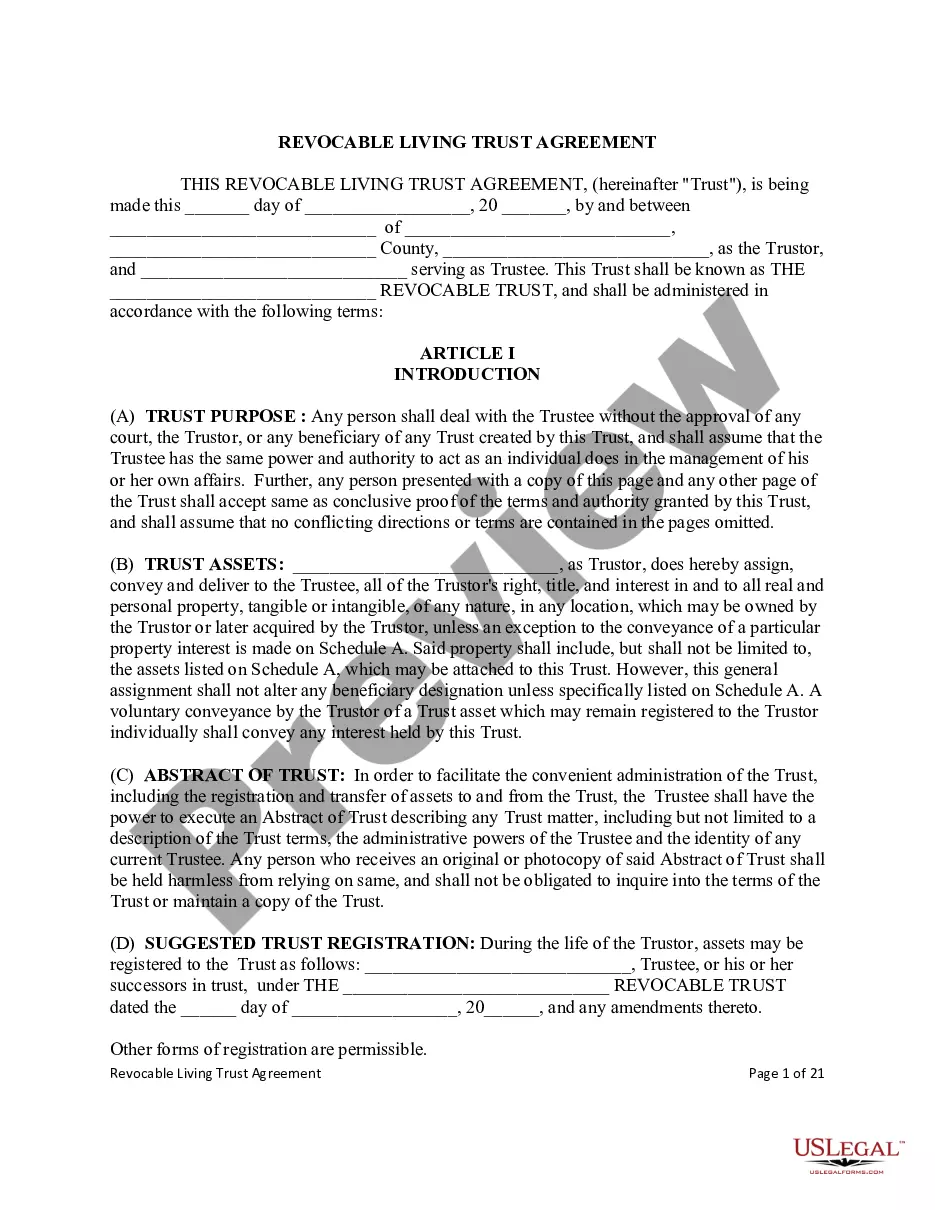




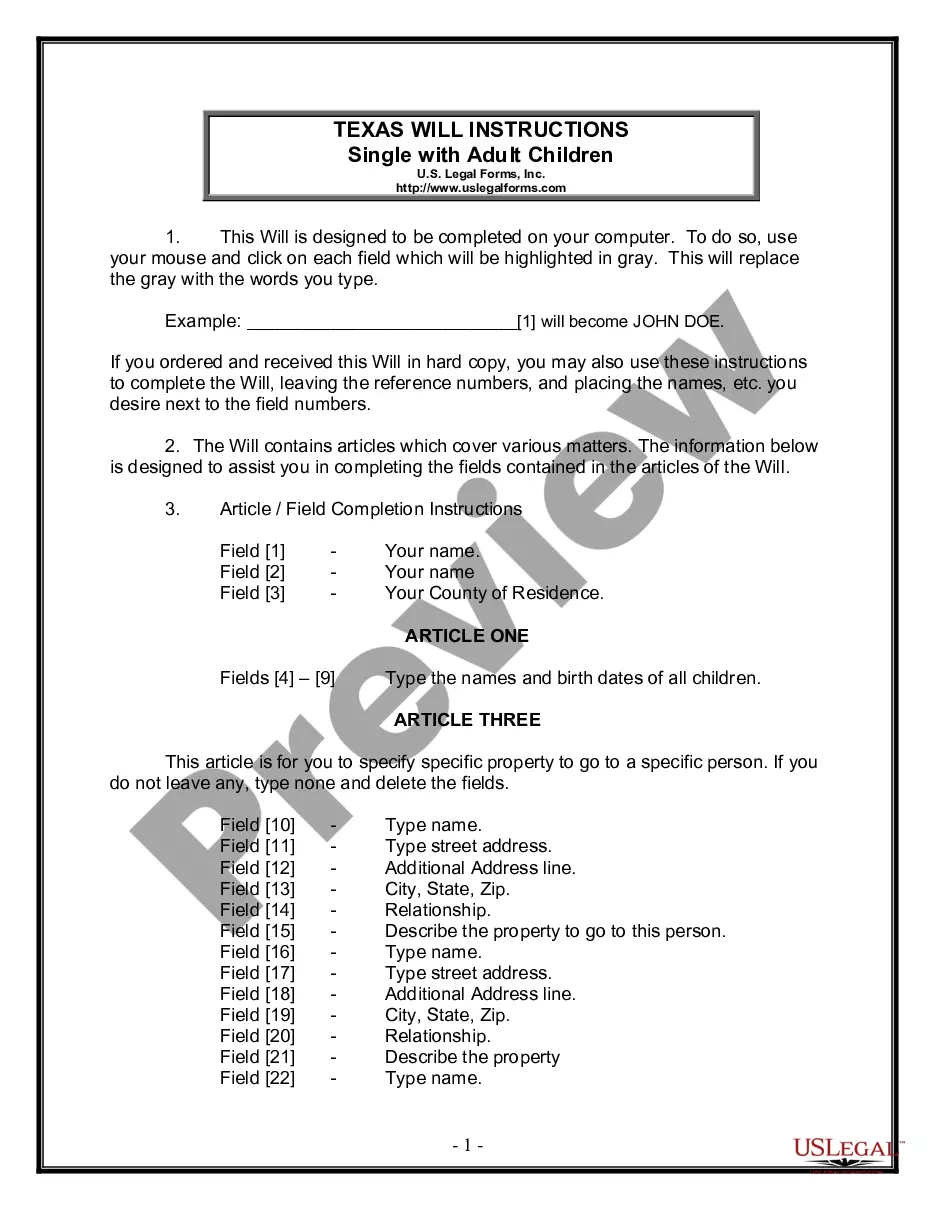

Form popularity
FAQ
All deeds must be filed with the County Recorder's Office. Affidavit of Property Value – Required for every deed or transfer of ownership (except for property that is transferred through quitclaim for no monetary exchange or for a nominal amount.
To establish a beneficiary deed in Arizona, the deed must: Grant the real estate property to a beneficiary designated by the owner of said property. Be recorded in the office of the county where the property is located. Be recorded in the county office before the property owner's death.
Cons To Using Beneficiary Deed Property transferred may be taxed. No asset protection. The beneficiary receives the property without protection from creditors, divorces, and lawsuits. Medicaid eligibility.
You must sign the deed and get your signature notarized, and then record (file) the deed with the recorder's office before your death. Otherwise, it won't be valid. You can make an Arizona beneficiary deed with WillMaker.
Unless you have a complex situation or have specific concerns, you likely won't need a lawyer to create a TOD deed. But you will need to make sure that the TOD deed you make is valid in your state, since each state's rules are a little different.
Stephen Richer is the 30th Recorder of Maricopa County. He was elected in November 2020 and took office January 2021. Prior to his election as Recorder, Stephen worked as a lawyer and business person.
Recording Requirements Each document must have original signatures or carbon copies of original signatures, except when otherwise provided by law. Each document must be no larger than 8 1/2 inches wide by 14 inches long, and shall have a print size no smaller than ten point type.
To start your deed search, first determine the county covering the land at the time the deed was made. Then contact that county recorders office. All Arizona counties have at least some land records online, check the websites below.
How do I get a copy of my deed? Documents recorded with the Maricopa County Recorder's Office are available and searchable through the Maricopa County Recorded Document Search. To locate a copy of your deed, search using your last name and first name.
A deed of trust is normally recorded with the recorder or county clerk for the county where the property is located as evidence of and security for the debt. The act of recording provides constructive notice to the world that the property has been encumbered.
