Change Deed Trust Without Spouse In Kings
Description

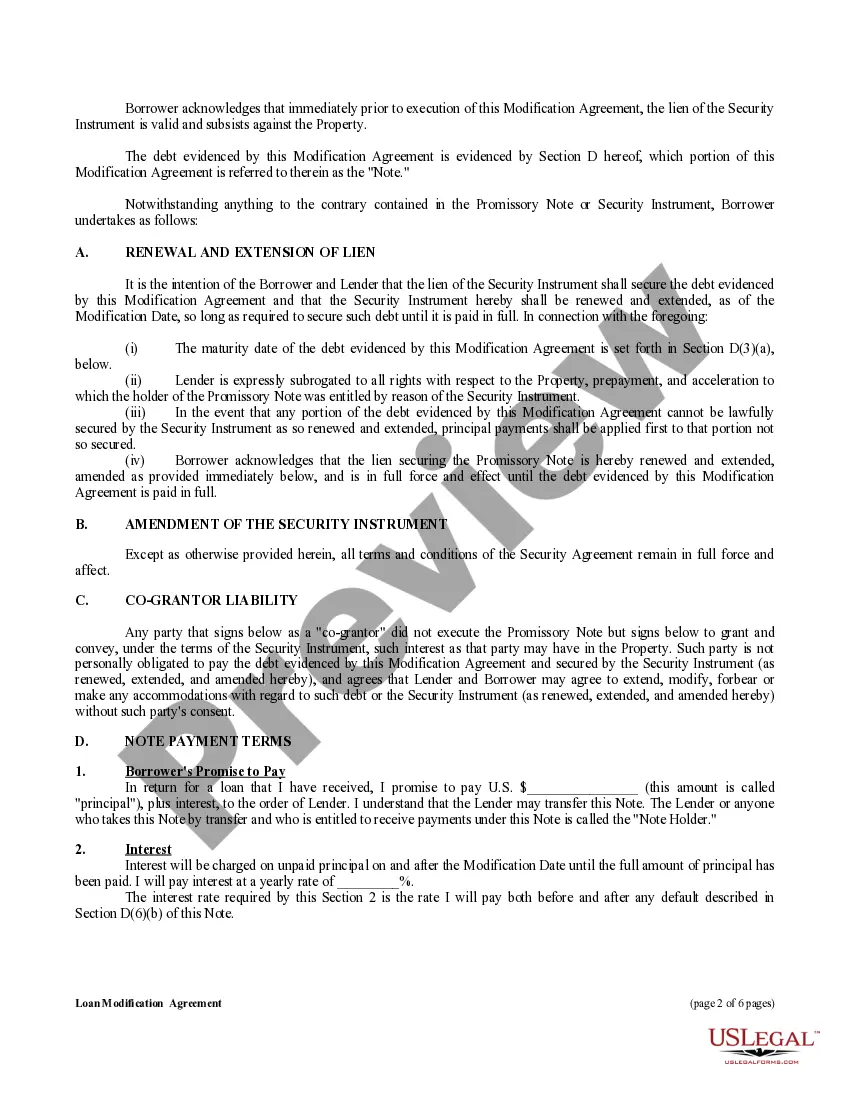
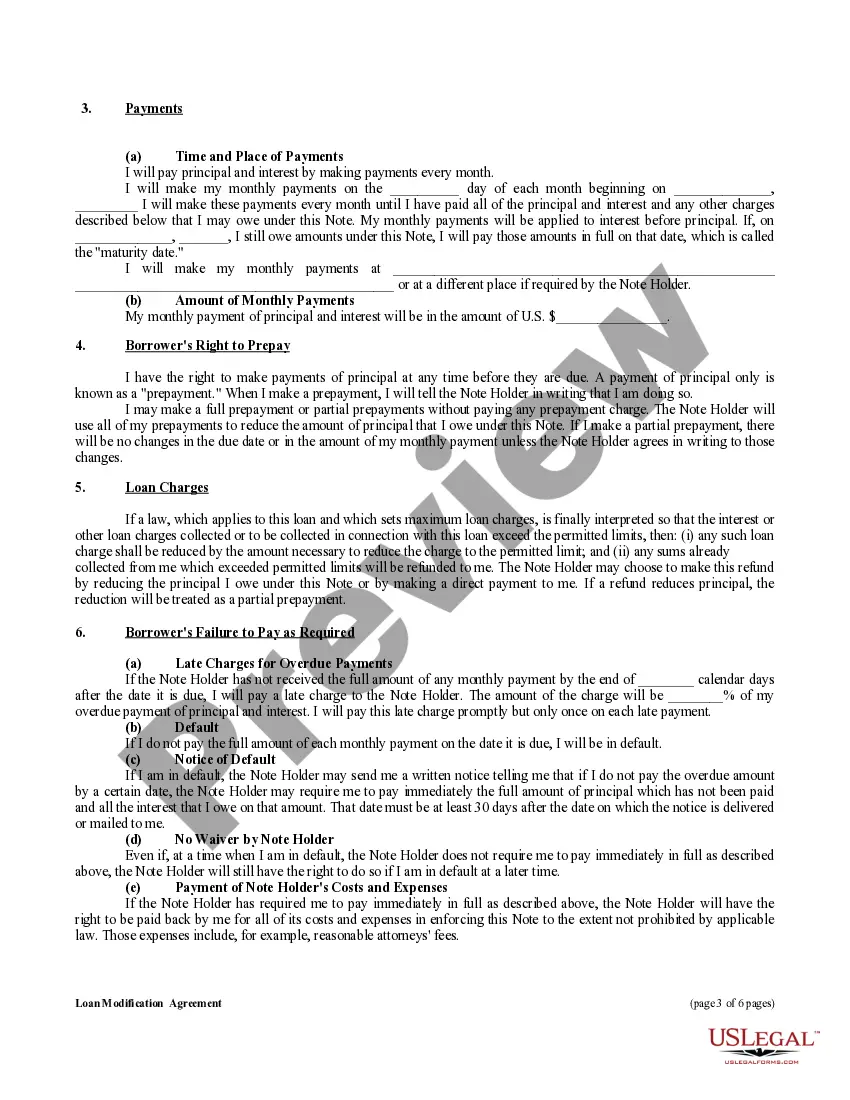
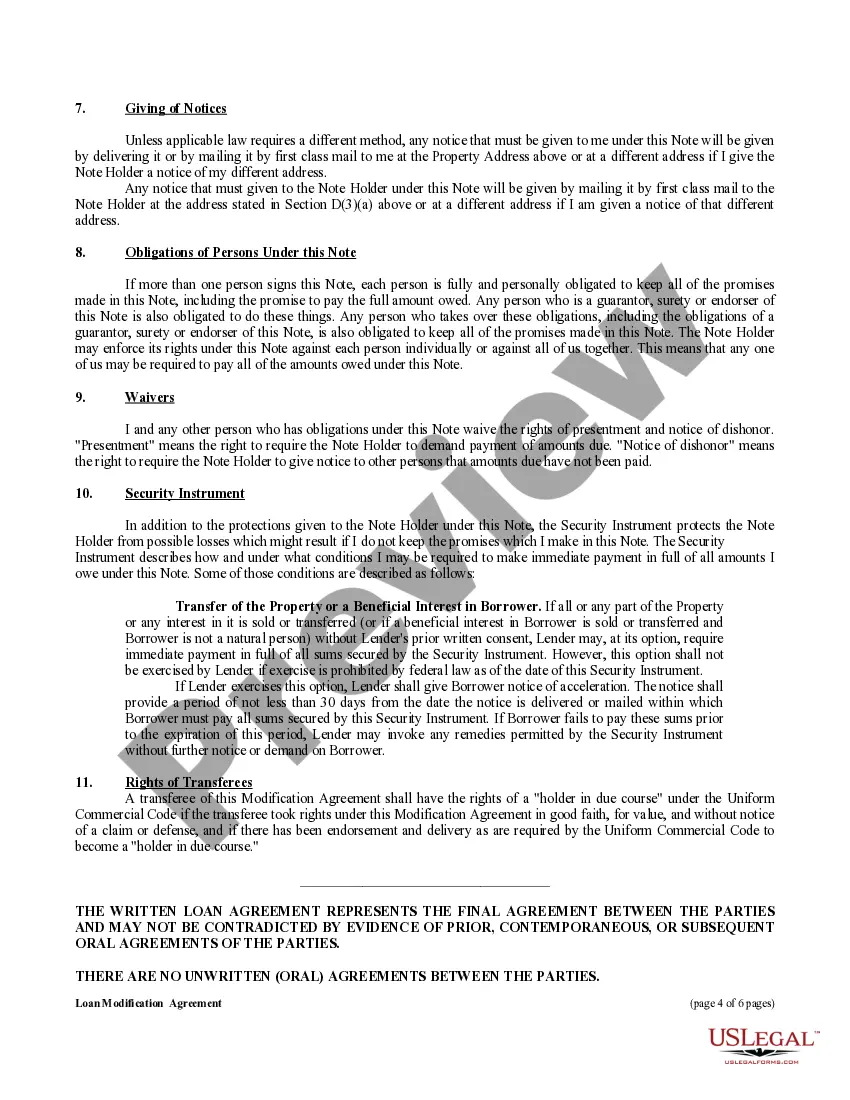
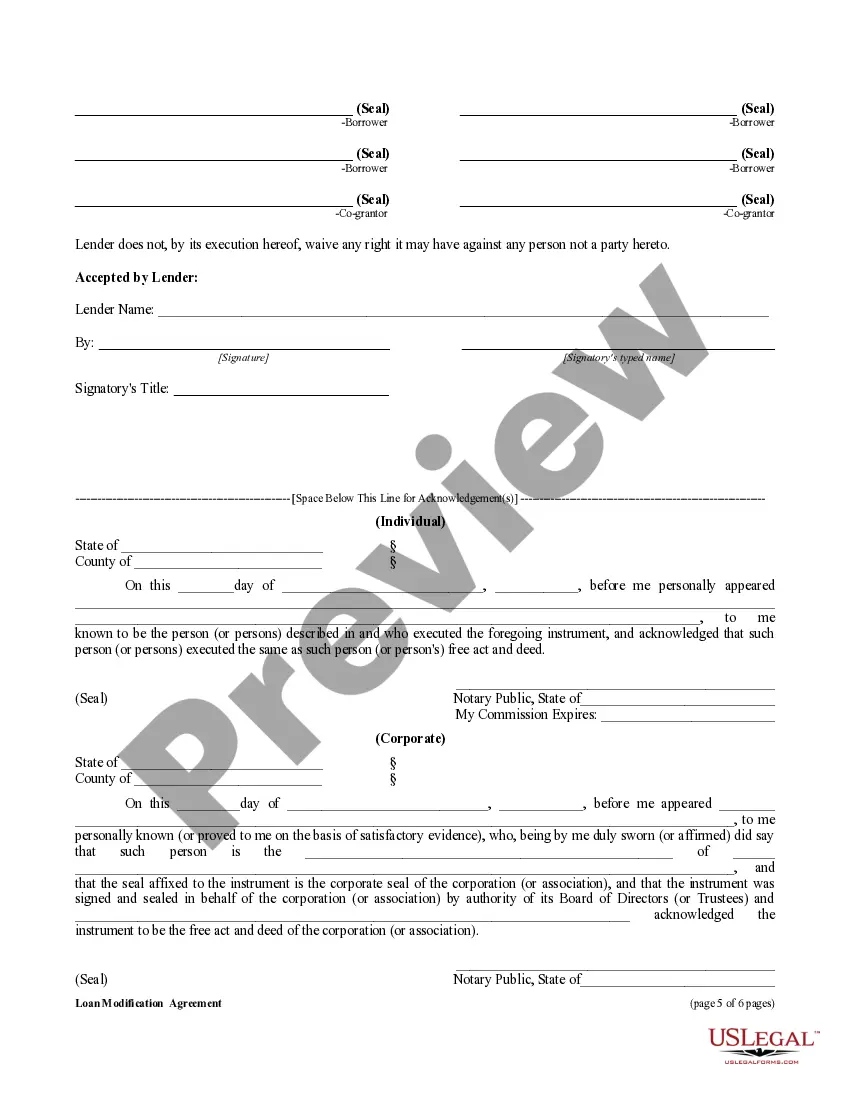


Get your form ready online
Our built-in tools help you complete, sign, share, and store your documents in one place.
Make edits, fill in missing information, and update formatting in US Legal Forms—just like you would in MS Word.
Download a copy, print it, send it by email, or mail it via USPS—whatever works best for your next step.
Sign and collect signatures with our SignNow integration. Send to multiple recipients, set reminders, and more. Go Premium to unlock E-Sign.
If this form requires notarization, complete it online through a secure video call—no need to meet a notary in person or wait for an appointment.
We protect your documents and personal data by following strict security and privacy standards.

Make edits, fill in missing information, and update formatting in US Legal Forms—just like you would in MS Word.

Download a copy, print it, send it by email, or mail it via USPS—whatever works best for your next step.

Sign and collect signatures with our SignNow integration. Send to multiple recipients, set reminders, and more. Go Premium to unlock E-Sign.

If this form requires notarization, complete it online through a secure video call—no need to meet a notary in person or wait for an appointment.

We protect your documents and personal data by following strict security and privacy standards.
Looking for another form?

Form popularity
FAQ
Typically, altering a deed requires mutual consent, making unauthorized removal unlikely. If fraudulent activities are detected, unauthorized changes can render the deed invalid, leading to potential losses for all parties involved.
You, the grantor, cannot change the trust but if the trustee and all beneficiaries agree on changes, the trust can be changed with court approval. There are usually a number of conditions that need to be met, however, to get court approval. The court may deny a request to make changes.
Amending a trust deed is process that should be treated as requiring careful planning, consideration and intentionality. Indeed, unintended (and undesirable) consequences can flow from a purported trust amendment that has been undertaken with such consideration, such as a resettlement of the trust.
To change the trust deed itself, you must execute a deed of variation. This is a document that updates the relevant section of the original trust deed. The deed of variation forms part of the documentation of your discretionary trust and details how the trust deed has been changed over time.
In real estate law, "assignment" is simply the transfer of a deed of trust from one party to another.
The general answer is yes—but you need the person's permission. However, there are certain situations where you can remove someone from a deed without their authorization. Whether you have the person's consent or not, you should consult with a lawyer who can help you with the process.
If the person to be removed is alive, then you will need a court order or their cooperation such that you can record a new deed that removes them. Quitclaim and warranty deeds are common solutions. If an owner of a property has passed away, you will need to transfer the property to the living owners.
In this instance, the spouse can change a trust after death, but only the survivor's trust, not the bypass trust. However, certain states have laws — such as California's Uniform Trust Decanting Act — that provide the spouse an avenue for altering the bypass trust.
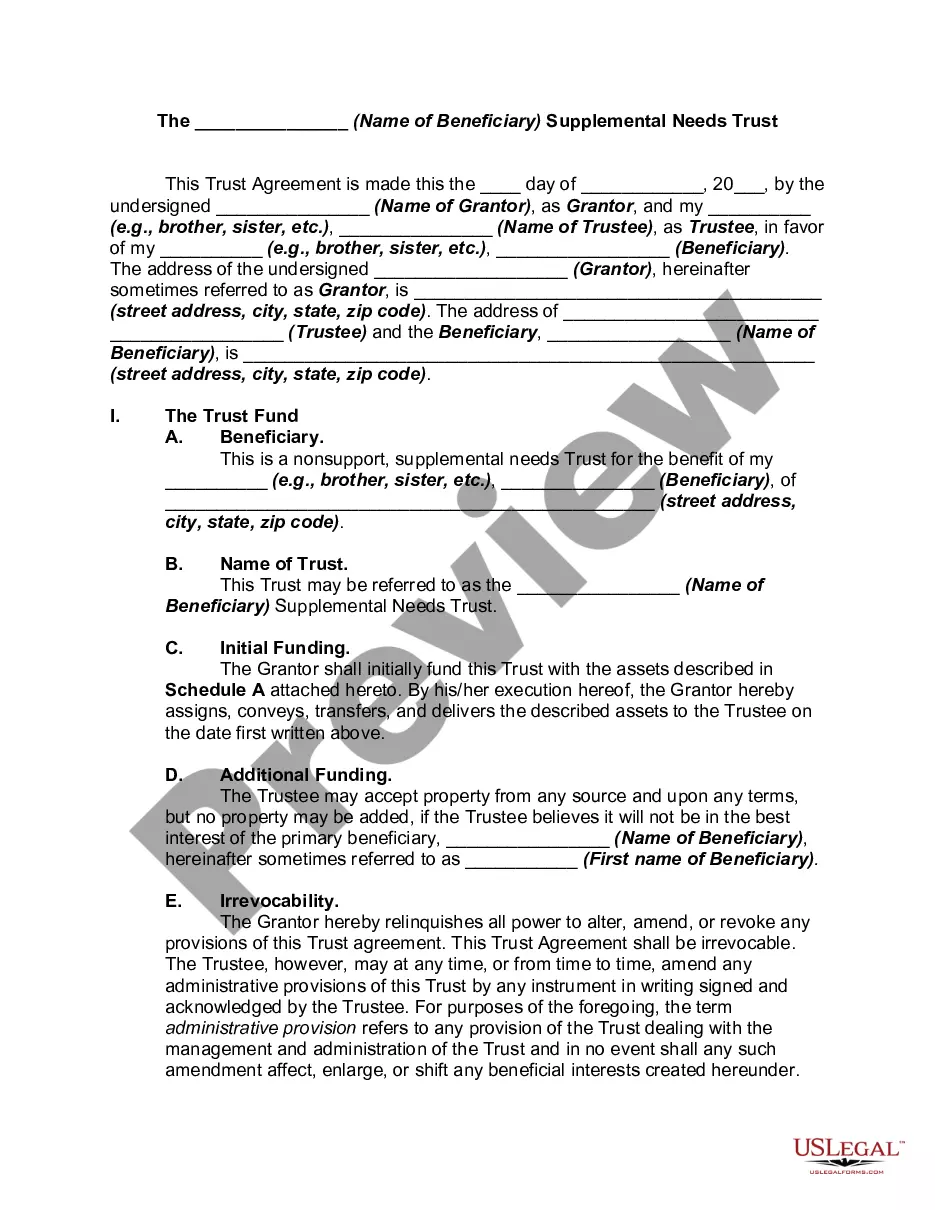
Yes, you can create a trust without your spouse. This is often done to maintain control over assets or protect inheritances for children from a prior marriage.
