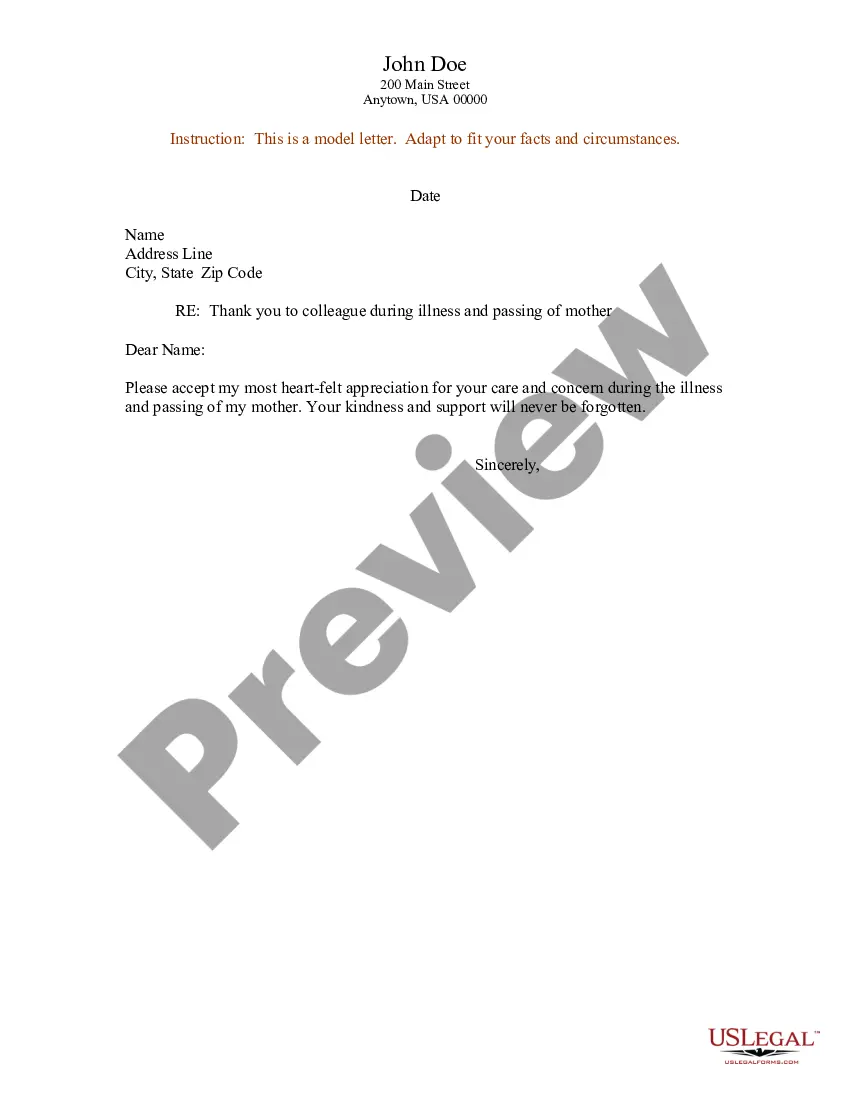
Deed Of Trust Without Promissory Note In Collin
Description

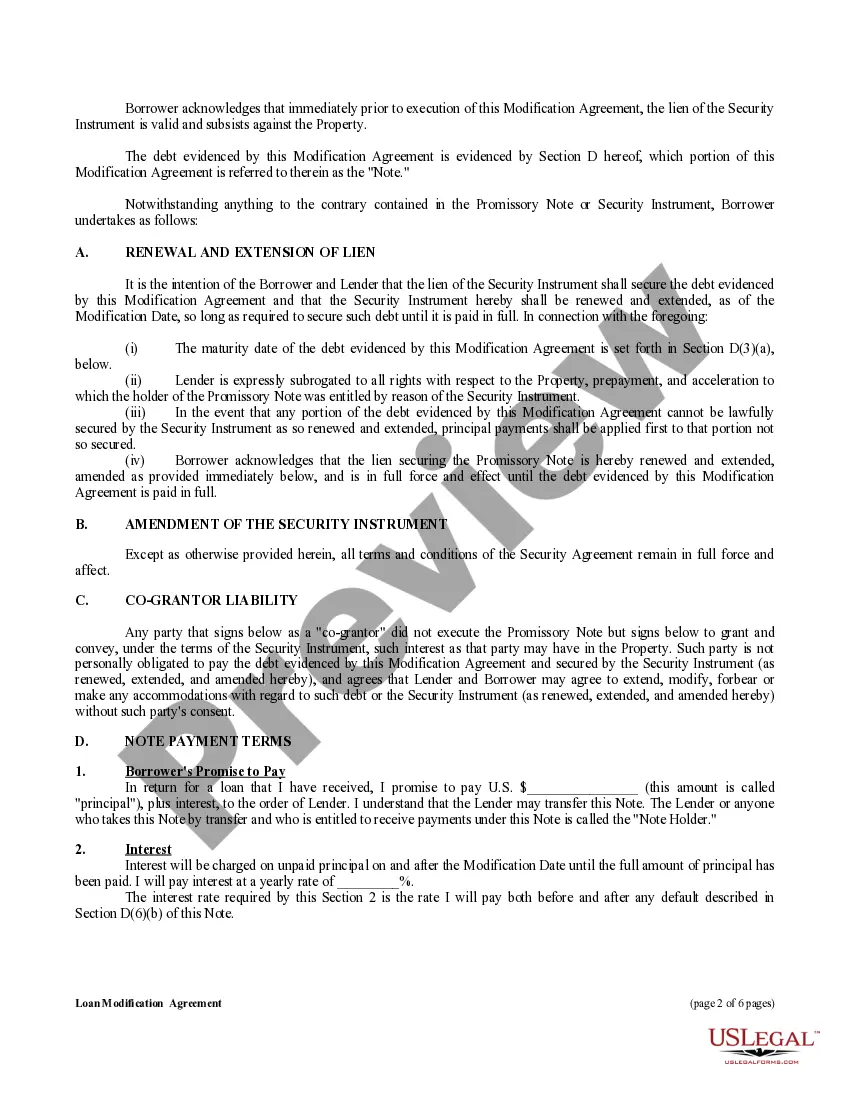
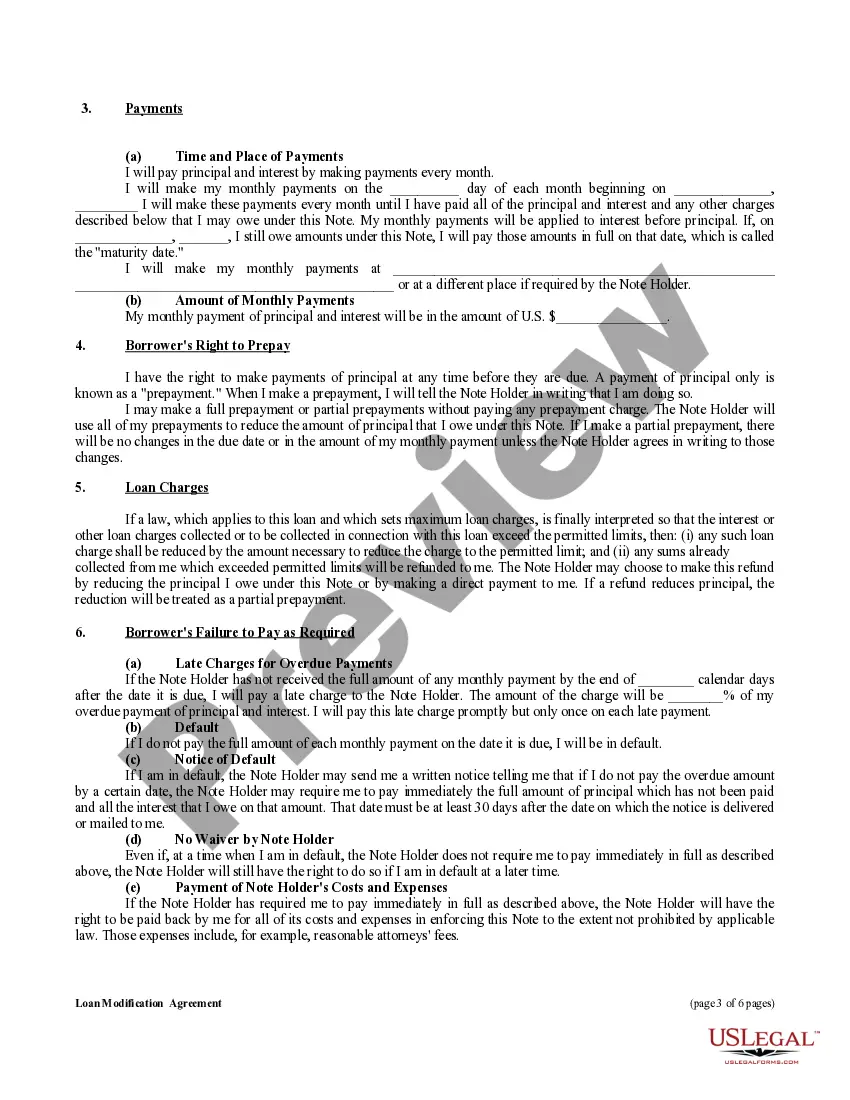
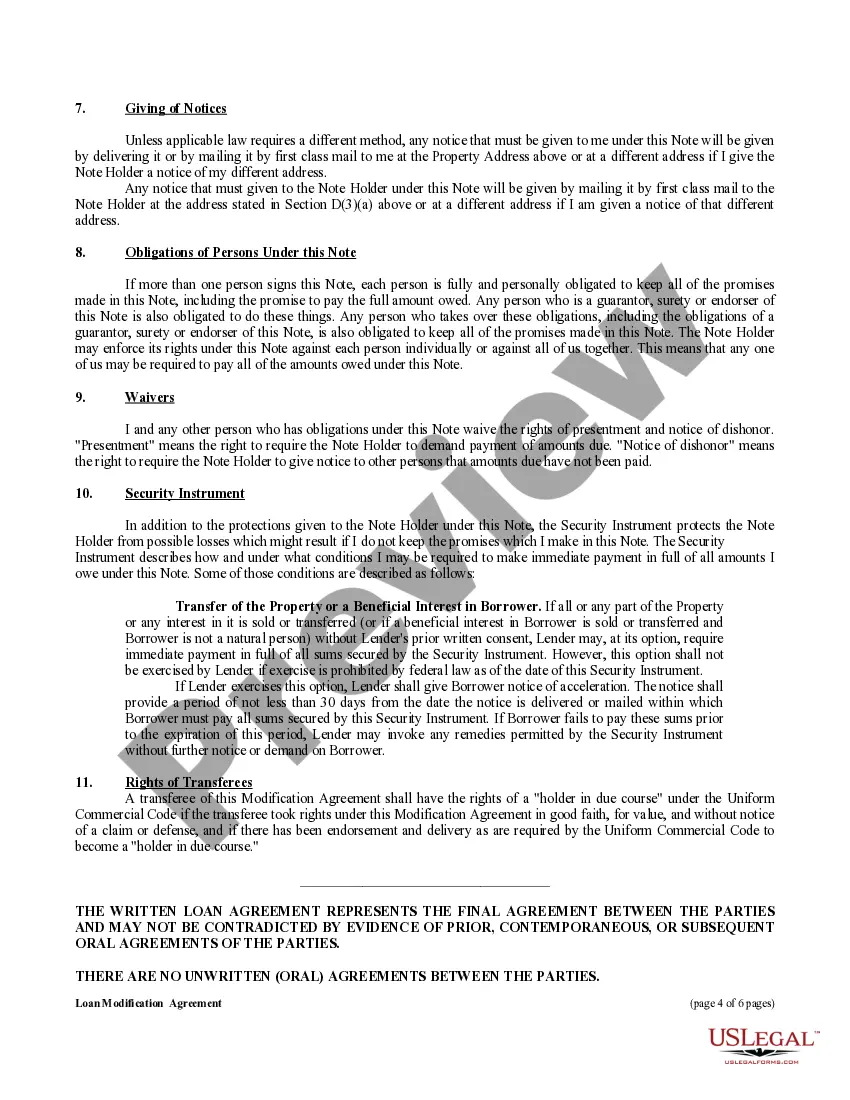
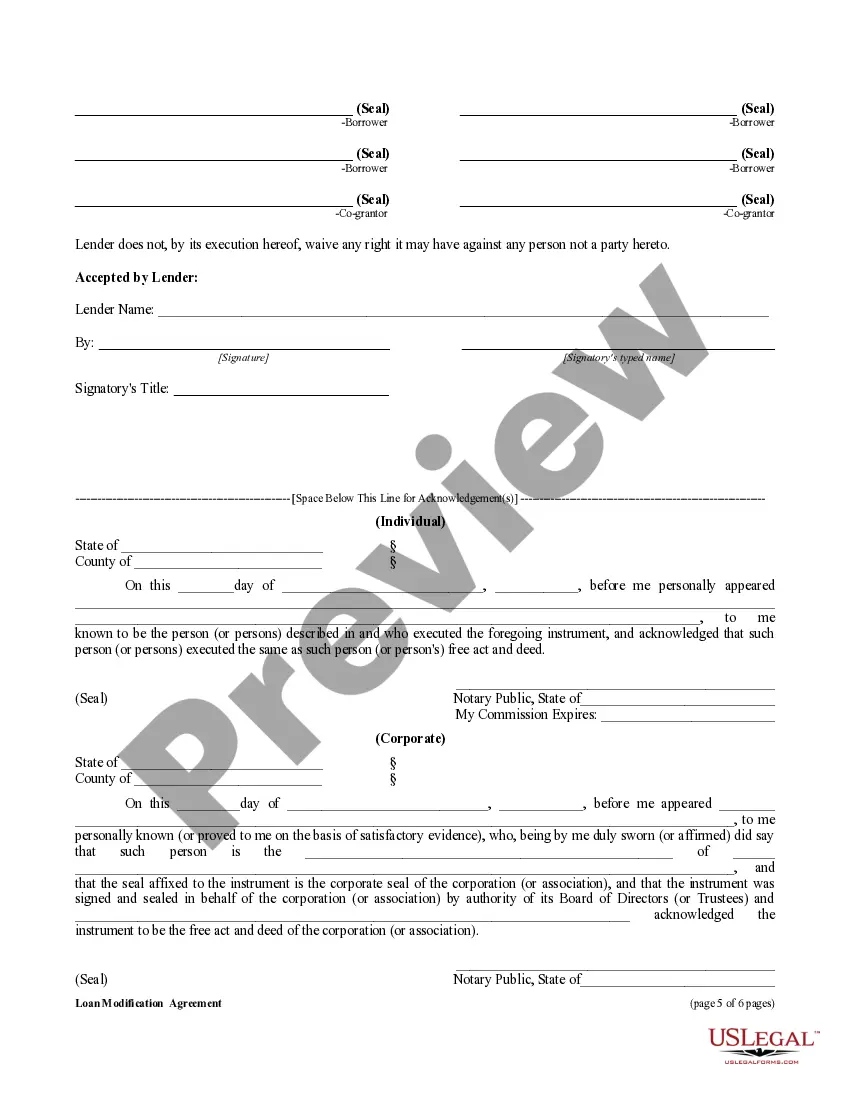


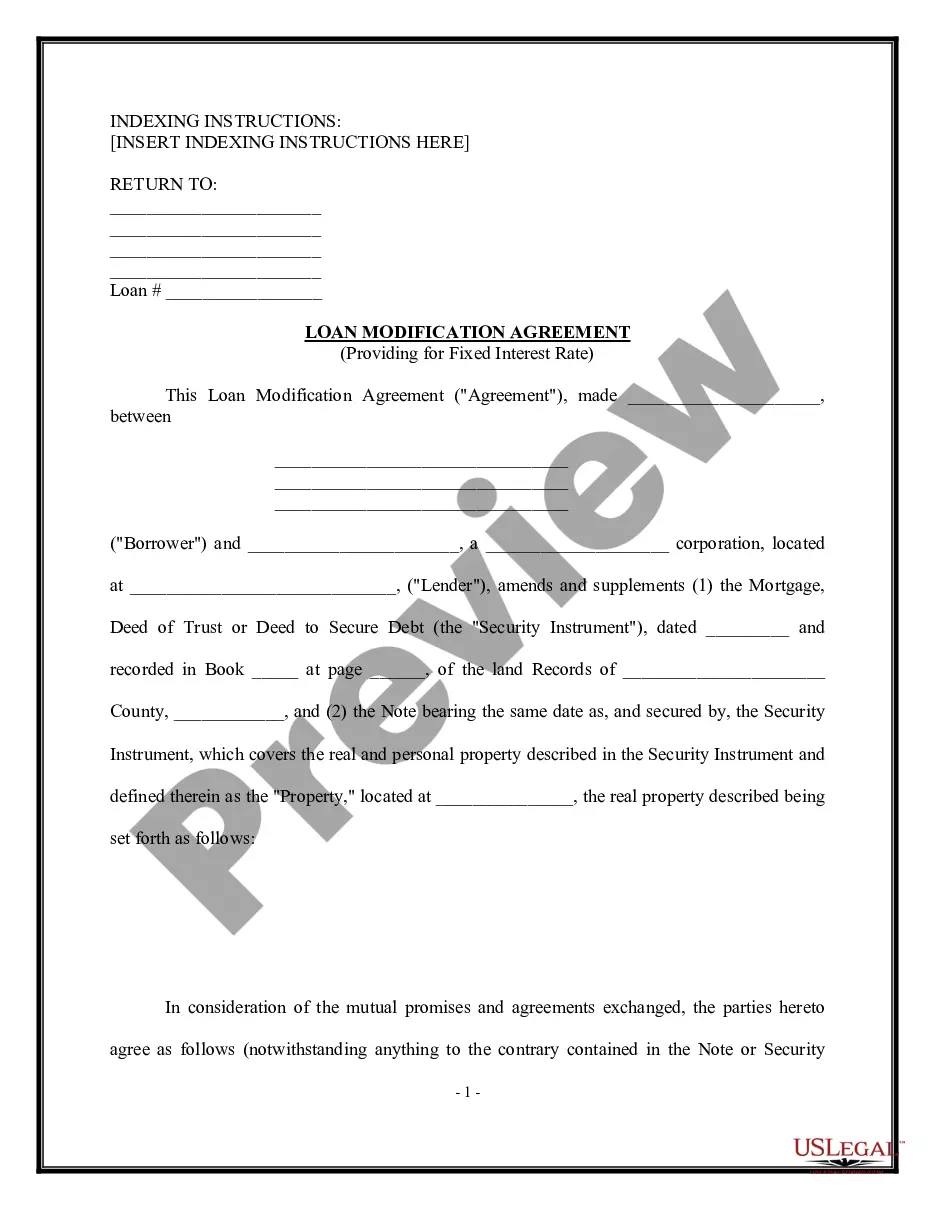
Get your form ready online
Our built-in tools help you complete, sign, share, and store your documents in one place.
Make edits, fill in missing information, and update formatting in US Legal Forms—just like you would in MS Word.
Download a copy, print it, send it by email, or mail it via USPS—whatever works best for your next step.
Sign and collect signatures with our SignNow integration. Send to multiple recipients, set reminders, and more. Go Premium to unlock E-Sign.
If this form requires notarization, complete it online through a secure video call—no need to meet a notary in person or wait for an appointment.
We protect your documents and personal data by following strict security and privacy standards.

Make edits, fill in missing information, and update formatting in US Legal Forms—just like you would in MS Word.

Download a copy, print it, send it by email, or mail it via USPS—whatever works best for your next step.

Sign and collect signatures with our SignNow integration. Send to multiple recipients, set reminders, and more. Go Premium to unlock E-Sign.

If this form requires notarization, complete it online through a secure video call—no need to meet a notary in person or wait for an appointment.

We protect your documents and personal data by following strict security and privacy standards.
Looking for another form?


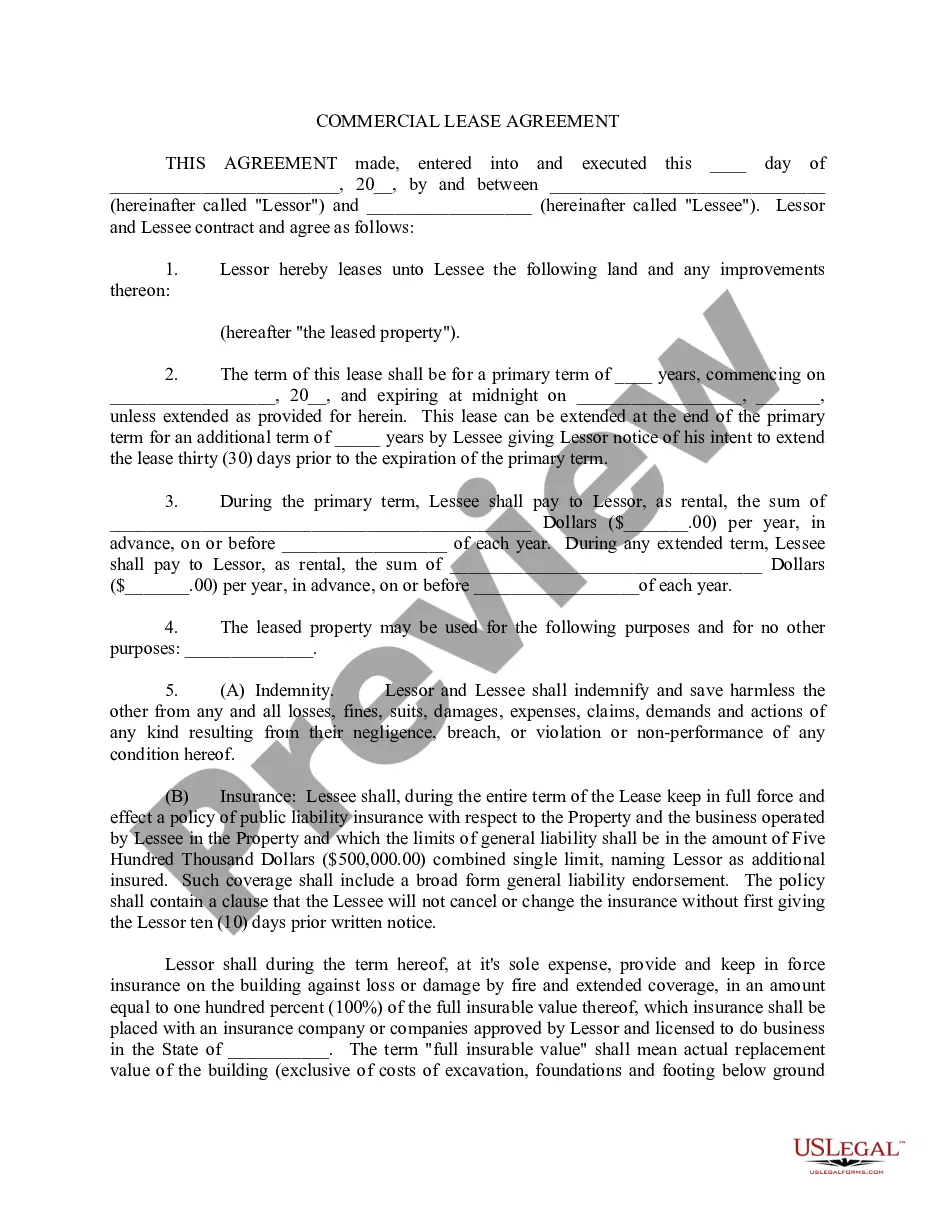
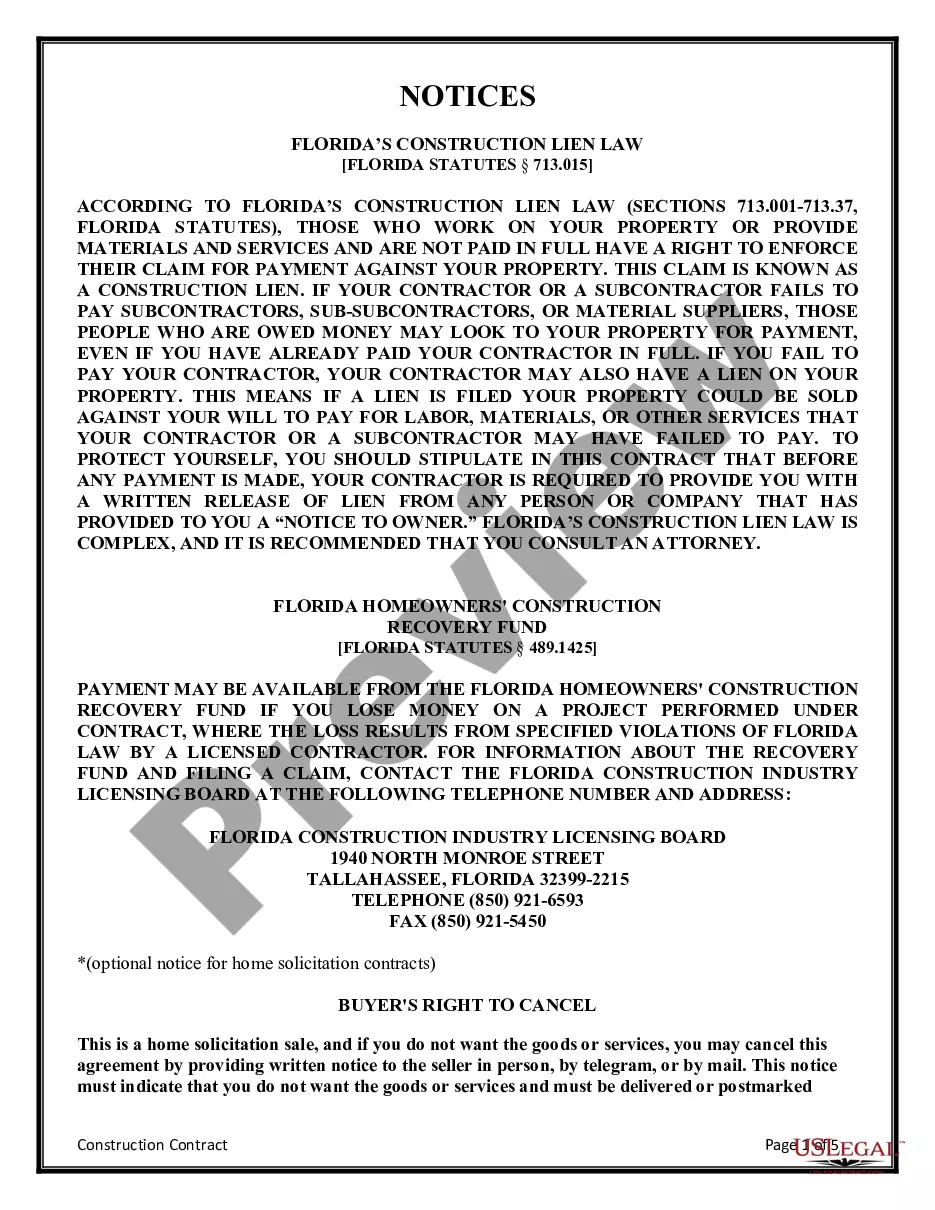


Form popularity
FAQ
Where to Get a Deed of Trust? To get a Deed of Trust, you must file the proper paperwork with the proper court as generally outlined above. These documents must be filed with the county clerk or recorder, and the lender typically sends them to the recording office after the property closing.
Who holds the mortgage note? As the borrower, you'll receive a copy of your mortgage note at closing, not the original. The original mortgage note is held by your mortgage lender or servicer until (or unless) the lender sells it on the secondary market. Most lenders do this relatively quickly after closing.
Example: When used in a real estate transaction, the promissory note covers the promise to repay the amount owed, interest, and maturity date — while the deed of trust or mortgage outlines the other responsibilities of the parties involved more precisely.
In a deed of trust, the borrower (trustor) transfers the Property, in trust, to an independent third party (trustee) who holds conditional title on behalf of the lender or note holder (beneficiary) for the purpose of exercising the following powers: (1) to reconvey the deed of trust once the borrower satisfies all ...
So, put simply, if your deed was not recorded or you have discovered unrecorded deeds in your chain of title, there is no need to worry. The deeds themselves will still be valid and you can file correction instruments to correct any mistakes.
The deed of trust must then be recorded with the county where the property is located, and each of the parties (the trustor, trustee, and lender) should keep a copy of the recorded document.
When a deed of trust is used as a security instrument, who holds the deed and the note? The trustee holds the deed, and the lender holds the note.
Texas doesn't require you to record your trust. As long as it's signed, notarized, and properly funded, it's valid.
You do not have to record the deed to make the transfer valid between the parties. However, as described above, the grantee will want to record the deed as soon as possible after receiving delivery.