Deed Of Trust With Mortgage In Arizona
Description
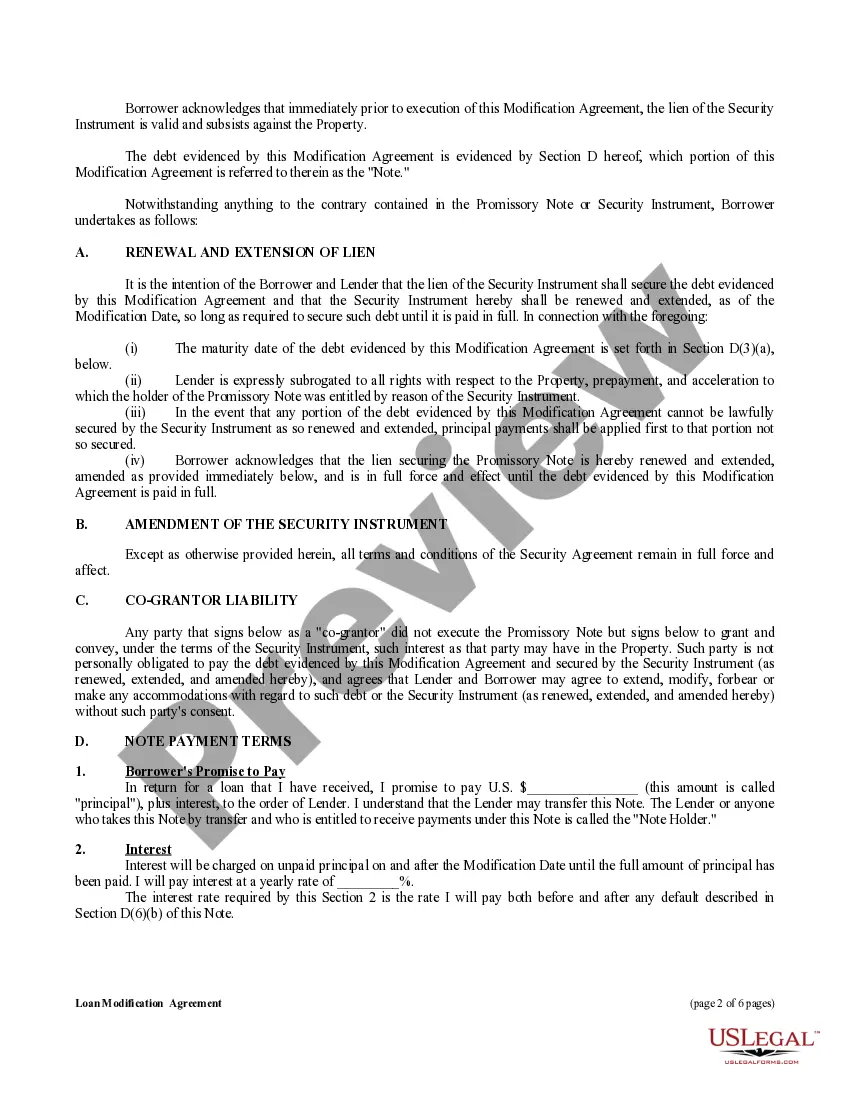
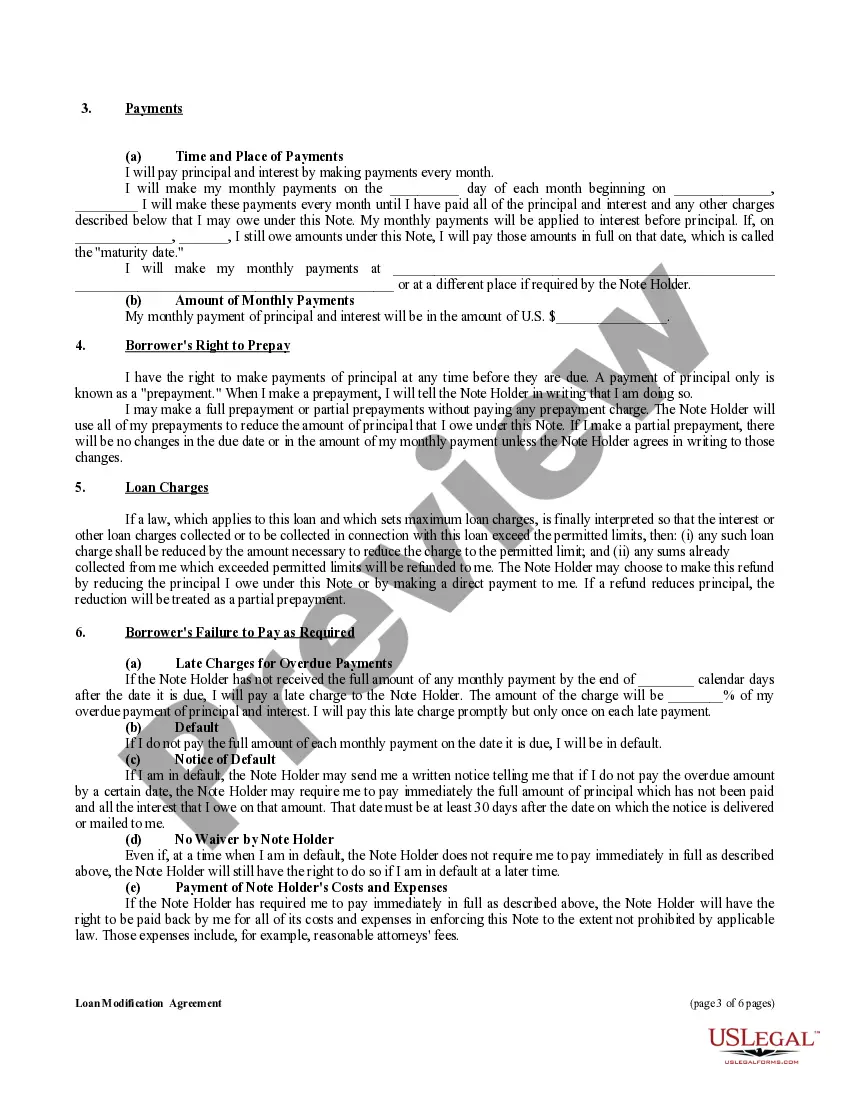
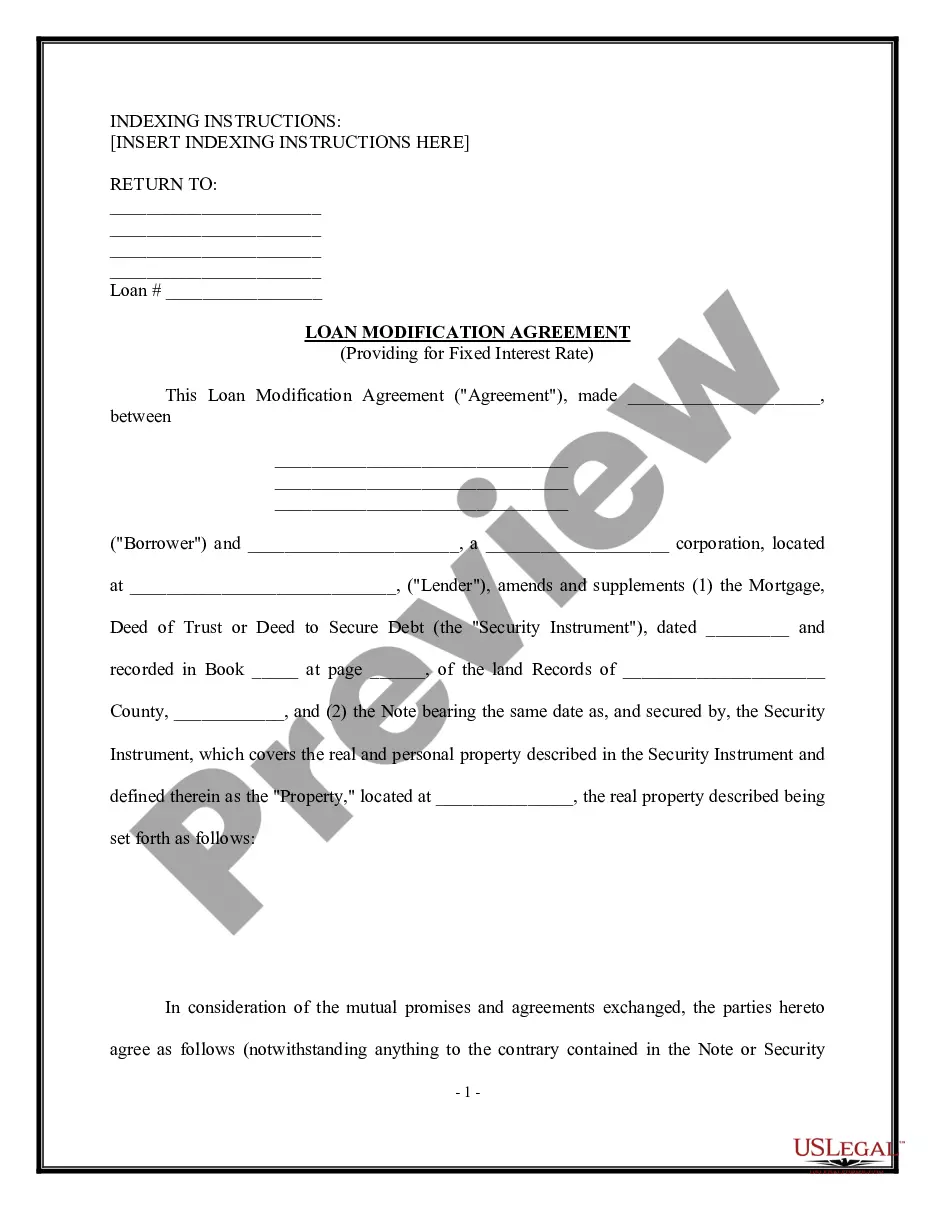
Get your form ready online
Our built-in tools help you complete, sign, share, and store your documents in one place.
Make edits, fill in missing information, and update formatting in US Legal Forms—just like you would in MS Word.
Download a copy, print it, send it by email, or mail it via USPS—whatever works best for your next step.
Sign and collect signatures with our SignNow integration. Send to multiple recipients, set reminders, and more. Go Premium to unlock E-Sign.
If this form requires notarization, complete it online through a secure video call—no need to meet a notary in person or wait for an appointment.
We protect your documents and personal data by following strict security and privacy standards.

Make edits, fill in missing information, and update formatting in US Legal Forms—just like you would in MS Word.

Download a copy, print it, send it by email, or mail it via USPS—whatever works best for your next step.

Sign and collect signatures with our SignNow integration. Send to multiple recipients, set reminders, and more. Go Premium to unlock E-Sign.

If this form requires notarization, complete it online through a secure video call—no need to meet a notary in person or wait for an appointment.

We protect your documents and personal data by following strict security and privacy standards.
Looking for another form?
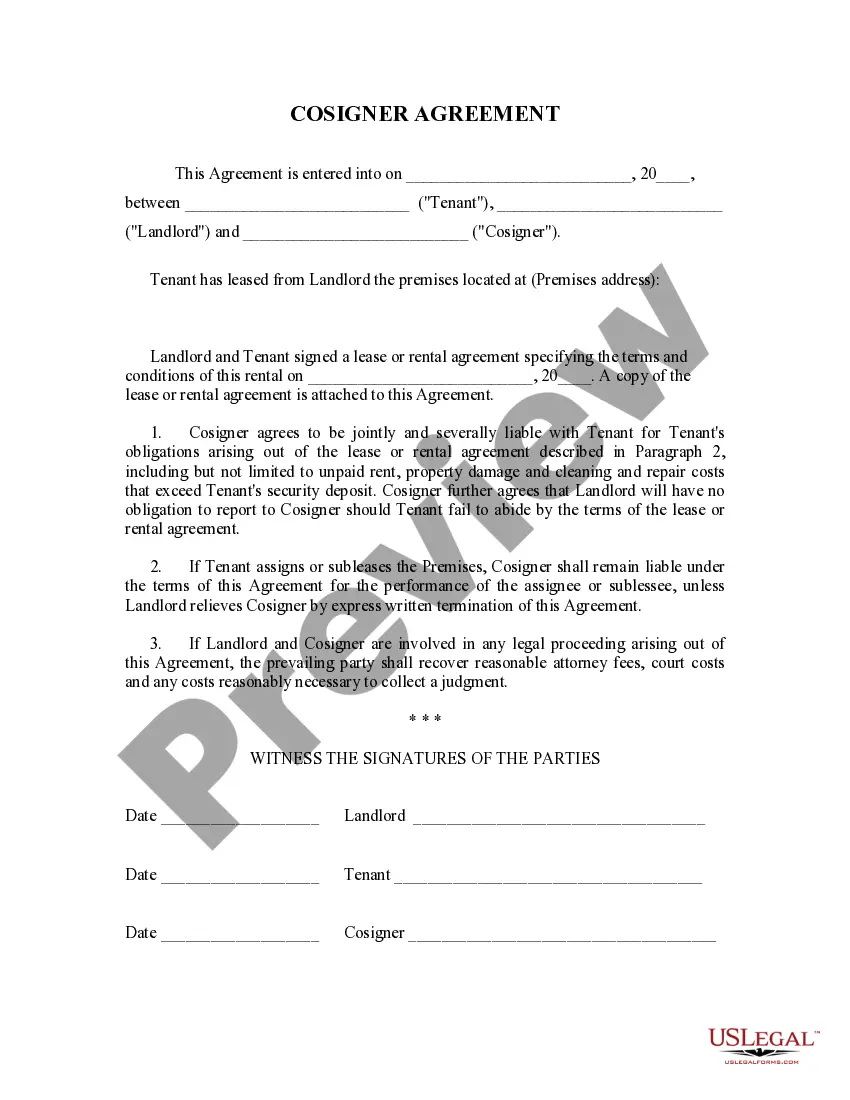
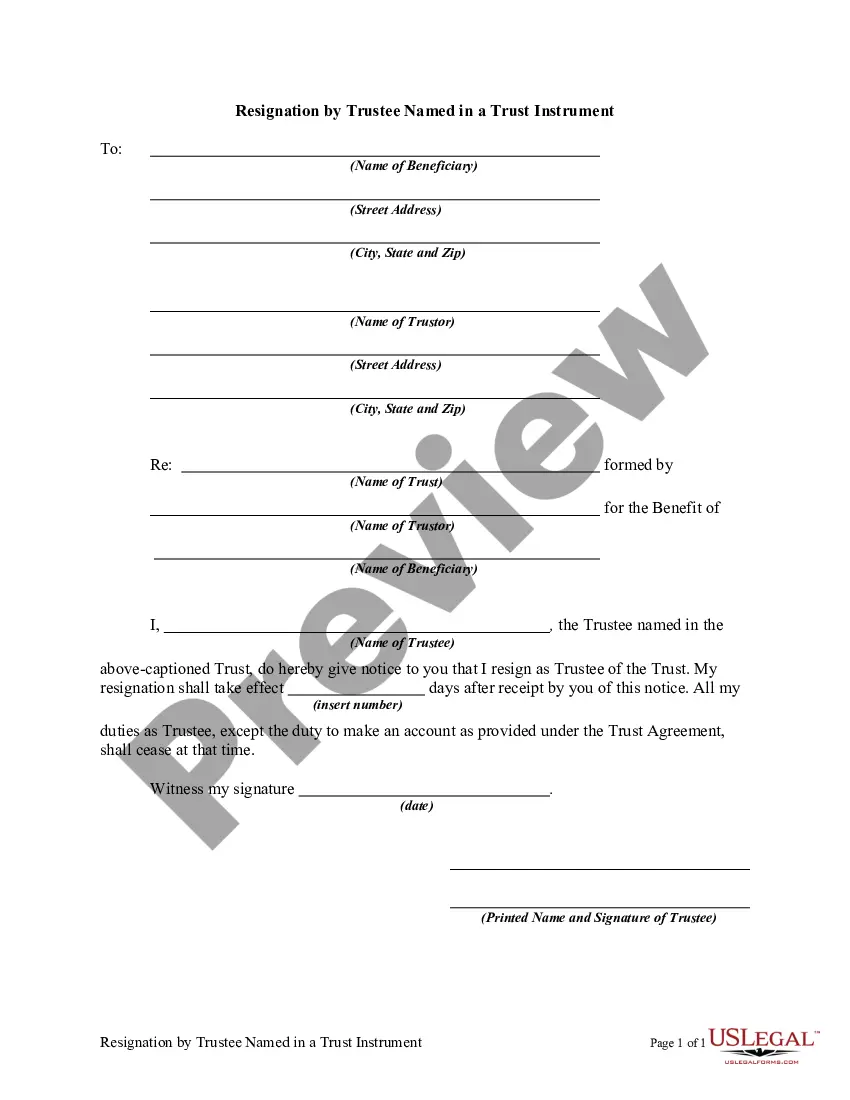

Form popularity
FAQ
If your name is on the deed but not on the mortgage, your position is actually advantageous. The names on the deed of a house, not the mortgage, indicate ownership.
Deeds of trust are the most common instrument used in the financing of real estate purchases in Alaska, Arizona, California, Colorado, the District of Columbia, Idaho, Maryland, Mississippi, Missouri, Montana, Nebraska, Nevada, North Carolina, Oregon, Tennessee, Texas, Utah, Virginia, Washington, and West Virginia, ...
The Deed of Trust is the primary security document used in Arizona. There are many similarities between the Deed of Trust and the Mortgage, which is what most Iowa property owners are familiar with, but there are significant differences as well, which a prospective owner should be aware of before buying in Arizona.
A few states let lenders use both trust deeds and mortgages. Still, even in these states, your lender will choose which document you'll have to sign.
You, as the homeowner, typically hold the house deed to your property, even with a mortgage. The house deed and mortgage are separate legal documents with different purposes.
Signatures: The Deed of Trust must be signed by the Trustor. In certain instances, the Trustee and Beneficiary may also sign the document to formally acknowledge their respective roles. Notarization: To verify the authenticity of the signatures and the document itself, it must be notarized as it is a recorded document.
It is possible to create your own self-service trust document using forms downloaded from the internet. But you can also consult with a trust or tax attorney. Considering the tax implications of a trust and the best way to structure it before creating it can help you make the most of your estate.
In many states, lenders use conventional mortgages as the primary security document for the underlying property during a real estate transaction. However, if you are buying a home in Arizona, you are likely to use a Deed of Trust as security for the property.
To transfer real property into your Trust, a new deed reflecting the name of the Trust must be executed, notarized and recorded with the County Recorder in the County where the property is located. Care must be taken that the exact legal description in the existing deed appears on the new deed.
A trust is a contractual agreement that allows a third party (the trustee) to hold assets for the beneficiaries of the owner of the trust (the settlor). In Arizona, many people choose to set up trusts to control how and when their assets are used, avoid probate, and protect their legacy.