Change Deed Trust With Someone You Hurt In Arizona
Description








Get your form ready online
Our built-in tools help you complete, sign, share, and store your documents in one place.
Make edits, fill in missing information, and update formatting in US Legal Forms—just like you would in MS Word.
Download a copy, print it, send it by email, or mail it via USPS—whatever works best for your next step.
Sign and collect signatures with our SignNow integration. Send to multiple recipients, set reminders, and more. Go Premium to unlock E-Sign.
If this form requires notarization, complete it online through a secure video call—no need to meet a notary in person or wait for an appointment.
We protect your documents and personal data by following strict security and privacy standards.

Make edits, fill in missing information, and update formatting in US Legal Forms—just like you would in MS Word.

Download a copy, print it, send it by email, or mail it via USPS—whatever works best for your next step.

Sign and collect signatures with our SignNow integration. Send to multiple recipients, set reminders, and more. Go Premium to unlock E-Sign.

If this form requires notarization, complete it online through a secure video call—no need to meet a notary in person or wait for an appointment.

We protect your documents and personal data by following strict security and privacy standards.
Looking for another form?
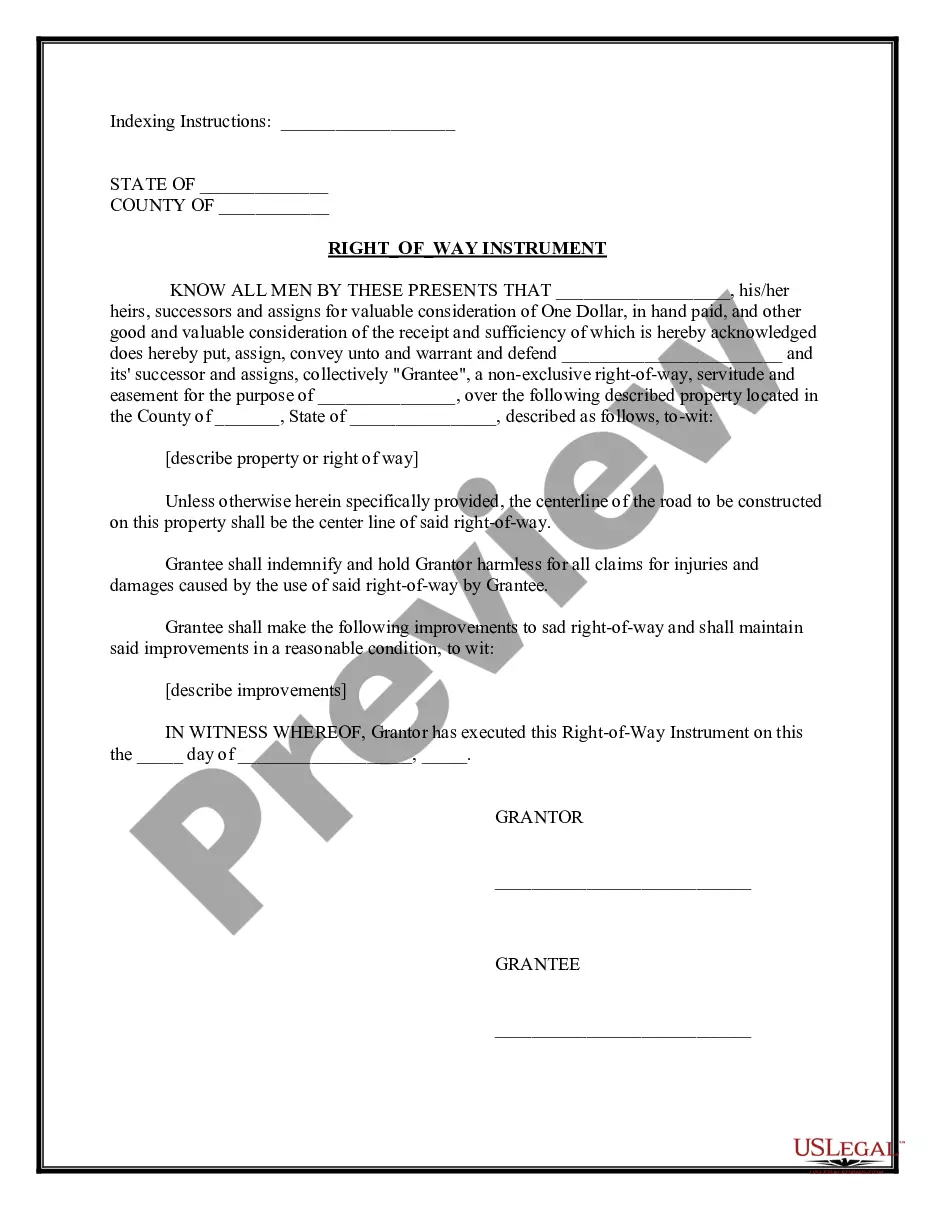
Form popularity
FAQ
If the person to be removed is alive, then you will need a court order or their cooperation such that you can record a new deed that removes them. Quitclaim and warranty deeds are common solutions. If an owner of a property has passed away, you will need to transfer the property to the living owners.
You will need to record a deed to either change the name or ownership. The deed will need to contain the complete legal description of the parcel you wish to convey. We recommend you have the deed notarized prior to recording it with the county recorder's office.
How long does a name change take? The time frame for completing a name change on a deed can vary by state and county. Once you have all the necessary documents, filing with the county recorder's office can be relatively quick, often within a few weeks to a few months.
To add someone to your house title, you must create a new deed that transfers the title of the property to both you and the other person.
To transfer ownership of a property to a relative in Arizona, it is necessary to complete and file a legal document known as a deed. The signed deed must then be recorded with the county's land records office where the property resides.
In real estate law, "assignment" is simply the transfer of a deed of trust from one party to another.
The grantor, or the current property owner, must sign the deed in the presence of a notary public. The grantor must also formally transfer the property from their name to the trust's name. This step solidifies the legal transfer and ensures that the living trust holds the property.
There are 5 steps to remove a name from the property deed: Discuss property ownership interests. Access a copy of your title deed. Complete, review and sign the quitclaim or warranty form. Submit the quitclaim or warranty form. Request a certified copy of your quitclaim or warranty deed.
Unless you have a complex situation or have specific concerns, you likely won't need a lawyer to create a TOD deed. But you will need to make sure that the TOD deed you make is valid in your state, since each state's rules are a little different.
To get title to the property after your death, the beneficiary must record a certified copy of the death certificate in the recorder's office. No probate is necessary. Use Nolo's Quicken WillMaker to make a beneficiary deed or transfer on death deed in any state that allows it.