Secured Debt Shall For Loan In Utah
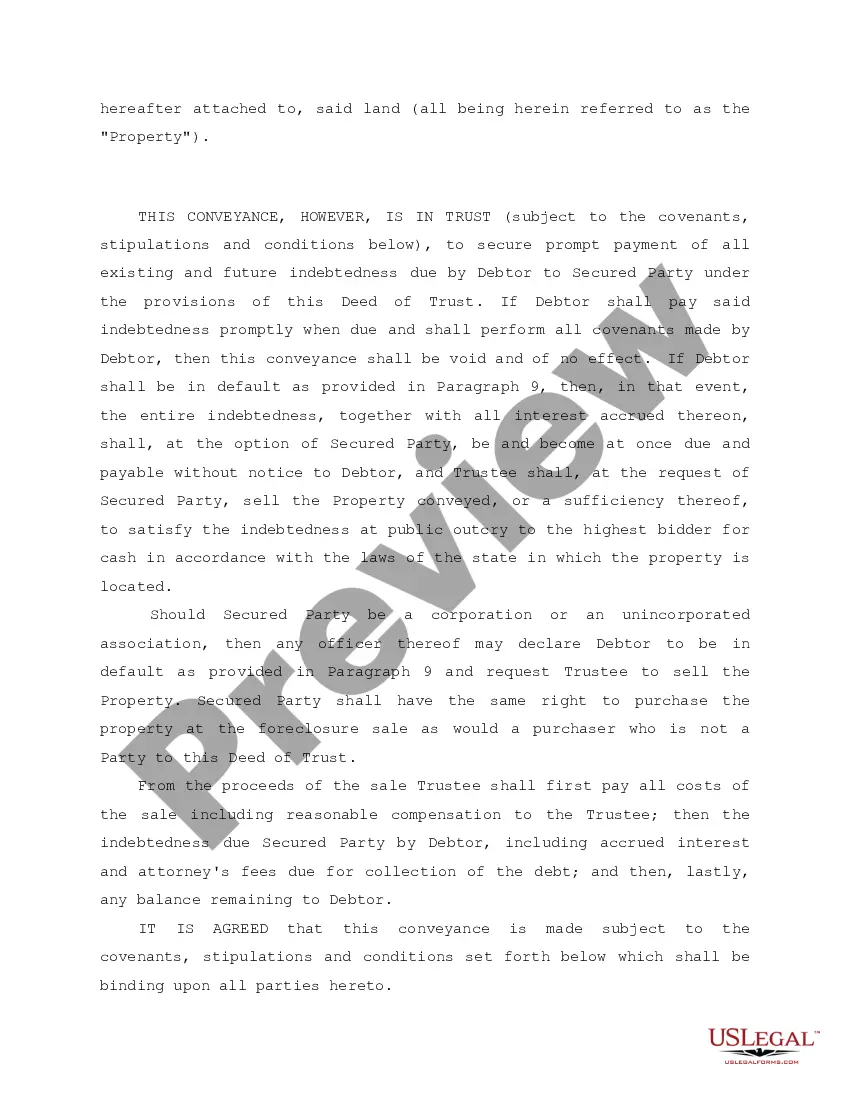
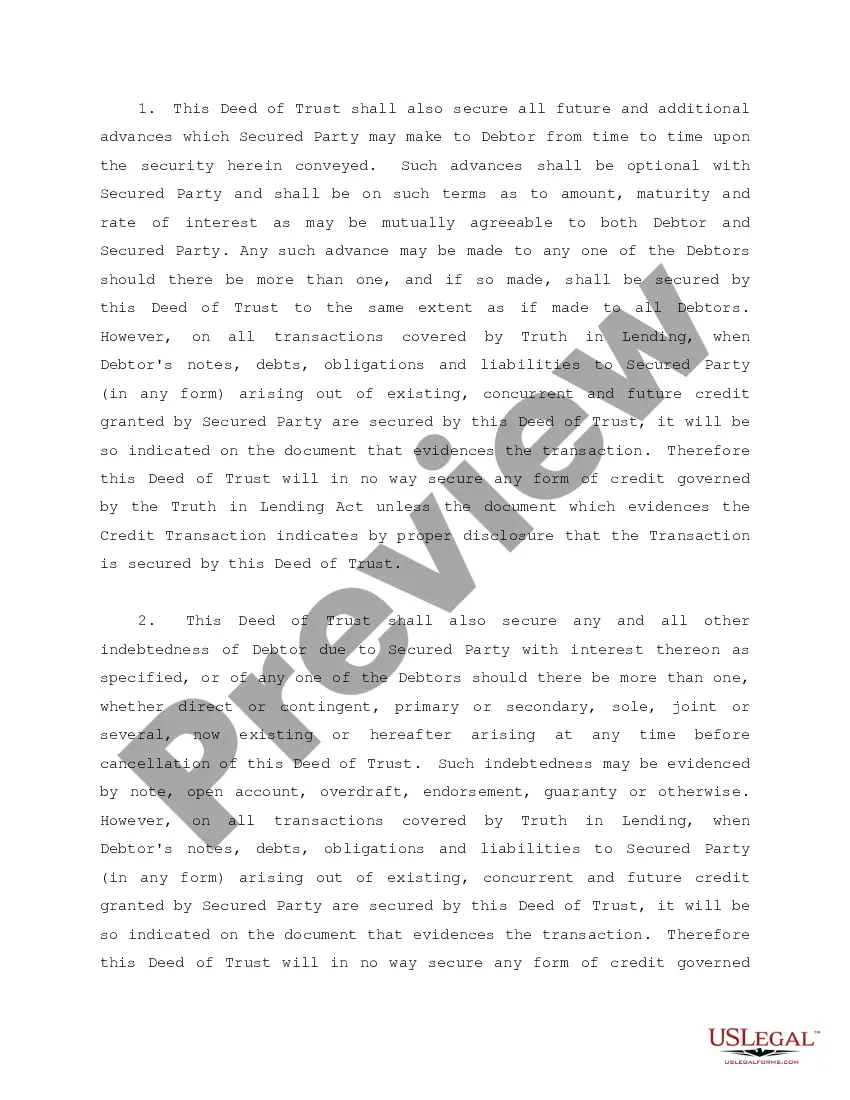
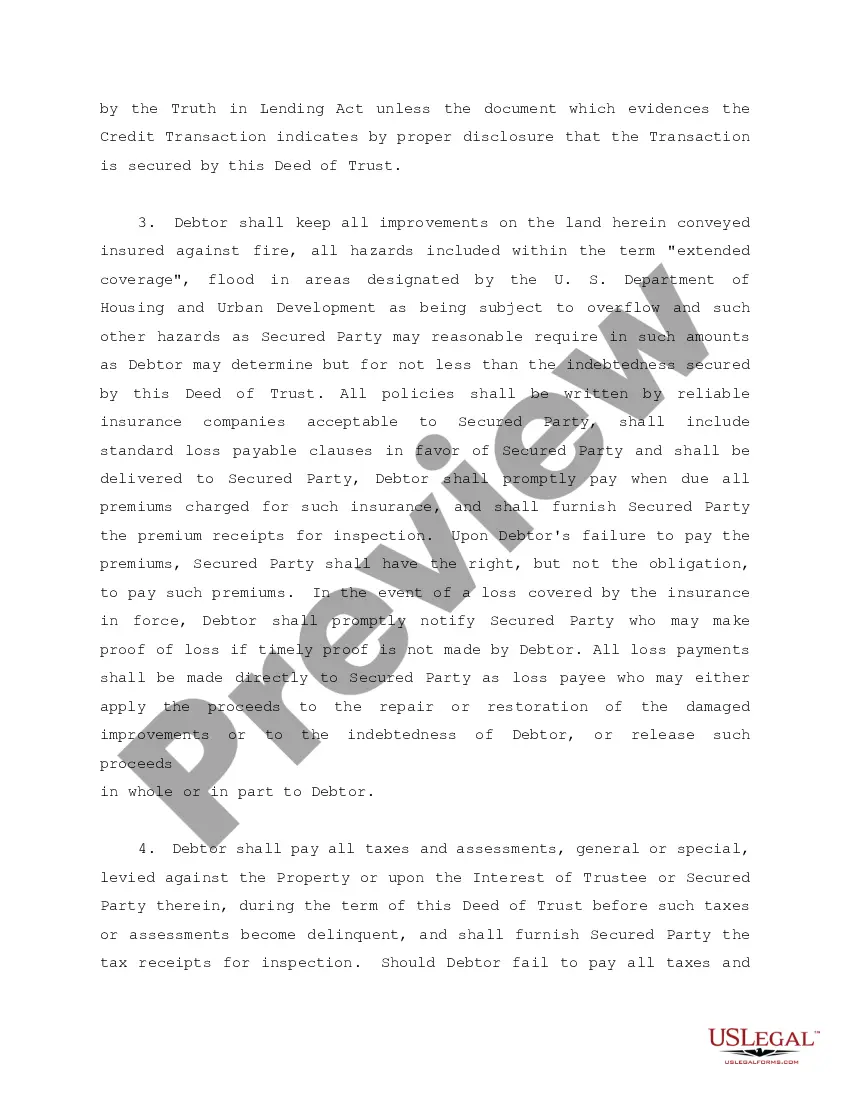
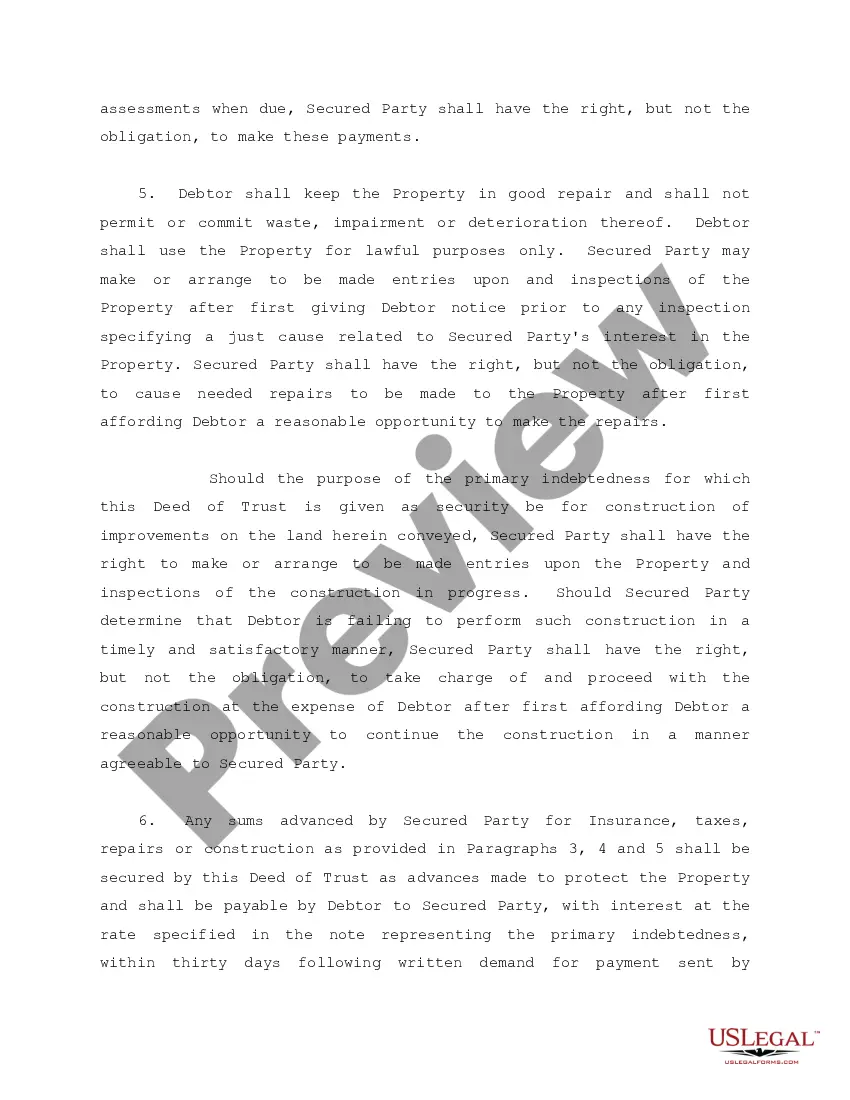
Description


Get your form ready online
Our built-in tools help you complete, sign, share, and store your documents in one place.
Make edits, fill in missing information, and update formatting in US Legal Forms—just like you would in MS Word.
Download a copy, print it, send it by email, or mail it via USPS—whatever works best for your next step.
Sign and collect signatures with our SignNow integration. Send to multiple recipients, set reminders, and more. Go Premium to unlock E-Sign.
If this form requires notarization, complete it online through a secure video call—no need to meet a notary in person or wait for an appointment.
We protect your documents and personal data by following strict security and privacy standards.

Make edits, fill in missing information, and update formatting in US Legal Forms—just like you would in MS Word.

Download a copy, print it, send it by email, or mail it via USPS—whatever works best for your next step.

Sign and collect signatures with our SignNow integration. Send to multiple recipients, set reminders, and more. Go Premium to unlock E-Sign.

If this form requires notarization, complete it online through a secure video call—no need to meet a notary in person or wait for an appointment.

We protect your documents and personal data by following strict security and privacy standards.
Looking for another form?



Form popularity
FAQ
In Utah, the statute of limitations for any signed written contract, obligation, or liability is six years. For unwritten (verbal) contracts, obligations, or liabilities, the statute of limitation for an unpaid debt expires after four years.
When purchasing a new automobile, Please be aware that there is no 3-day rescission law that applies to motor vehicle purchases in the state of Utah. You do not have a right to return the vehicle because you regret purchasing it, or have decided it doesn't meet your needs, or you cannot afford it anymore.
Except as expressly provided otherwise in the trust instrument, no portion of the principal or income may be converted to the use of the trustee or to any use other than for the trust's purposes or for the benefit of a covered animal.
Definitions -- Limitation on garnishment. "Disposable earnings" means that part of the earnings of an individual remaining after the deduction from those earnings of amounts required by law to be withheld.
UCC stands for "Uniform Commercial Code." The Uniform Commercial Code is a law governing commercial transactions (including sales and leasing of goods, transfer of funds, commercial paper, bank deposits and collections, letters of credit, bulk transfers, warehouse receipts, bills of lading, investment securities, and ...
In all cases, you should file a UCC-1 with the secretary of state's office in the state where the debtor is incorporated or organized (if a business), or lives (if an individual).
Starting a Debt Collection Case A debt collector starts a debt collection case by filing a complaint with the court. A copy of the complaint and a document called a summons must be served on the debtor by one of the methods described in Utah Rule of Civil Procedure 4.
A rule of thumb when filing a UCC record is to file at the central filing office of the state where the debtor is located.
