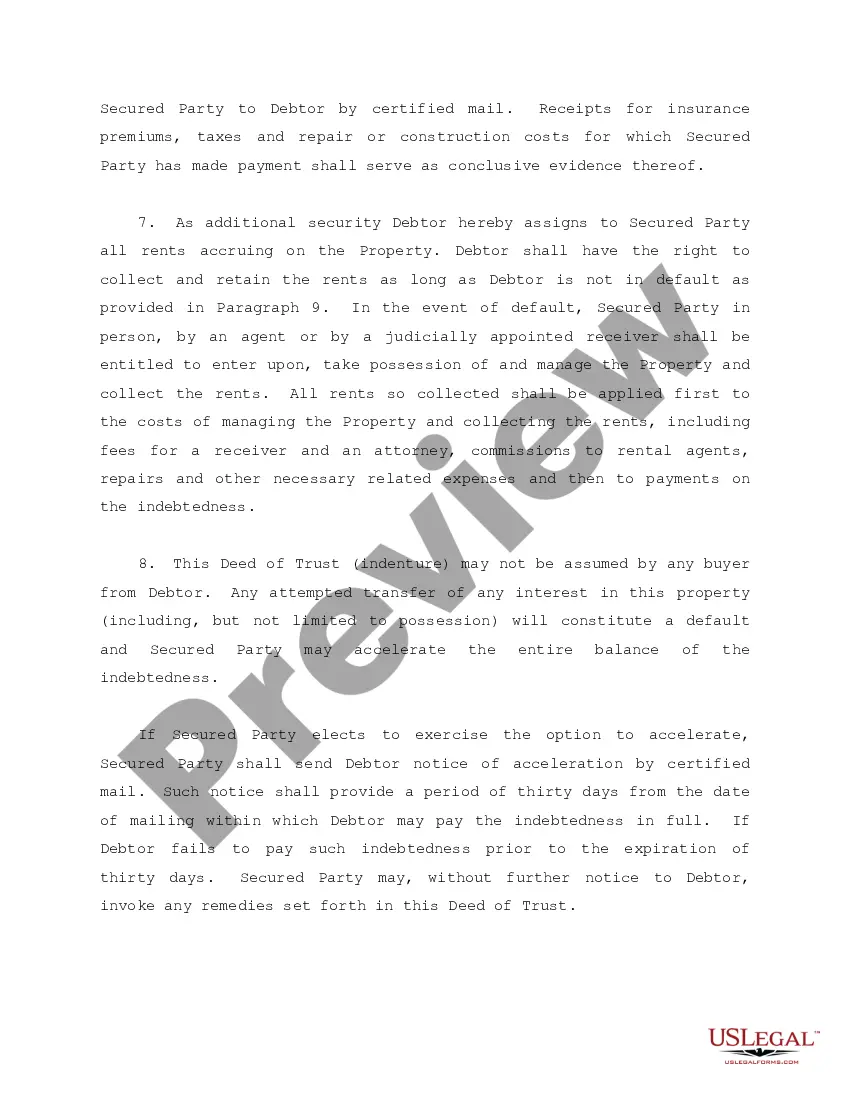
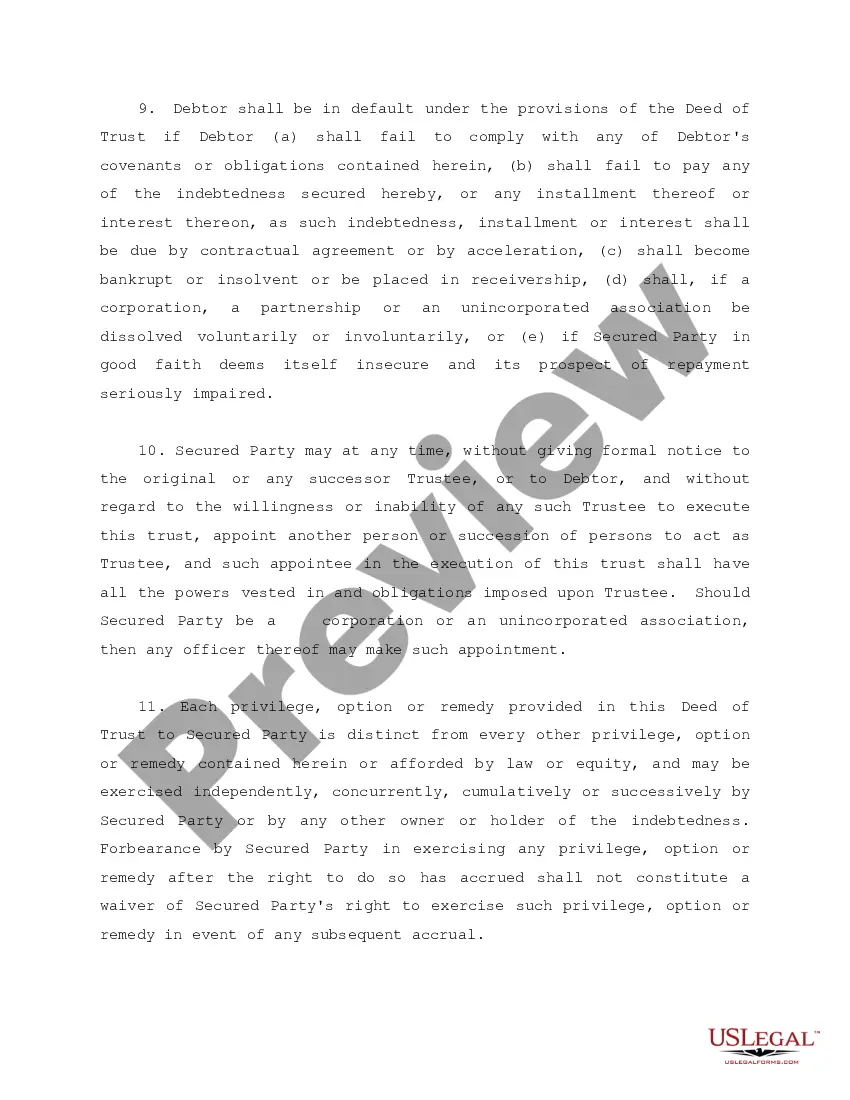
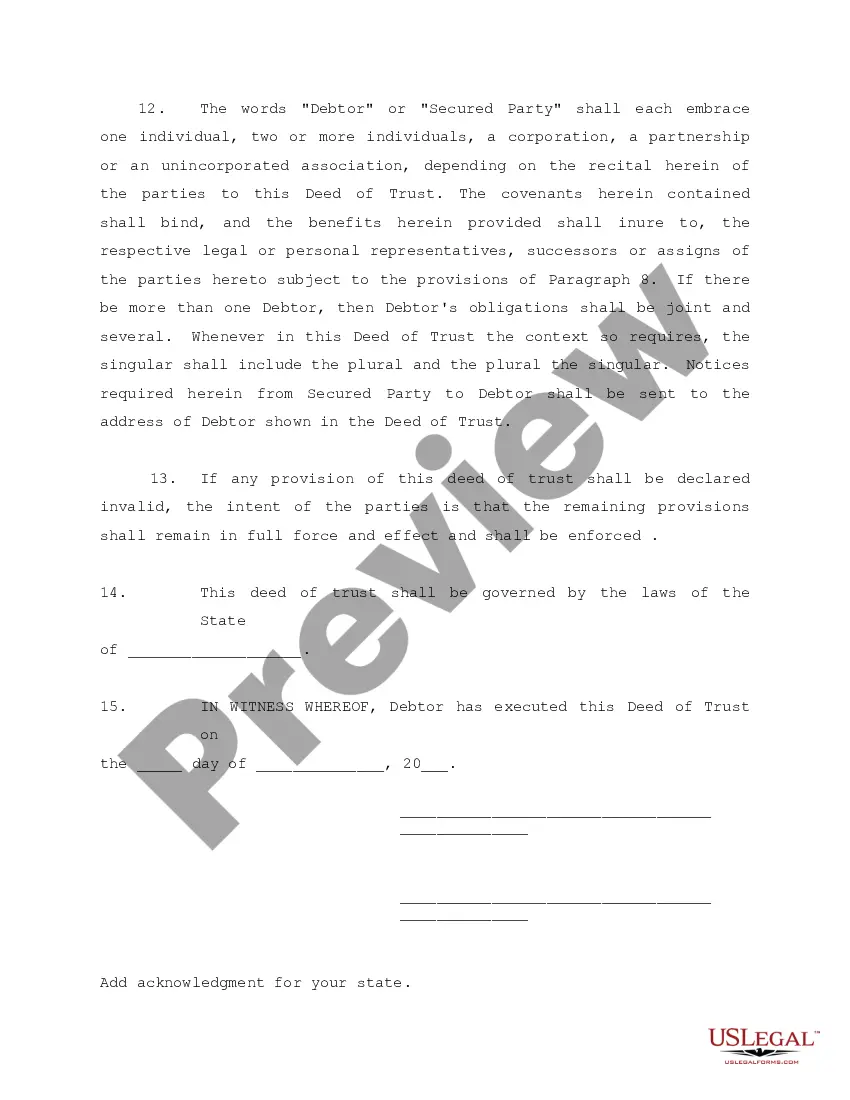
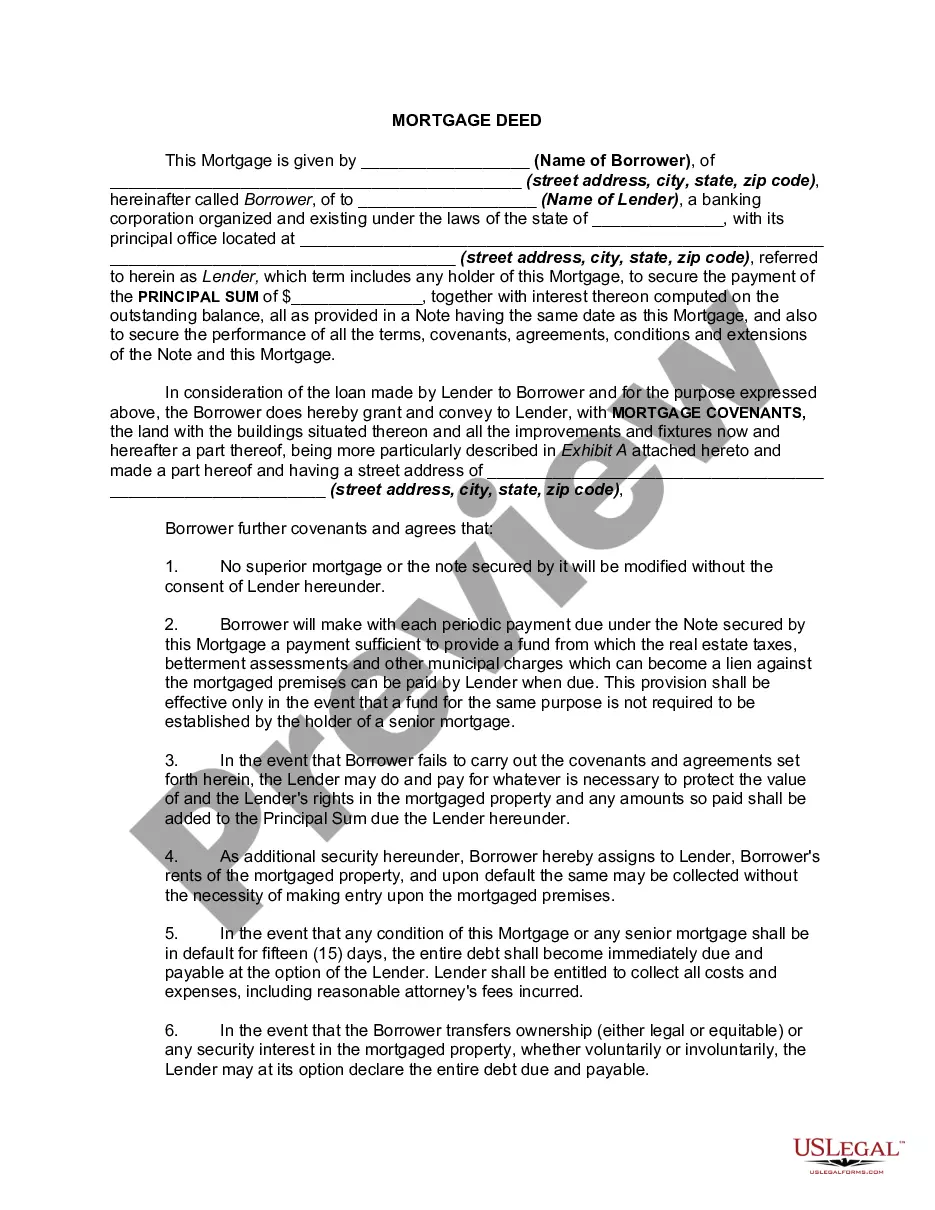
Secured Debt Any For Auto Loan In Texas
Description


Get your form ready online
Our built-in tools help you complete, sign, share, and store your documents in one place.
Make edits, fill in missing information, and update formatting in US Legal Forms—just like you would in MS Word.
Download a copy, print it, send it by email, or mail it via USPS—whatever works best for your next step.
Sign and collect signatures with our SignNow integration. Send to multiple recipients, set reminders, and more. Go Premium to unlock E-Sign.
If this form requires notarization, complete it online through a secure video call—no need to meet a notary in person or wait for an appointment.
We protect your documents and personal data by following strict security and privacy standards.

Make edits, fill in missing information, and update formatting in US Legal Forms—just like you would in MS Word.

Download a copy, print it, send it by email, or mail it via USPS—whatever works best for your next step.

Sign and collect signatures with our SignNow integration. Send to multiple recipients, set reminders, and more. Go Premium to unlock E-Sign.

If this form requires notarization, complete it online through a secure video call—no need to meet a notary in person or wait for an appointment.

We protect your documents and personal data by following strict security and privacy standards.
Looking for another form?








Form popularity
FAQ
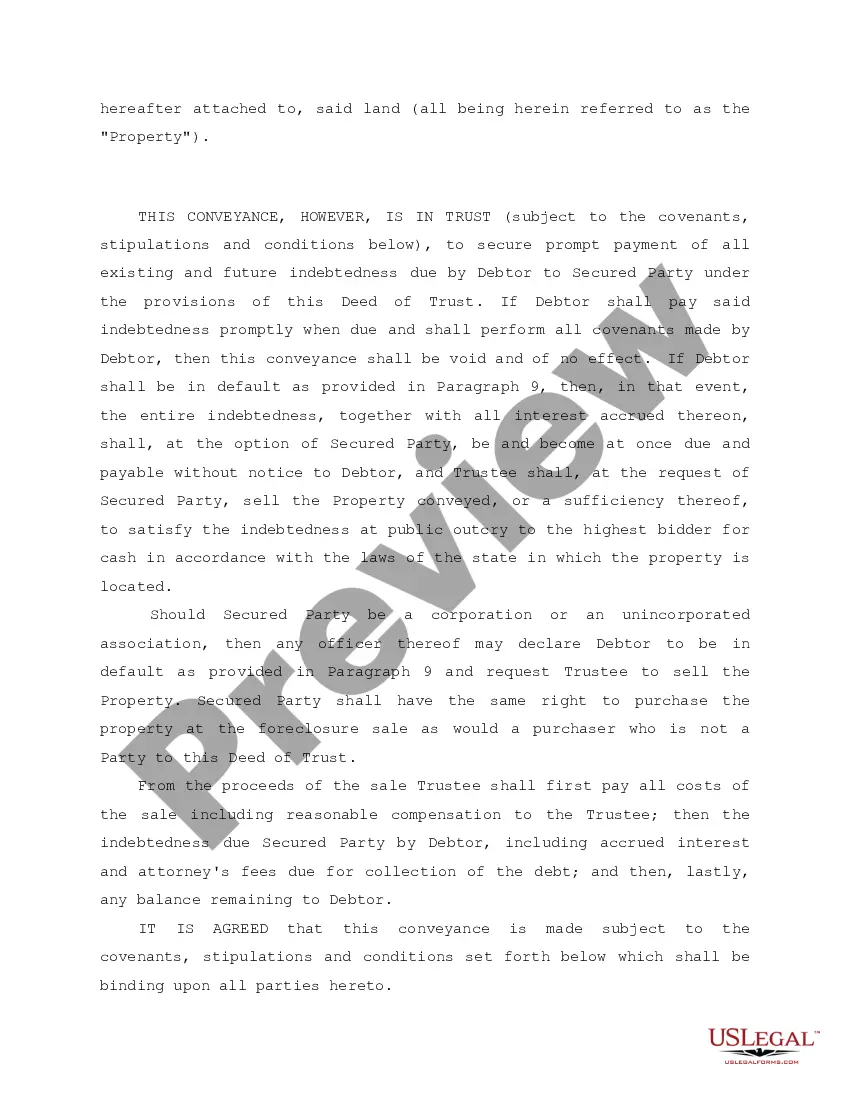
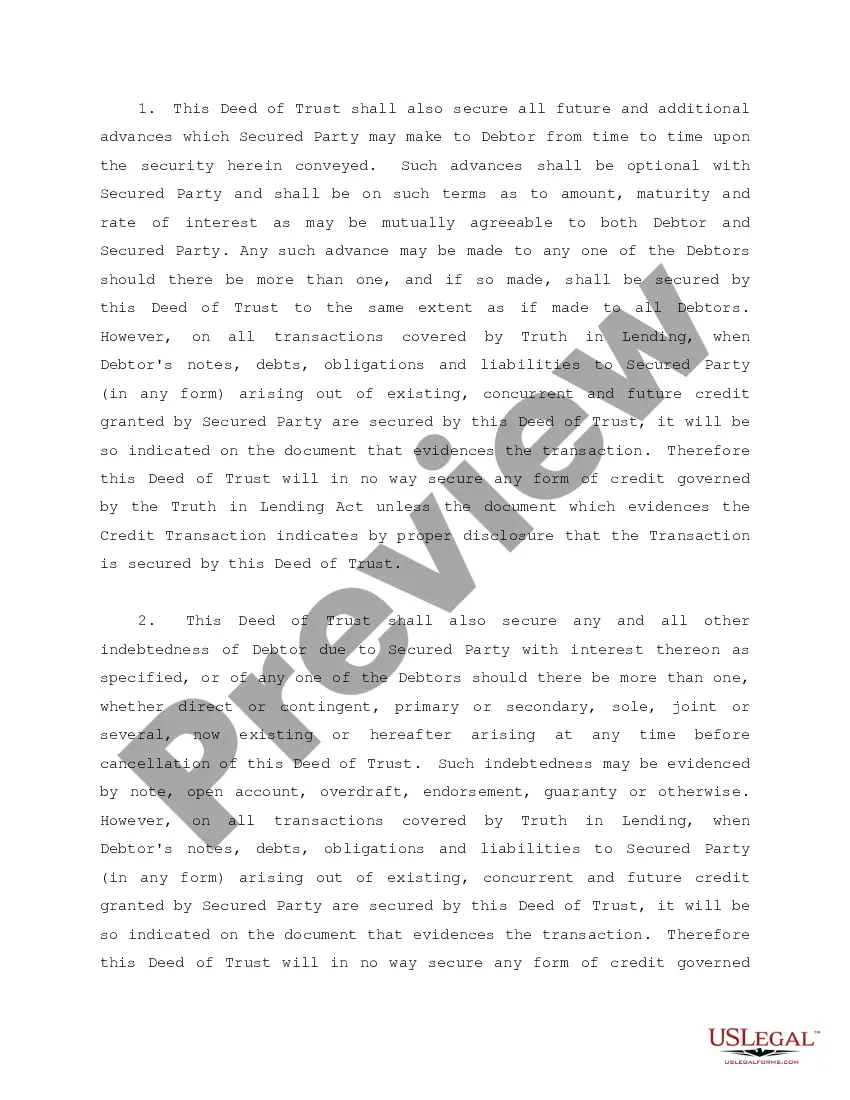
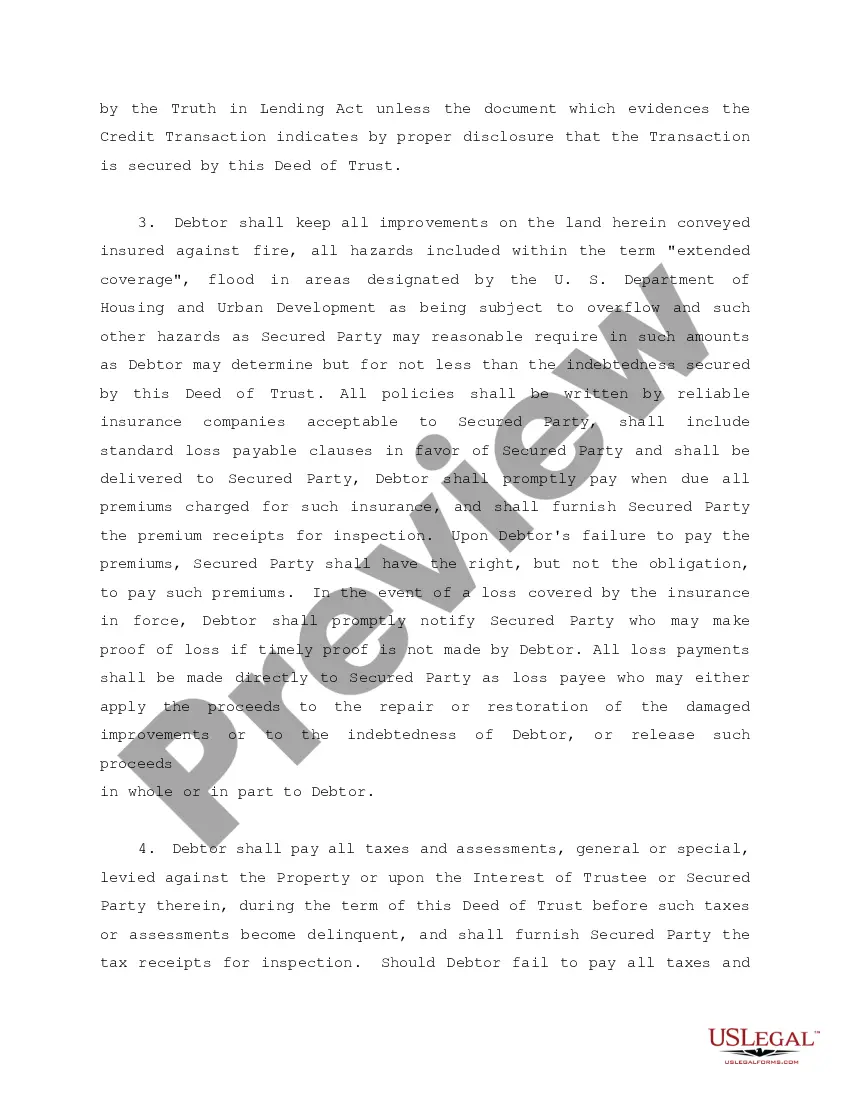
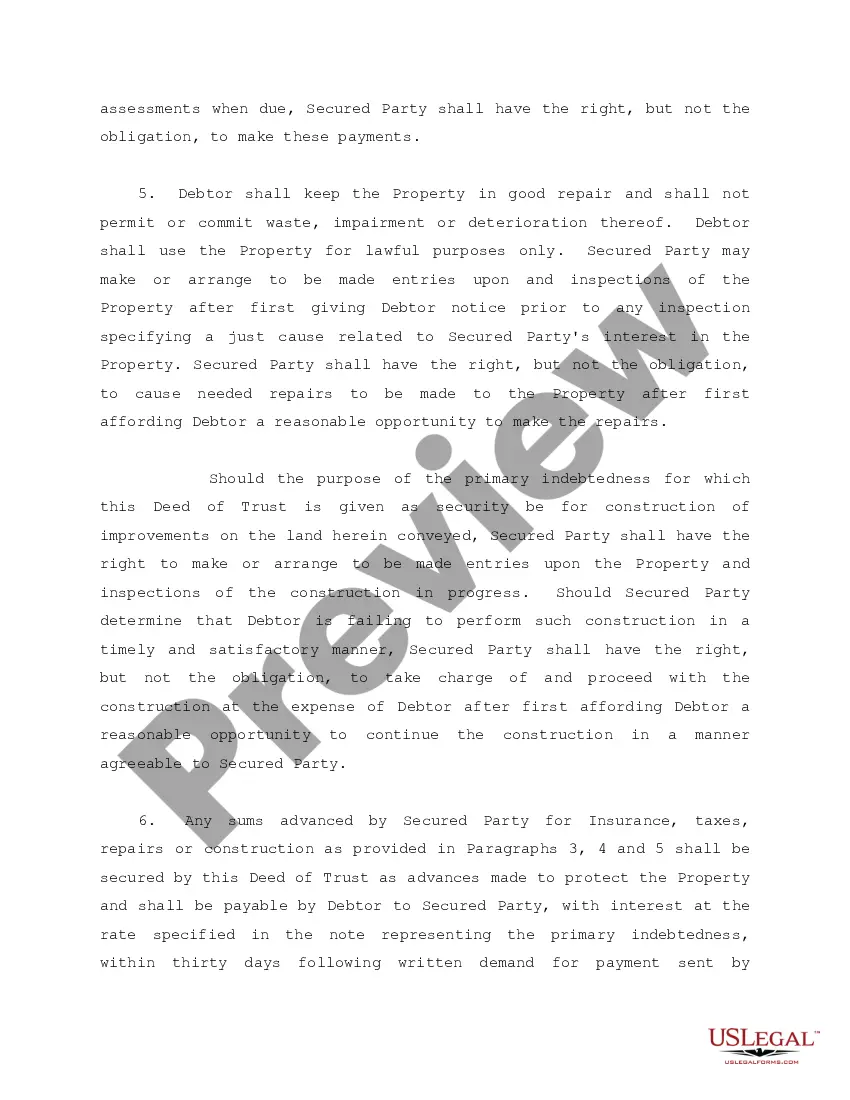
A secured debt simply means that in the event of default, the lender can seize the asset to collect the funds it has advanced the borrower. Common types of secured debt for consumers are mortgages and auto loans, in which the item being financed becomes the collateral for the financing.
Are secured loans easier to get? Generally speaking, yes. Because you're usually putting your home as a guarantee for payments, the lender will see you as less of a risk, and they'll rely less on your credit history and credit score to make the judgement.
Is Texas a Debtor-Friendly State? Compared to most states in the US, Texas is a debtor-friendly state. There are many different protections afforded to debtors when dealing with creditors.
This legal time limit, which varies by state, sets a deadline for creditors to sue you for unpaid debts. In most states, the statute of limitations for collecting on credit card debt is between three and 10 years, but a few states allow for longer periods, extending up to 15 years.
In Texas, creditors generally have four years from your last payment or default to sue for unpaid debts. Although the debt remains after this period, they lose their legal right to sue.
A Texas judgment is valid for ten years from the date it is signed by the judge. After the expiration of ten years the judgment is dormant for two years. During that two year period of dormancy the judgment cannot be enforced.
Yes. This is known as the statute of limitations, and it is based on the date when you first stopped paying the original debt. Each state has it's own statute of limitations, ranging from as little as 3 or 4 years, to as much as 7 or 10 years (or even longer).
Texas & Federal Law The statute of limitations on debt in Texas is four years.
Compared to most states in the US, Texas is a debtor-friendly state. There are many different protections afforded to debtors when dealing with creditors.
Since Texas is a community property state, in theory, this means that each party is entitled to 50 percent of the property obtained during the marriage as well as responsible for 50 percent of the debt incurred during the marriage.
