Secured Debt Shall For Bad Credit In Tarrant
Description

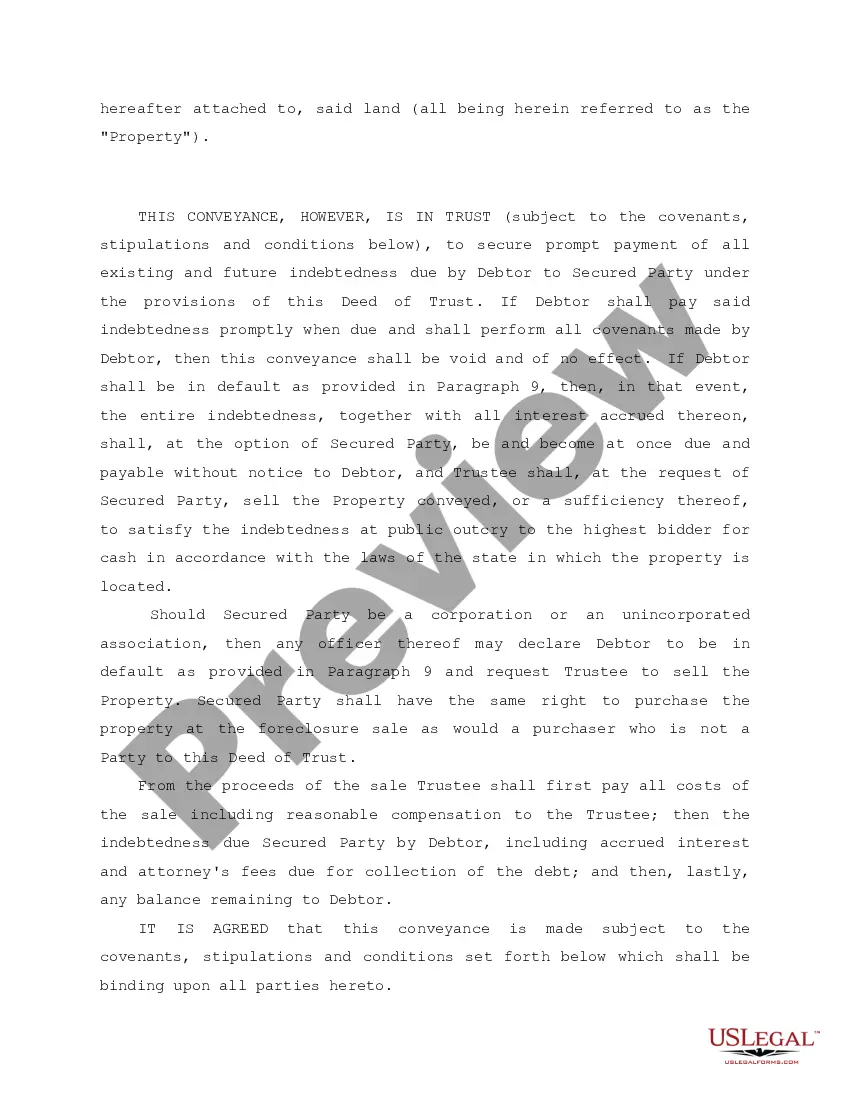
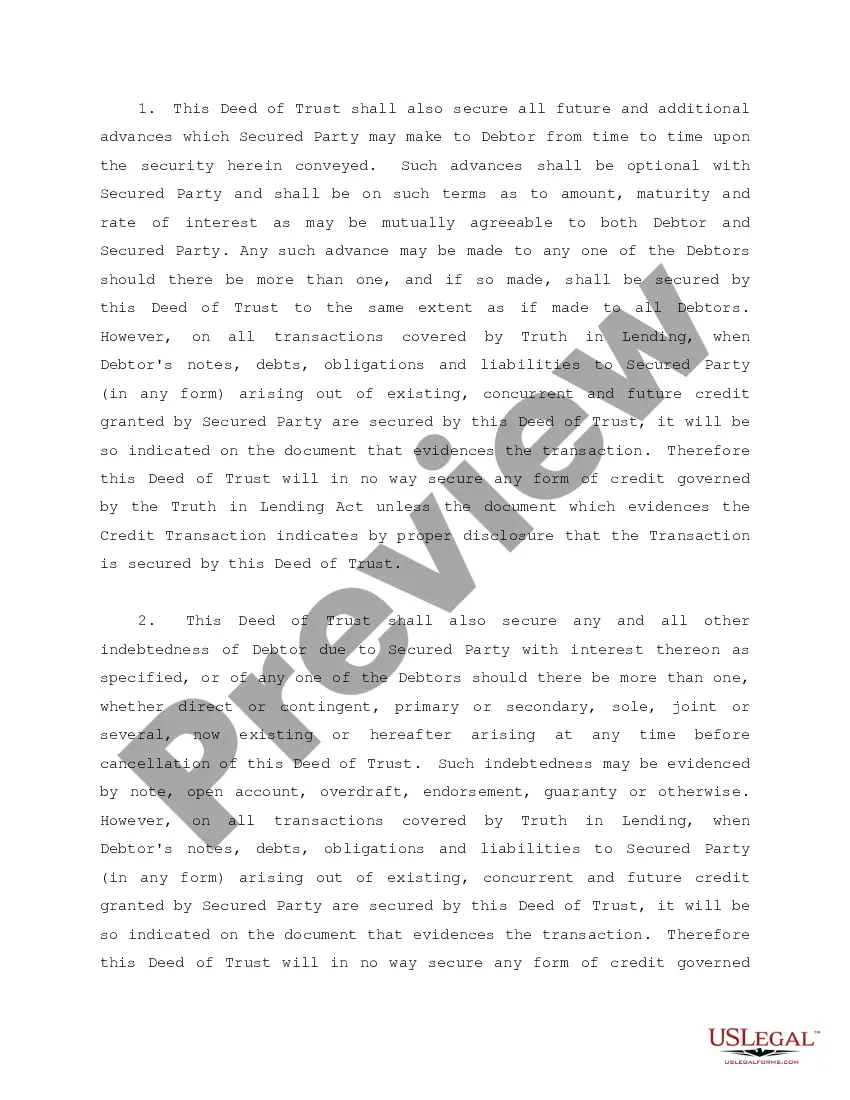
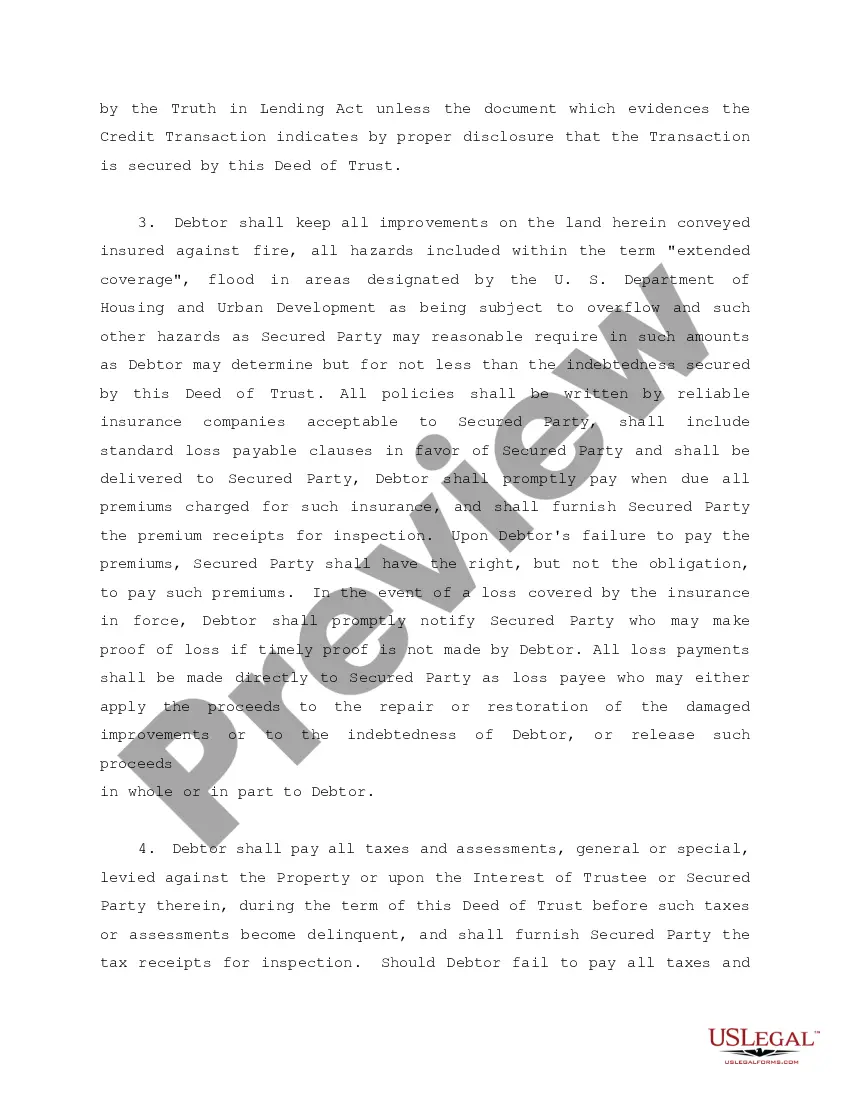
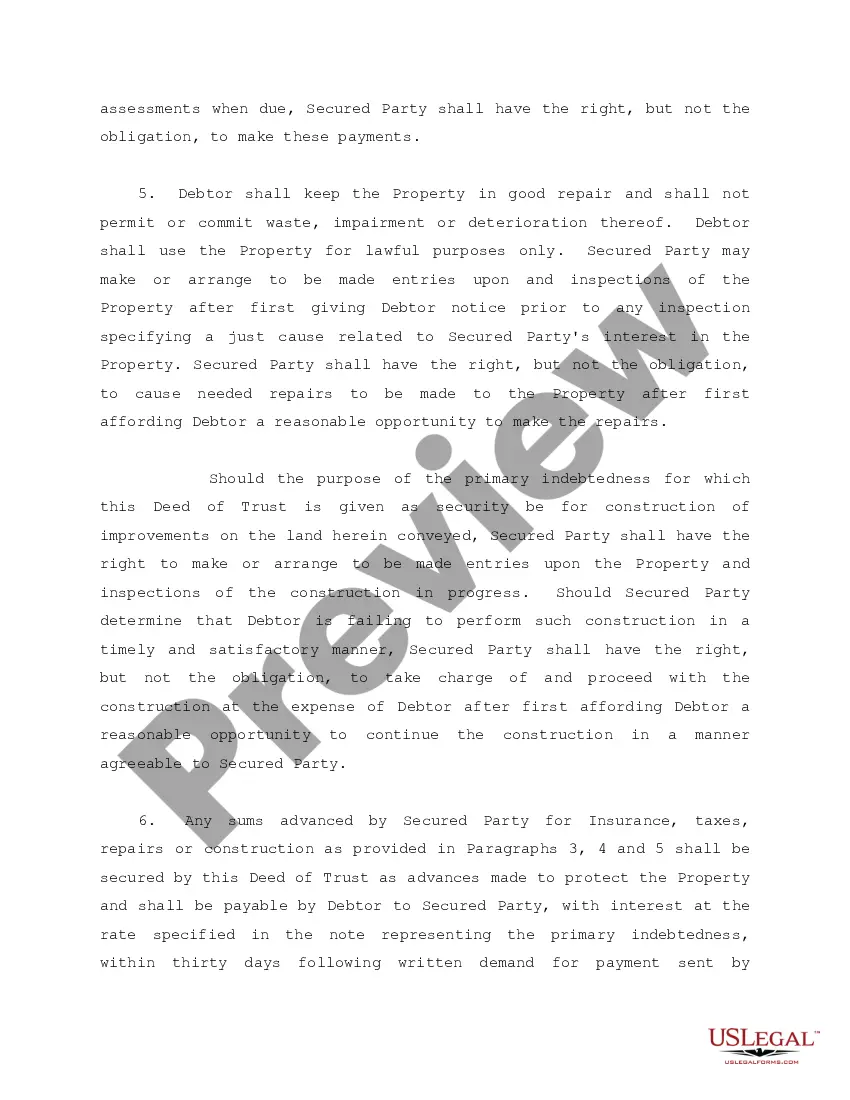
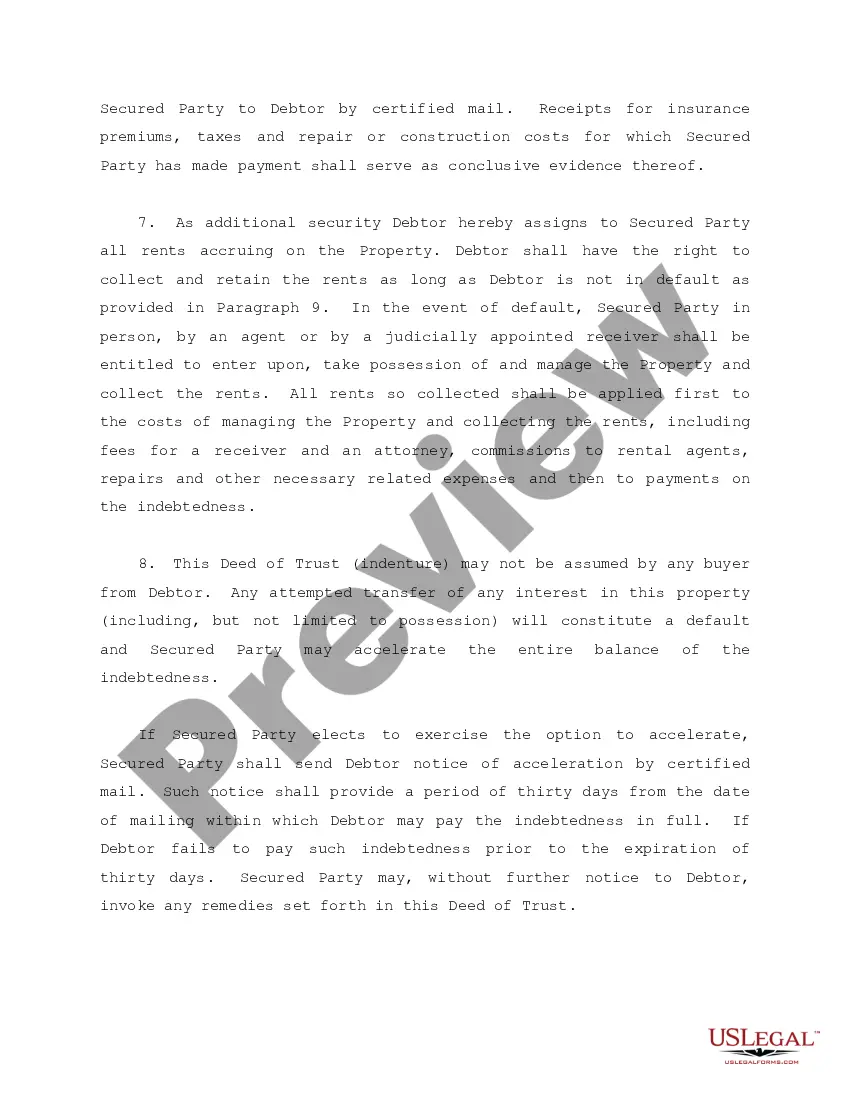
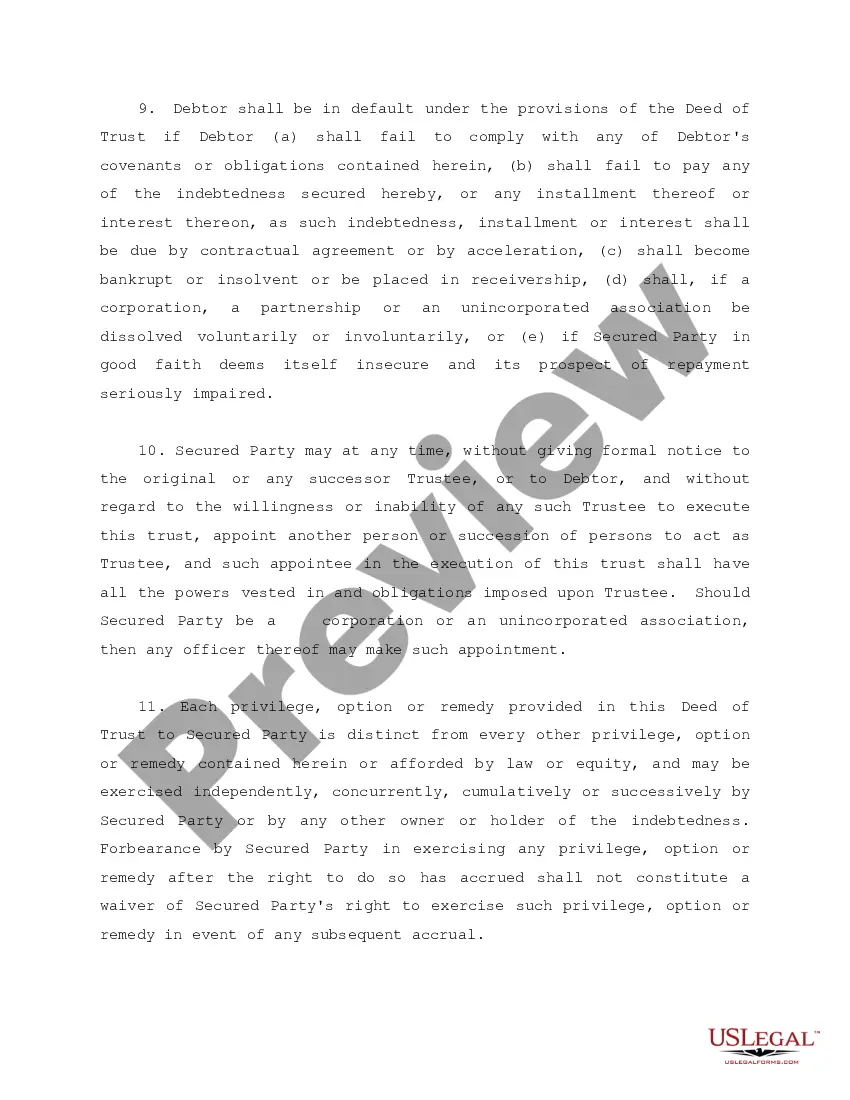
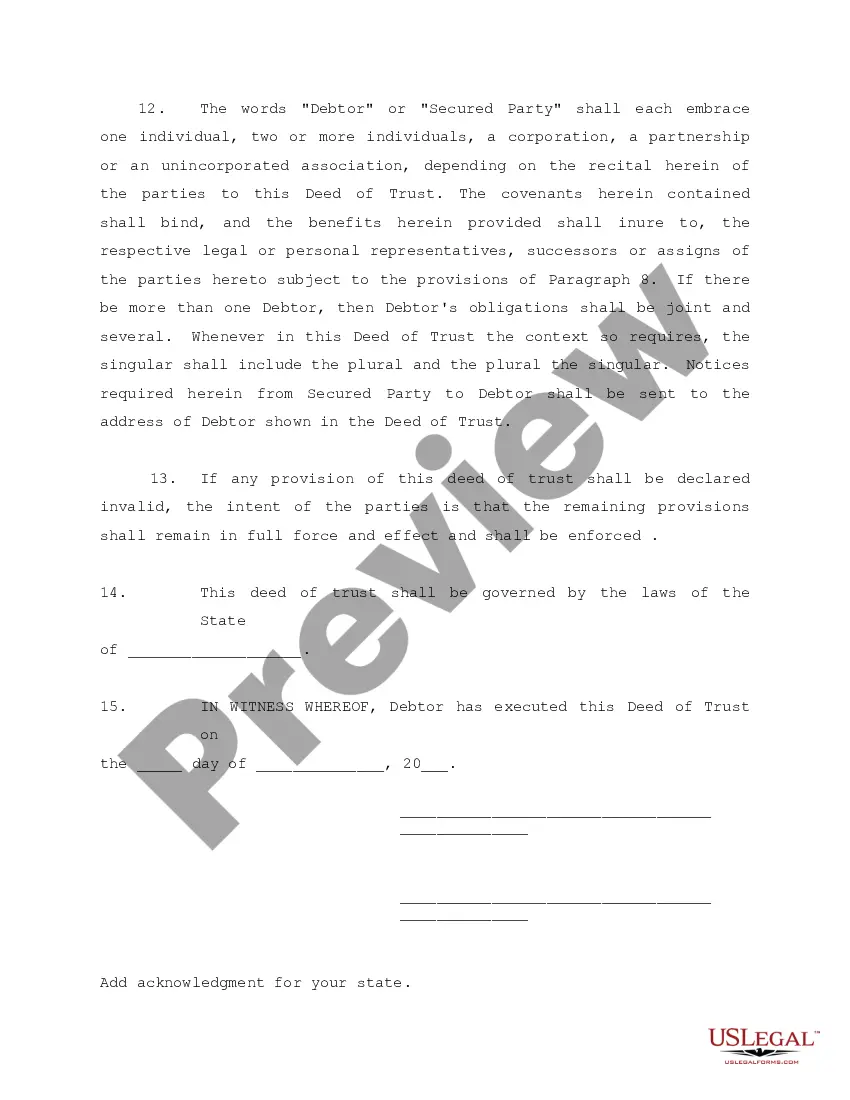
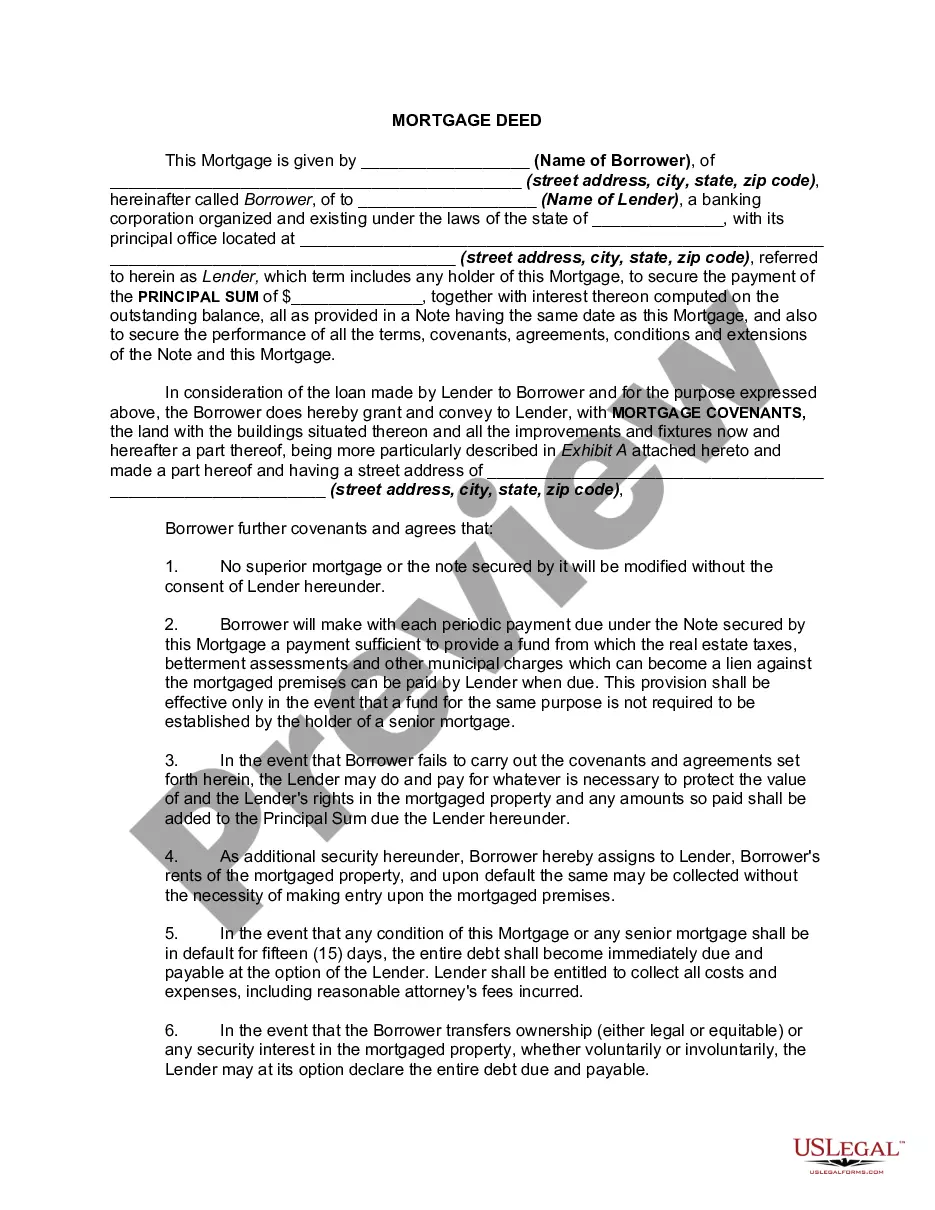

Get your form ready online
Our built-in tools help you complete, sign, share, and store your documents in one place.
Make edits, fill in missing information, and update formatting in US Legal Forms—just like you would in MS Word.
Download a copy, print it, send it by email, or mail it via USPS—whatever works best for your next step.
Sign and collect signatures with our SignNow integration. Send to multiple recipients, set reminders, and more. Go Premium to unlock E-Sign.
If this form requires notarization, complete it online through a secure video call—no need to meet a notary in person or wait for an appointment.
We protect your documents and personal data by following strict security and privacy standards.

Make edits, fill in missing information, and update formatting in US Legal Forms—just like you would in MS Word.

Download a copy, print it, send it by email, or mail it via USPS—whatever works best for your next step.

Sign and collect signatures with our SignNow integration. Send to multiple recipients, set reminders, and more. Go Premium to unlock E-Sign.

If this form requires notarization, complete it online through a secure video call—no need to meet a notary in person or wait for an appointment.

We protect your documents and personal data by following strict security and privacy standards.
Looking for another form?









Form popularity
FAQ
A lien is a legal notice that the creditor is attempting to collect the judgment from the value of the property. Creditors can put liens on most any home because it is up to the owner to show that the Texas homestead exemption applies. Not all homes qualify for the exemption.
Texas law gives someone 4 years to bring a lawsuit for unpaid debt. This time period is commonly referred to as the statute of limitations. Once the time period is up, a person is prohibited from filing suit to recover the debt. This means the debt is time-barred.
Texas Property Code §42.0021 exempts from the claims of creditors a person's right to assets held in, or to receive payments (whether vested or not) from, any stock bonus, pension, profit- sharing, or similar plan, including a retirement plan for self-employed individuals any annuity or similar contract, and any ...
While most creditors in Texas cannot garnish a person's wages, they do have the authority to freeze a person's bank account. This means that while the funds will not come directly off of an employee's check, they still may not be able to access those funds once they are deposited into the bank account.
Common consumer debts like credit cards, medical bills, and personal loans typically cannot result in wage garnishment in Texas. However, exceptions include unpaid taxes, child support, alimony, federal student loans, and defaulted federal loans.
This provision in the Texas Constitution ensures that no person shall ever be imprisoned for debt. These sections of Texas law outline deceptive, threatening, and abusive behavior that debt collectors and original creditors cannot engage in.
A writ of garnishment allows a creditor to seize property from a debtor that is being held by a third party. While some property is exempt from garnishment in Texas, such as wages, other property such as bank accounts and stocks may be subject to garnishment.
Summary: If you're being sued by a debt collector, here are five ways you can fight back in court and win: 1) Respond to the lawsuit, 2) make the debt collector prove their case, 3) use the statute of limitations as a defense, 4) file a Motion to Compel Arbitration, and 5) negotiate a settlement offer.
