Secure Debt Shall With No Interest In Tarrant
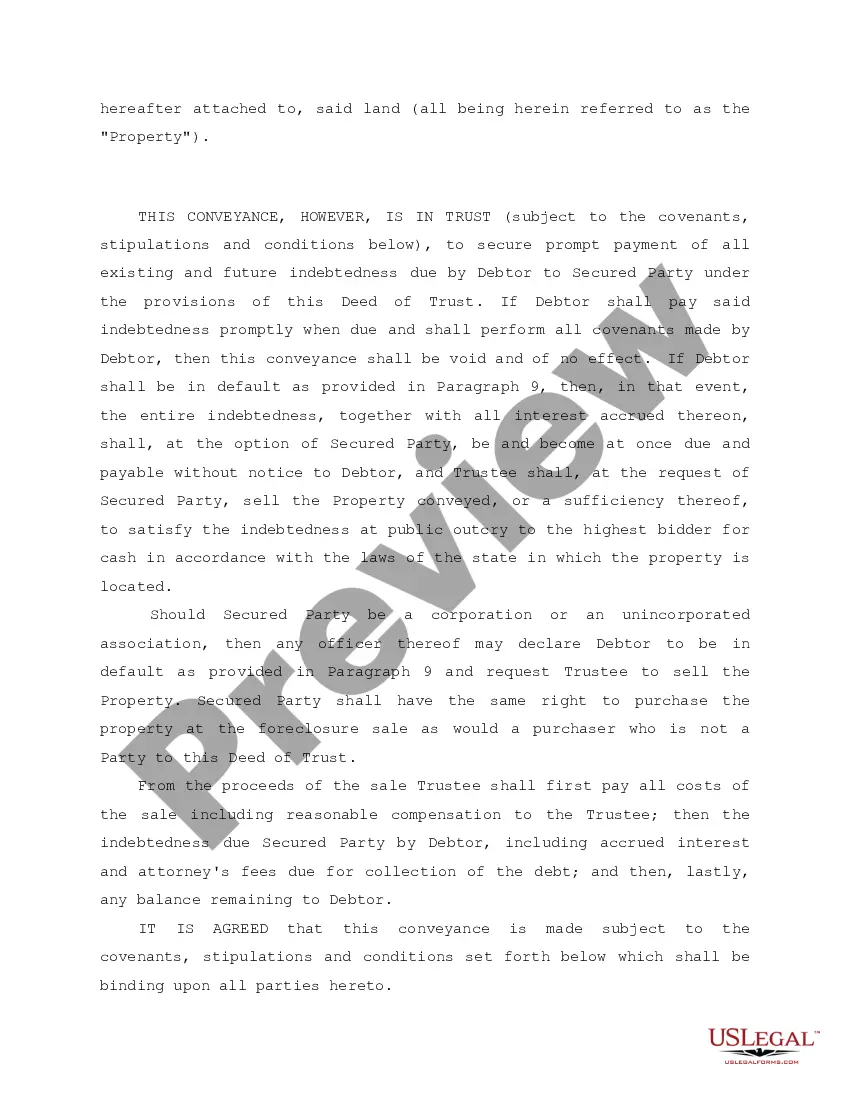
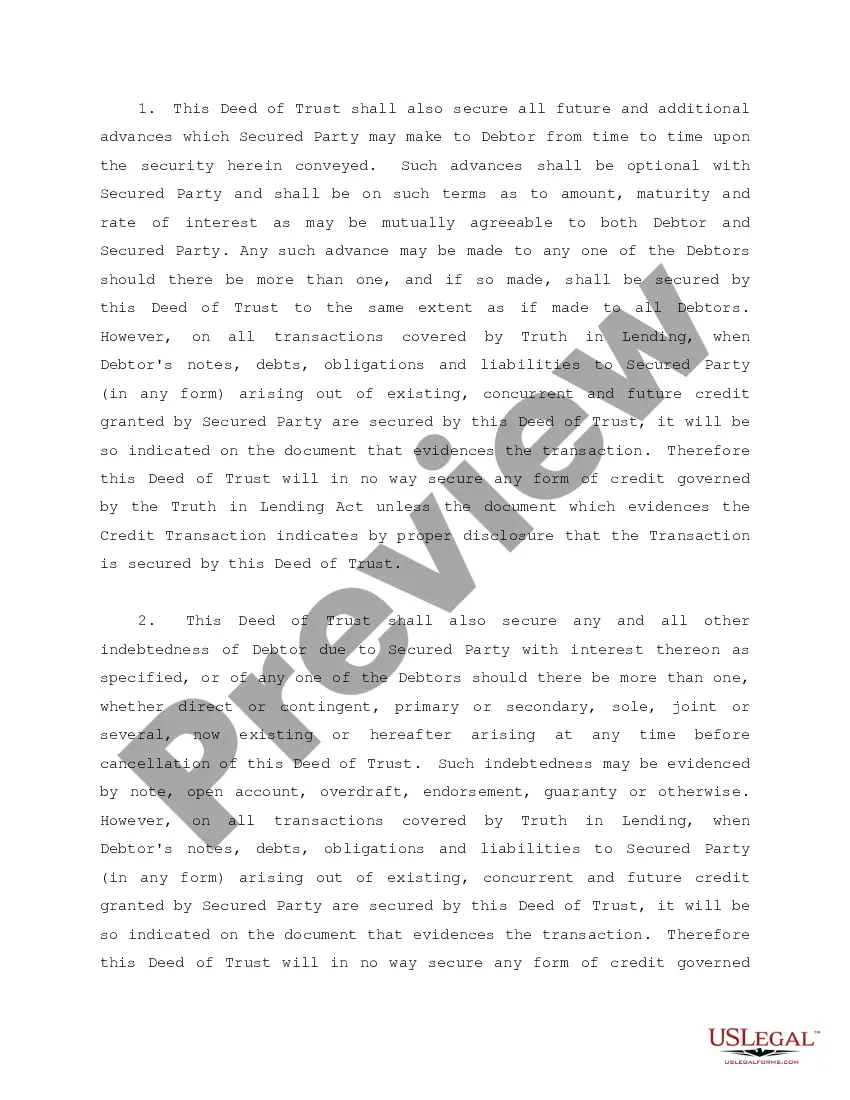
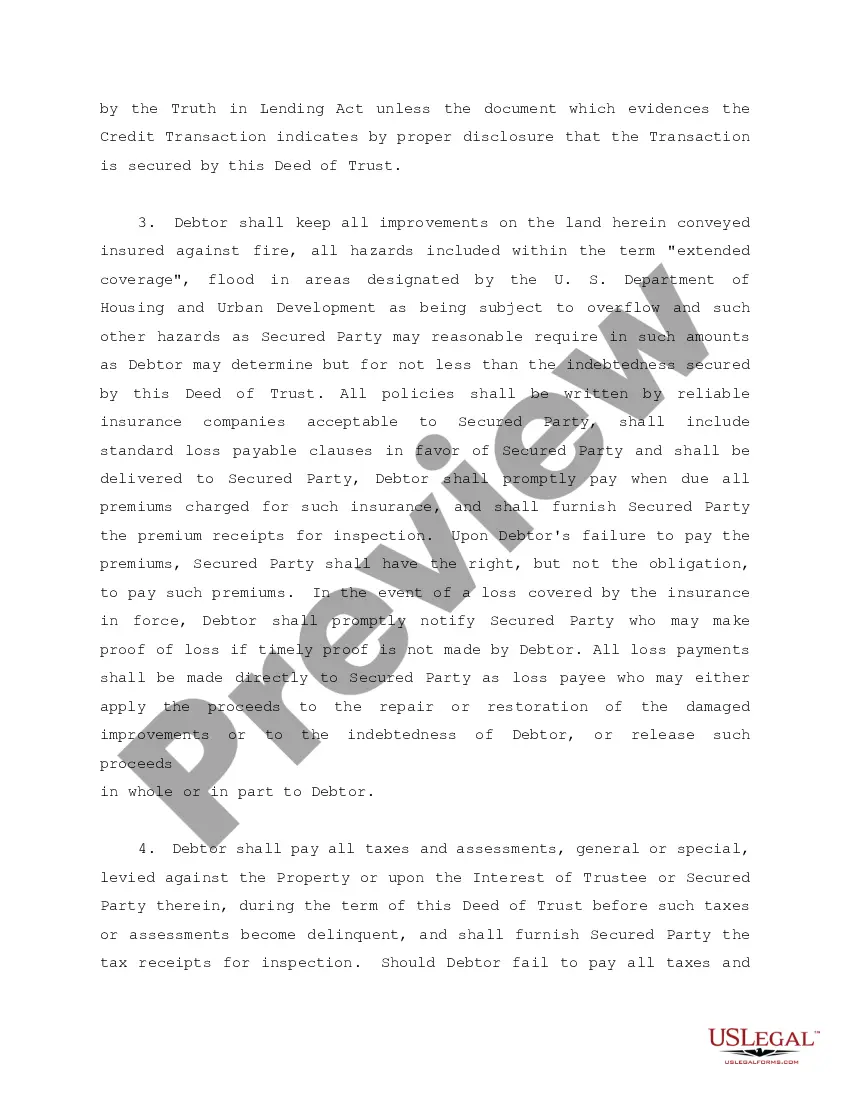
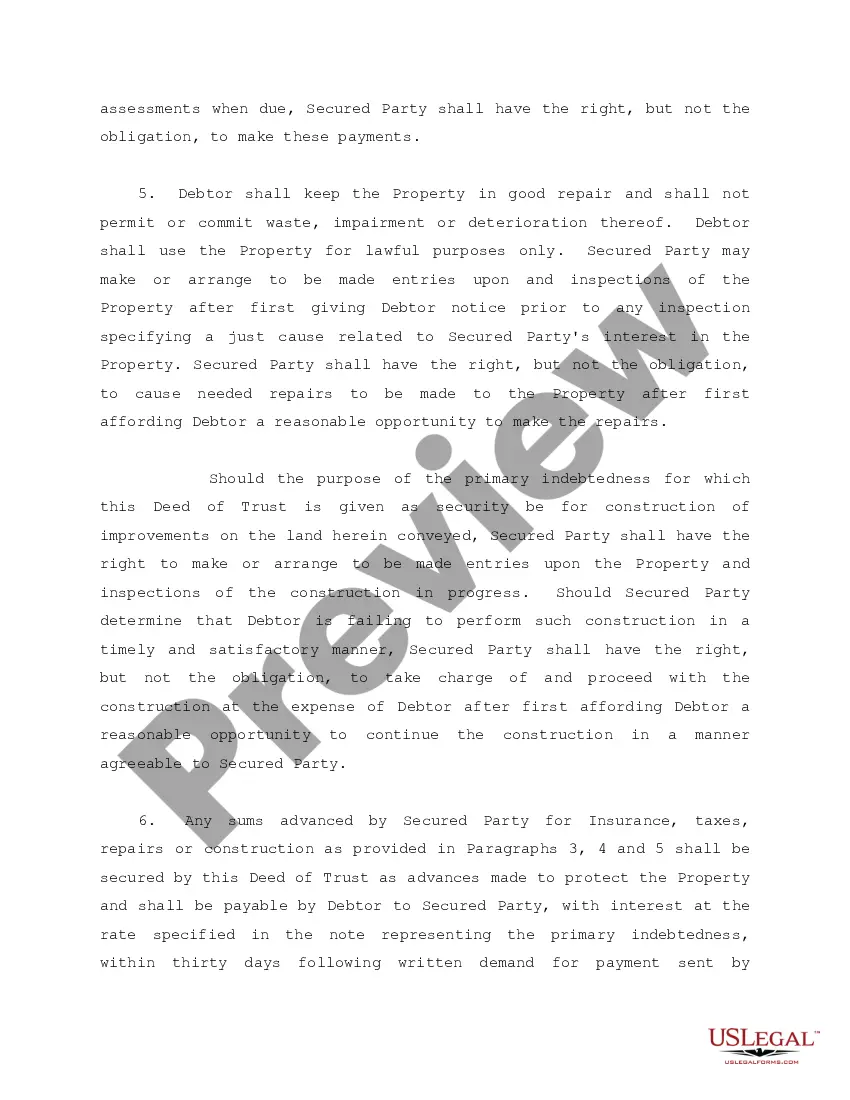
Description

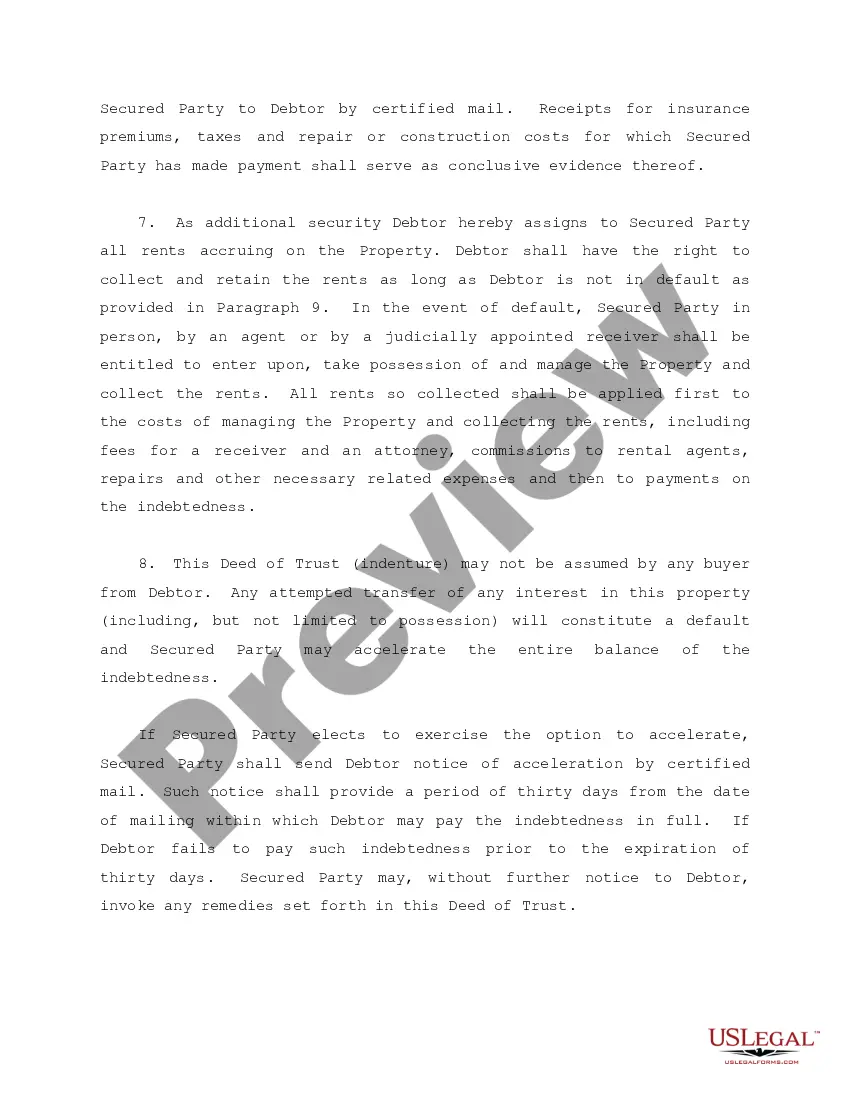
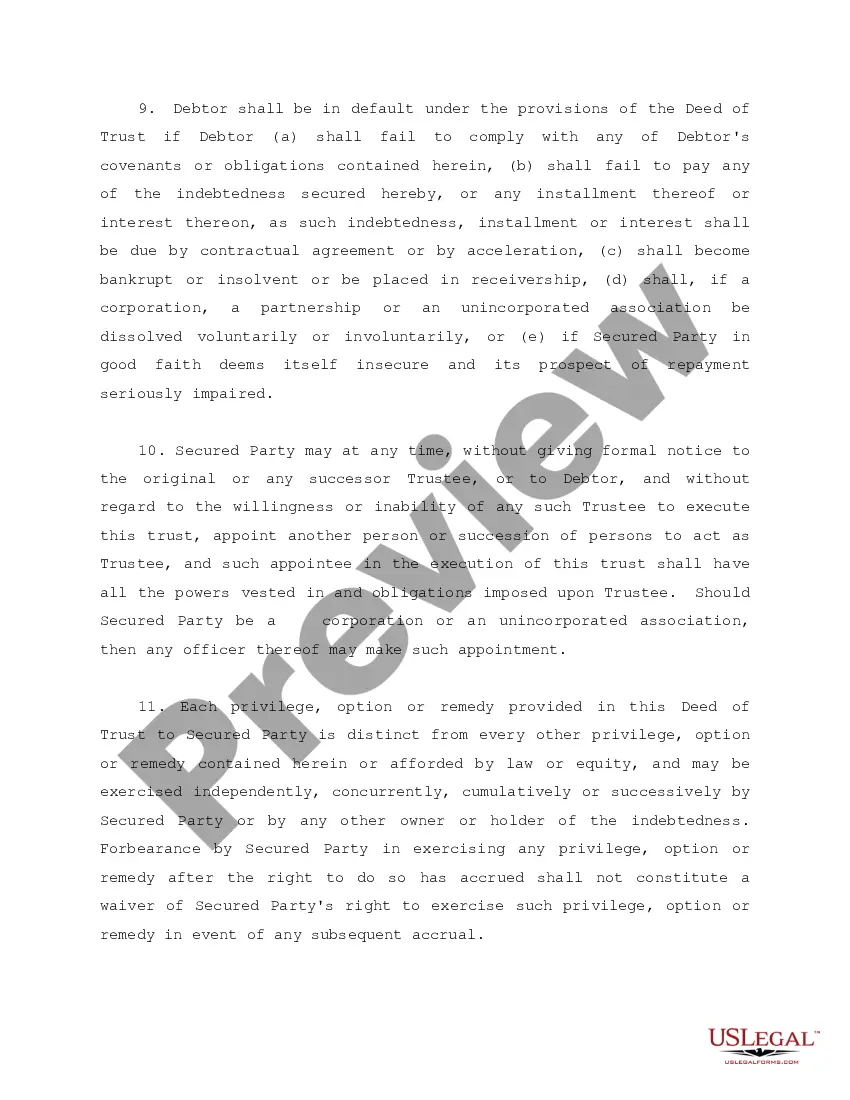
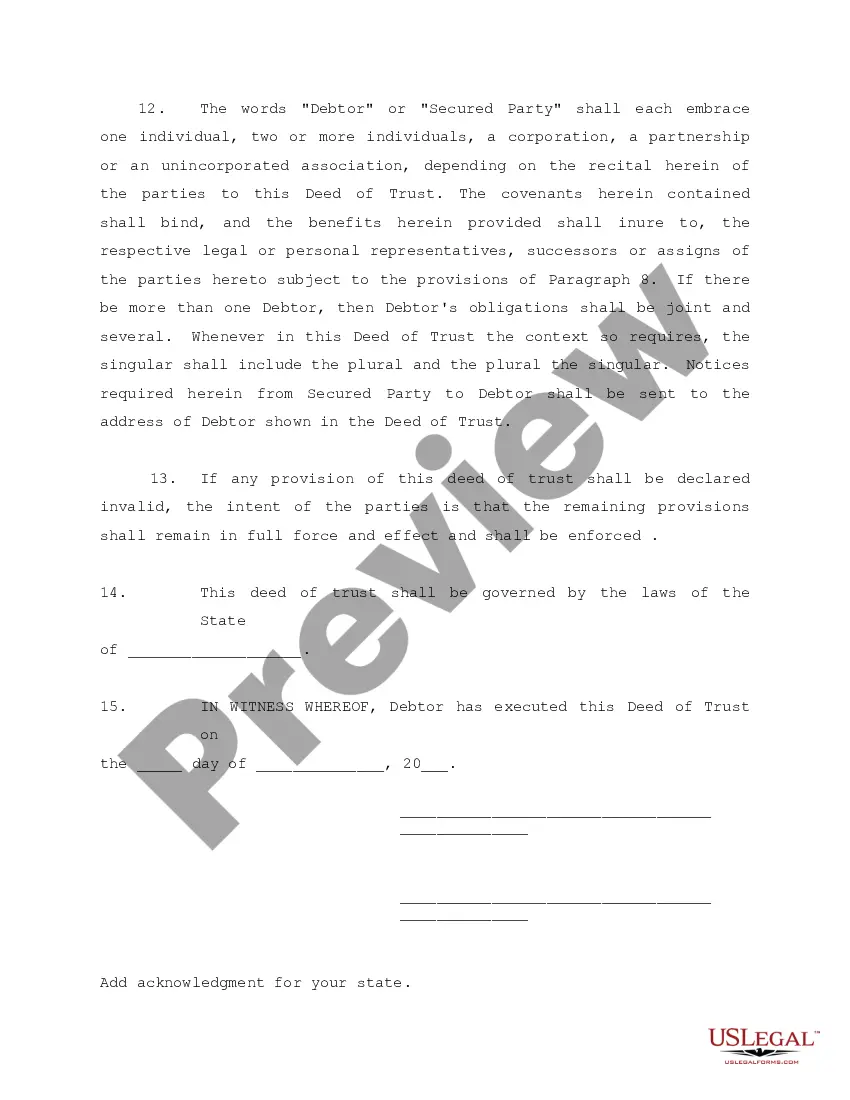
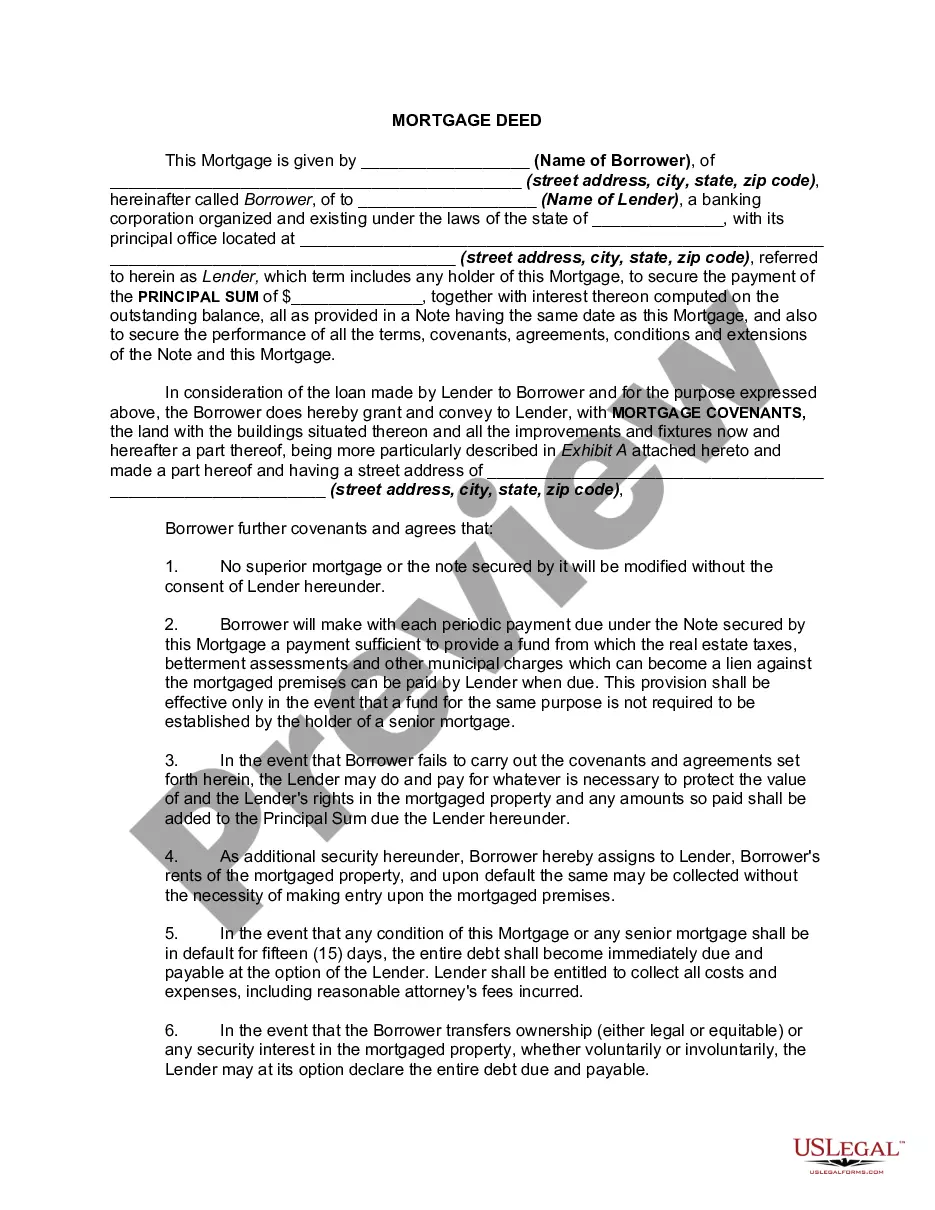

Get your form ready online
Our built-in tools help you complete, sign, share, and store your documents in one place.
Make edits, fill in missing information, and update formatting in US Legal Forms—just like you would in MS Word.
Download a copy, print it, send it by email, or mail it via USPS—whatever works best for your next step.
Sign and collect signatures with our SignNow integration. Send to multiple recipients, set reminders, and more. Go Premium to unlock E-Sign.
If this form requires notarization, complete it online through a secure video call—no need to meet a notary in person or wait for an appointment.
We protect your documents and personal data by following strict security and privacy standards.

Make edits, fill in missing information, and update formatting in US Legal Forms—just like you would in MS Word.

Download a copy, print it, send it by email, or mail it via USPS—whatever works best for your next step.

Sign and collect signatures with our SignNow integration. Send to multiple recipients, set reminders, and more. Go Premium to unlock E-Sign.

If this form requires notarization, complete it online through a secure video call—no need to meet a notary in person or wait for an appointment.

We protect your documents and personal data by following strict security and privacy standards.
Looking for another form?



Form popularity
FAQ
If you file for a Chapter 7 bankruptcy, your secured debt may be discharged, but the lender is also able to repossess the property that secured the debt. In other words, if you have a mortgage on your home and file a Chapter 7 bankruptcy, the mortgage debt may be discharged but the lender can take back your home.
In many cases, a bankruptcy discharge can eliminate your personal responsibility for secured debt, so the lender can't sue you for unpaid amounts. However, the lien on the property doesn't automatically go away. The lender can still take back the collateral if you stop making payments.
Texas law gives someone 4 years to bring a lawsuit for unpaid debt.
This provision in the Texas Constitution ensures that no person shall ever be imprisoned for debt. These sections of Texas law outline deceptive, threatening, and abusive behavior that debt collectors and original creditors cannot engage in.
Specifically, the rule states that a debt collector cannot: Make more than seven calls within a seven-day period to a consumer regarding a specific debt. Call a consumer within seven days after having a telephone conversation about that debt.
Ignoring or avoiding the debt collector may cause the debt collector to use other methods to try to collect the debt, including a lawsuit against you. If you are unable to come to an agreement with a debt collector, you may want to contact an attorney who can provide you with legal advice about your situation.
Ignoring debt collectors might cause further issues. It might make your financial burden larger. You may get served a lawsuit if your creditor believes you owe them a significant debt.
Divorce Records? Divorce records in Tarrant County are handled by the District Clerk's office. Please visit the District Clerk's website for more information or call 817-884-1880.
Your divorce. The 61-day waiting period is required by law and there are no exceptions.
Here is a divorce court in Tarrant County that you may bring your case to: Court Name: 231st District Court · 233rd District Court · 322nd District Court · 324th District Court · 325th District Court · 360th District Court. Clerk Name: Thomas A. Court Address: 401 W Belknap, Fort Worth, Texas 76196. Phone: 817-884-1111.