Secured Debt Shall For Bad Credit In Suffolk
Description

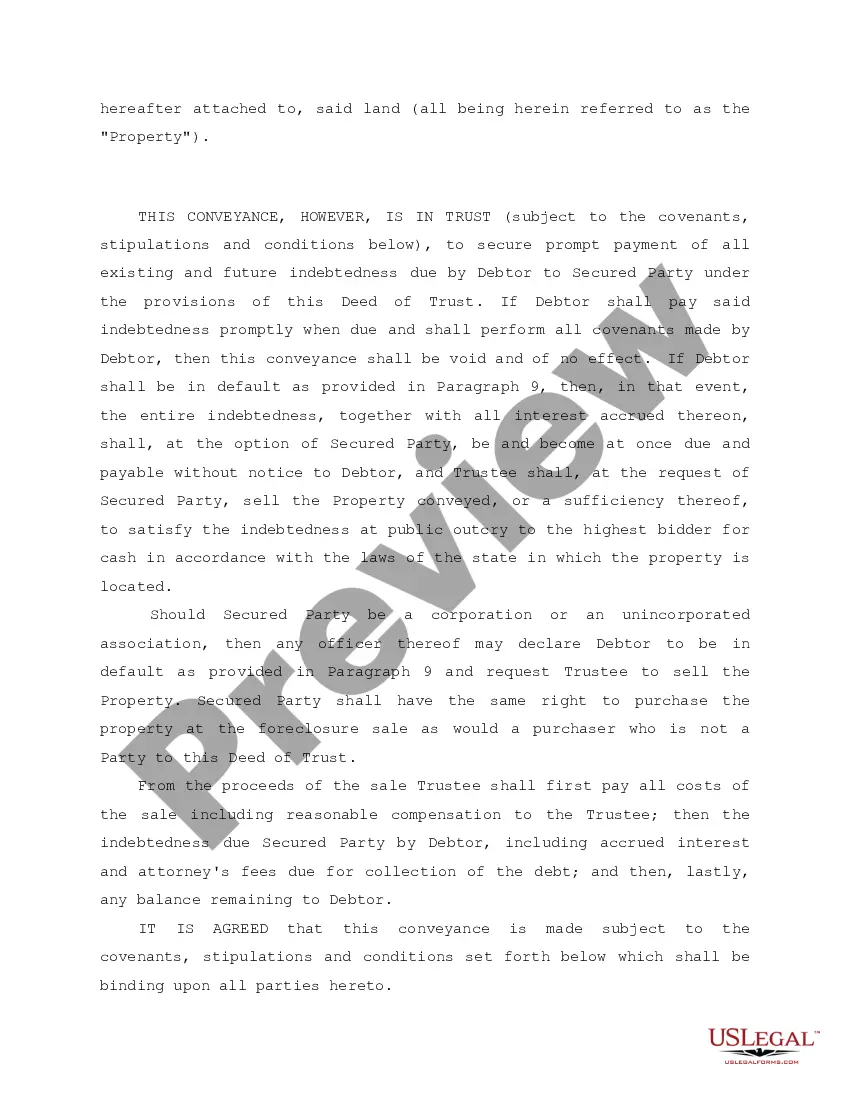
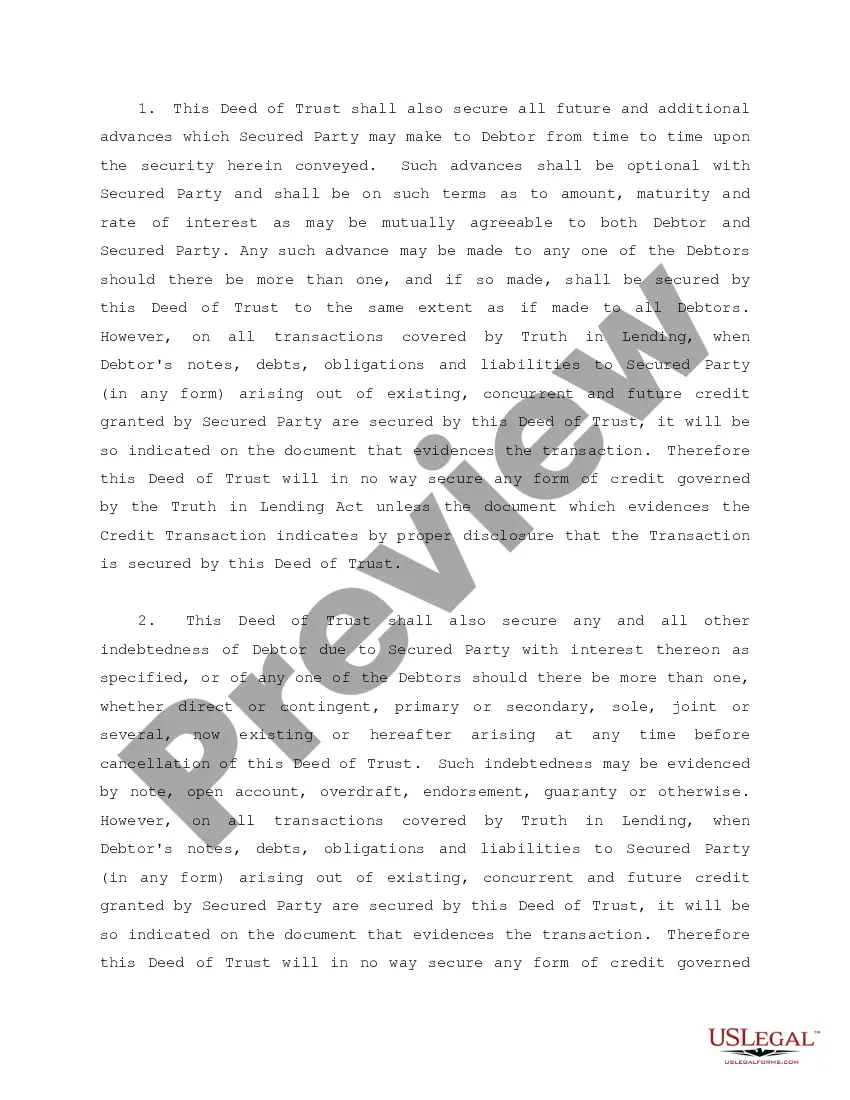
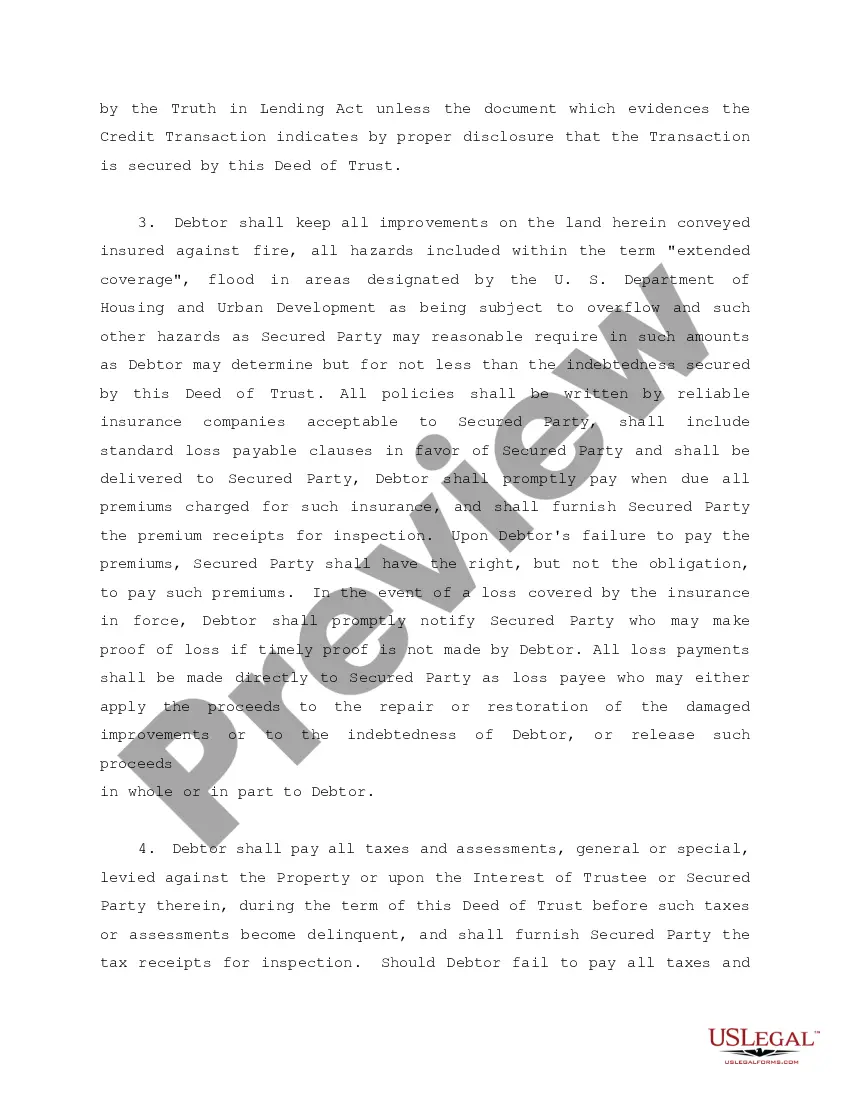
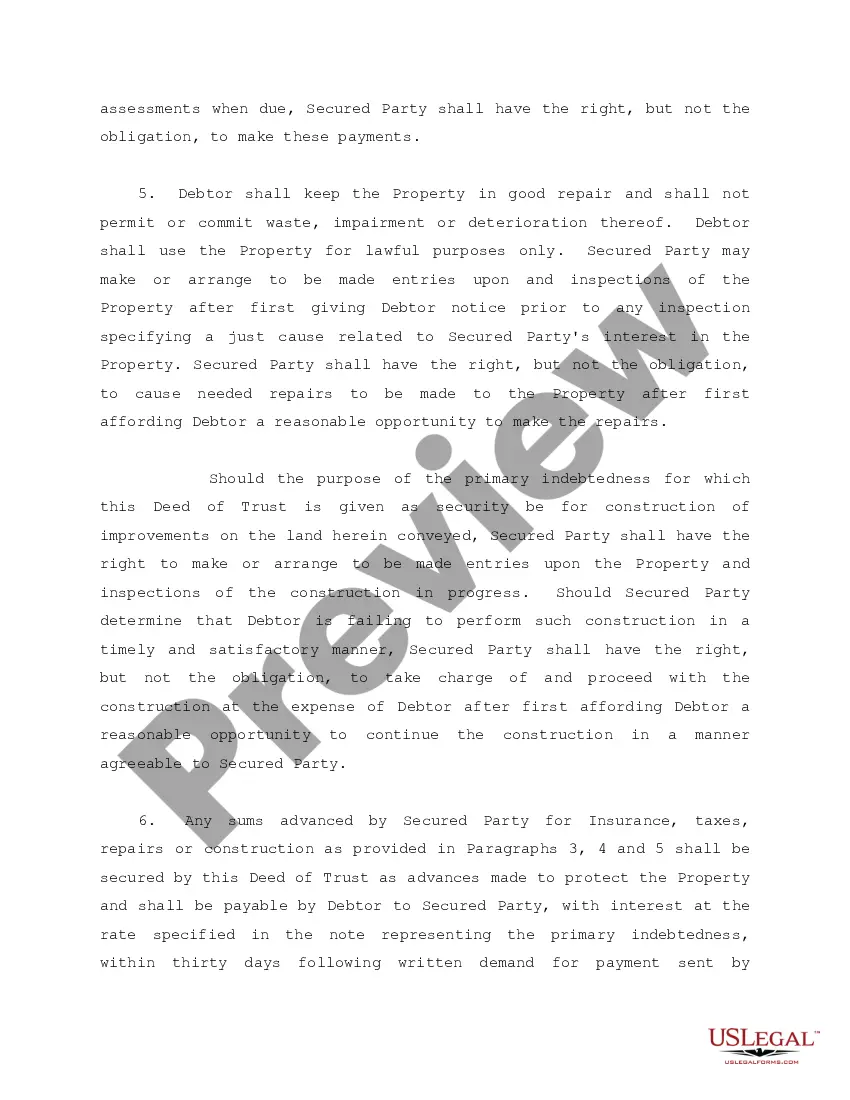


Get your form ready online
Our built-in tools help you complete, sign, share, and store your documents in one place.
Make edits, fill in missing information, and update formatting in US Legal Forms—just like you would in MS Word.
Download a copy, print it, send it by email, or mail it via USPS—whatever works best for your next step.
Sign and collect signatures with our SignNow integration. Send to multiple recipients, set reminders, and more. Go Premium to unlock E-Sign.
If this form requires notarization, complete it online through a secure video call—no need to meet a notary in person or wait for an appointment.
We protect your documents and personal data by following strict security and privacy standards.

Make edits, fill in missing information, and update formatting in US Legal Forms—just like you would in MS Word.

Download a copy, print it, send it by email, or mail it via USPS—whatever works best for your next step.

Sign and collect signatures with our SignNow integration. Send to multiple recipients, set reminders, and more. Go Premium to unlock E-Sign.

If this form requires notarization, complete it online through a secure video call—no need to meet a notary in person or wait for an appointment.

We protect your documents and personal data by following strict security and privacy standards.
Looking for another form?








Form popularity
FAQ
Statute of Limitations in New York Thanks to a law passed in 2021, the statute of limitations of debt in New York is three years, which means that's how much time a debt collector has to file a lawsuit to recover the debt through the court system.
In most states, the statute of limitations for collecting on credit card debt is between three and 10 years, but a few states allow for longer periods, extending up to 15 years.
Effective April 7, 2022, the New York statute of limitations for debt collection lawsuits arising out of a consumer credit transaction is reduced from six years to three years.
What Are the Current Chapter 13 Debt Limits? The debt limitations set for cases filed between April 1, 2022, and March 31, 2025, are $1,395,875 of secured debt, and $465,275 of unsecured debt.
What Is the Statute of Limitations for Debt in New York? The New York statute of limitations for consumer debt is three years. This means creditors or debt collectors have three years to try to collect on an unpaid debt or sue you for a debt. After this time limit has expired, the debt is considered time-barred.
If your credit score is lower than 670, debt consolidation may not be a good option for you. Consolidating debt when you have bad credit can be challenging.
Strategies like debt management plans, alternative consolidation loans and even debt settlement programs provide relief tailored to those with low credit scores. While each option has its pros and cons, the key is to choose the one that aligns with your financial situation and long-term goals.
“It does not be come a secured debt unless it is perfected in a lien,” Steve Rhode, a consumer debt expert, said. “A judgment is a legal ruling that a debt is owed and it can be cleared with bankruptcy. If it is converted to a lien and then recorded against the property, it is secured by the property.
Secured debt - A debt that is backed by real or personal property is a “secured” debt. A creditor whose debt is “secured” has a legal right to take the property as full or partial satisfaction of the debt. For example, most homes are burdened by a “secured debt”.
