Secured Debt Any For Auto Loan In San Jose
Description

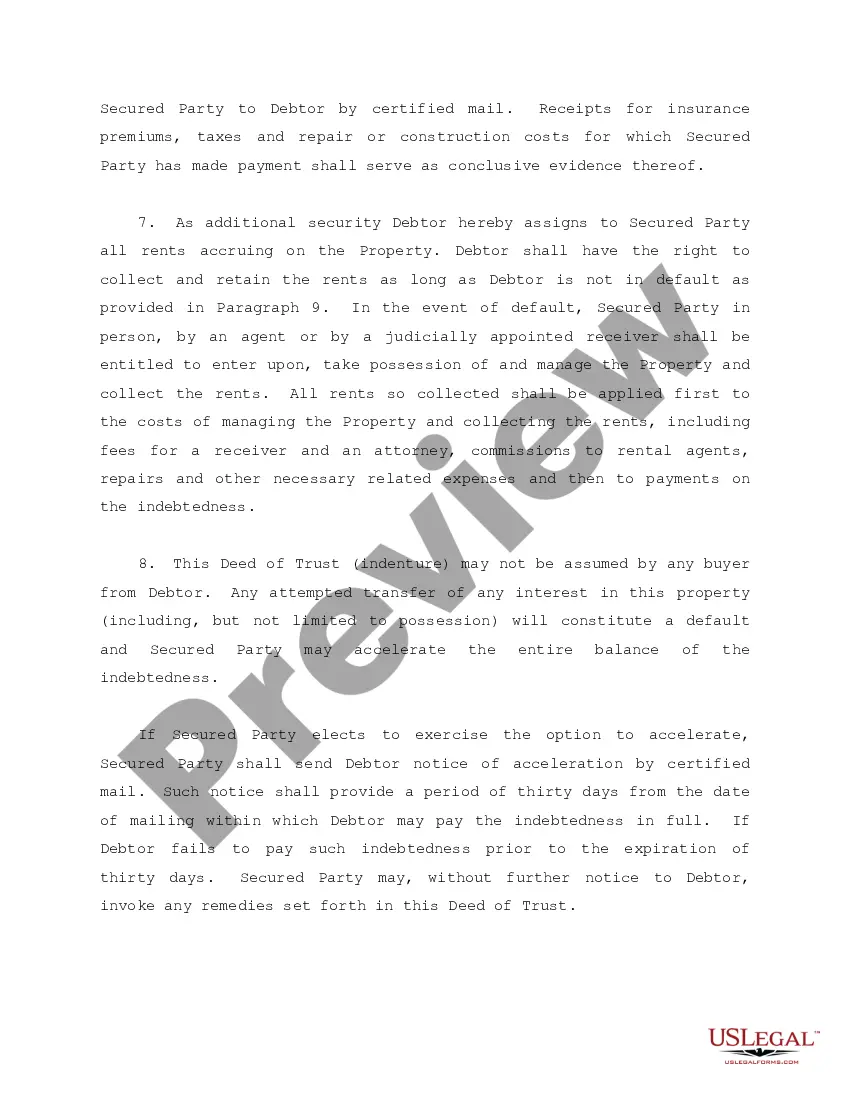
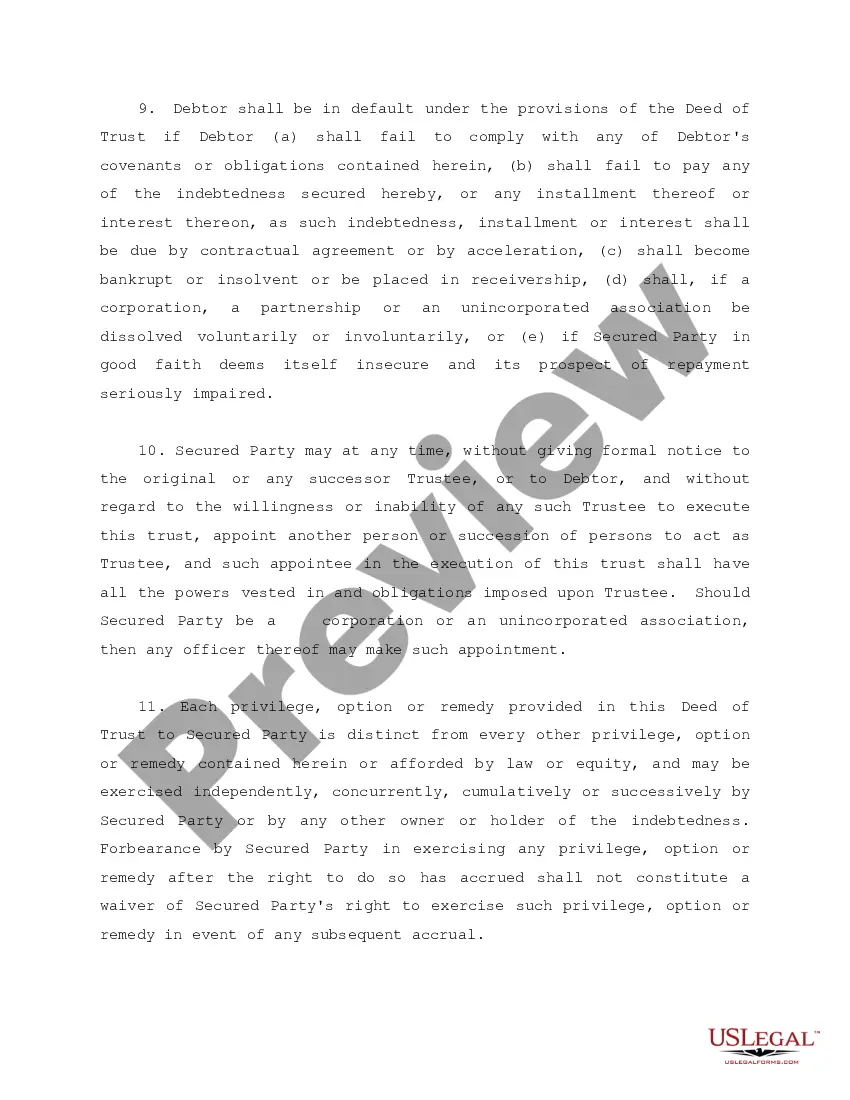
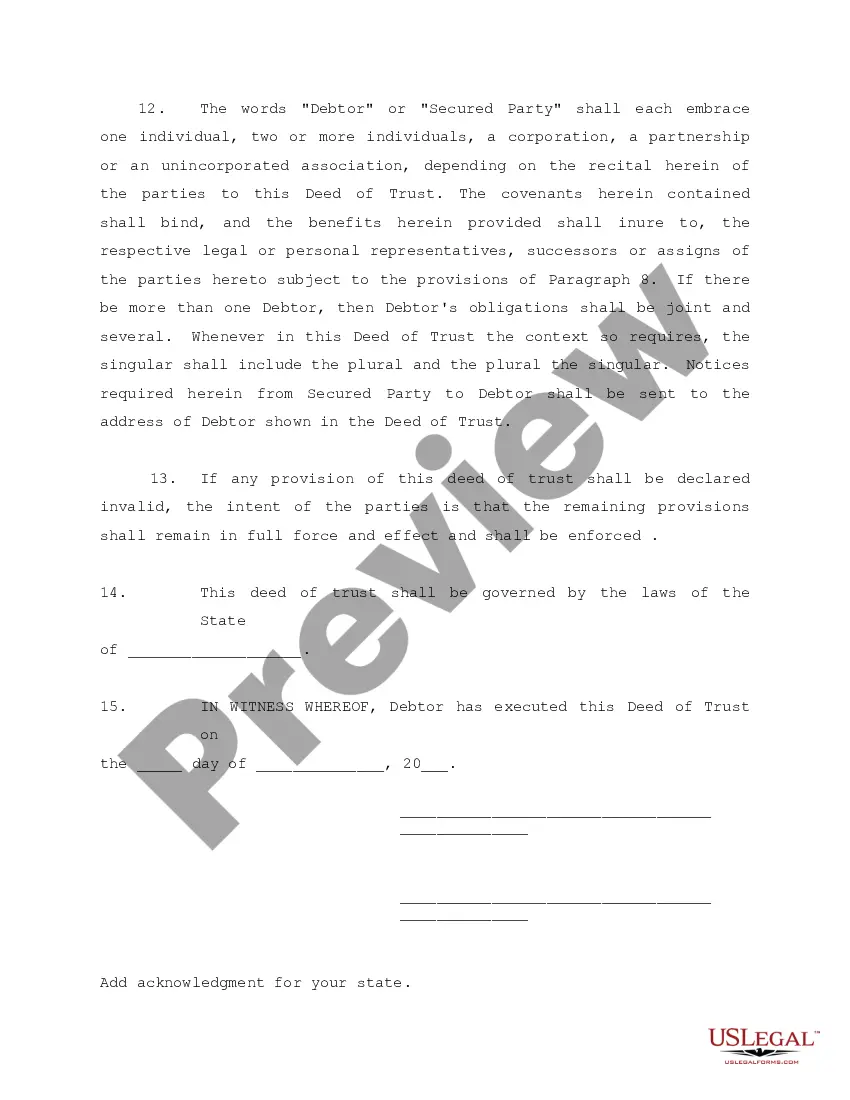
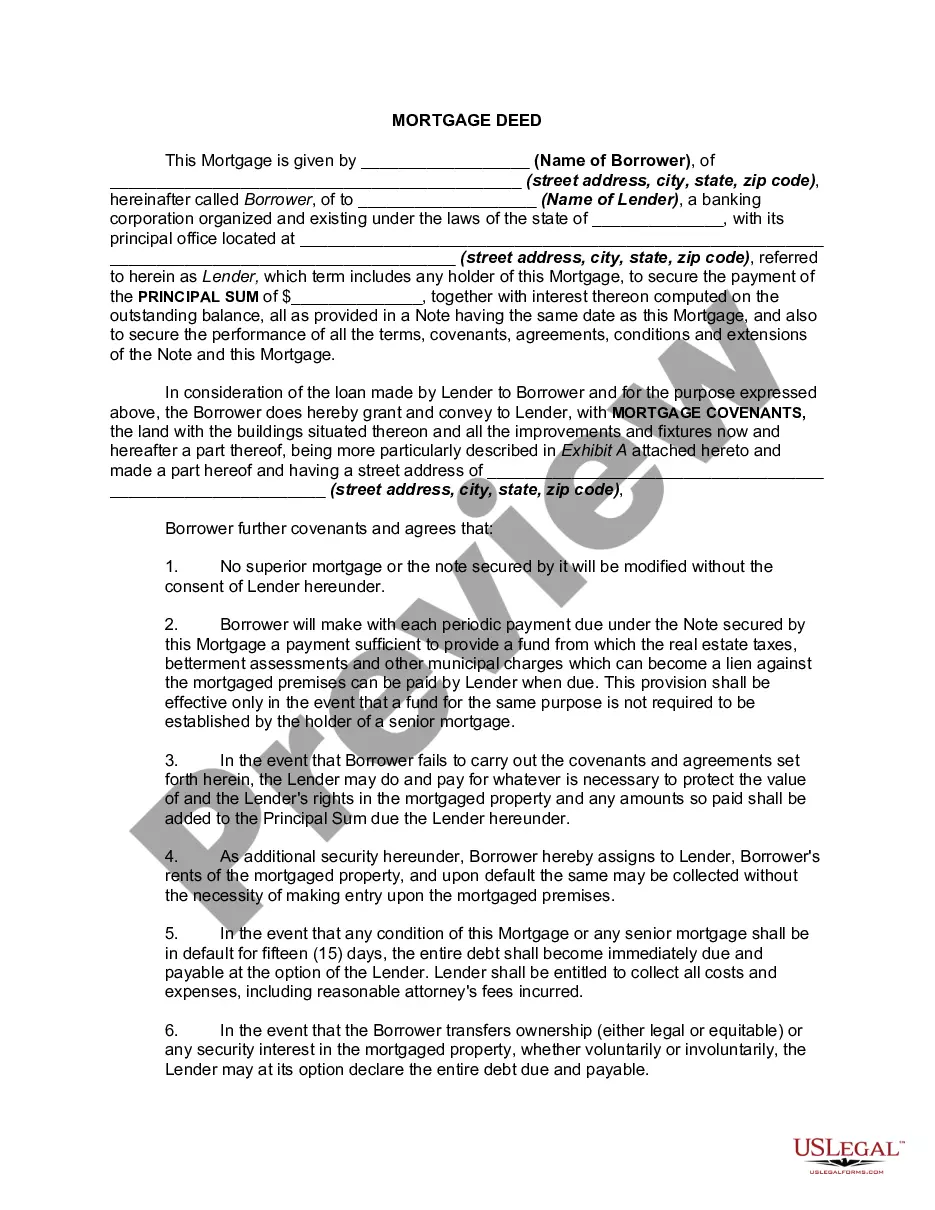

Get your form ready online
Our built-in tools help you complete, sign, share, and store your documents in one place.
Make edits, fill in missing information, and update formatting in US Legal Forms—just like you would in MS Word.
Download a copy, print it, send it by email, or mail it via USPS—whatever works best for your next step.
Sign and collect signatures with our SignNow integration. Send to multiple recipients, set reminders, and more. Go Premium to unlock E-Sign.
If this form requires notarization, complete it online through a secure video call—no need to meet a notary in person or wait for an appointment.
We protect your documents and personal data by following strict security and privacy standards.

Make edits, fill in missing information, and update formatting in US Legal Forms—just like you would in MS Word.

Download a copy, print it, send it by email, or mail it via USPS—whatever works best for your next step.

Sign and collect signatures with our SignNow integration. Send to multiple recipients, set reminders, and more. Go Premium to unlock E-Sign.

If this form requires notarization, complete it online through a secure video call—no need to meet a notary in person or wait for an appointment.

We protect your documents and personal data by following strict security and privacy standards.
Looking for another form?



Form popularity
FAQ
In this article, we outline four common types of debt and key considerations for each. Mortgage. Mortgage debt, which makes up the largest percentage of all consumer debt, provides the most financial benefits to consumers. Student Loans. Auto Loans. Credit Cards.
Unsecured debt refers to debt created without any collateral promised to the creditor. In many loans, like mortgages and car loans, the creditor has a right to take the property if payments are not made.
Debt Assets means the following asset classes: (A) first mortgage loans, (B) subordinate mortgage interests, (C) mezzanine loans and (D) preferred equity investments, in each case relating to commercial real estate.
These days, many credit card companies offer the option to set up automatic payments, or autopay. Thanks to this feature, you may never have to worry about making a late payment or missing one altogether — either of which may lead to fees and a reduced credit score.
Unsecured debt can take the form of things like traditional credit cards, personal loans, student loans and medical bills.
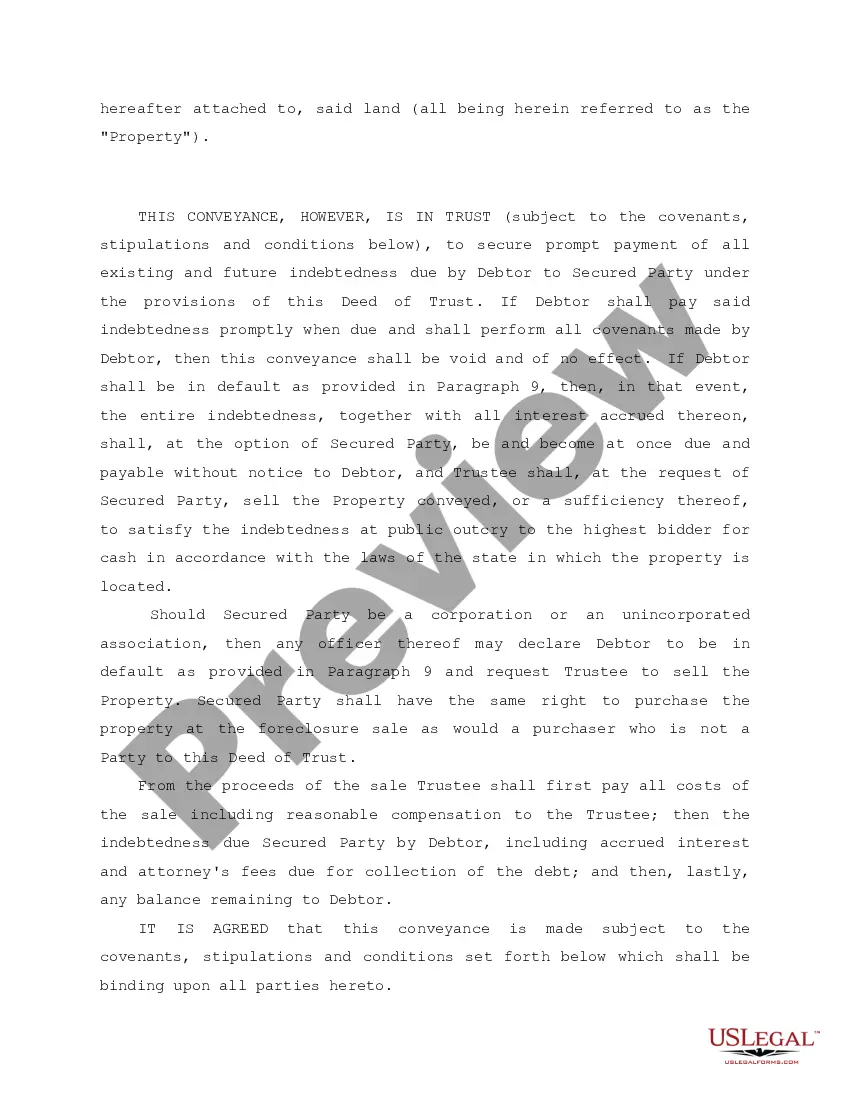
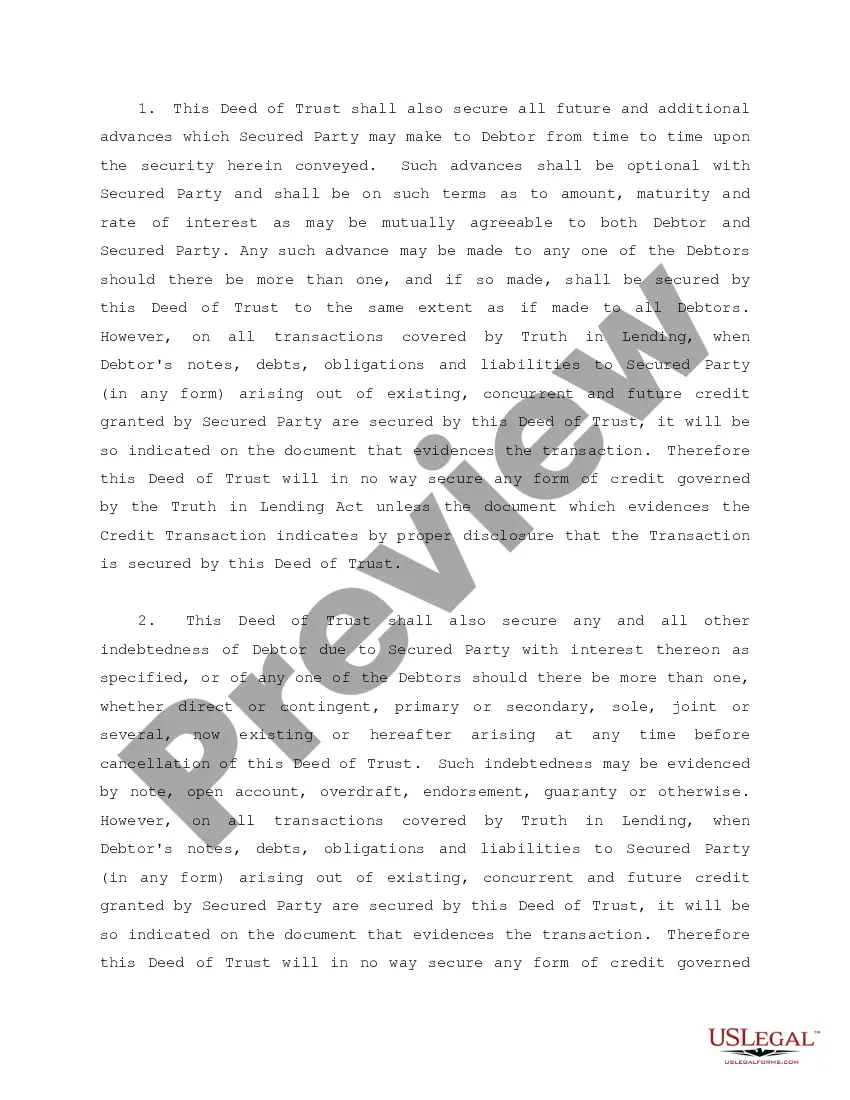
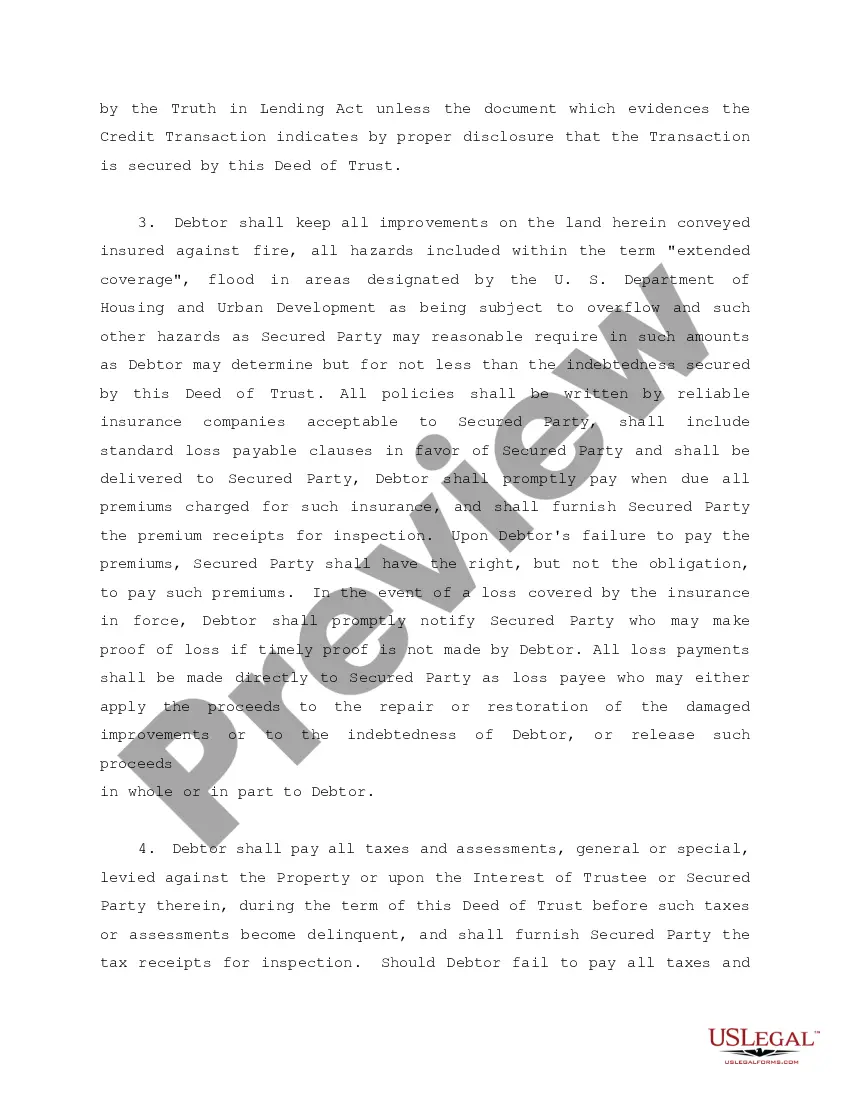
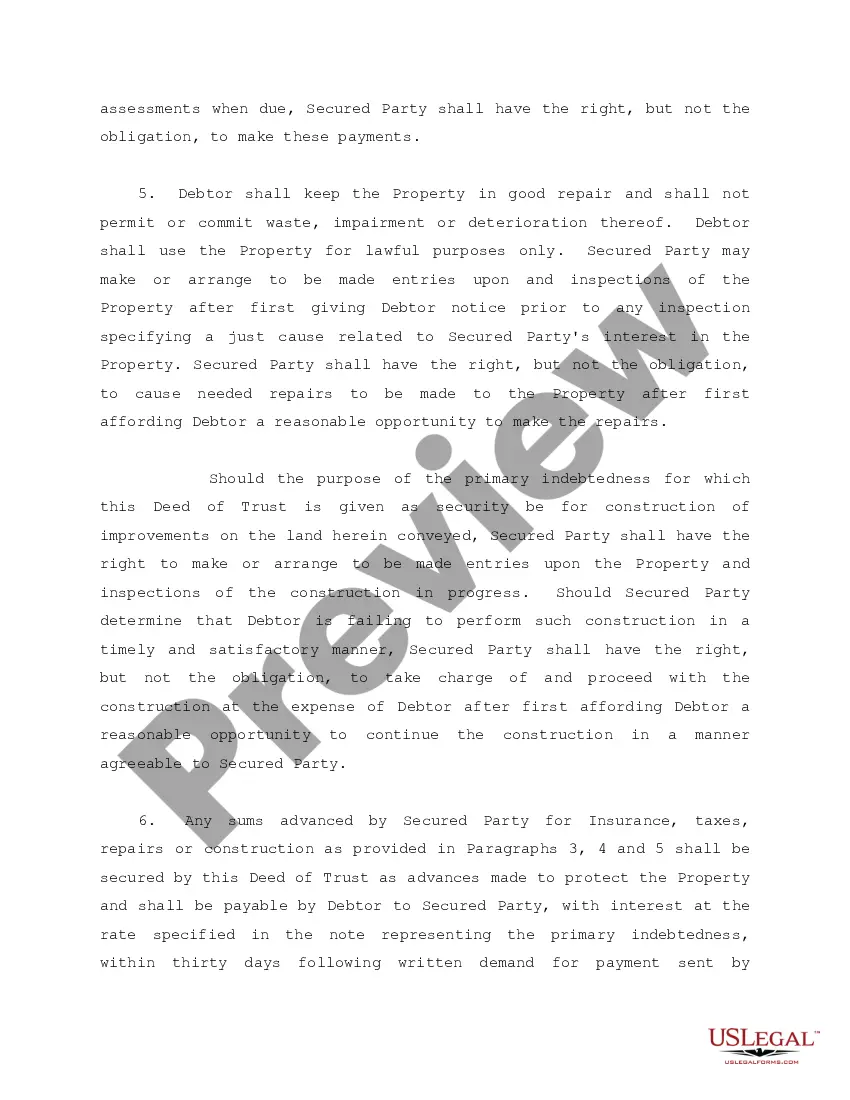
Secured debt - A debt that is backed by real or personal property is a “secured” debt. A creditor whose debt is “secured” has a legal right to take the property as full or partial satisfaction of the debt. For example, most homes are burdened by a “secured debt”.
Returning your car to the lender before you are finished paying it off is called a voluntary surrender or voluntary repossession. In terms of your credit, a voluntary surrender is considered derogatory and will have a substantially negative impact on your scores, so it should be a last resort.
A Chapter 7 bankruptcy can be completed within 90 days so you only need to wait that short period if you want to buy a car or refinance your home. If you need transportation, try to borrow a car, see if you can get a deal on long term rentals, or go green and use public transportation.
If you file a Chapter 7, the automatic stay prevents your car from being repossessed. However, this temporary measure lasts only as long as the case remains open. If you're behind on your payments, the lender can seek court permission to repossess the vehicle before your case ends.
Don't Incur Additional Debt During Chapter 13 bankruptcy, you can't take on new debt like credit cards or loans. This is because you already have a plan to repay your existing debts. Taking on more debt would make it harder to stick to your plan and could even get your case thrown out.
