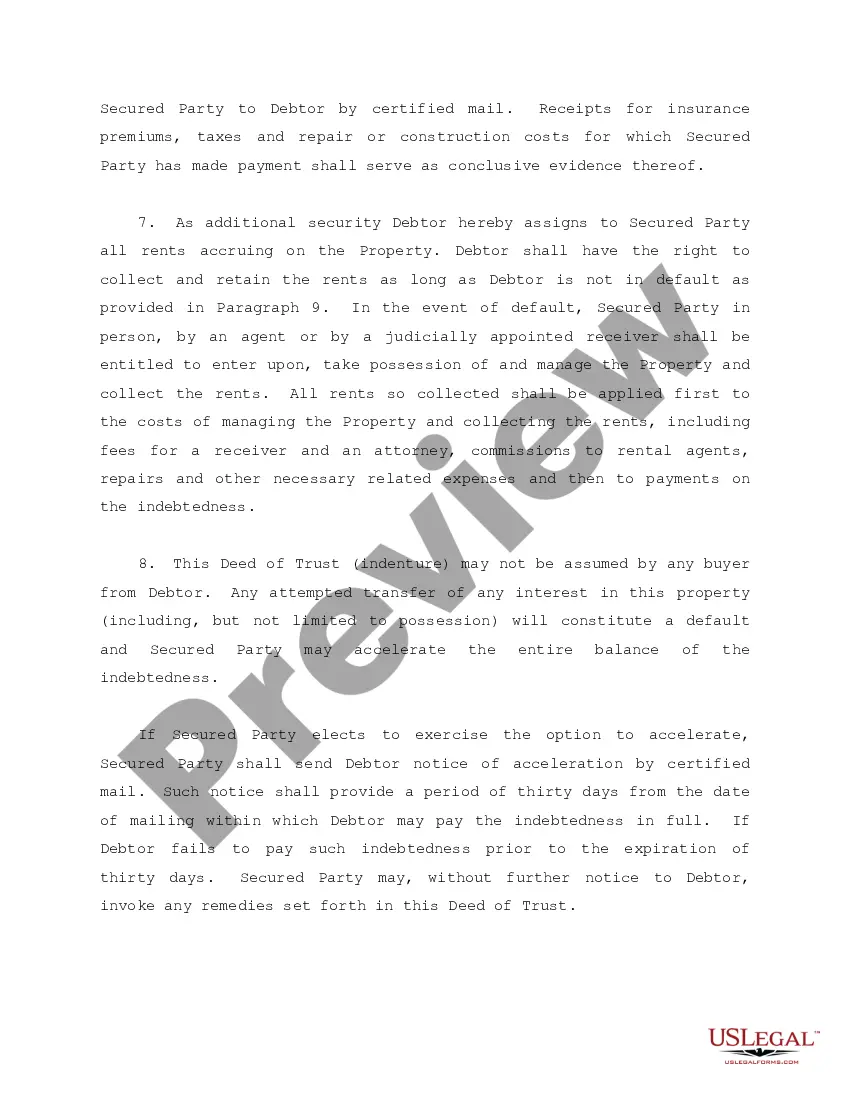
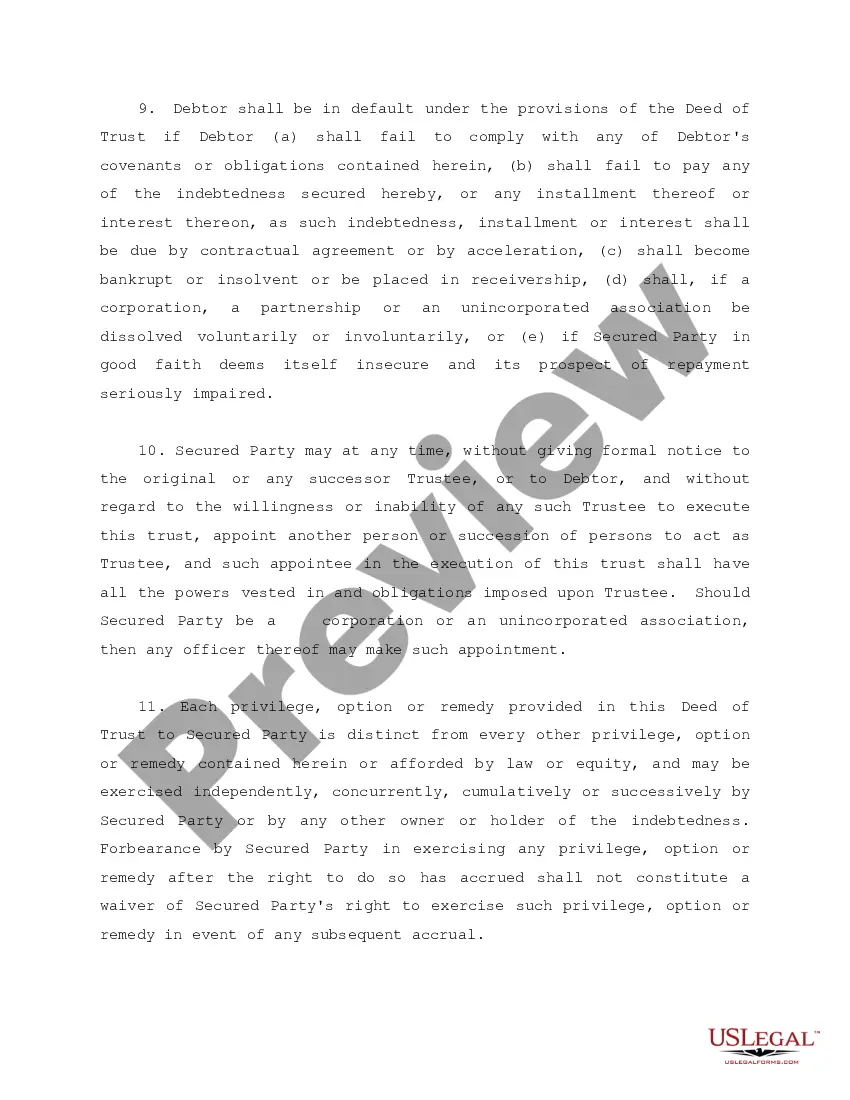
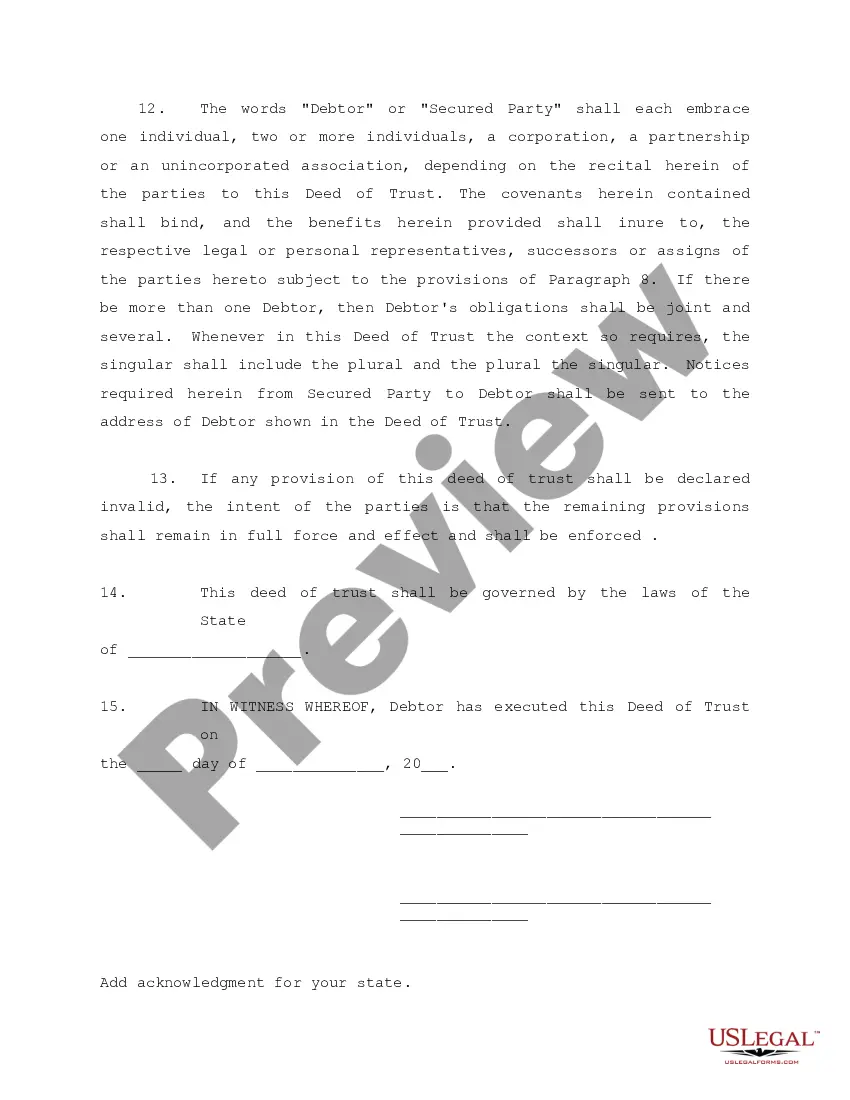
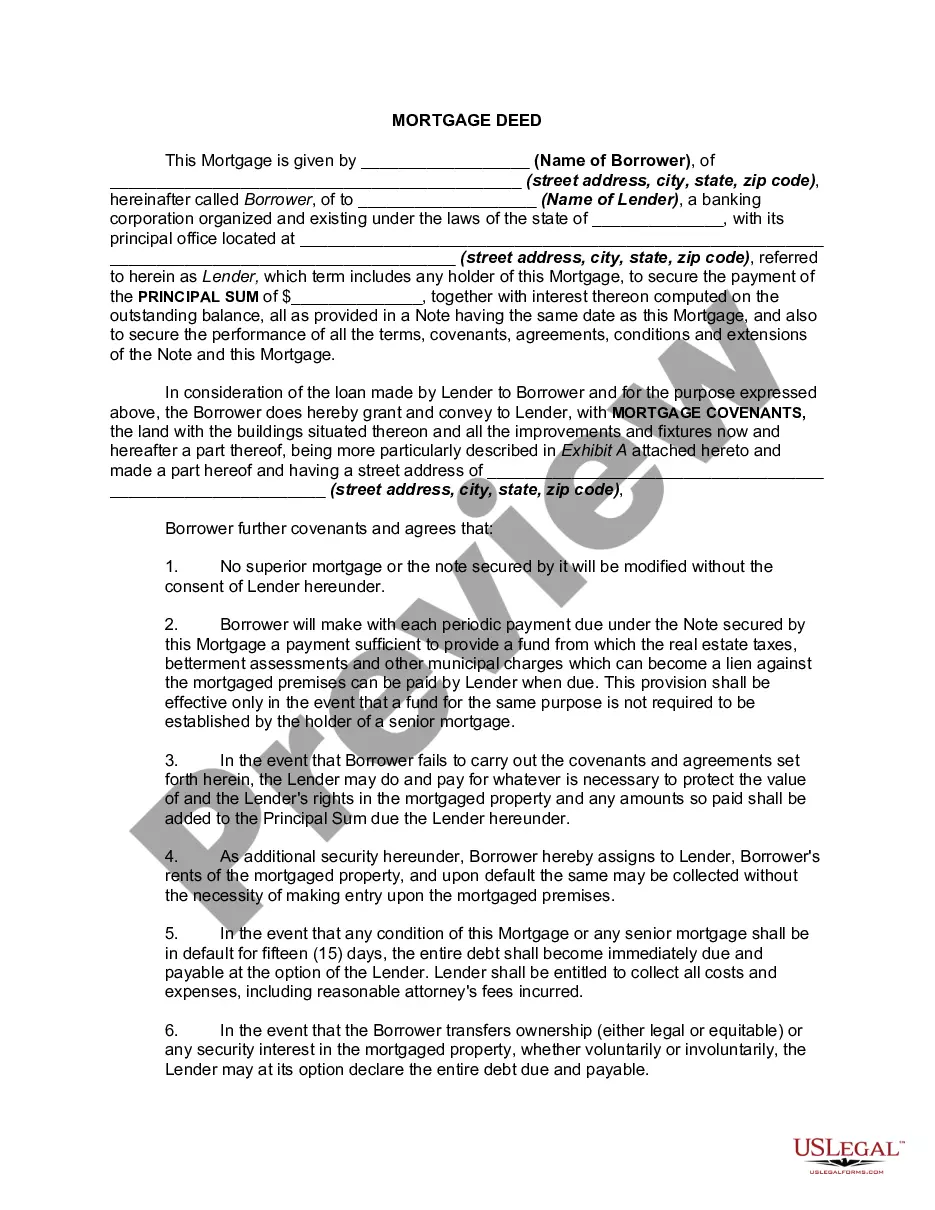
Blank Deed Of Trust Form In San Bernardino
Description


Get your form ready online
Our built-in tools help you complete, sign, share, and store your documents in one place.
Make edits, fill in missing information, and update formatting in US Legal Forms—just like you would in MS Word.
Download a copy, print it, send it by email, or mail it via USPS—whatever works best for your next step.
Sign and collect signatures with our SignNow integration. Send to multiple recipients, set reminders, and more. Go Premium to unlock E-Sign.
If this form requires notarization, complete it online through a secure video call—no need to meet a notary in person or wait for an appointment.
We protect your documents and personal data by following strict security and privacy standards.

Make edits, fill in missing information, and update formatting in US Legal Forms—just like you would in MS Word.

Download a copy, print it, send it by email, or mail it via USPS—whatever works best for your next step.

Sign and collect signatures with our SignNow integration. Send to multiple recipients, set reminders, and more. Go Premium to unlock E-Sign.

If this form requires notarization, complete it online through a secure video call—no need to meet a notary in person or wait for an appointment.

We protect your documents and personal data by following strict security and privacy standards.
Looking for another form?
Form popularity
FAQ
To change the name(s) on real property, the present owner(s) may execute a new deed conveying the property from the name(s) as they presently appear, to the name(s) that will be used to hold title. Full names of all parties must be used.
Some of the most common reasons trusts are invalid include: Legal formalities were not followed when executing the trust instrument. The trust was created or modified through forgery or another type of fraud. The trust maker was not mentally competent when they created or modified the trust.
Ing to California Trust law: In order for a trust to exist there must be trust property. There must be a Grantor (sometimes referred to as a Settlor or Trustor). A Grantor is the person who transfers the property into the trust and creates the terms of the trust.
Record the Signed Documents at the County Recorder's Office Take the original signed and notarized Deed of Trust and Promissory Note to the County Recorder's Office for the county where the property is located. In Sacramento, this is at 3636 American River Drive, Ste. 110, Sacramento CA 95864.
The assignment is typically from the originating lender, who purports to grant, assign, and transfer all beneficial interest in the deed of trust to the designated assignee.
It must: Be in writing. Have an amount which matches the amount on the Note(s) Have a date which matches the date on the Note(s) Have a complete legal description of the property(s) being encumbered (street address only is not sufficient)
While a trust does not need to be notarized in California to be valid, there are a few reasons why you may want to consider having it notarized. Notarizing a trust can increase its authenticity, reduce the risk of fraud, and make it easier to transfer assets to the trust.
Where to Get a Deed of Trust? To get a Deed of Trust, you must file the proper paperwork with the proper court as generally outlined above. These documents must be filed with the county clerk or recorder, and the lender typically sends them to the recording office after the property closing.
Step-by-Step Instructions Determine the Parties to The Agreement. There will be three parties to these agreements. Prepare the Deed of Trust and Promissory Note. Get the Signatures Notarized. Record the Signed Documents at the County Recorder's Office. What Happens Next?
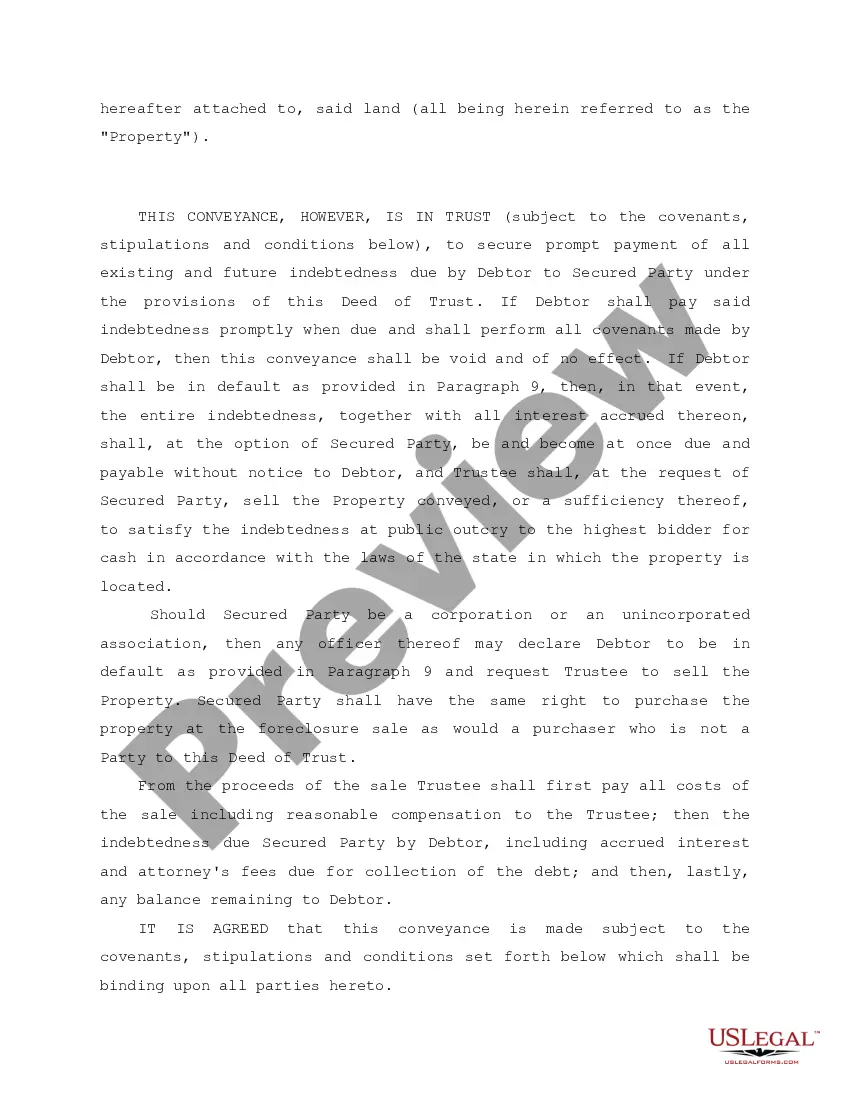
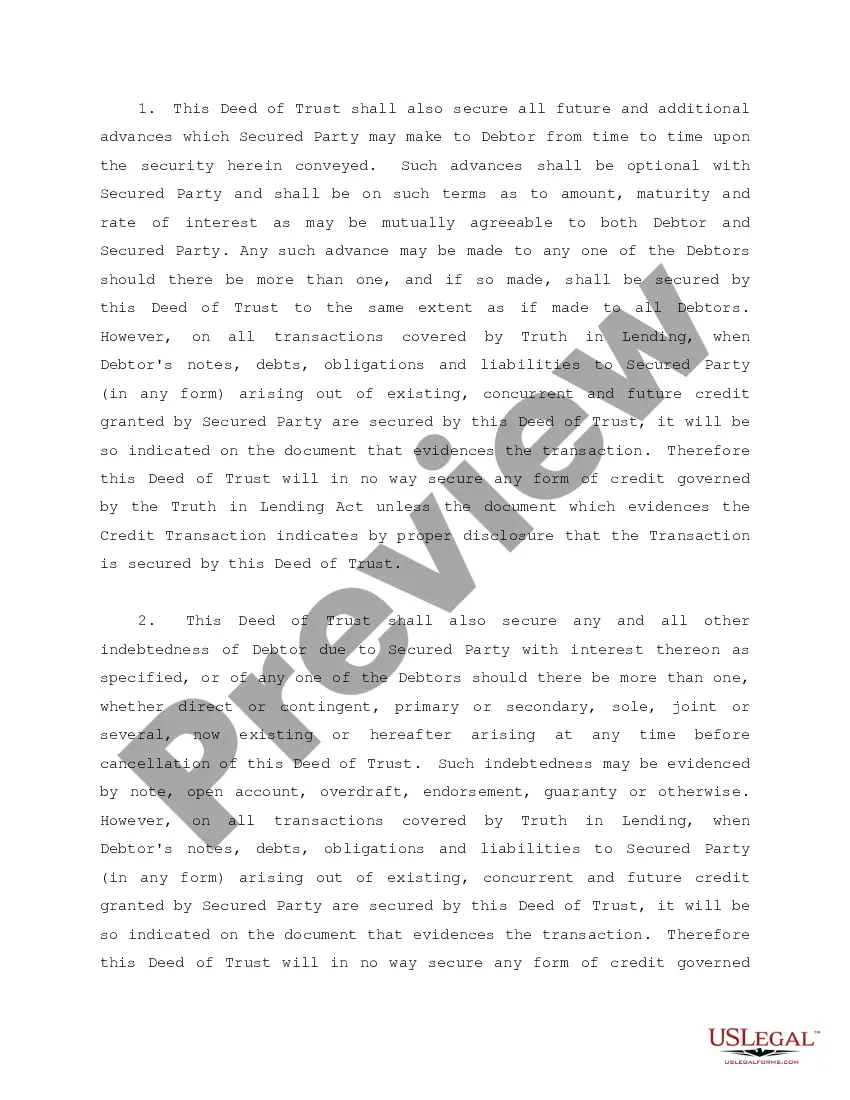
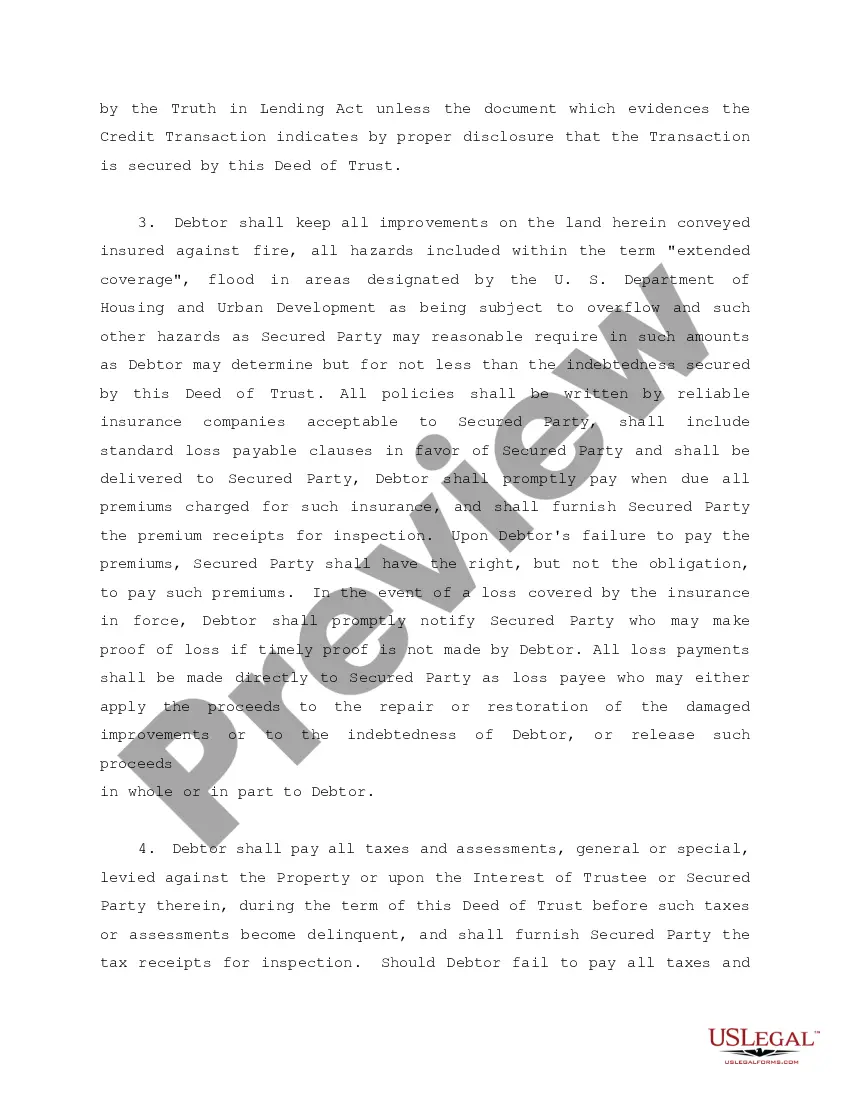
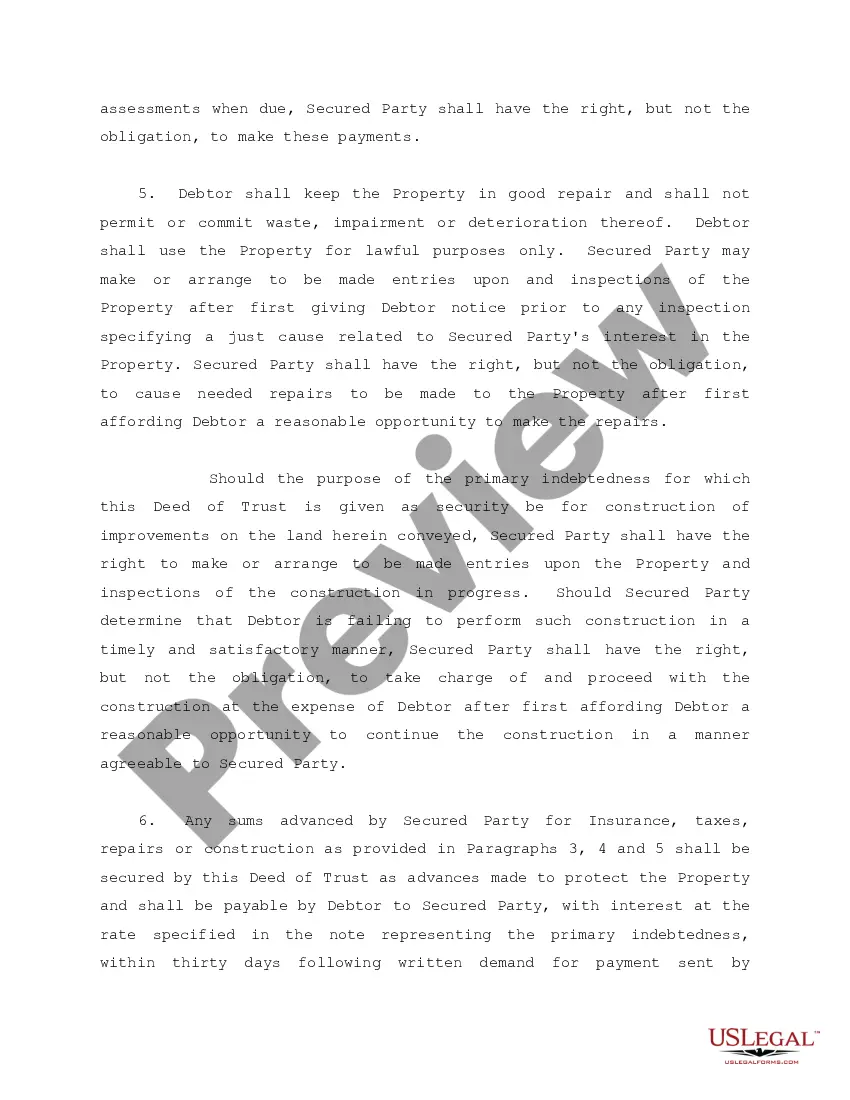
The Long Form, which could be 20-30 pages long, is the one used by institutional lenders.