Secured Debt Shall For Bad Credit In Salt Lake
Description

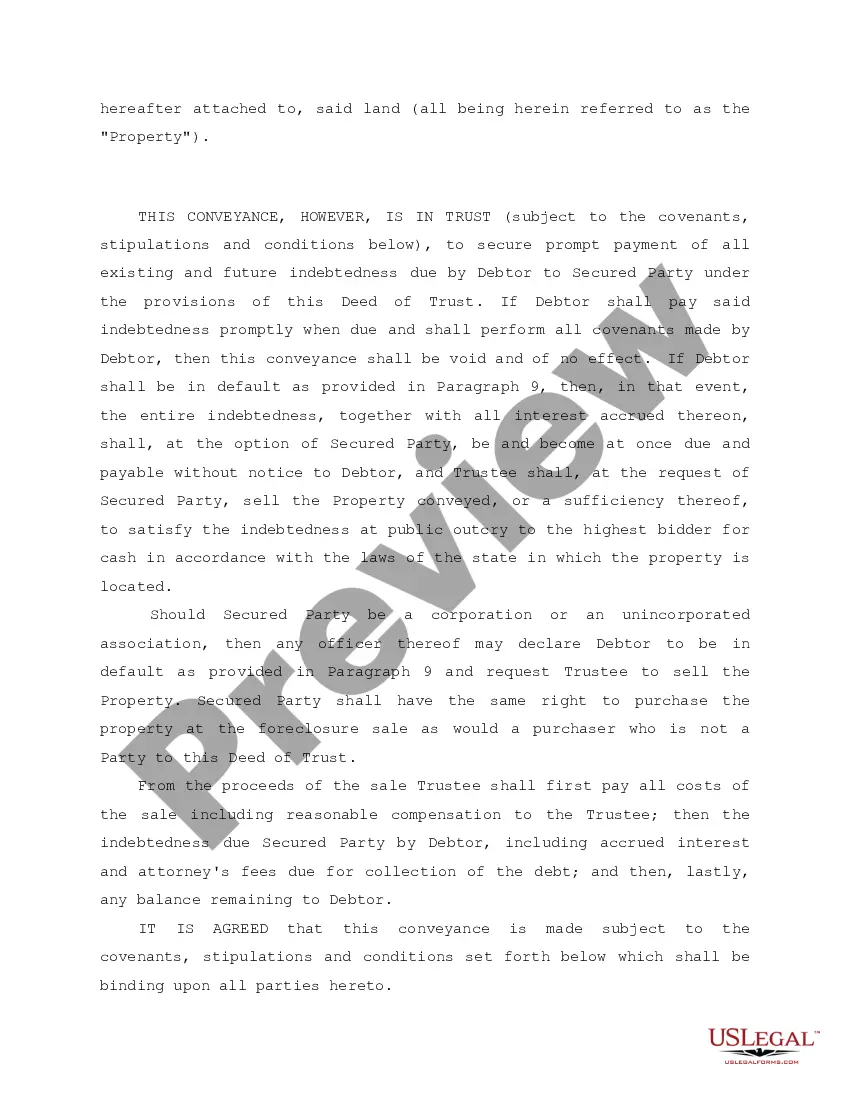
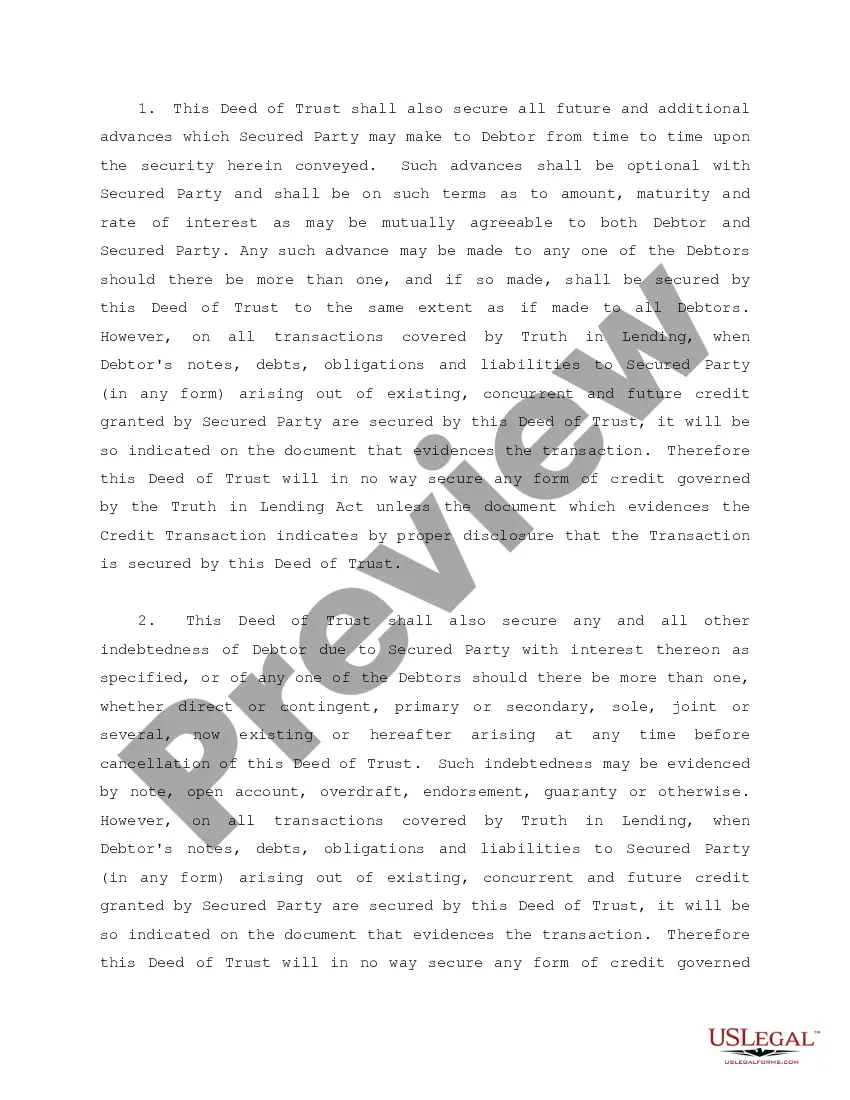
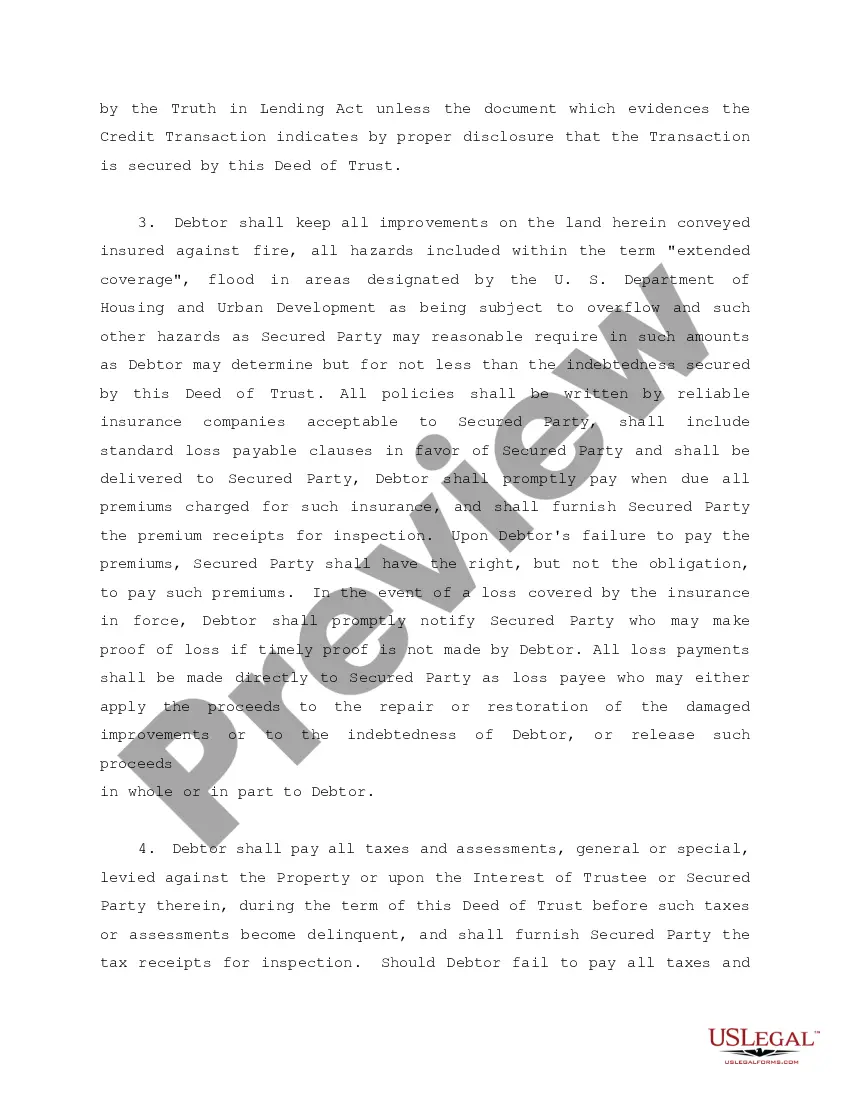
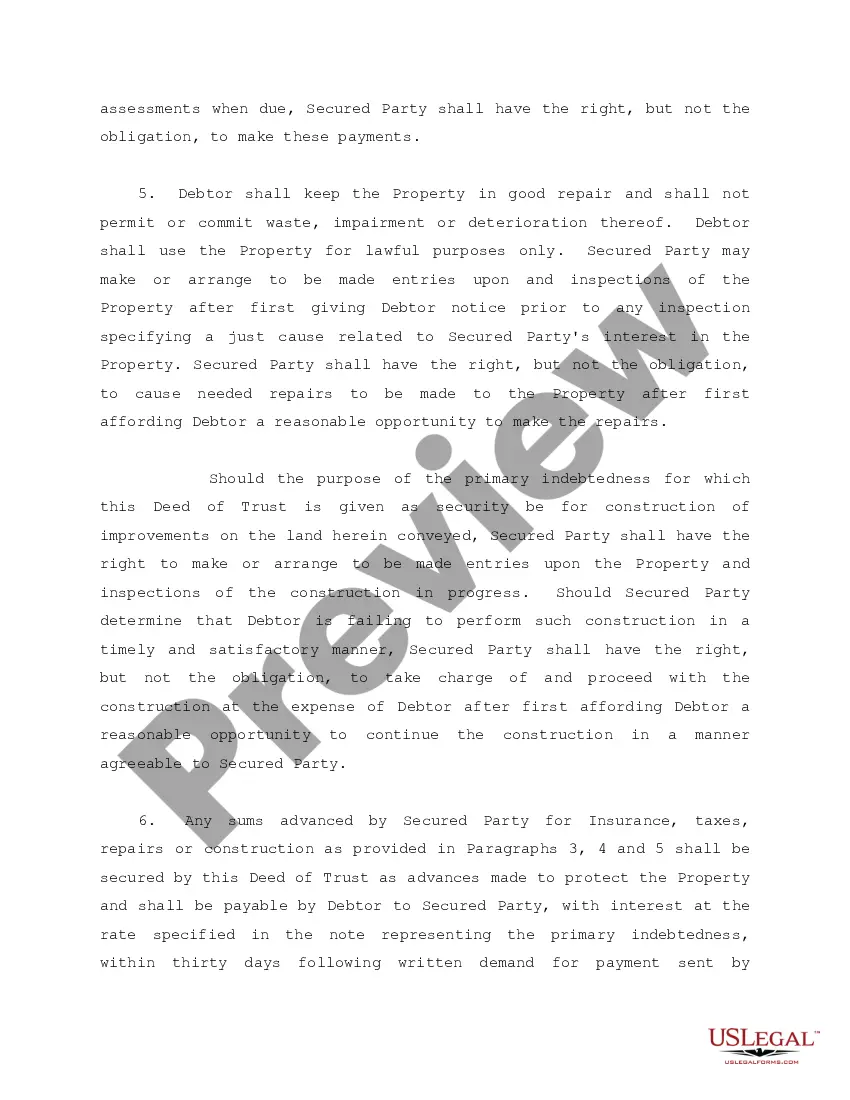
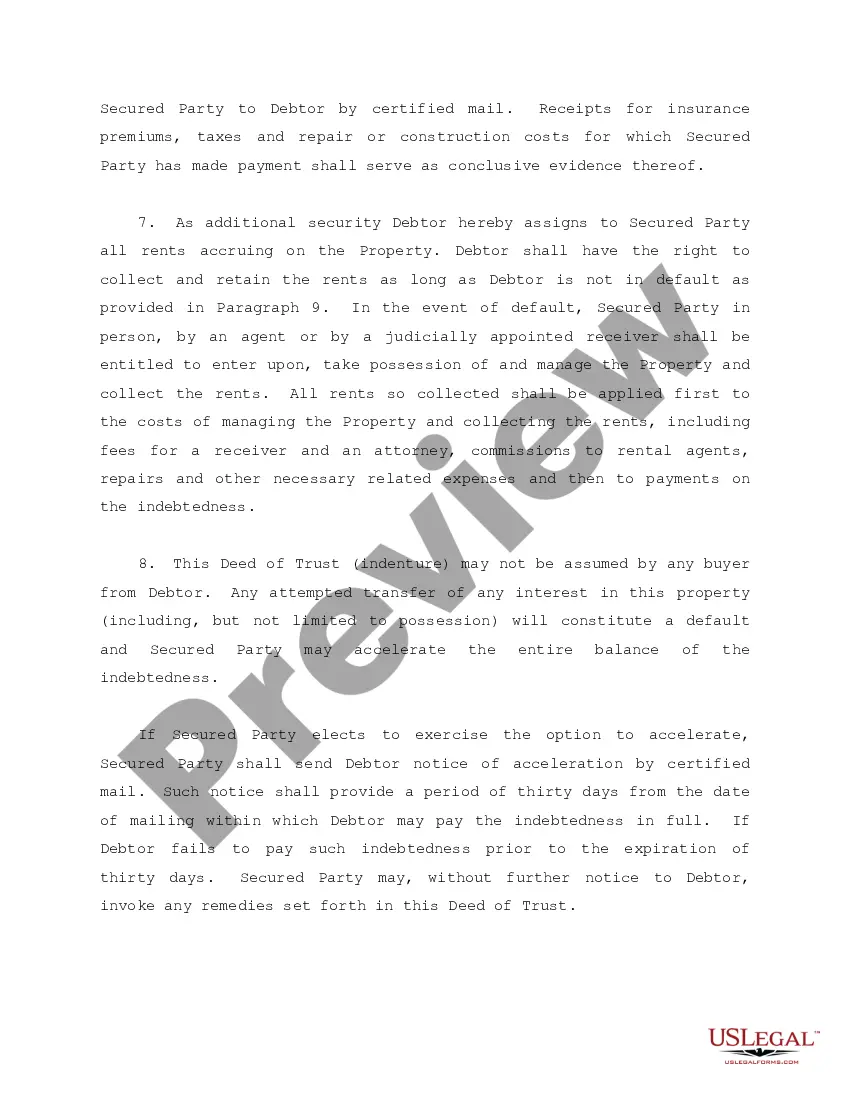
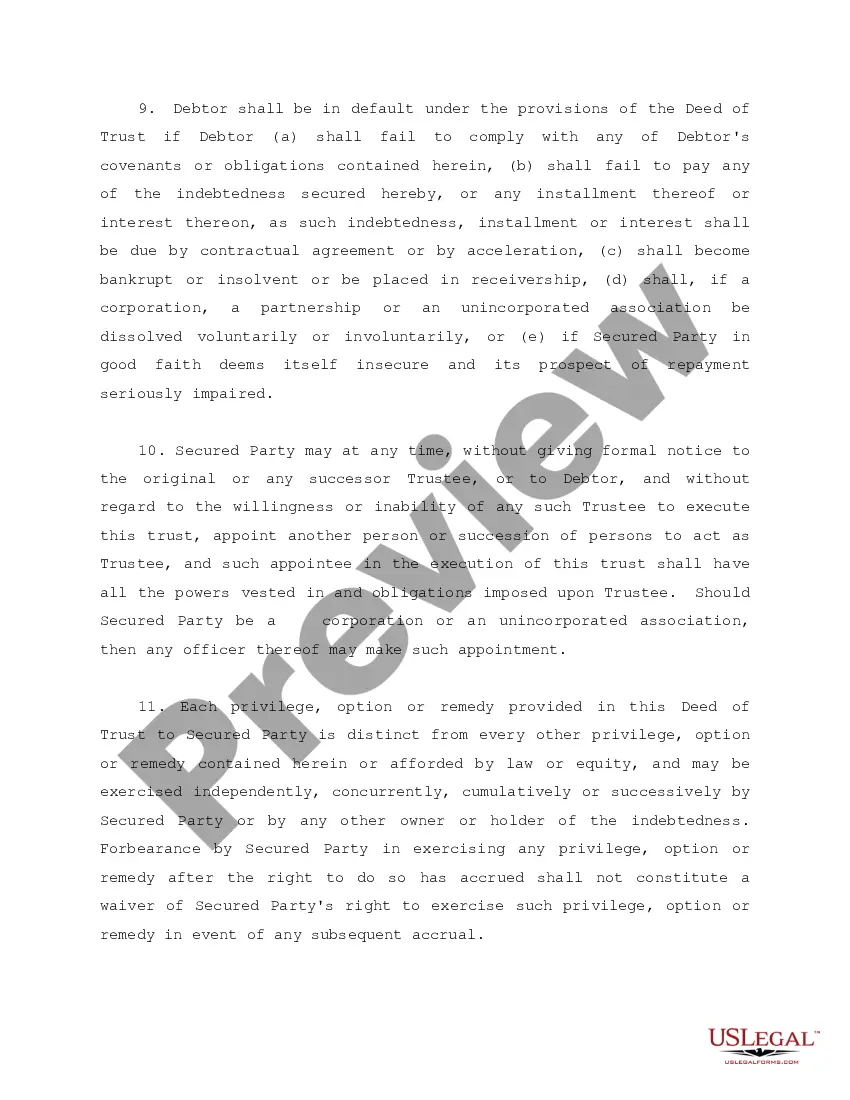
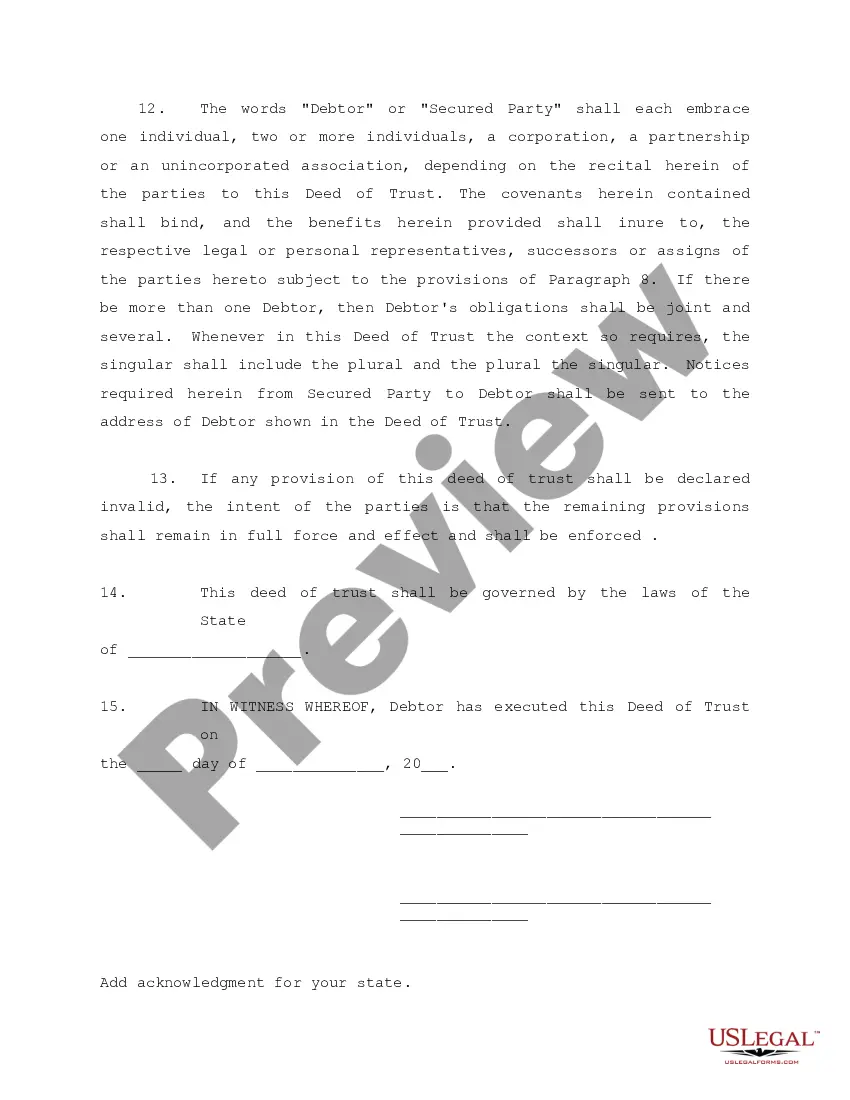
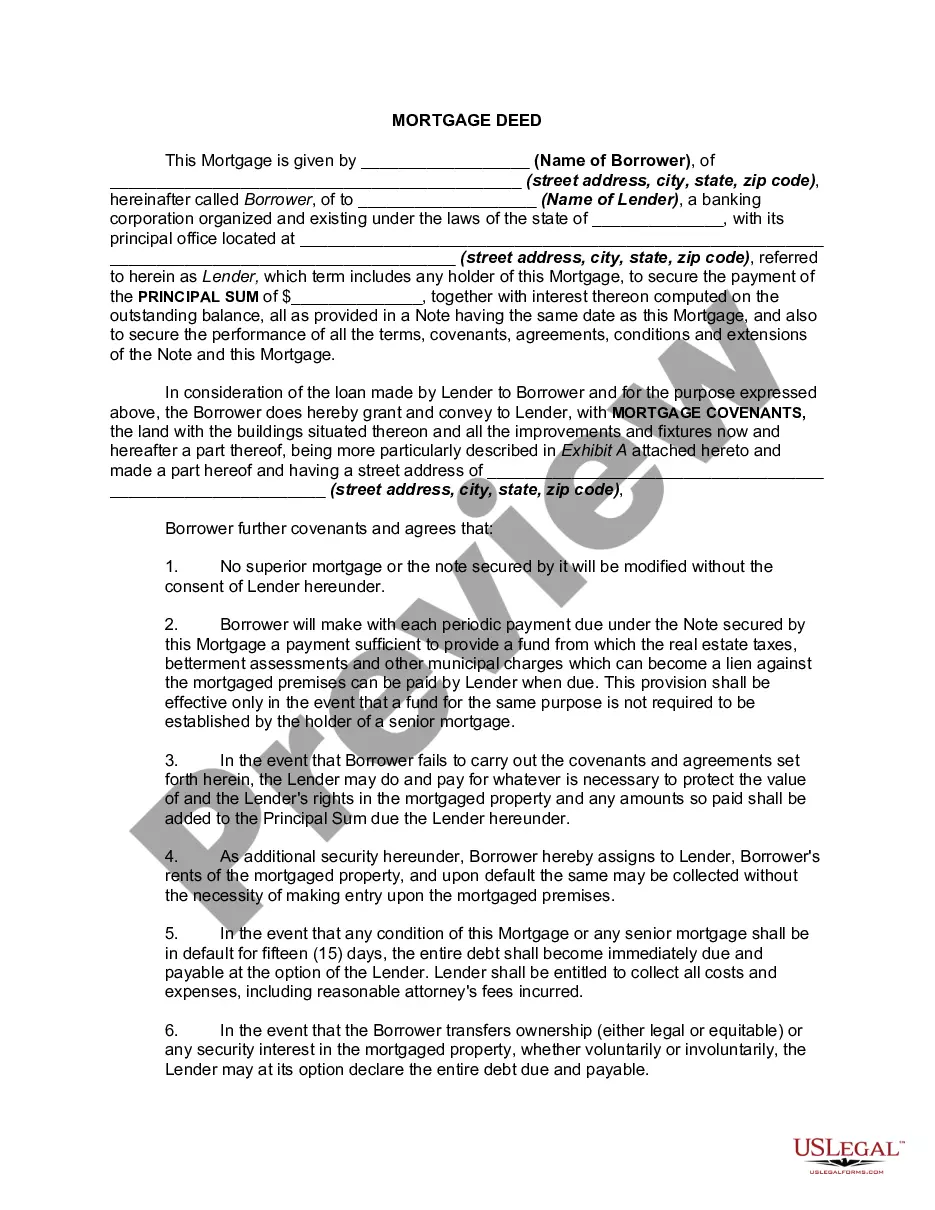

Get your form ready online
Our built-in tools help you complete, sign, share, and store your documents in one place.
Make edits, fill in missing information, and update formatting in US Legal Forms—just like you would in MS Word.
Download a copy, print it, send it by email, or mail it via USPS—whatever works best for your next step.
Sign and collect signatures with our SignNow integration. Send to multiple recipients, set reminders, and more. Go Premium to unlock E-Sign.
If this form requires notarization, complete it online through a secure video call—no need to meet a notary in person or wait for an appointment.
We protect your documents and personal data by following strict security and privacy standards.

Make edits, fill in missing information, and update formatting in US Legal Forms—just like you would in MS Word.

Download a copy, print it, send it by email, or mail it via USPS—whatever works best for your next step.

Sign and collect signatures with our SignNow integration. Send to multiple recipients, set reminders, and more. Go Premium to unlock E-Sign.

If this form requires notarization, complete it online through a secure video call—no need to meet a notary in person or wait for an appointment.

We protect your documents and personal data by following strict security and privacy standards.
Looking for another form?


Form popularity
FAQ
Yes, debt consolidation with bad credit is possible, but it may be more difficult to obtain than if you had good credit. Debt consolidation is a strategy to combine multiple debts into one, often with a lower interest rate, to make it easier to manage your payments and reduce your overall debt.
The Limitation Act says that the limitation period for mortgage shortfalls is twelve years for capital owed, and six years for the interest part of the shortfall. The cause of action (when the limitation period starts running) for mortgage shortfalls, is usually when the lender is entitled to be repaid in full.
In Utah, for most debts, a creditor has six years to take legal action on that unpaid debt. After the statute of limitations expires, a creditor or debt collector can no longer sue you for the debt.
Lenders apply debt forgiveness in several ways, including through directly negotiated settlements or government programs. You can also approach industry professionals such as debt counselors to assist with repayment plans. However, it's important to keep in mind that debt forgiveness is relatively rare.
This may be possible even if you have a less-than-perfect history, as some lenders specialize in bad credit. Aside from lower rates, consolidating can also help you reduce the number of debt payments you make each month.
Lenders typically prefer a DTI of 36% or lower for consolidation loans. So, as a general rule, if your credit card debt has ballooned to the point where it's more than half of your annual income, debt consolidation might not be the best solution.
Statute of Limitations considerations for credit card collections. Utah law has established that credit card agreements are governed by the six-year limitations period of Utah Code § 78B-2-309, not the four year “open account” statute, Utah Code § 78B-2-307.
Filing for Chapter 7 bankruptcy eliminates credit card debt, medical bills and unsecured loans; however, there are some debts that cannot be discharged. Those debts include child support, spousal support obligations, student loans, judgments for damages resulting from drunk driving accidents, and most unpaid taxes.
If you file for a Chapter 7 bankruptcy, your secured debt may be discharged, but the lender is also able to repossess the property that secured the debt. In other words, if you have a mortgage on your home and file a Chapter 7 bankruptcy, the mortgage debt may be discharged but the lender can take back your home.
Utah Chapter 7 Eligibility Must be under the median income for a family your size. Must not have filed a previous Chapter 7 bankruptcy in the last 8 years. Must not have receive a discharge from a chapter 13 filed within the last 6 years.