Secured Debt Any For Loan In Salt Lake
Description


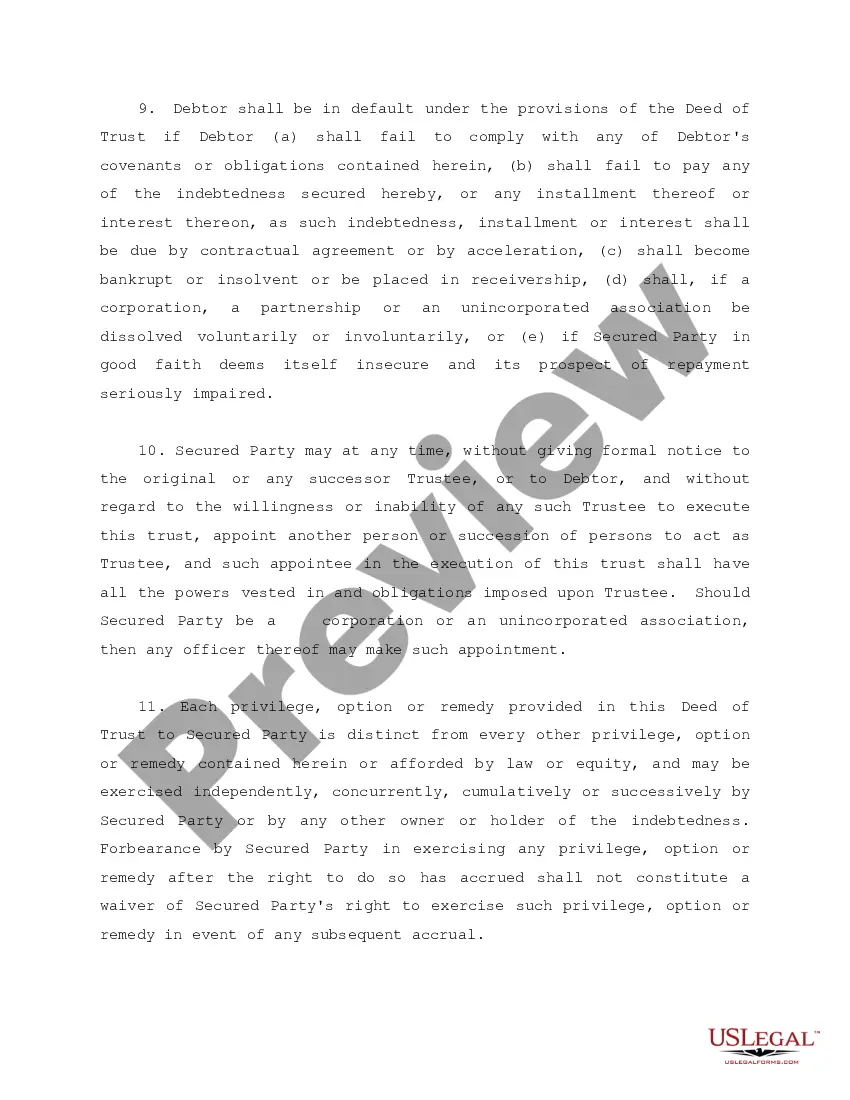
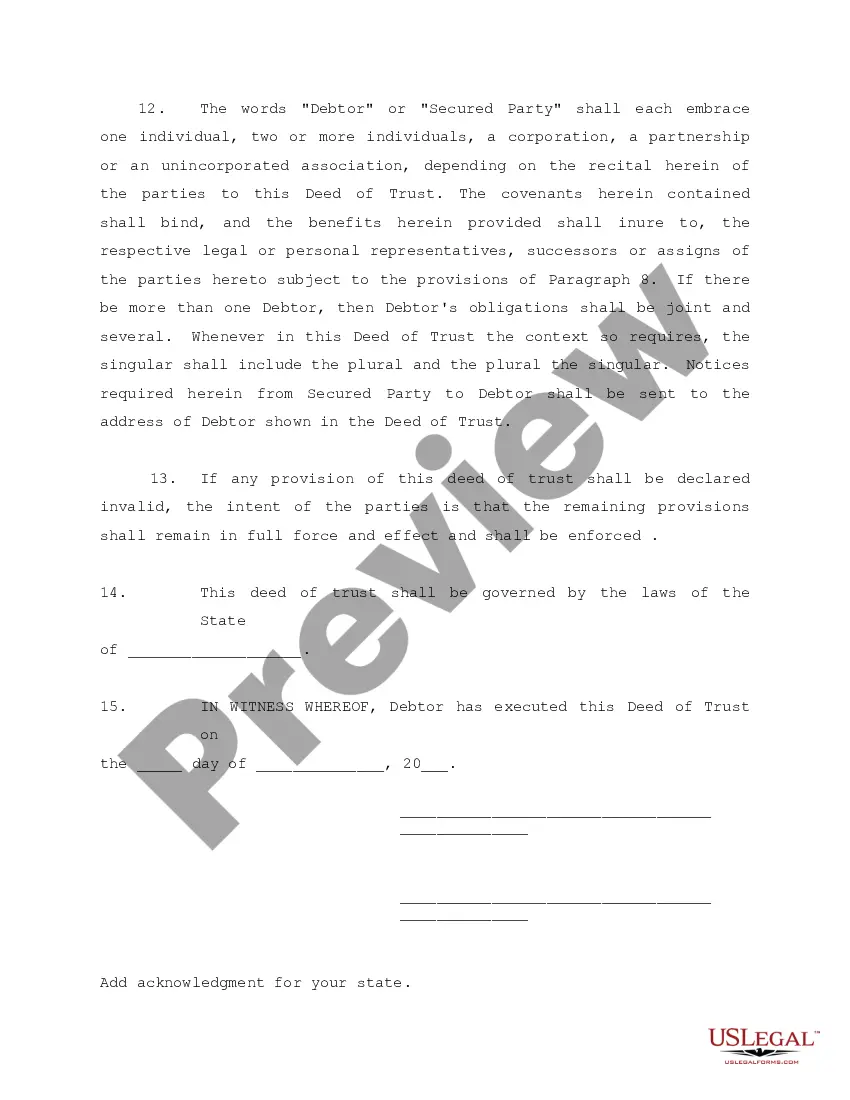
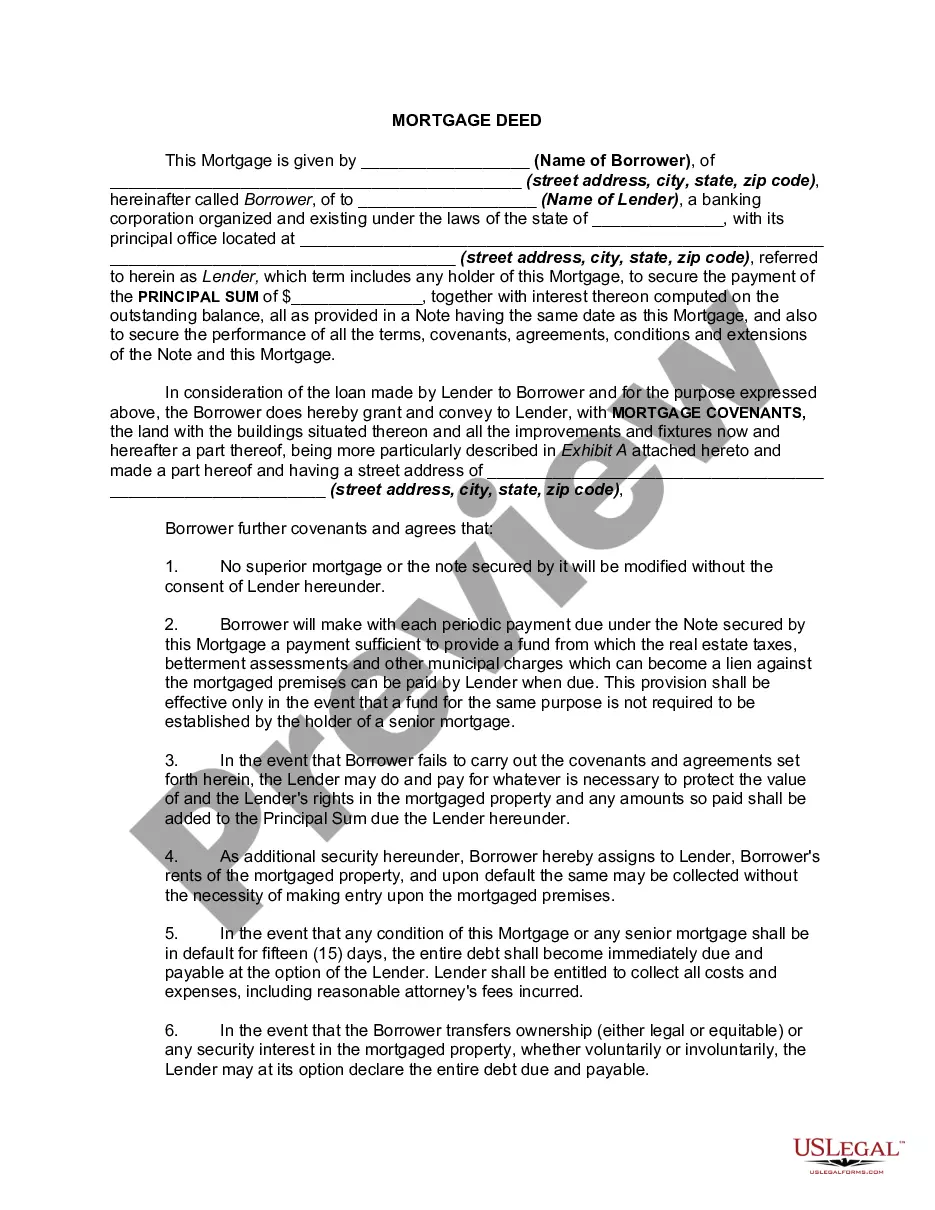

Get your form ready online
Our built-in tools help you complete, sign, share, and store your documents in one place.
Make edits, fill in missing information, and update formatting in US Legal Forms—just like you would in MS Word.
Download a copy, print it, send it by email, or mail it via USPS—whatever works best for your next step.
Sign and collect signatures with our SignNow integration. Send to multiple recipients, set reminders, and more. Go Premium to unlock E-Sign.
If this form requires notarization, complete it online through a secure video call—no need to meet a notary in person or wait for an appointment.
We protect your documents and personal data by following strict security and privacy standards.

Make edits, fill in missing information, and update formatting in US Legal Forms—just like you would in MS Word.

Download a copy, print it, send it by email, or mail it via USPS—whatever works best for your next step.

Sign and collect signatures with our SignNow integration. Send to multiple recipients, set reminders, and more. Go Premium to unlock E-Sign.

If this form requires notarization, complete it online through a secure video call—no need to meet a notary in person or wait for an appointment.

We protect your documents and personal data by following strict security and privacy standards.
Looking for another form?
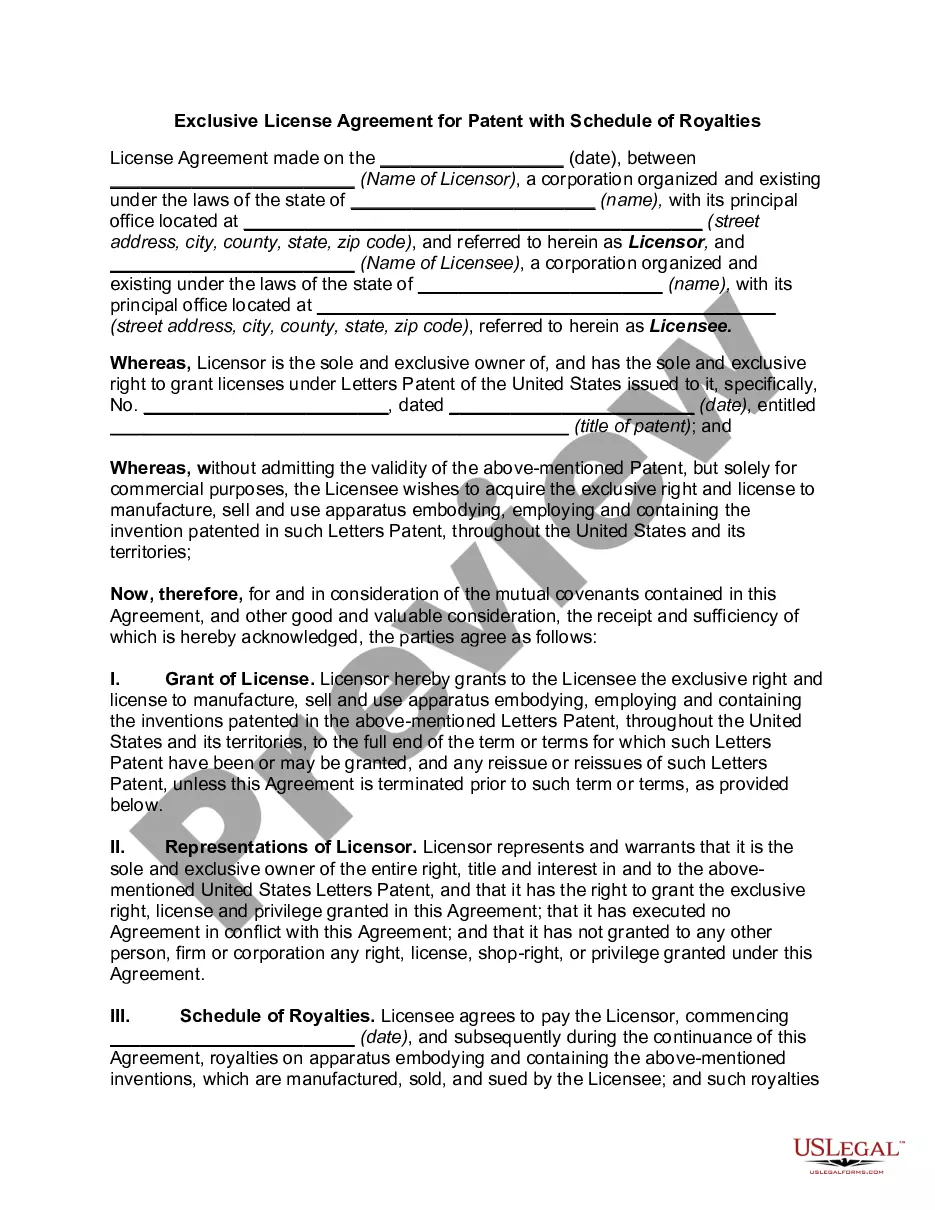

Form popularity
FAQ
Debt collectors include collection agencies or lawyers who collect debts as part of their business. There are also companies that buy past-due debts from creditors or other businesses and then try to collect them. These debt collectors are also called debt collection agencies, debt collection companies, or debt buyers.
Harassment is strictly prohibited The Fair Debt Collection Practices Act (FDCPA) forbids debt collectors from harassing, oppressing, or abusing the debtor or anyone they contact regarding debt repayment. Some examples of harassment are: Repetitive phone calls made with the intent to annoy, abuse, or harass.
Debt collectors include collection agencies or lawyers who collect debts as part of their business. There are also companies that buy past-due debts from creditors or other businesses and then try to collect them. These debt collectors are also called debt collection agencies, debt collection companies, or debt buyers.
They must serve you. It's not very common that a debt collector will try to serve you at your job or somewhere else unless they are having difficulty serving you at your home.
Creditors usually hire a professional process server or a local sheriff to do this job. If the server can't find you, the server can often leave the summons and complaint with another adult at your home or business and mail a copy to you.
In Utah, the statute of limitations for any signed written contract, obligation, or liability is six years. For unwritten (verbal) contracts, obligations, or liabilities, the statute of limitation for an unpaid debt expires after four years.
Specifically, the rule states that a debt collector cannot: Make more than seven calls within a seven-day period to a consumer regarding a specific debt. Call a consumer within seven days after having a telephone conversation about that debt.
Starting a Debt Collection Case A debt collector starts a debt collection case by filing a complaint with the court. A copy of the complaint and a document called a summons must be served on the debtor by one of the methods described in Utah Rule of Civil Procedure 4.
They must serve you. It's not very common that a debt collector will try to serve you at your job or somewhere else unless they are having difficulty serving you at your home. Time is ticking!
A debt collector cannot lie or use deceptive practices to collect a debt. They cannot falsely claim to be attorneys or government representatives, misrepresent the amount you owe, falsely claim you've committed a crime or threaten legal action they cannot or do not intend to take.
