Printable Deed Of Trust Form In Phoenix
Description

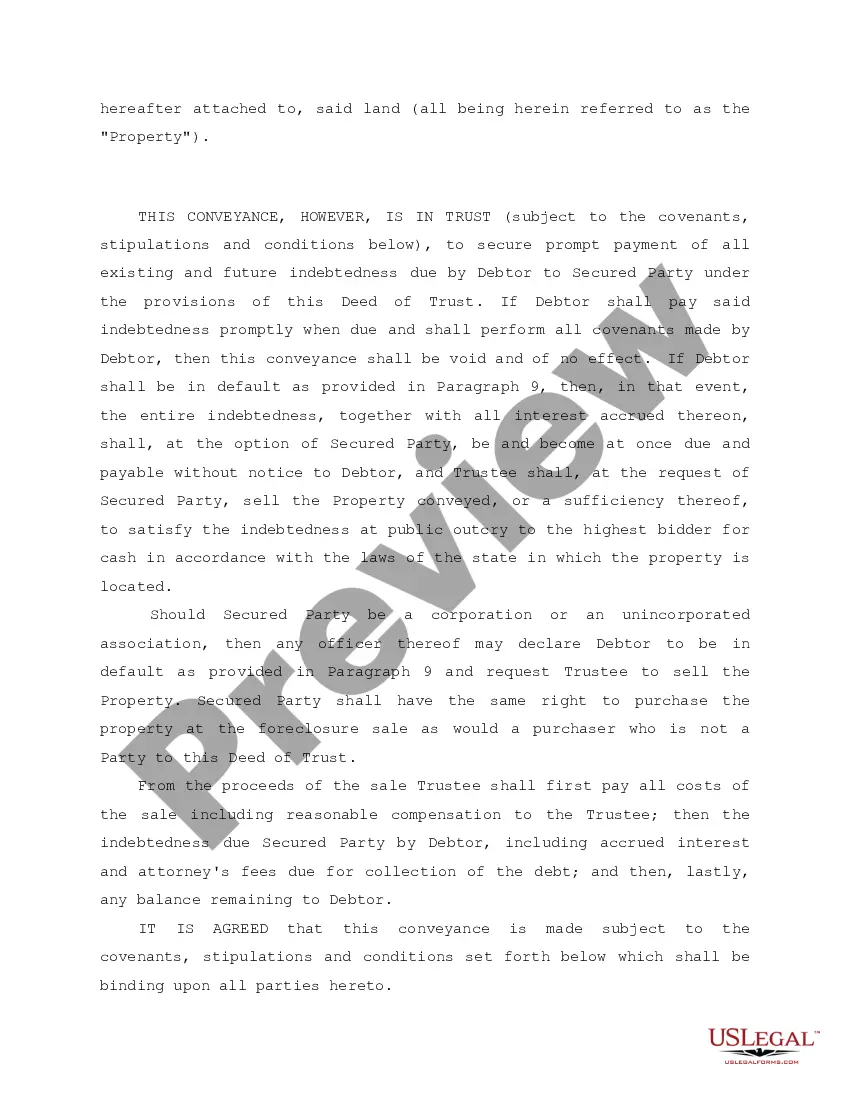
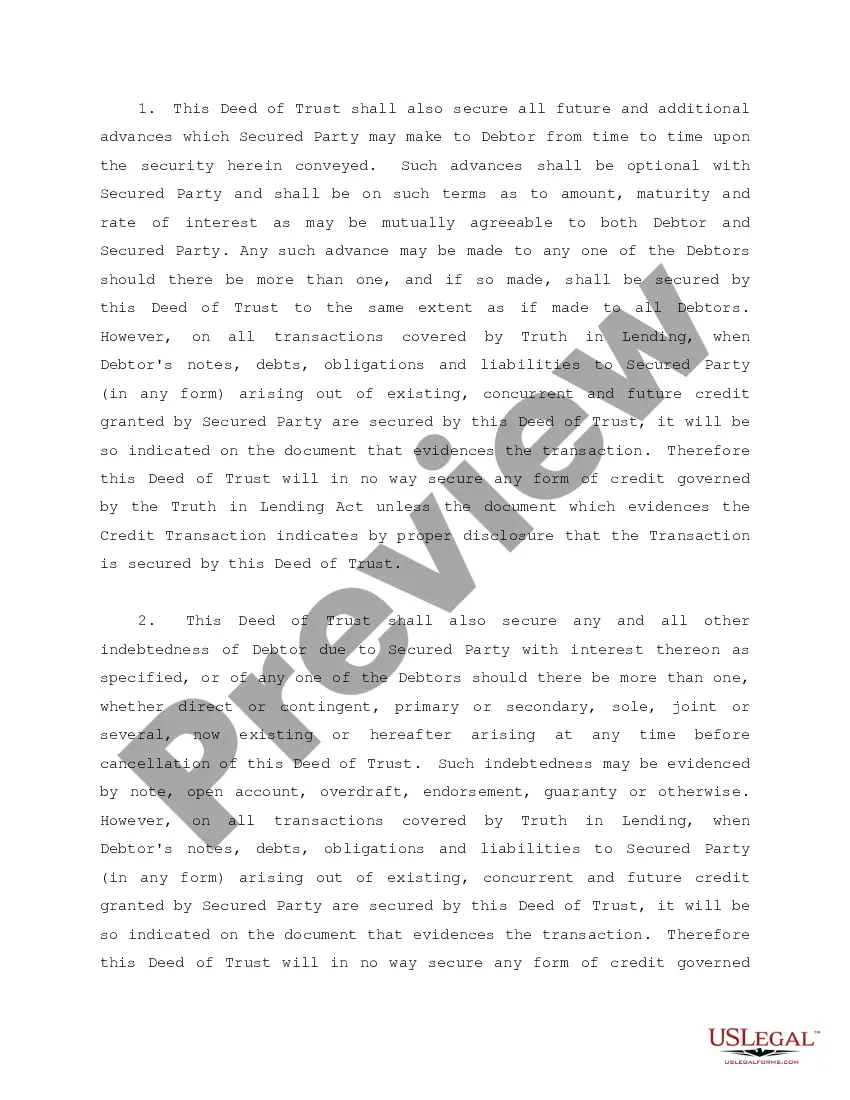
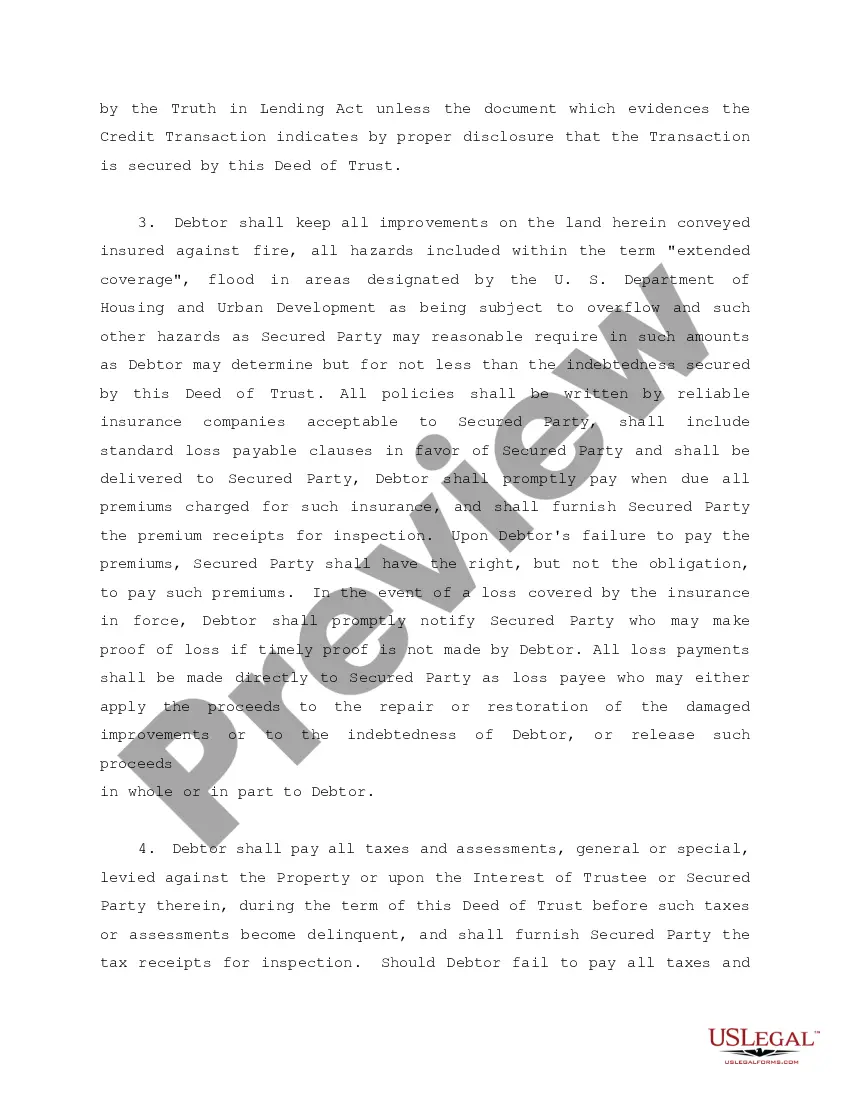
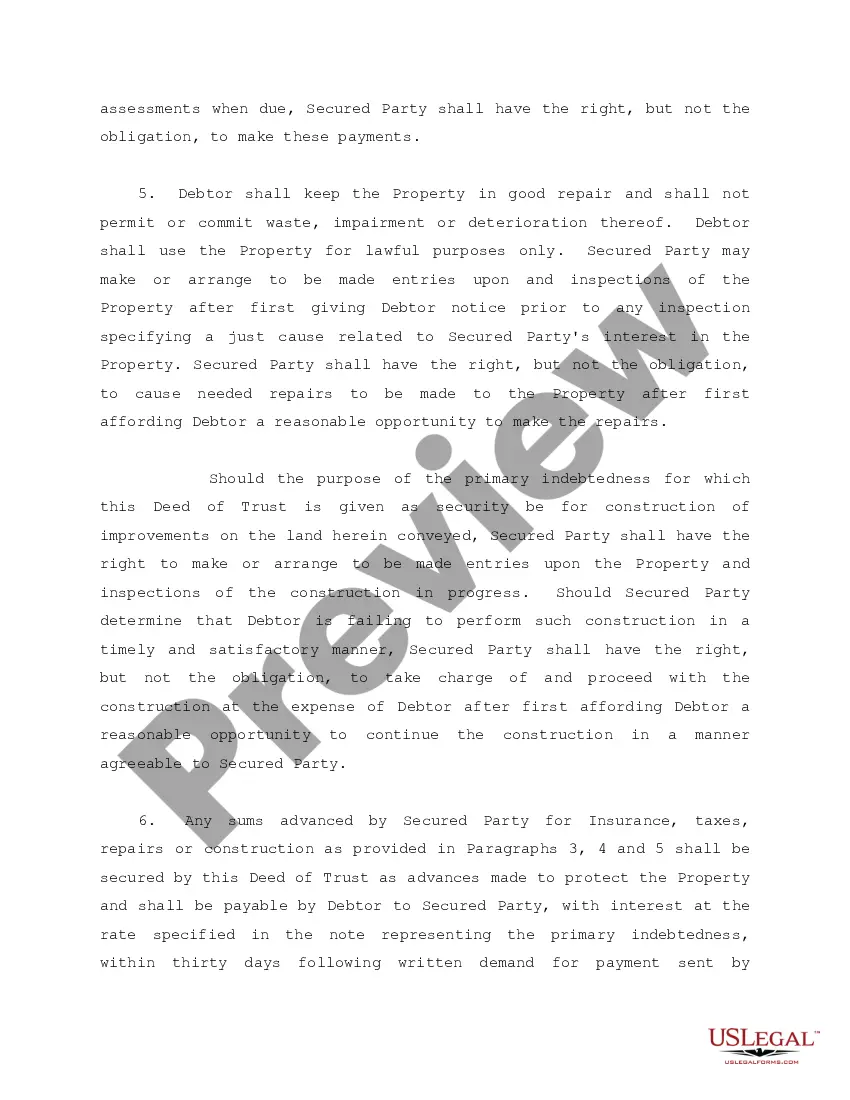


Get your form ready online
Our built-in tools help you complete, sign, share, and store your documents in one place.
Make edits, fill in missing information, and update formatting in US Legal Forms—just like you would in MS Word.
Download a copy, print it, send it by email, or mail it via USPS—whatever works best for your next step.
Sign and collect signatures with our SignNow integration. Send to multiple recipients, set reminders, and more. Go Premium to unlock E-Sign.
If this form requires notarization, complete it online through a secure video call—no need to meet a notary in person or wait for an appointment.
We protect your documents and personal data by following strict security and privacy standards.

Make edits, fill in missing information, and update formatting in US Legal Forms—just like you would in MS Word.

Download a copy, print it, send it by email, or mail it via USPS—whatever works best for your next step.

Sign and collect signatures with our SignNow integration. Send to multiple recipients, set reminders, and more. Go Premium to unlock E-Sign.

If this form requires notarization, complete it online through a secure video call—no need to meet a notary in person or wait for an appointment.

We protect your documents and personal data by following strict security and privacy standards.
Looking for another form?






Form popularity
FAQ
A deed of trust will include the same type of information stated in a mortgage document, such as: The identities of the borrower, lender, and trustee. A full description of the property to be placed in trust. Any restrictions or requirements on the use of the property while it is in trust.
All deeds must be filed with the County Recorder's Office. Affidavit of Property Value – Required for every deed or transfer of ownership (except for property that is transferred through quitclaim for no monetary exchange or for a nominal amount.
While it is not legally mandatory that an attorney file your quit claim deed, an attorney can help with ensuring that the quitclaim deed is properly drafted and filed, and that you take advantage of any tax exemptions or benefits that may be available to you.
BENEFICIARY DEEDS §33-405 (statute includes a sample form) available from the Arizona Legislature Website. ➢ Beneficiary deeds are filed in the Maricopa County Recorder's Office.
A deed is signed only by the grantor(s), not the grantee. A deed does not have to be recorded to be valid, but recording is very common. Bailey Law Firm advises clients on what deed is appropriate for their circumstance.
Where to Get a Deed of Trust? To get a Deed of Trust, you must file the proper paperwork with the proper court as generally outlined above. These documents must be filed with the county clerk or recorder, and the lender typically sends them to the recording office after the property closing.
In Arizona, trusts are generally not public record. This is one of the key advantages of using a trust in estate planning.
Here are some of the key rights that beneficiaries typically have in Arizona: Right to Receive Information: Beneficiaries have the right to receive relevant information about the trust, its administration, and its assets.
How to Get a Copy of a Trust Make a written demand for a copy of the Trust and its amendments, if any; Wait 60 days; and. If you do not receive a copy of the Trust within 60 days of making your written demand, file a petition with the probate court.
The Trust Certification will essentially be an outline that contains all the important information about a Trust. To create it, you can either have an attorney draw up the paperwork for you, or, even better, you can use a legal or online estate planning service to do it.
