Secured Debt Any For Bad Credit In Oakland
Description

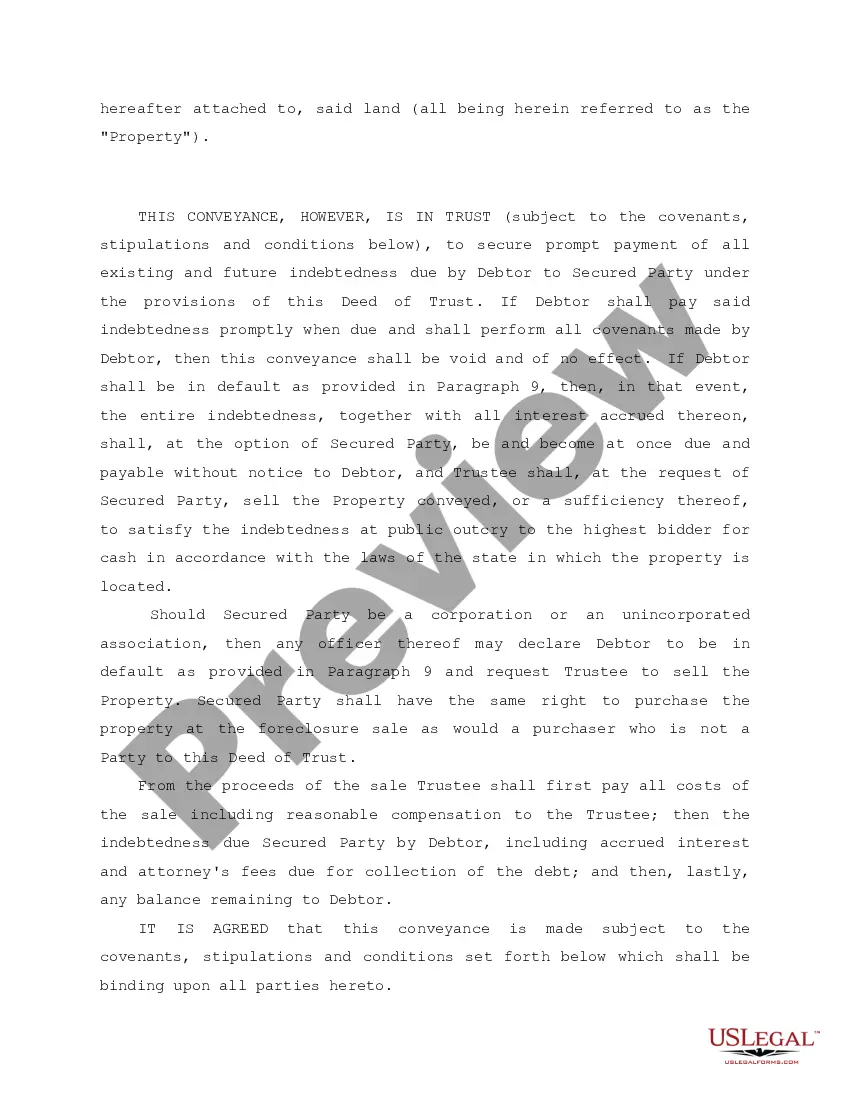
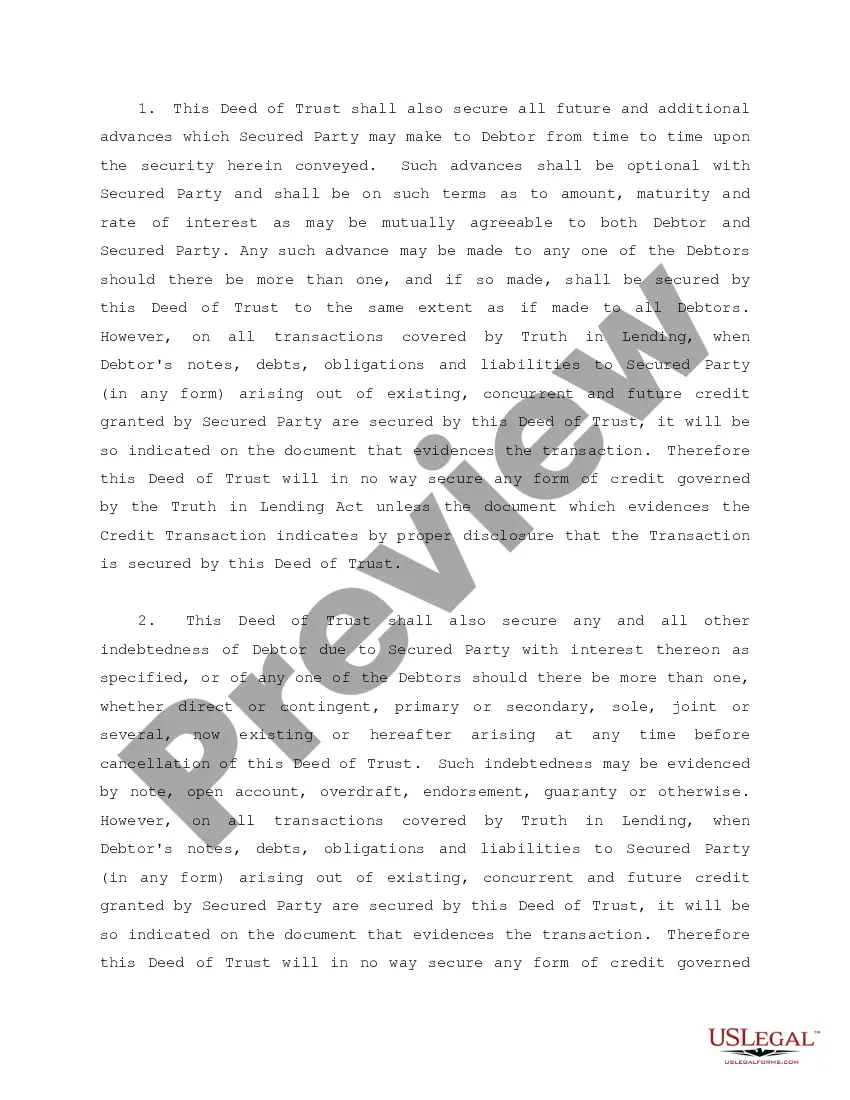
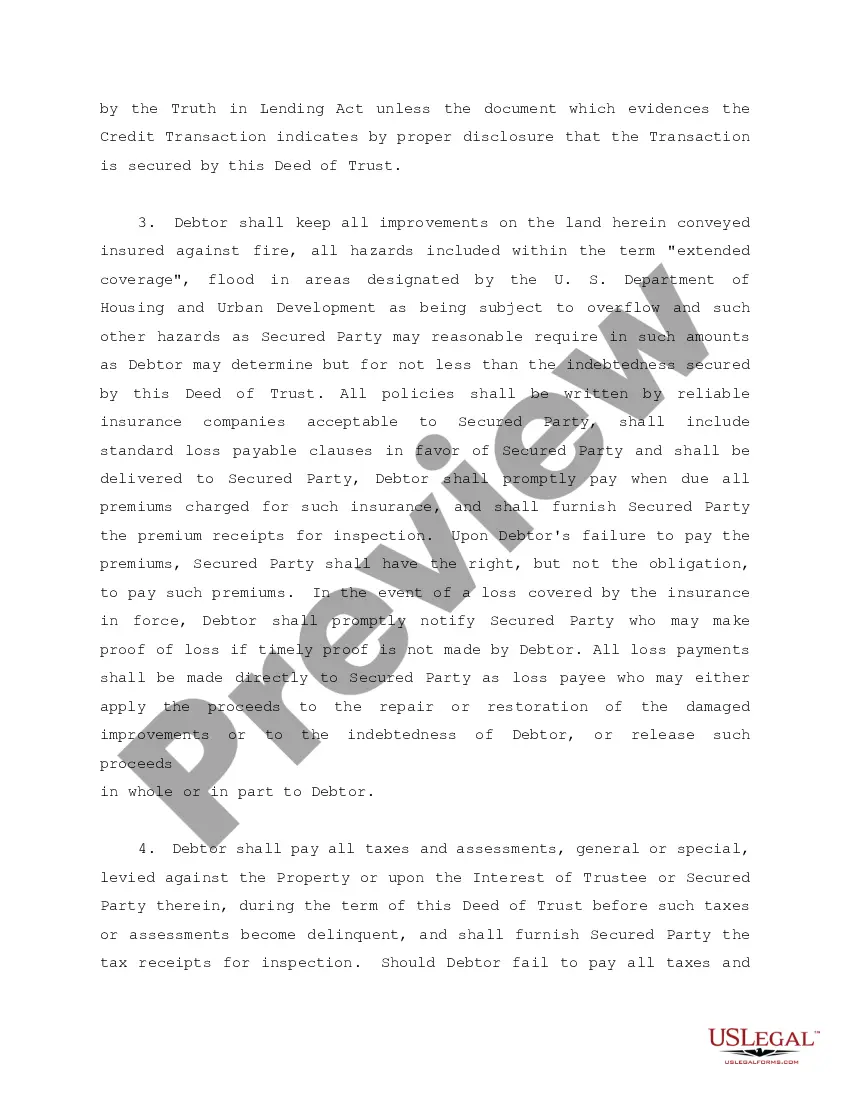
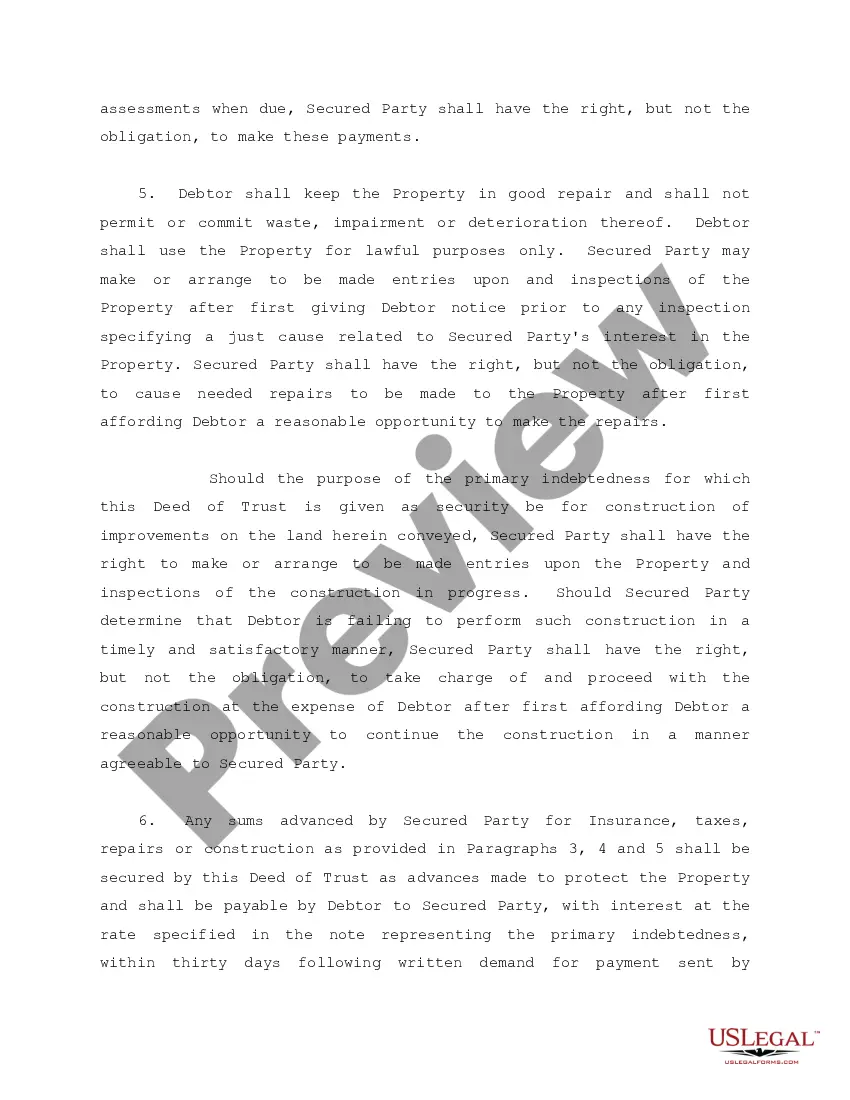
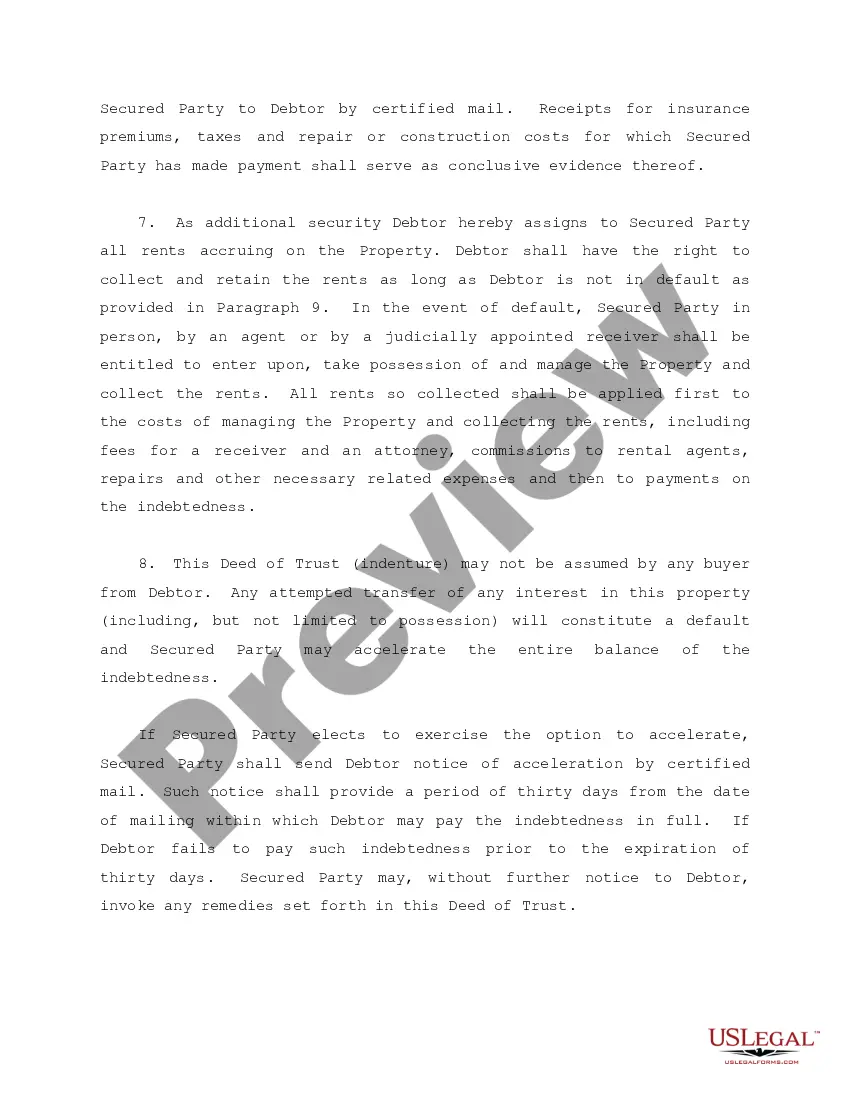
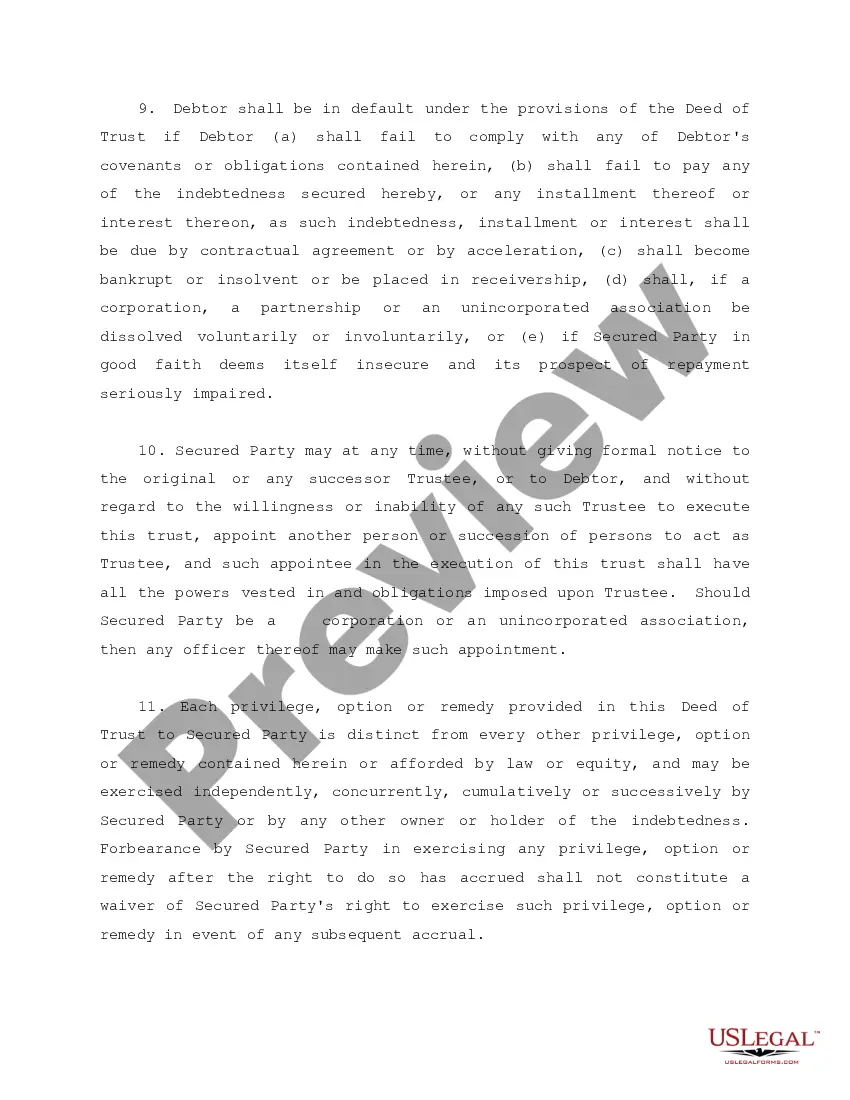
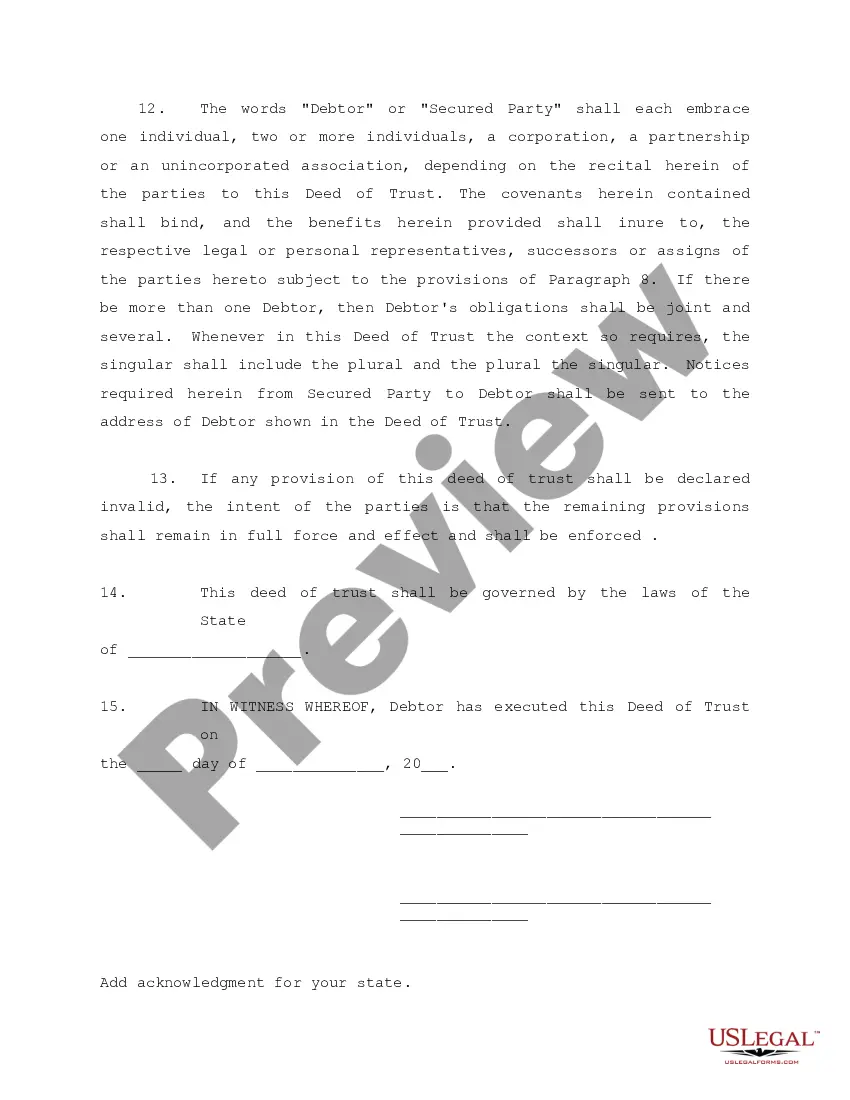


Get your form ready online
Our built-in tools help you complete, sign, share, and store your documents in one place.
Make edits, fill in missing information, and update formatting in US Legal Forms—just like you would in MS Word.
Download a copy, print it, send it by email, or mail it via USPS—whatever works best for your next step.
Sign and collect signatures with our SignNow integration. Send to multiple recipients, set reminders, and more. Go Premium to unlock E-Sign.
If this form requires notarization, complete it online through a secure video call—no need to meet a notary in person or wait for an appointment.
We protect your documents and personal data by following strict security and privacy standards.

Make edits, fill in missing information, and update formatting in US Legal Forms—just like you would in MS Word.

Download a copy, print it, send it by email, or mail it via USPS—whatever works best for your next step.

Sign and collect signatures with our SignNow integration. Send to multiple recipients, set reminders, and more. Go Premium to unlock E-Sign.

If this form requires notarization, complete it online through a secure video call—no need to meet a notary in person or wait for an appointment.

We protect your documents and personal data by following strict security and privacy standards.
Looking for another form?

Form popularity
FAQ
PaydayDaze excels at providing no credit check installment loans with guaranteed approval as a direct lender. My evaluation of PaydayDaze shows a commitment to serving customers with poor credit histories who need access to emergency funds without the stringent requirements of traditional banks.
In short, no. The 7-year rule means that each negative remark remains on your report for 7 years (possibly more depending on the remark). However, after that period has ended, a remark will most probably fall off of your report.
Most negative items should automatically fall off your credit reports seven years from the date of your first missed payment, at which point your credit score may rise. However, your score may start rebounding sooner if you are otherwise using credit responsibly.
Debt collectors may not be able to sue you to collect on old (time-barred) debts, but they may still try to collect on those debts. In California, there is generally a four-year limit for filing a lawsuit to collect a debt based on a written agreement.
Although the unpaid debt will go on your credit report and have a negative impact on your score, the good news is that it won't last forever. After seven years, unpaid credit card debt falls off your credit report. The debt doesn't vanish completely, but it'll no longer impact your credit score.
Upgrade offers auto-secured loans to borrowers with credit scores 580 and higher. But the lower your score, the higher your rate. Generally, you'll need at least good credit (670+) before rates start to become more affordable.
Can I consolidate debts with bad credit? It's possible that you may still be able to consolidate your debts if you have a lower-than-average credit score, however lenders may apply a higher interest rate based on your credit score and historical ability to meet your repayments.
California's Fair Debt Collection Practices Act has long been a critical framework for protecting consumers from abusive or unfair debt collection practices. Recently, however, Governor Gavin Newsom signed into law SB 1286 on September 24, 2024, expanding these protections to certain commercial debts.
Typically, debt collectors will only pursue legal action when the amount owed is in excess of $5,000, but they can sue for less. “If they do sue, you need to show up at court,” says Lewis-Parks.
To be eligible to file for bankruptcy under Chapter 7, you must satisfy the Means Test. The easiest way to qualify for Chapter 7 is to have an income below the state median. Even debtors whose household income is above the state median may qualify for Chapter 7 by going through the more thorough, full Means Test.
