Secure Debt Shall Withhold In North Carolina
Description

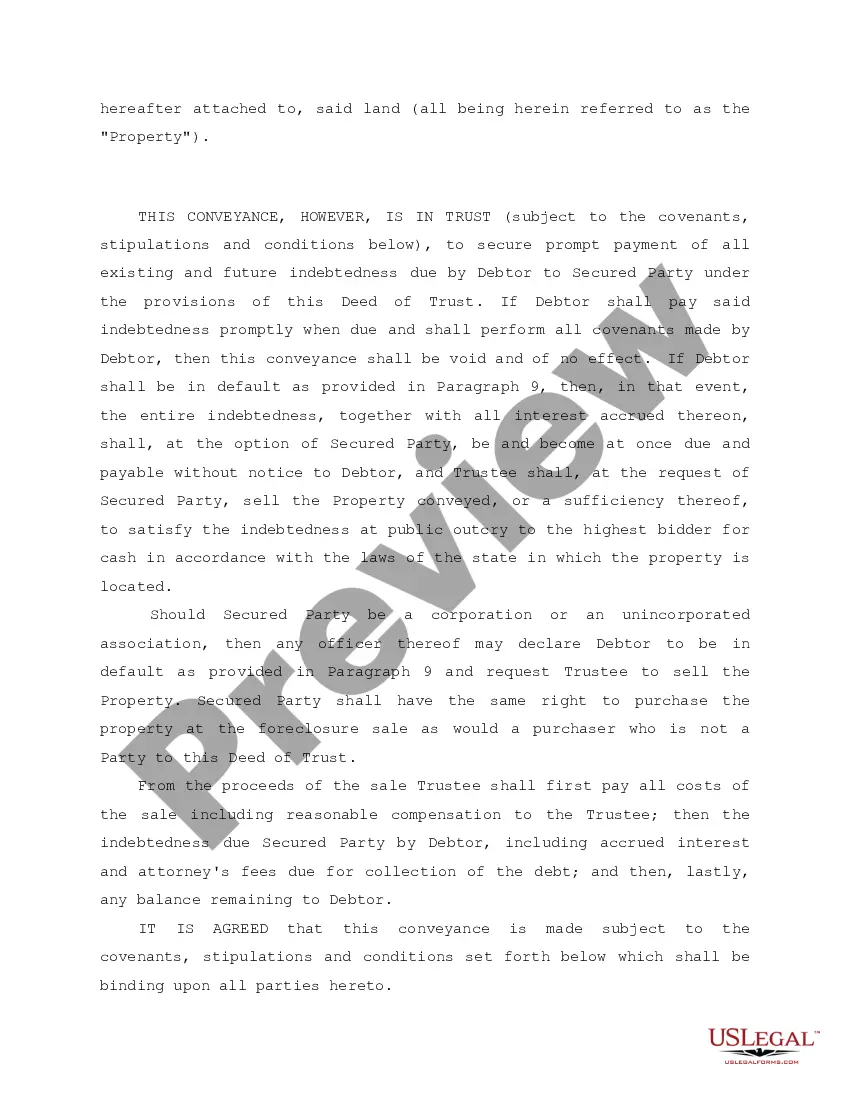
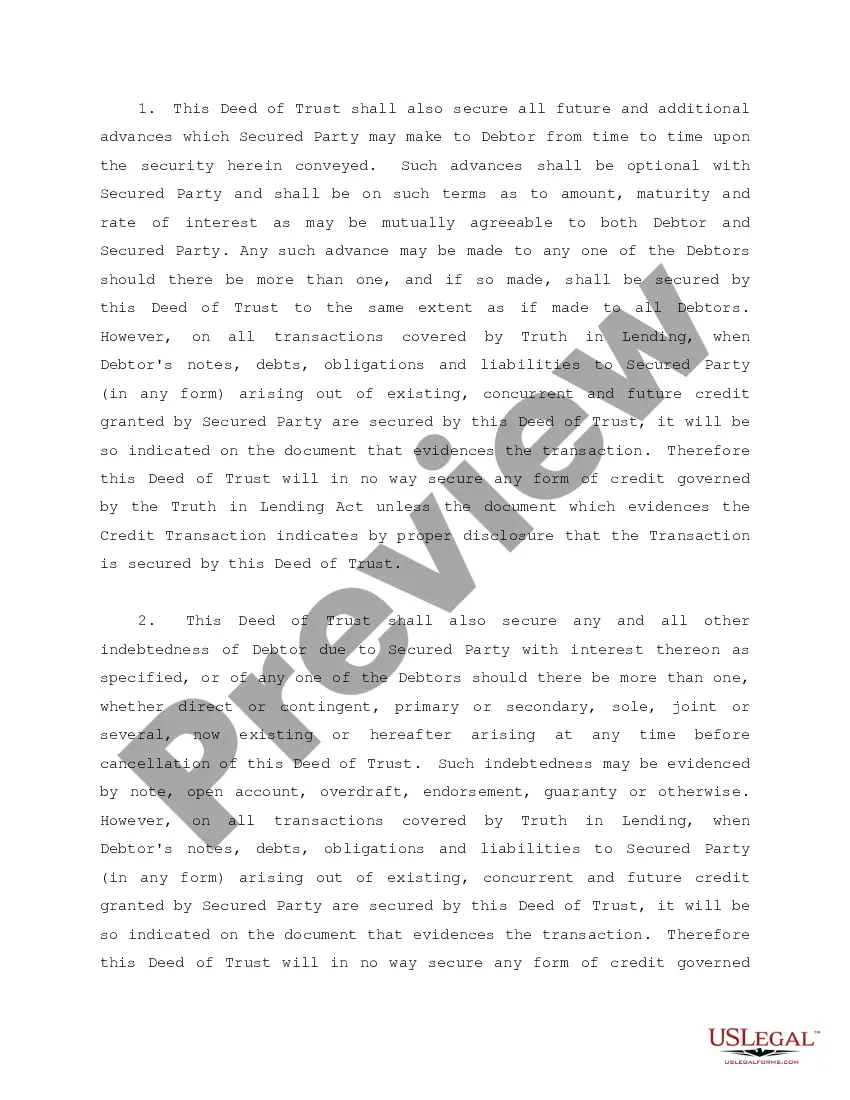
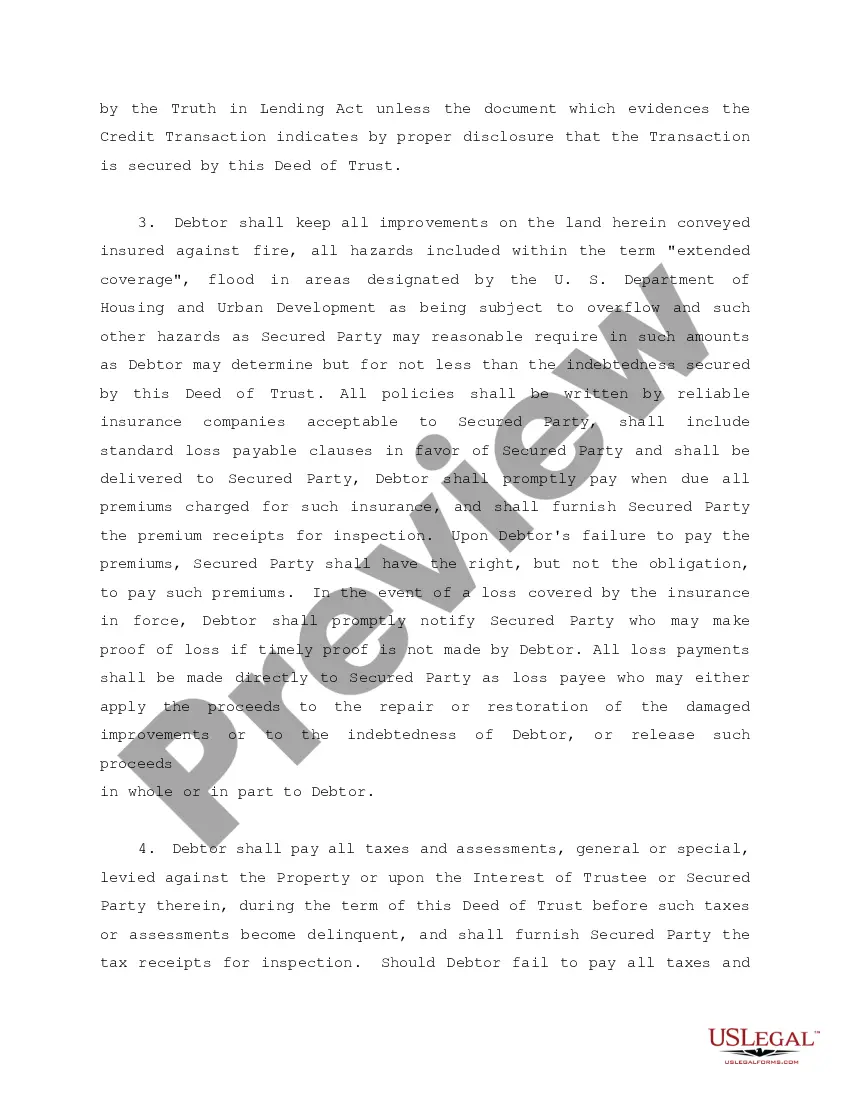
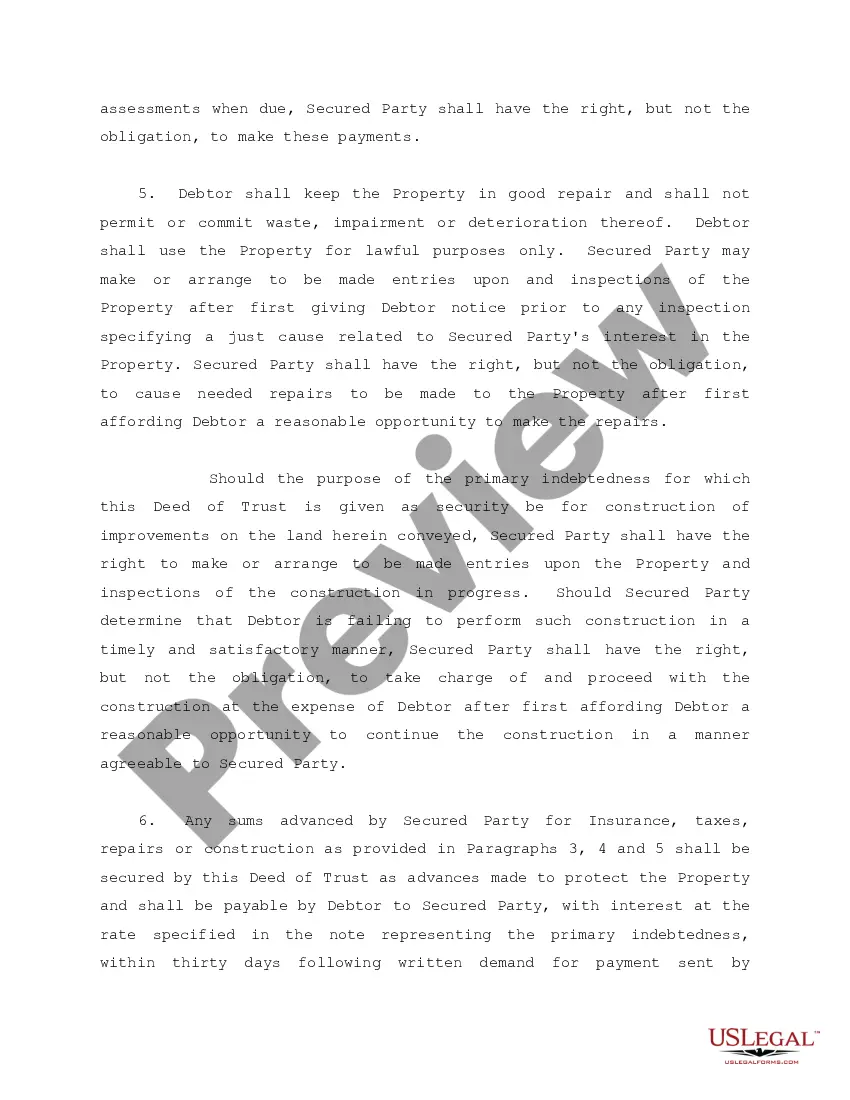

Get your form ready online
Our built-in tools help you complete, sign, share, and store your documents in one place.
Make edits, fill in missing information, and update formatting in US Legal Forms—just like you would in MS Word.
Download a copy, print it, send it by email, or mail it via USPS—whatever works best for your next step.
Sign and collect signatures with our SignNow integration. Send to multiple recipients, set reminders, and more. Go Premium to unlock E-Sign.
If this form requires notarization, complete it online through a secure video call—no need to meet a notary in person or wait for an appointment.
We protect your documents and personal data by following strict security and privacy standards.

Make edits, fill in missing information, and update formatting in US Legal Forms—just like you would in MS Word.

Download a copy, print it, send it by email, or mail it via USPS—whatever works best for your next step.

Sign and collect signatures with our SignNow integration. Send to multiple recipients, set reminders, and more. Go Premium to unlock E-Sign.

If this form requires notarization, complete it online through a secure video call—no need to meet a notary in person or wait for an appointment.

We protect your documents and personal data by following strict security and privacy standards.
Looking for another form?









Form popularity
FAQ
The statute of limitations for collecting on unsecured debt in the State of North Carolina is generally three years.
Debt collectors are allowed to contact you: In person, by mail, by telephone and by fax about the bills you owe. At home, between the hours of 8 a.m. and 9 p.m. At work. It is legal for debt collectors to contact you on the job unless they have a telephone number to reach you during non-working hours.
Debt Collection Statute of Limitations by State StateWritten ContractOpen-Ended Accounts California 4 years 4 years Colorado 3 (6 most debts; rent) (2 tortious breach) 6 years Connecticut 6 years 6 years Delaware 3 years 3 years47 more rows •
A limit of up to 10% of your gross wages may be garnished. This protection is through the North Carolina Department of Revenue. Other garnishment percentages are based on the type of debt and follow federal law.
Old (Time-Barred) Debts In California, there is generally a four-year limit for filing a lawsuit to collect a debt based on a written agreement.
The statute of limitations for collecting on unsecured debt in the State of North Carolina is generally three years. The statute of limitations is longer for debt under seal – such as a promissory note (generally ten years).
Most unsecured debts in North Carolina, such as medical bills and credit card debt, cannot be garnished from your paycheck. However, a creditor can put a lien on your property or levy your bank account.
The North Carolina Offer In Compromise program allows qualifying, financially distressed taxpayers the opportunity to put overwhelming tax liabilities behind them by paying a lump sum amount in exchange for the liability being settled in full.
However, some general criteria for qualification include: Owing less than $50,000: The program is available to taxpayers with outstanding tax debts of $50,000 or less. If your debt exceeds this threshold, you may still qualify by paying down your balance to meet the requirement.
However, laws in North Carolina protect consumers from wage garnishment. Most unsecured debts in North Carolina, such as medical bills and credit card debt, cannot be garnished from your paycheck. However, a creditor can put a lien on your property or levy your bank account.
