Secured Debt Shall For Bad Credit In New York
Description

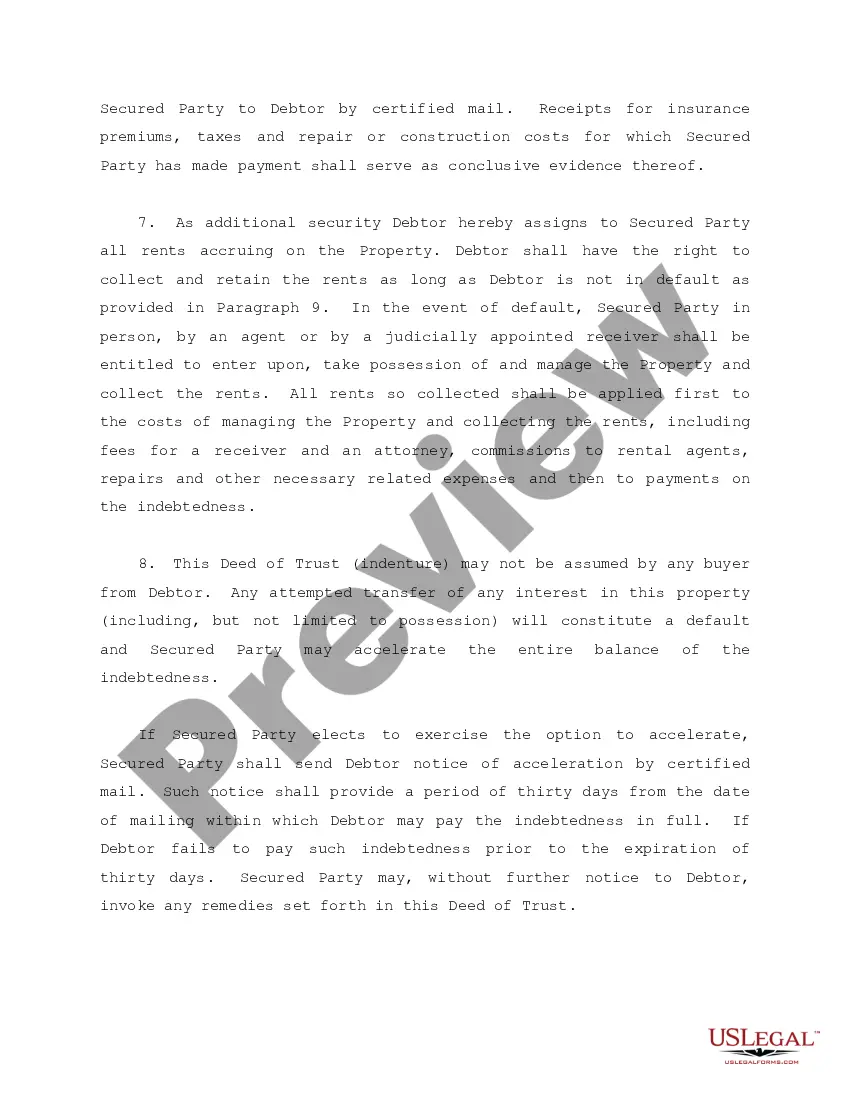
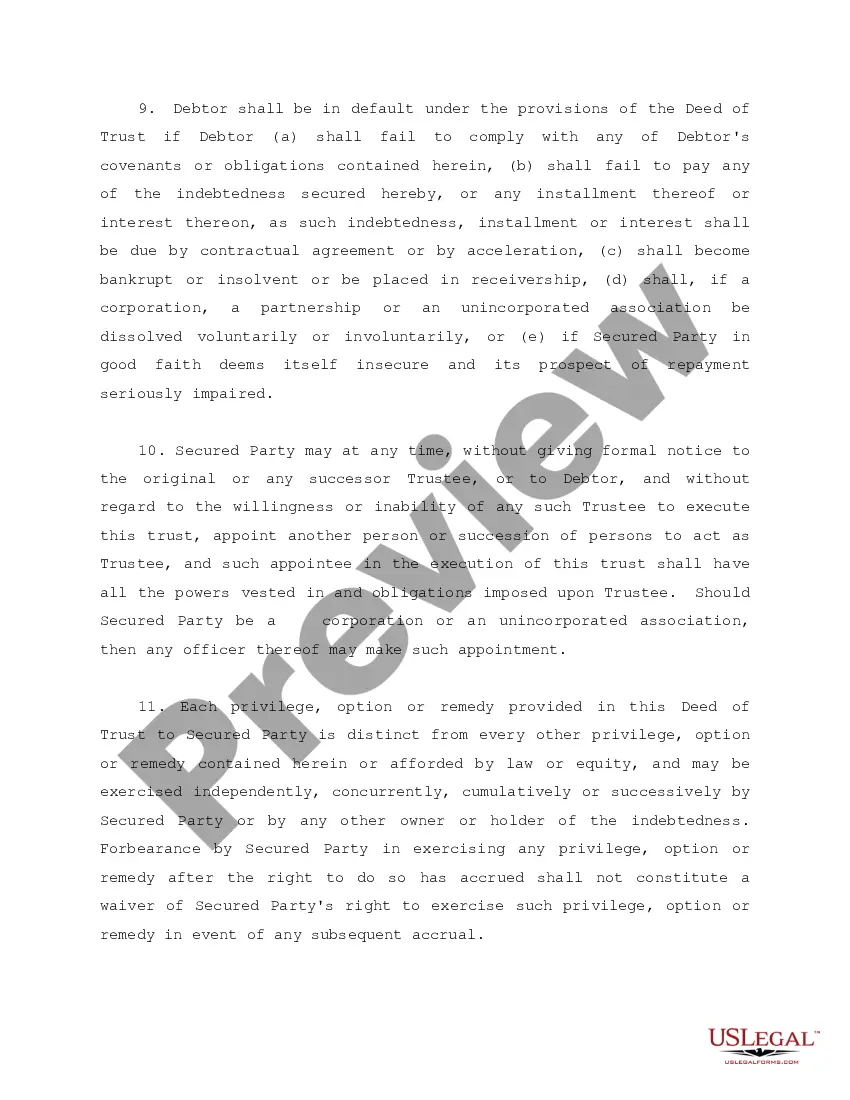
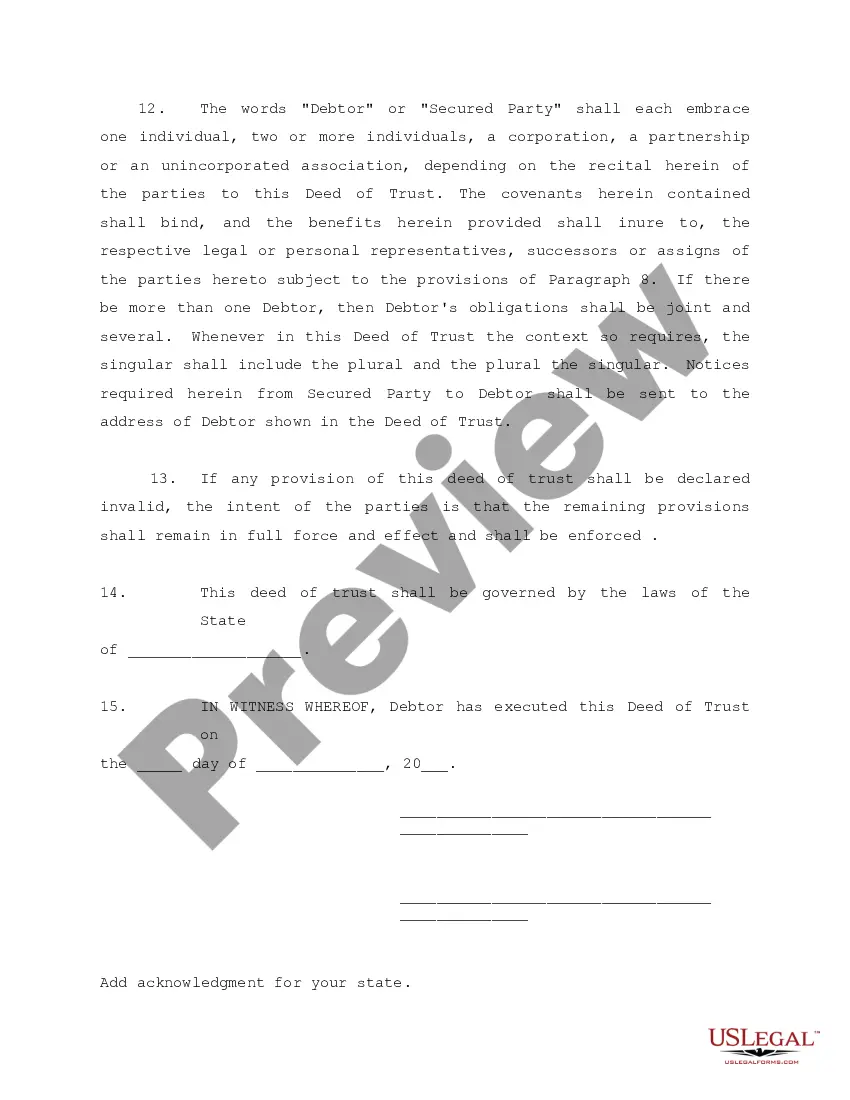
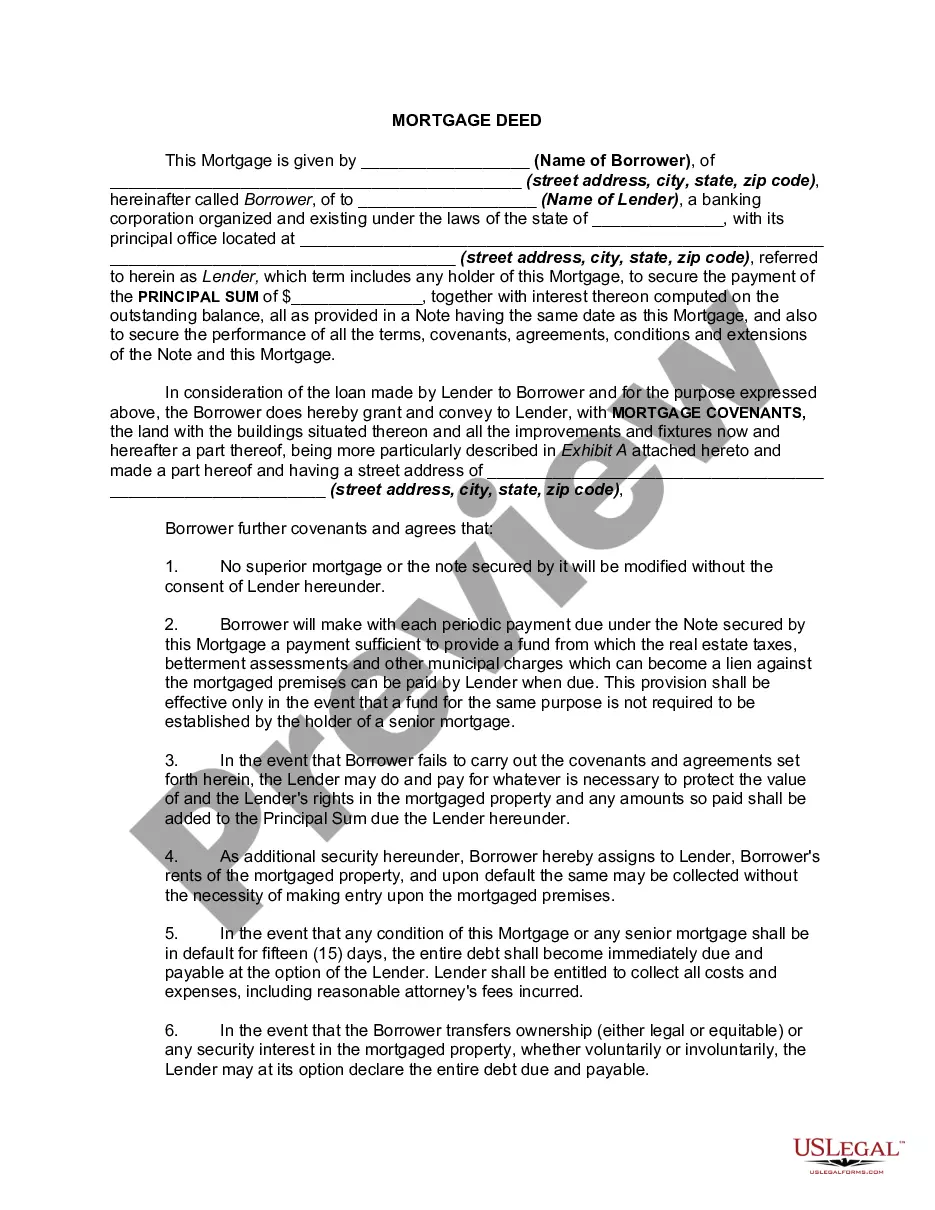

Get your form ready online
Our built-in tools help you complete, sign, share, and store your documents in one place.
Make edits, fill in missing information, and update formatting in US Legal Forms—just like you would in MS Word.
Download a copy, print it, send it by email, or mail it via USPS—whatever works best for your next step.
Sign and collect signatures with our SignNow integration. Send to multiple recipients, set reminders, and more. Go Premium to unlock E-Sign.
If this form requires notarization, complete it online through a secure video call—no need to meet a notary in person or wait for an appointment.
We protect your documents and personal data by following strict security and privacy standards.

Make edits, fill in missing information, and update formatting in US Legal Forms—just like you would in MS Word.

Download a copy, print it, send it by email, or mail it via USPS—whatever works best for your next step.

Sign and collect signatures with our SignNow integration. Send to multiple recipients, set reminders, and more. Go Premium to unlock E-Sign.

If this form requires notarization, complete it online through a secure video call—no need to meet a notary in person or wait for an appointment.

We protect your documents and personal data by following strict security and privacy standards.
Looking for another form?






Form popularity
FAQ
Does the state of New York have a debt relief program? While there's no official government debt relief program in New York, there are accredited organizations and programs available to help residents tackle their debt.
Debt Collection Statute of Limitations by State StateWritten ContractOral Contract California 4 years 2 years Colorado 3 (6 most debts; rent) (2 tortious breach) 3 years (6 short-term debt/rent ) (2 tortious breach) Connecticut 6 years 3 years Delaware 3 years 3 years47 more rows •
In most states, the statute of limitations for collecting on credit card debt is between three and 10 years, but a few states allow for longer periods, extending up to 15 years.
Effective April 7, 2022, the New York statute of limitations for debt collection lawsuits arising out of a consumer credit transaction is reduced from six years to three years.
Old (Time-Barred) Debts In California, there is generally a four-year limit for filing a lawsuit to collect a debt based on a written agreement.
The Debt Collection Rule prohibits a debt collector from communicating or attempting to communicate with a person, in connection with the collection of a debt, through a social media platform if the communication or attempt to communicate is viewable by the general public or the person's social media contacts.
For example, a collector cannot make threats of violence or use obscene or profane language, or repeated annoying telephone calls. They cannot make false or misleading statements about the amount owed or whom they represent. The law also prevents collectors from giving false credit information about you to anyone.
A debt collector cannot lie or use deceptive practices to collect a debt. They cannot falsely claim to be attorneys or government representatives, misrepresent the amount you owe, falsely claim you've committed a crime or threaten legal action they cannot or do not intend to take.
New York Debt Settlement Debt settlement is the process of negotiating with creditors to settle your debt at a reduced amount. At National Debt Relief, we'll help you reduce and settle debts like credit card bills and medical expenses in New York.
What Is the Statute of Limitations for Debt in New York? The New York statute of limitations for consumer debt is three years. This means creditors or debt collectors have three years to try to collect on an unpaid debt or sue you for a debt. After this time limit has expired, the debt is considered time-barred.
