Secured Debt Shall For Bad Credit In Nevada
Description

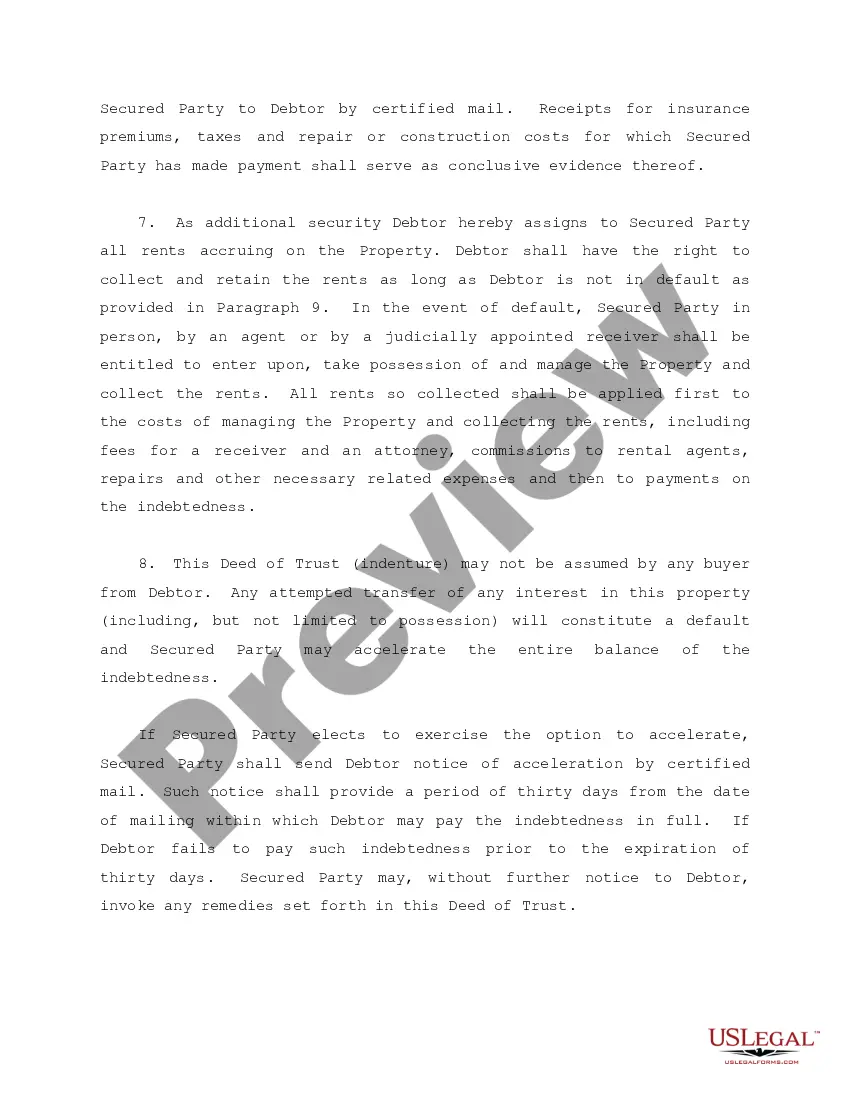
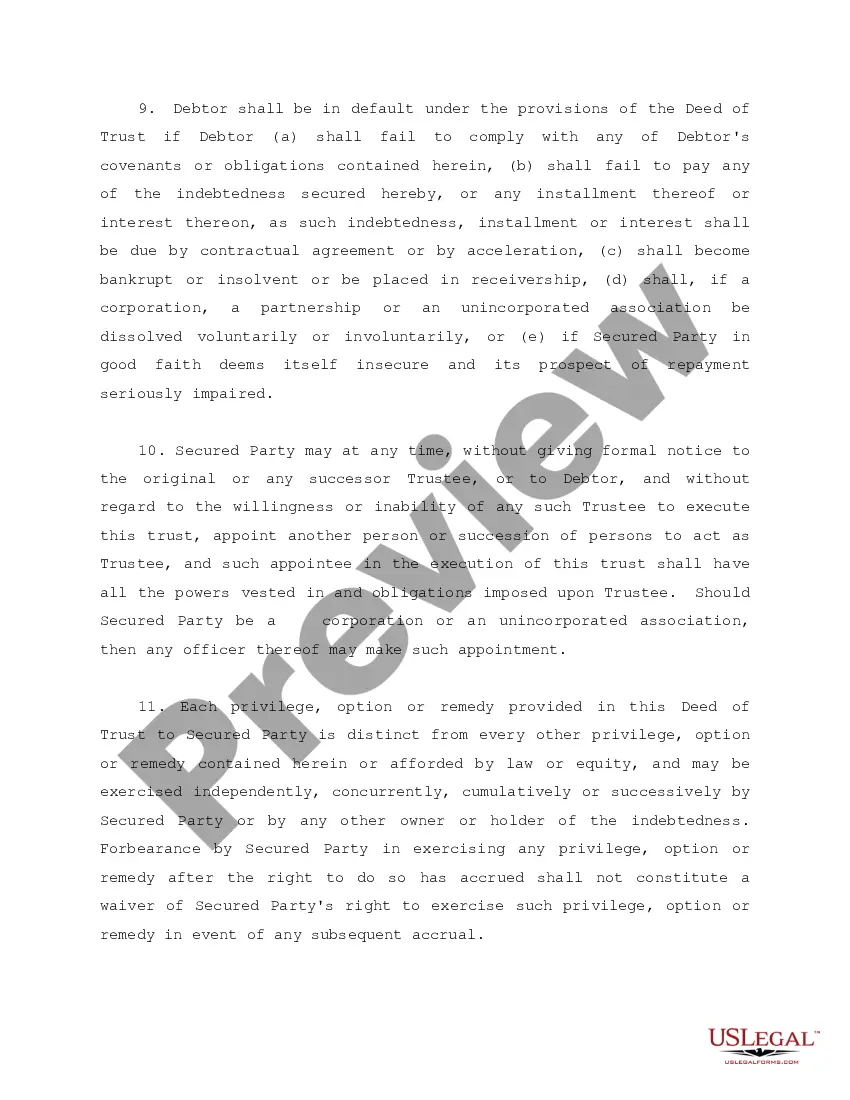
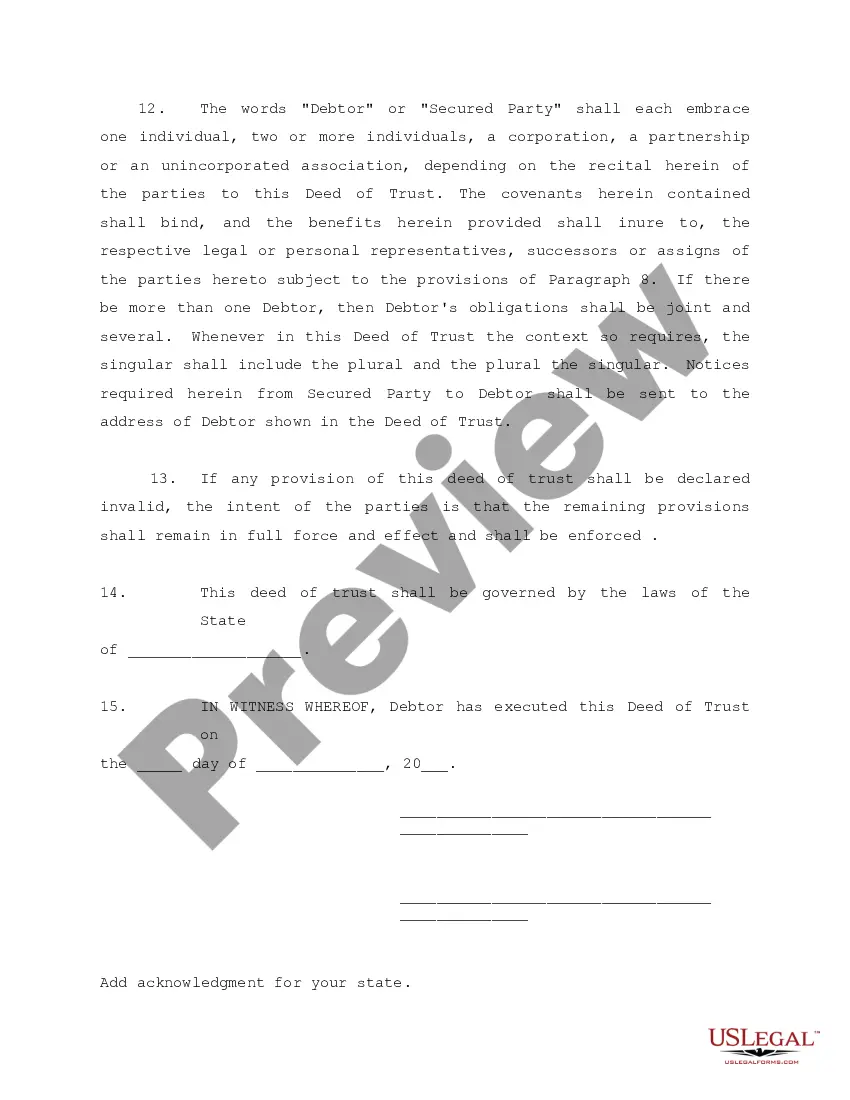
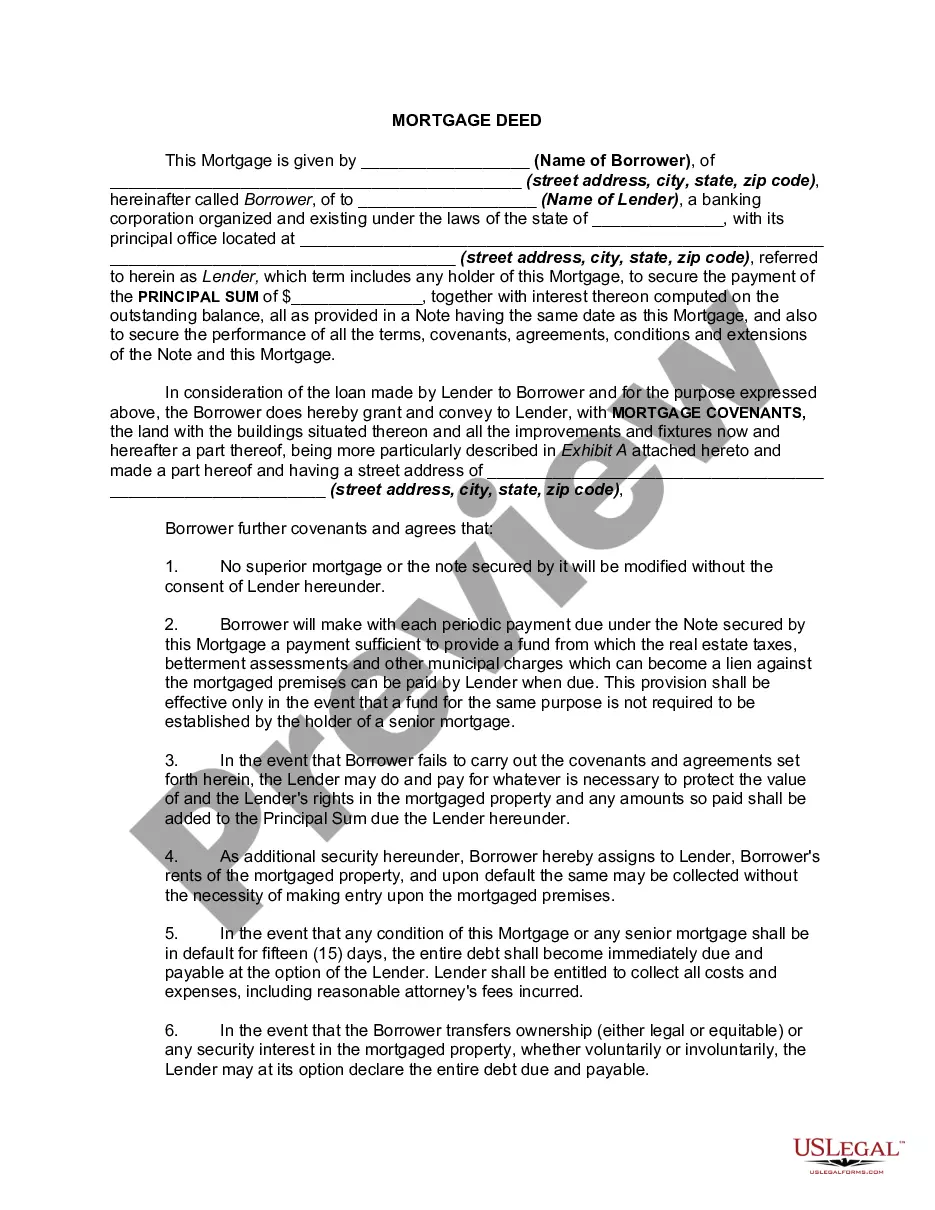

Get your form ready online
Our built-in tools help you complete, sign, share, and store your documents in one place.
Make edits, fill in missing information, and update formatting in US Legal Forms—just like you would in MS Word.
Download a copy, print it, send it by email, or mail it via USPS—whatever works best for your next step.
Sign and collect signatures with our SignNow integration. Send to multiple recipients, set reminders, and more. Go Premium to unlock E-Sign.
If this form requires notarization, complete it online through a secure video call—no need to meet a notary in person or wait for an appointment.
We protect your documents and personal data by following strict security and privacy standards.

Make edits, fill in missing information, and update formatting in US Legal Forms—just like you would in MS Word.

Download a copy, print it, send it by email, or mail it via USPS—whatever works best for your next step.

Sign and collect signatures with our SignNow integration. Send to multiple recipients, set reminders, and more. Go Premium to unlock E-Sign.

If this form requires notarization, complete it online through a secure video call—no need to meet a notary in person or wait for an appointment.

We protect your documents and personal data by following strict security and privacy standards.
Looking for another form?










Form popularity
FAQ
Chapter 7: Under Chapter 7 bankruptcy, all of your eligible debt will be discharged, but you may have to sell assets. Most filers qualify for a “no-asset case,” which means they won't have to sell anything. Chapter 7 typically shows on your credit report for 10 years.
Filing for Chapter 7 bankruptcy eliminates credit card debt, medical bills and unsecured loans; however, there are some debts that cannot be discharged. Those debts include child support, spousal support obligations, student loans, judgments for damages resulting from drunk driving accidents, and most unpaid taxes.
If you file for a Chapter 7 bankruptcy, your secured debt may be discharged, but the lender is also able to repossess the property that secured the debt. In other words, if you have a mortgage on your home and file a Chapter 7 bankruptcy, the mortgage debt may be discharged but the lender can take back your home.
If a secured creditor fails to file proof of claim, then you will not make any payments toward what you owe on your house or car during your repayment plan. At the end of the bankruptcy process, to keep the collateral, you will still owe the full amount of these secured debts. Plus, you may owe interest and other fees.
How To Fill In A Proof Of Debt Form Box 1 – This is your business name. Box 2 – This is your business address. Box 3 – This is the total amount you are owed. Box 4 – List any supporting documents you have. Box 5 – List any un-capitalised interest on the claim.
The Fair Debt Collections Practices Act regulates debt collection agencies, seeking to stop abusive collection practices and promote fair collection practices. Consumers are granted rights, including a legal way to dispute and validate debts.
The Fair Debt Collections Practices Act regulates debt collection agencies, seeking to stop abusive collection practices and promote fair collection practices. Consumers are granted rights, including a legal way to dispute and validate debts.
The phrase in question is: “Please cease and desist all calls and contact with me, immediately.” These 11 words, when used correctly, can provide significant protection against aggressive debt collection practices.
The Statute of limitations for debts based on verbal agreements in Nevada is four years, compared to six years for written contracts. The statute of limitations on open-ended accounts and accounts with revolving balances, such as credit cards, is four years.
