Secured Debt Any Formula In Michigan
Description

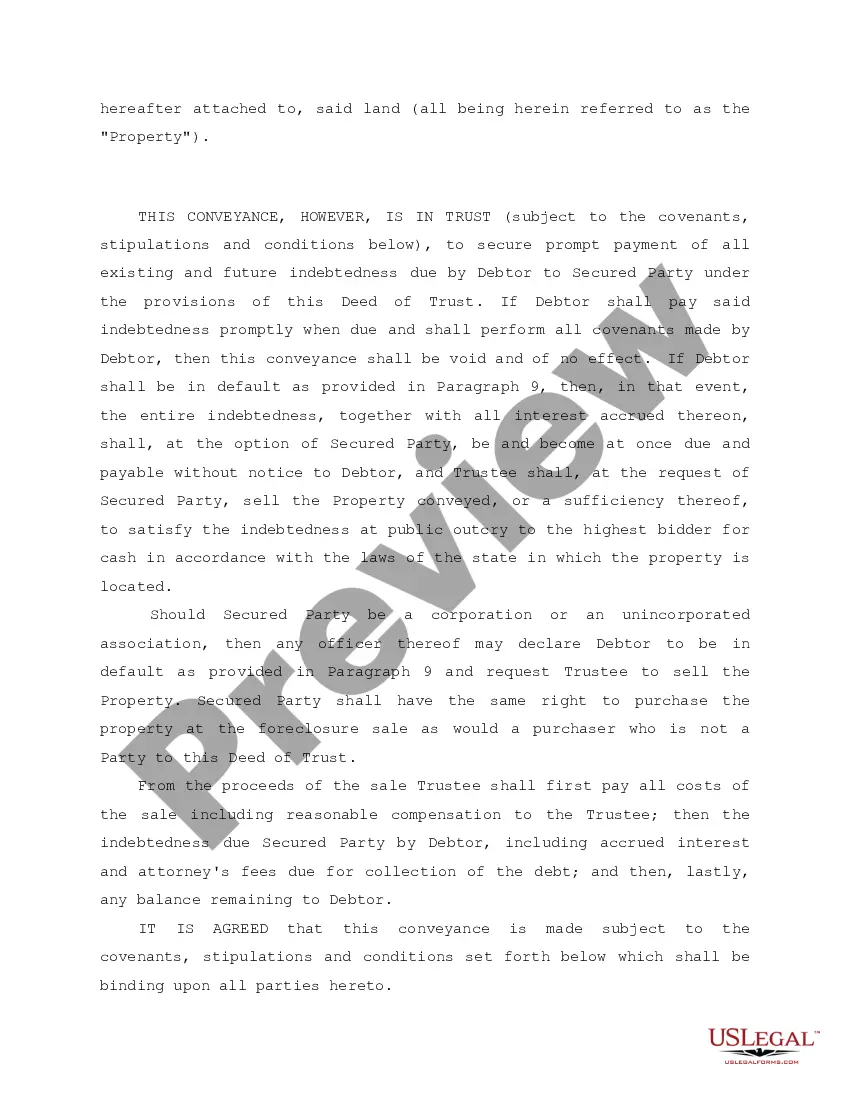
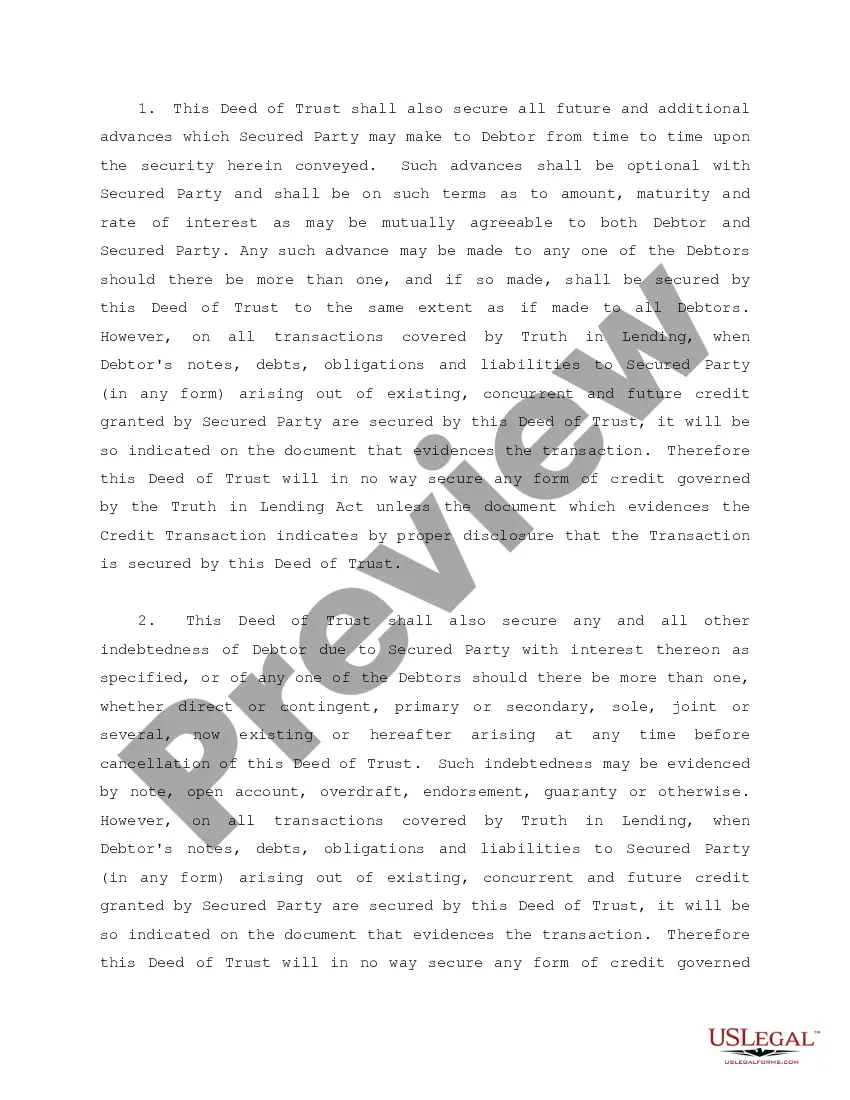
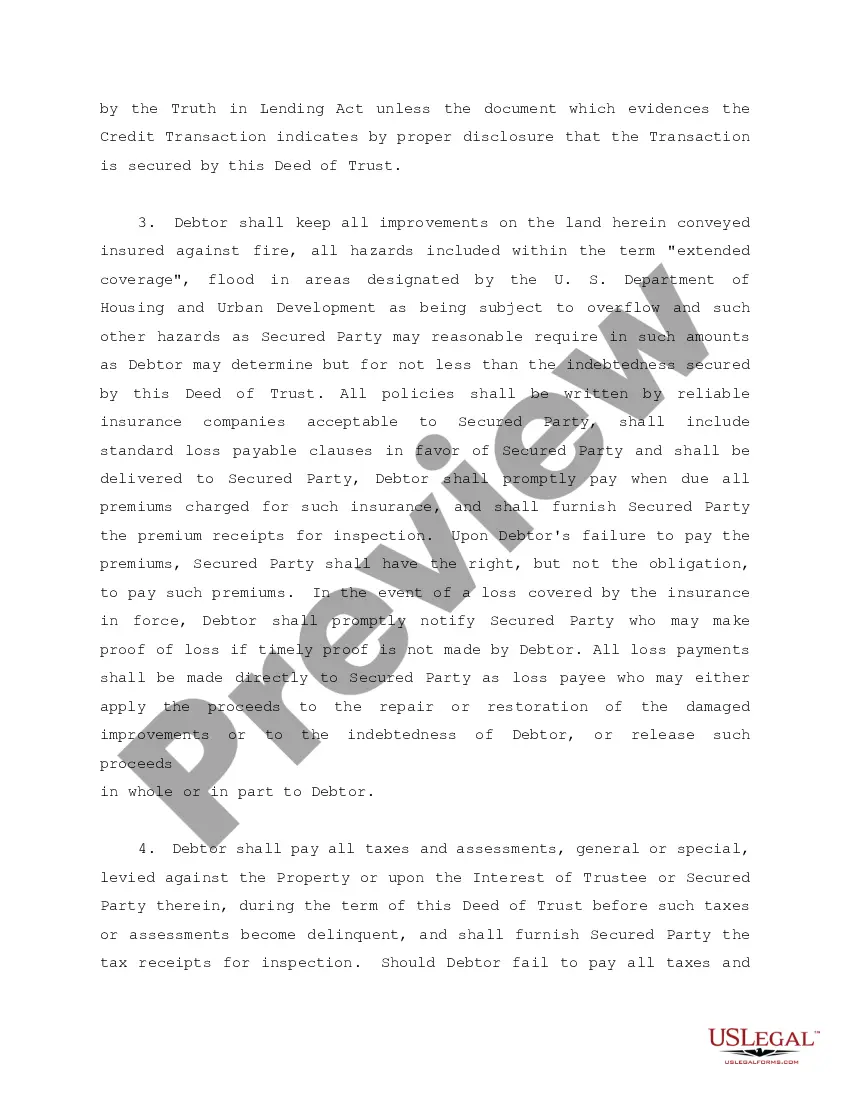
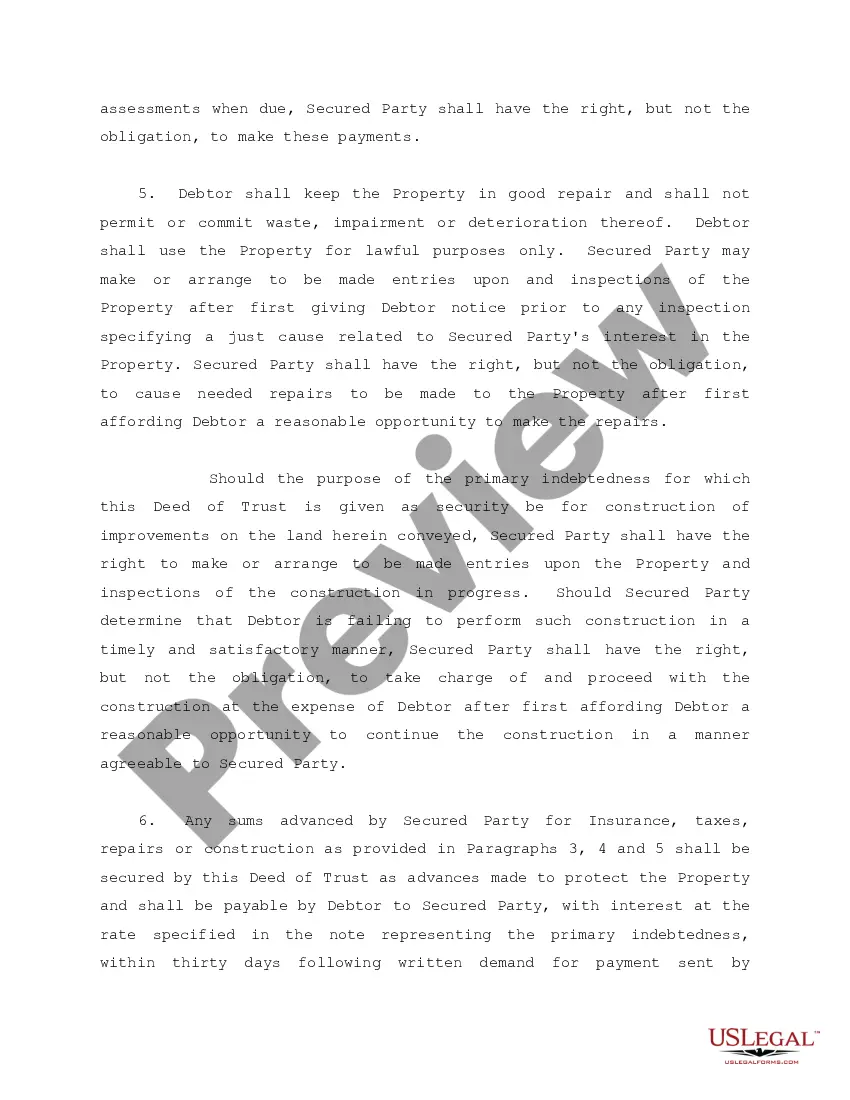

Get your form ready online
Our built-in tools help you complete, sign, share, and store your documents in one place.
Make edits, fill in missing information, and update formatting in US Legal Forms—just like you would in MS Word.
Download a copy, print it, send it by email, or mail it via USPS—whatever works best for your next step.
Sign and collect signatures with our SignNow integration. Send to multiple recipients, set reminders, and more. Go Premium to unlock E-Sign.
If this form requires notarization, complete it online through a secure video call—no need to meet a notary in person or wait for an appointment.
We protect your documents and personal data by following strict security and privacy standards.

Make edits, fill in missing information, and update formatting in US Legal Forms—just like you would in MS Word.

Download a copy, print it, send it by email, or mail it via USPS—whatever works best for your next step.

Sign and collect signatures with our SignNow integration. Send to multiple recipients, set reminders, and more. Go Premium to unlock E-Sign.

If this form requires notarization, complete it online through a secure video call—no need to meet a notary in person or wait for an appointment.

We protect your documents and personal data by following strict security and privacy standards.
Looking for another form?





Form popularity
FAQ
Steps to Take to Become a Secured Creditor Prepare a security agreement with your customer. File a UCC-1 form or financing statement with the appropriate state office. Search for and notify other secured creditors that you have "perfected" or established priority.
Secured debt - A debt that is backed by real or personal property is a “secured” debt. A creditor whose debt is “secured” has a legal right to take the property as full or partial satisfaction of the debt. For example, most homes are burdened by a “secured debt”.
Main types of security English law recognises four types of security interest: mortgages, charges, pledges and liens. Each type of security has different characteristics and grants different types of rights to creditors: Mortgages—a mortgage is created by the transfer of legal and/or beneficial ownership ...
Let's briefly look at each of these requirements. Value is Given for the Security Interest. Debtor Has Rights in the Collateral. The Debtor Authenticates a Security Agreement. Filing a Financing Statement to Perfect the Security Interest. Possessing the Collateral to Perfect the Security Interest.
“UCC” stands for Uniform Commercial Code. The Uniform Commercial Code is a uniform law that governs commercial transactions, including sales of goods, secured transactions and negotiable instruments. The Uniform Commercial Code is a comprehensive set of statutes created to provide consistency among the states.
AN ACT to enact the uniform commercial code, relating to certain commercial transactions in or regarding personal property and contracts and other documents concerning them, including sales, commercial paper, bank deposits and collections, letters of credit, bulk transfers, warehouse receipts, bills of lading, other ...
In order for a security interest to be enforceable against the debtor and third parties, UCC Article 9 sets forth three requirements: Value must be provided in exchange for the collateral; the debtor must have rights in the collateral or the ability to convey rights in the collateral to a secured party; and either the ...
But, generally speaking, a security interest becomes enforceable when (1) one or the other of the two general conditions is met, namely, a secured party has possession pursuant to agreement of property that is capable in law of being possessed or the debtor has authenticated a security agreement that adequately ...
Under new section 9-203(b) a security interest is enforceable, and hence attaches, when (1) the creditor has given value; (2) the debtor has rights in the collateral or the power to transfer an interest in the collateral and (3) one of the specific conditions stated in new section 9-203(b)(3) has been met.
At a minimum, a valid security agreement consists of a description of the collateral, a statement of the intention of providing security interest, and signatures from all parties involved. Most security agreements, however, go beyond these basic requirements.
