Secured Debt Any For Auto Loan In Mecklenburg
Description


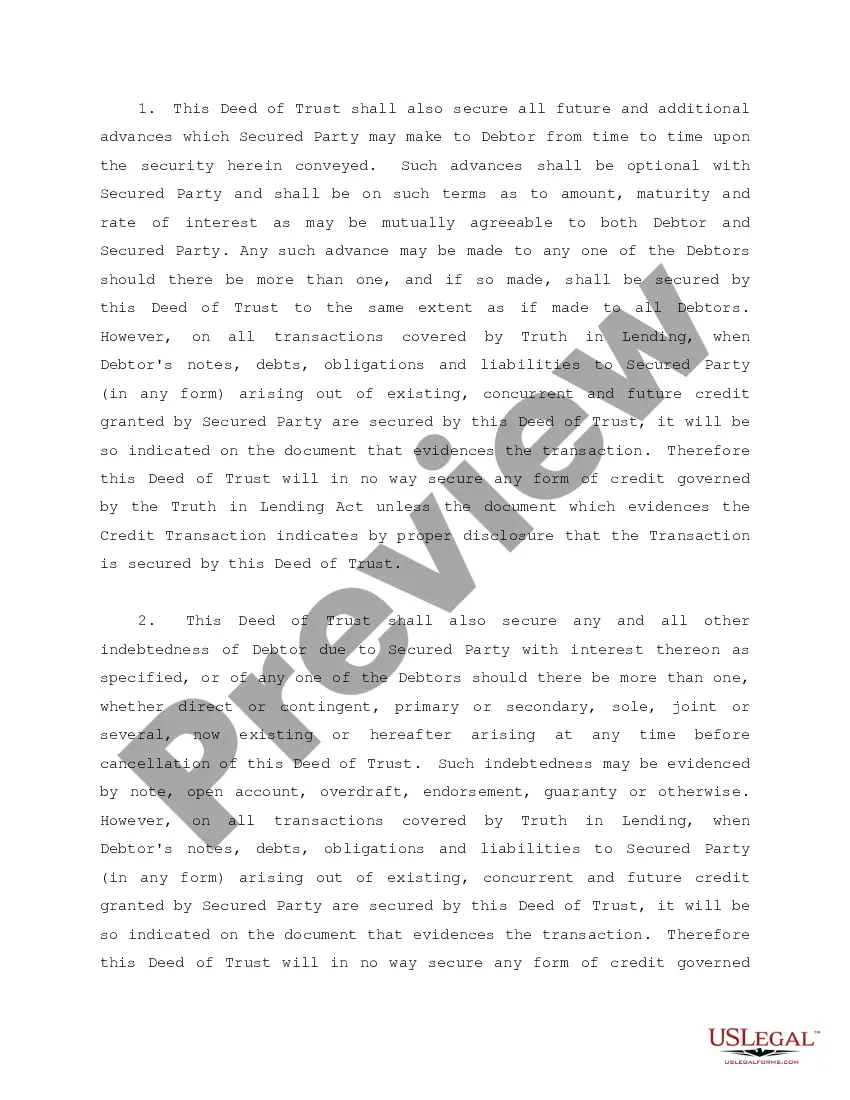
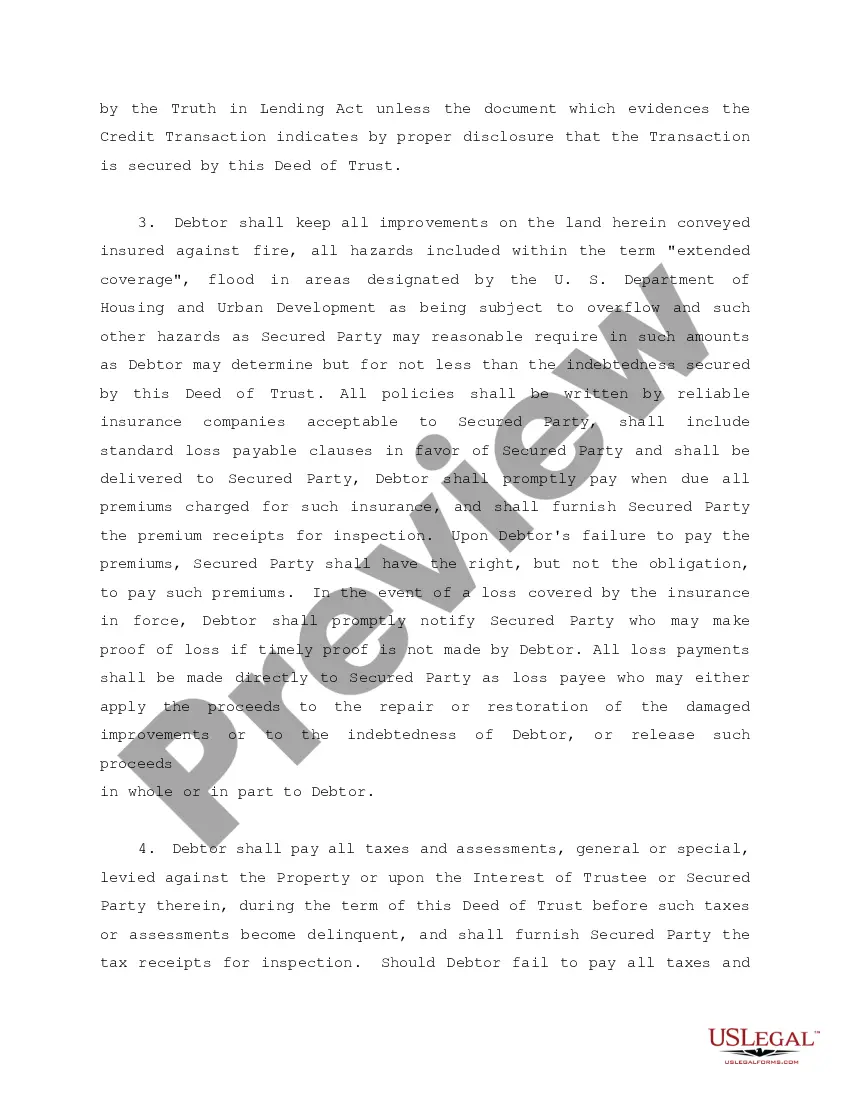
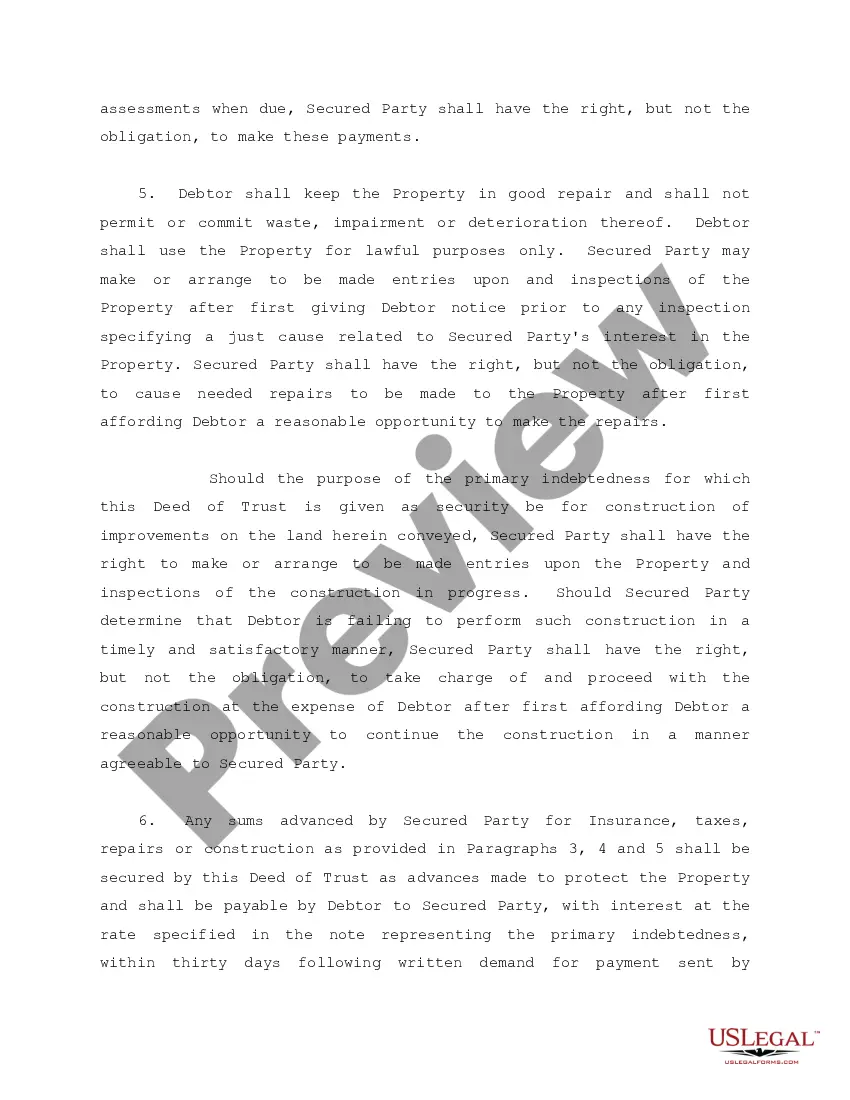
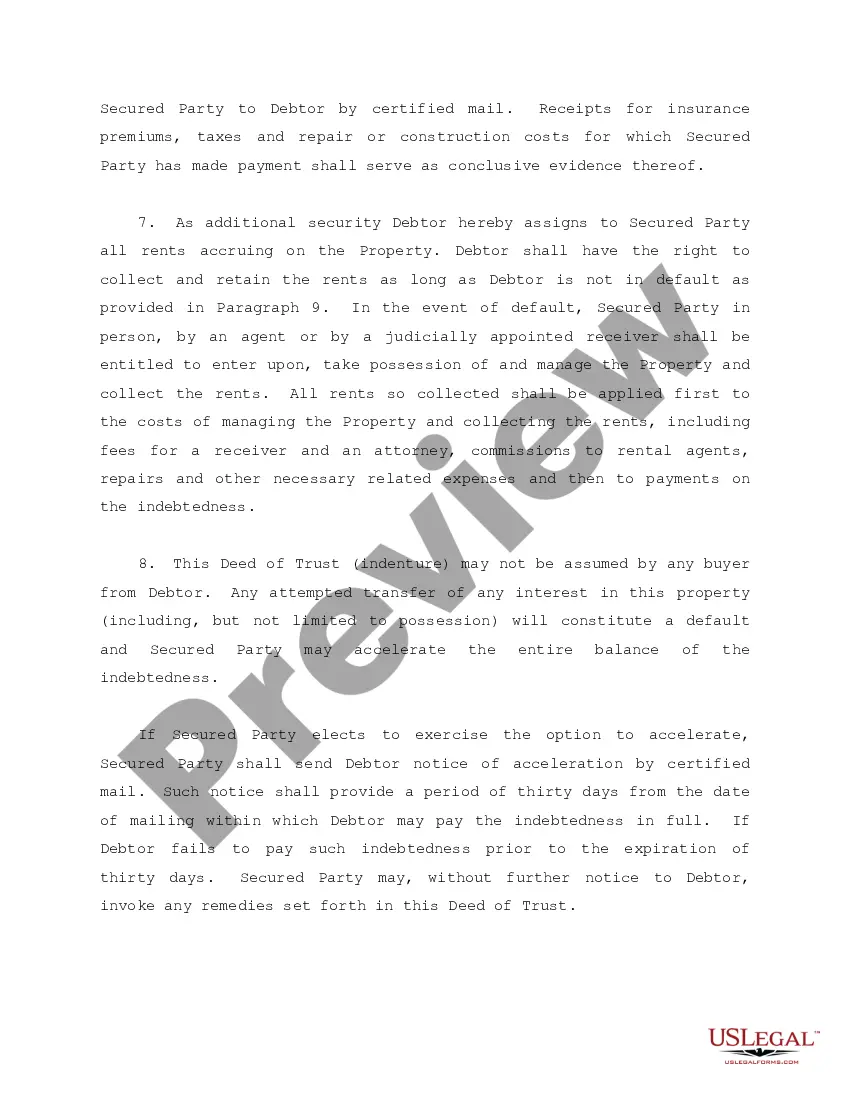


Get your form ready online
Our built-in tools help you complete, sign, share, and store your documents in one place.
Make edits, fill in missing information, and update formatting in US Legal Forms—just like you would in MS Word.
Download a copy, print it, send it by email, or mail it via USPS—whatever works best for your next step.
Sign and collect signatures with our SignNow integration. Send to multiple recipients, set reminders, and more. Go Premium to unlock E-Sign.
If this form requires notarization, complete it online through a secure video call—no need to meet a notary in person or wait for an appointment.
We protect your documents and personal data by following strict security and privacy standards.

Make edits, fill in missing information, and update formatting in US Legal Forms—just like you would in MS Word.

Download a copy, print it, send it by email, or mail it via USPS—whatever works best for your next step.

Sign and collect signatures with our SignNow integration. Send to multiple recipients, set reminders, and more. Go Premium to unlock E-Sign.

If this form requires notarization, complete it online through a secure video call—no need to meet a notary in person or wait for an appointment.

We protect your documents and personal data by following strict security and privacy standards.
Looking for another form?






Form popularity
FAQ
Debt collectors are allowed to contact you: In person, by mail, by telephone and by fax about the bills you owe. At home, between the hours of 8 a.m. and 9 p.m. At work. It is legal for debt collectors to contact you on the job unless they have a telephone number to reach you during non-working hours.
The Consumer Economic Protection Act of 2009 When debt collectors don't get their way, they often turn to the courts. This law requires debt collectors to give you a 30-day written notice of intent to file a lawsuit against you.
Debt collectors cannot harass or abuse you. They cannot swear, threaten to illegally harm you or your property, threaten you with illegal actions, or falsely threaten you with actions they do not intend to take. They also cannot make repeated calls over a short period to annoy or harass you.
There's no single answer to how soon a debt collector can sue—it can be between weeks or months, but they'll usually take steps before it gets to that point. There's also a legal time limit, depending on your state, that prevents you from getting sued after a certain time frame.
Take Inventory of What You Owe. Make a Budget. Avoid New Debt. Use a Debt Repayment Strategy. Reach Out to a Credit Counselor. Consider Debt Relief. Look Into Other Financial Assistance Programs.
Secured debt is explicitly collateralized, placing a lien on specific assets, which facilitates enforcement. Unsecured debt is backed by unencumbered assets and thus implicitly collateralized. The explicit col- lateralization of secured debt entails costs but enables higher leverage.
If you can't or don't want to keep paying the secured debt, you have the option to surrender the collateral. This means you give the property back to the lender, and you're no longer responsible for the debt.
First, the collection agency purchases your bill for pennies on the dollar. Then they attempt to contact you and inform you that they now own your debt and attempt to get payment. If unsuccessful, they can move forward with litigation and eventually have your wages garnished.
