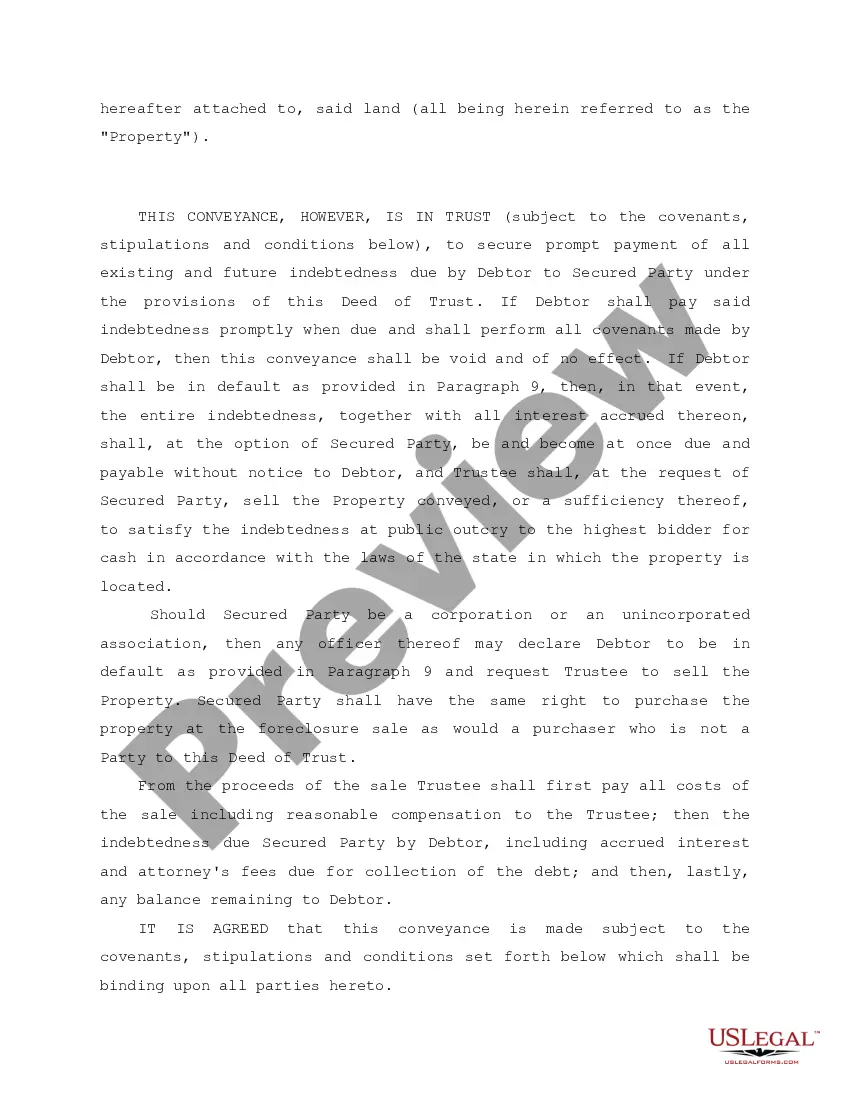
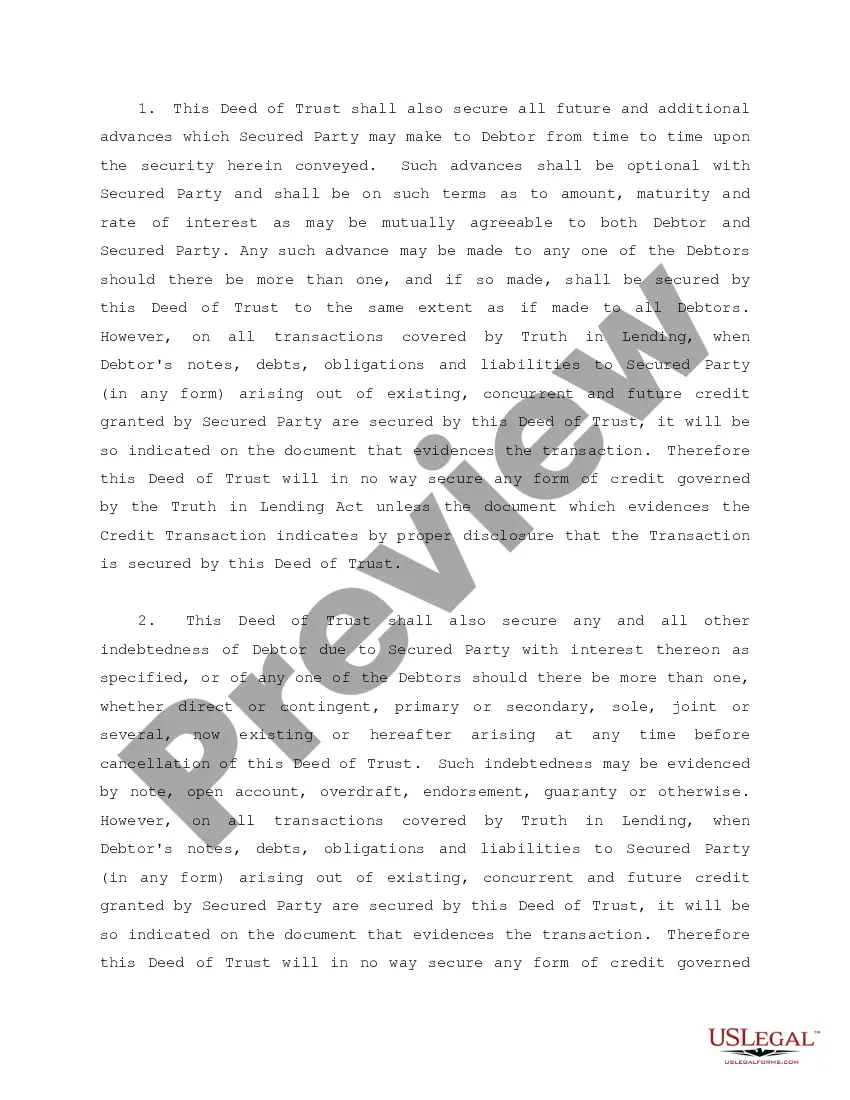
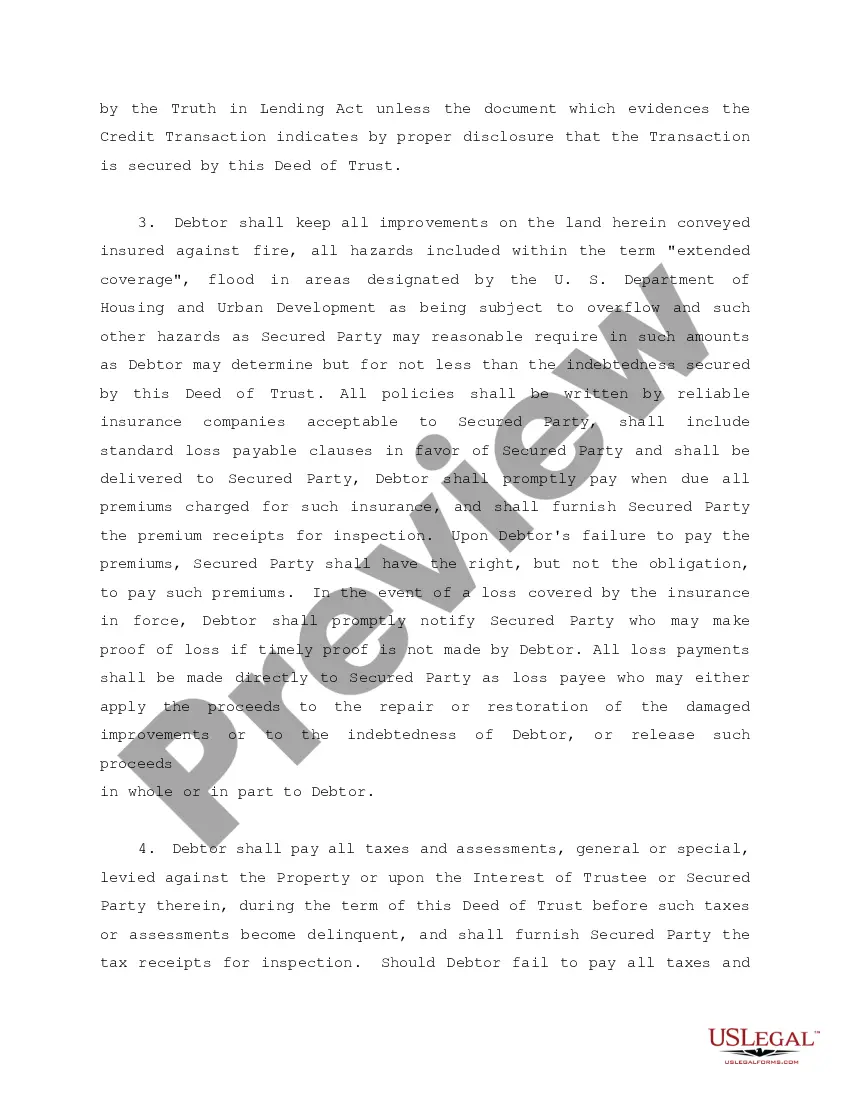
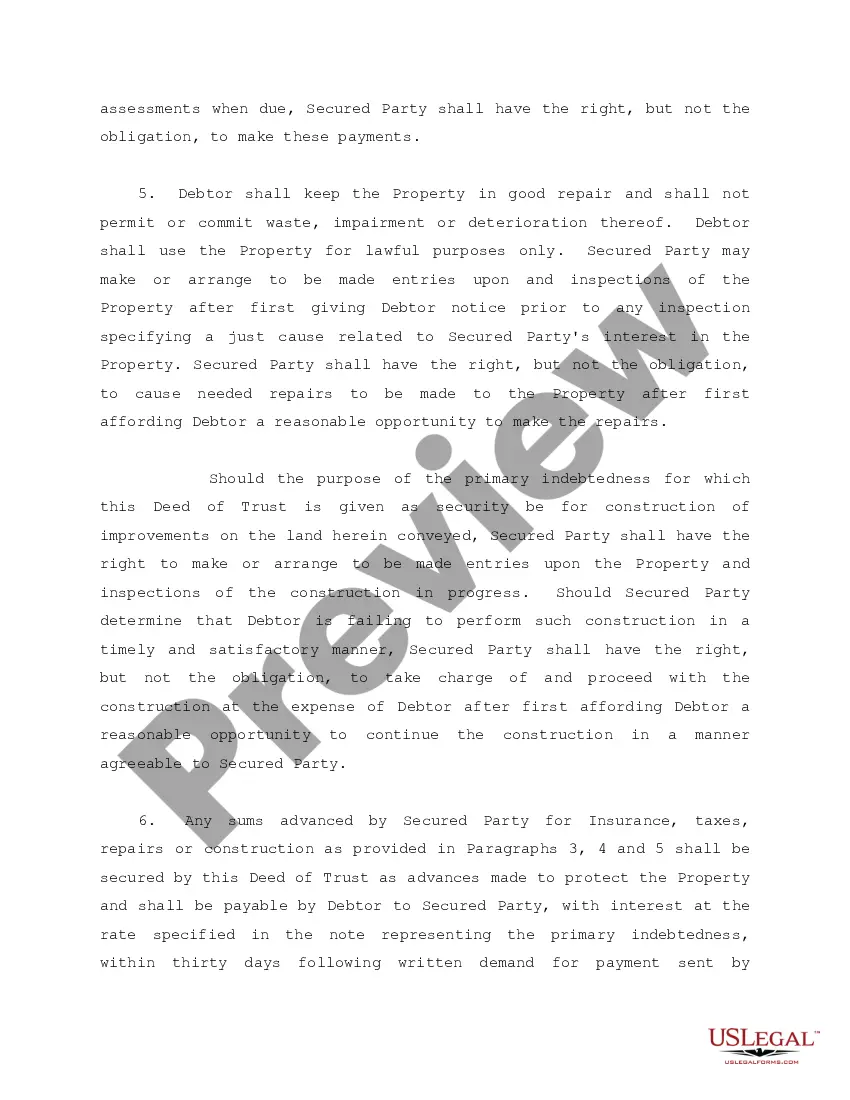
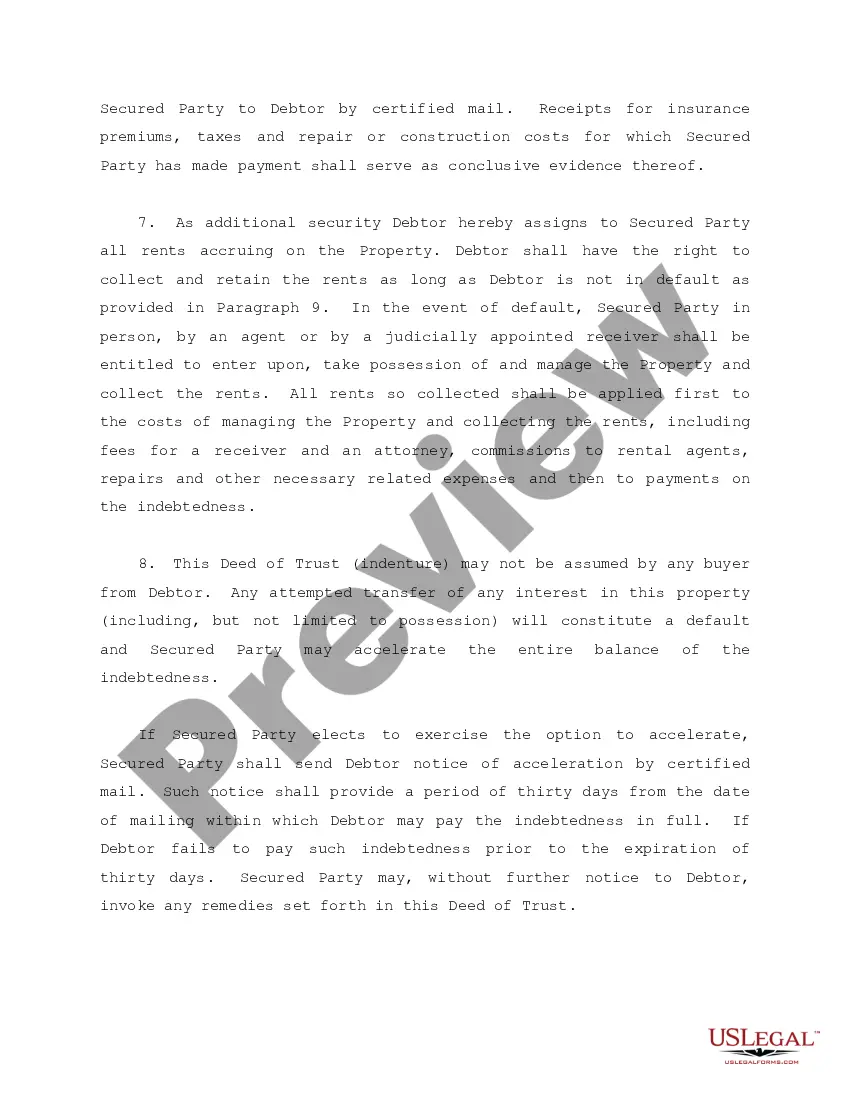
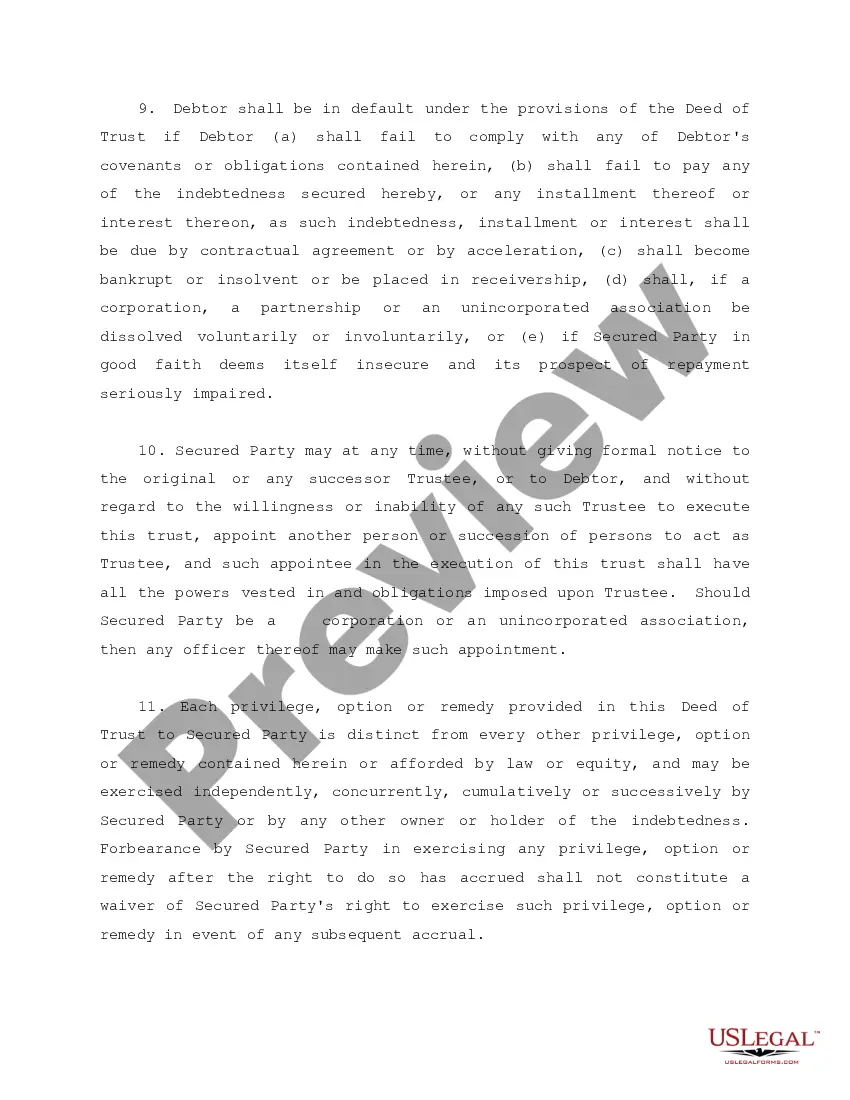
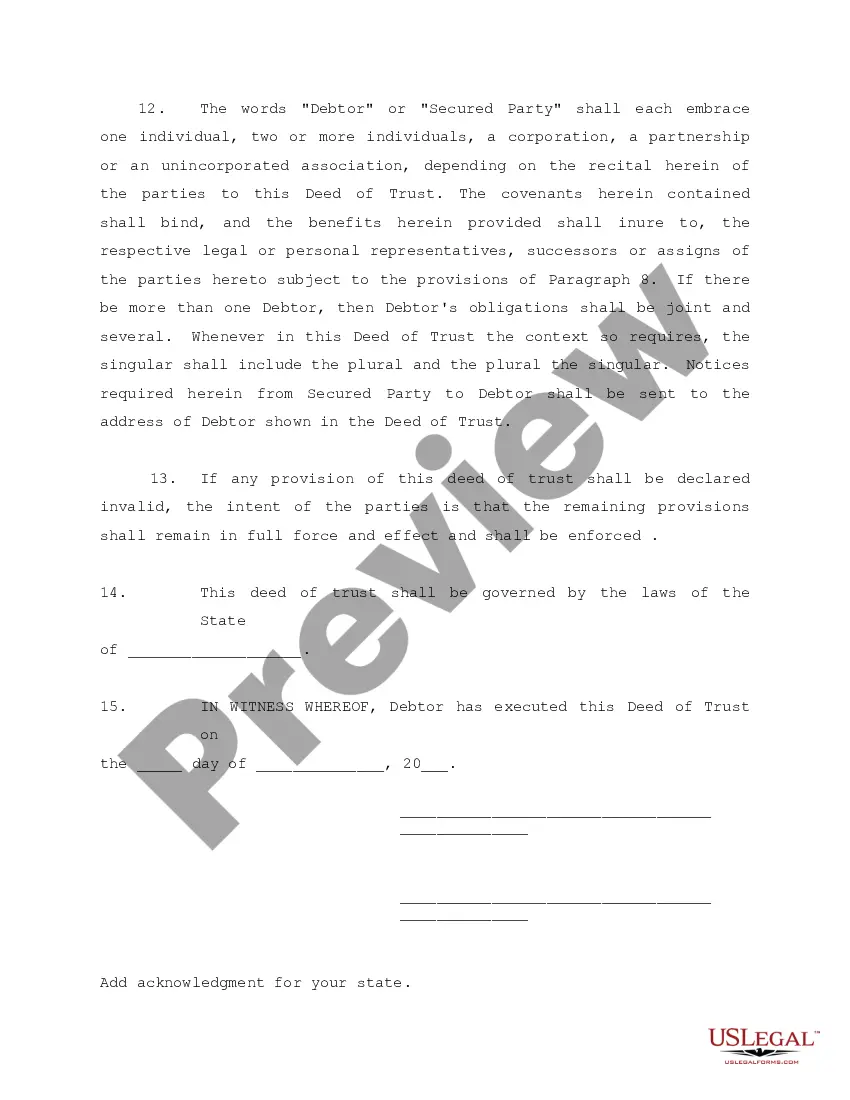
Secure Debt Shall With No Interest In Mecklenburg
Description



Get your form ready online
Our built-in tools help you complete, sign, share, and store your documents in one place.
Make edits, fill in missing information, and update formatting in US Legal Forms—just like you would in MS Word.
Download a copy, print it, send it by email, or mail it via USPS—whatever works best for your next step.
Sign and collect signatures with our SignNow integration. Send to multiple recipients, set reminders, and more. Go Premium to unlock E-Sign.
If this form requires notarization, complete it online through a secure video call—no need to meet a notary in person or wait for an appointment.
We protect your documents and personal data by following strict security and privacy standards.

Make edits, fill in missing information, and update formatting in US Legal Forms—just like you would in MS Word.

Download a copy, print it, send it by email, or mail it via USPS—whatever works best for your next step.

Sign and collect signatures with our SignNow integration. Send to multiple recipients, set reminders, and more. Go Premium to unlock E-Sign.

If this form requires notarization, complete it online through a secure video call—no need to meet a notary in person or wait for an appointment.

We protect your documents and personal data by following strict security and privacy standards.
Looking for another form?







Form popularity
FAQ
Bank accounts solely for government benefits Federal law ensures that creditors cannot touch certain federal benefits, such as Social Security funds and veterans' benefits. If you're receiving these benefits, they would be exempt from garnishment.
Once a tax bill has become delinquent, the Tax Collector has the authority (given by NCGS 105-368(a)) to garnish the taxpayer's wages or to attach rent, bank deposits, or other funds that are being held on behalf of the taxpayer to satisfy the debt.
Debt collectors are allowed to contact you: In person, by mail, by telephone and by fax about the bills you owe. At home, between the hours of 8 a.m. and 9 p.m. At work. It is legal for debt collectors to contact you on the job unless they have a telephone number to reach you during non-working hours.
However, laws in North Carolina protect consumers from wage garnishment. Most unsecured debts in North Carolina, such as medical bills and credit card debt, cannot be garnished from your paycheck. However, a creditor can put a lien on your property or levy your bank account.
You cannot legally go to jail over debt. This is referred to as a ``debtor's prison'' and is not a legally acceptable practice.
Debt forgiveness is when a lender or creditor agrees to wipe out all or part of a debt. You may be able to apply if you have unsecured debts like credit cards, student loans or tax debt. Medical debts and mortgages may also qualify for some types of relief.
Which debt solutions write off debts? Bankruptcy: Writes off unsecured debts if you cannot repay them. Any assets like a house or car may be sold. Debt relief order (DRO): Writes off debts if you have a relatively low level of debt. Must also have few assets. Individual voluntary arrangement (IVA): A formal agreement.
Debt collectors can't try to collect on a debt indefinitely. The statute of limitations limits how long debt collectors have to sue you for your debt. In North Carolina, the statute of limitations is: Three years for credit card debt, medical debt, and other open accounts.
– On motion and upon such terms as are just, the court may relieve a party or his legal representative from a final judgment, order, or proceeding for the following reasons: (1) Mistake, inadvertence, surprise, or excusable neglect; (2) Newly discovered evidence which by due diligence could not have been discovered in ...
