Blank Deed Of Trust Form In Massachusetts
Description



Get your form ready online
Our built-in tools help you complete, sign, share, and store your documents in one place.
Make edits, fill in missing information, and update formatting in US Legal Forms—just like you would in MS Word.
Download a copy, print it, send it by email, or mail it via USPS—whatever works best for your next step.
Sign and collect signatures with our SignNow integration. Send to multiple recipients, set reminders, and more. Go Premium to unlock E-Sign.
If this form requires notarization, complete it online through a secure video call—no need to meet a notary in person or wait for an appointment.
We protect your documents and personal data by following strict security and privacy standards.

Make edits, fill in missing information, and update formatting in US Legal Forms—just like you would in MS Word.

Download a copy, print it, send it by email, or mail it via USPS—whatever works best for your next step.

Sign and collect signatures with our SignNow integration. Send to multiple recipients, set reminders, and more. Go Premium to unlock E-Sign.

If this form requires notarization, complete it online through a secure video call—no need to meet a notary in person or wait for an appointment.

We protect your documents and personal data by following strict security and privacy standards.
Looking for another form?
Form popularity
FAQ
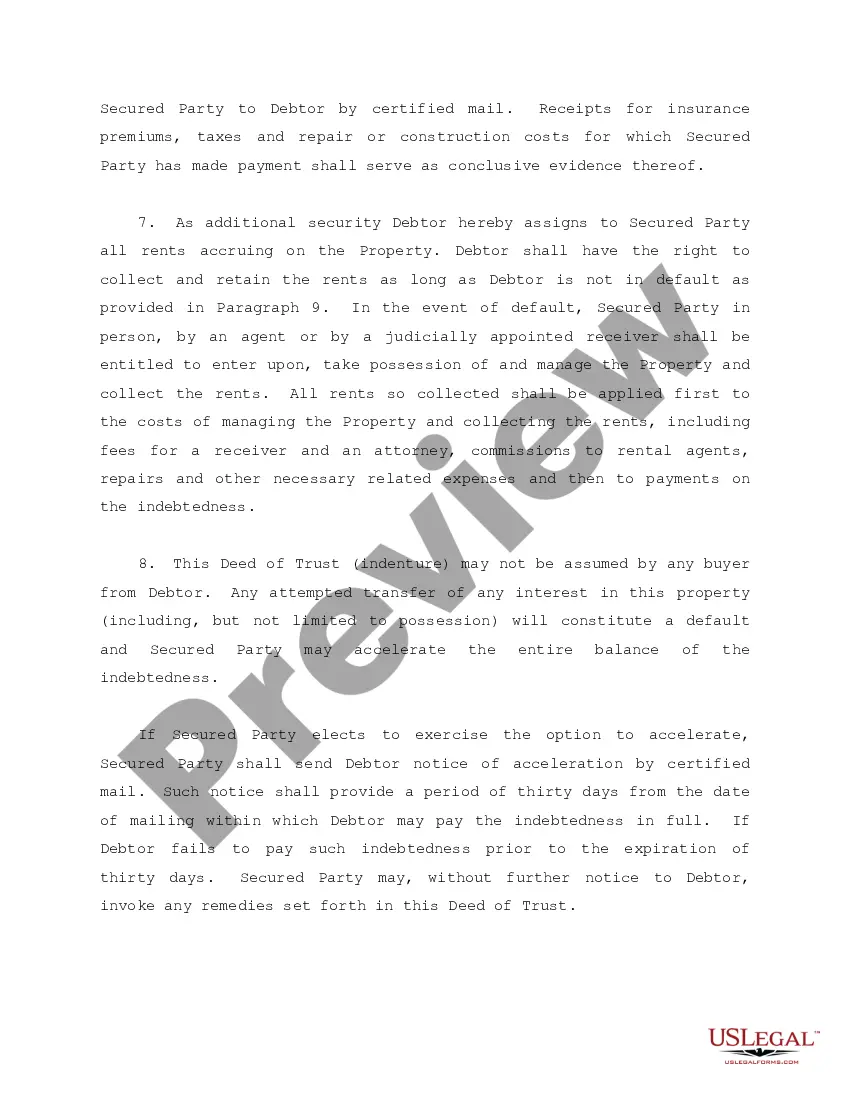
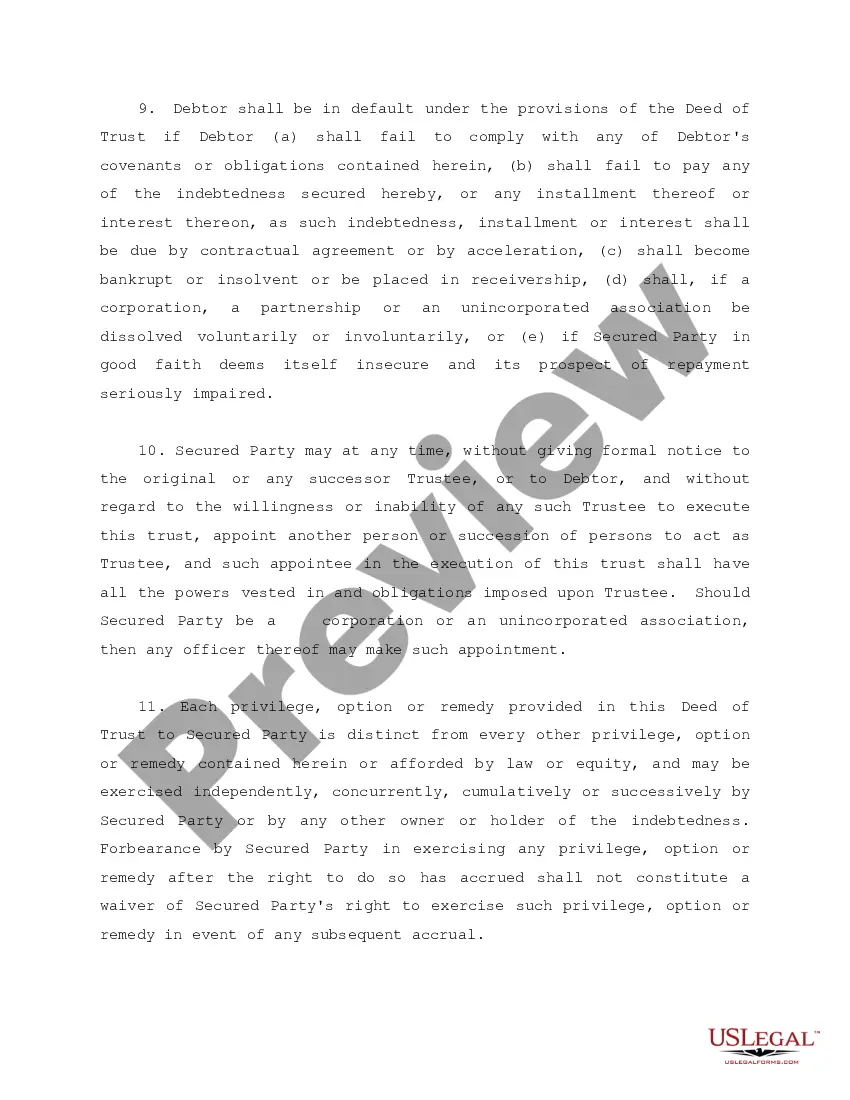
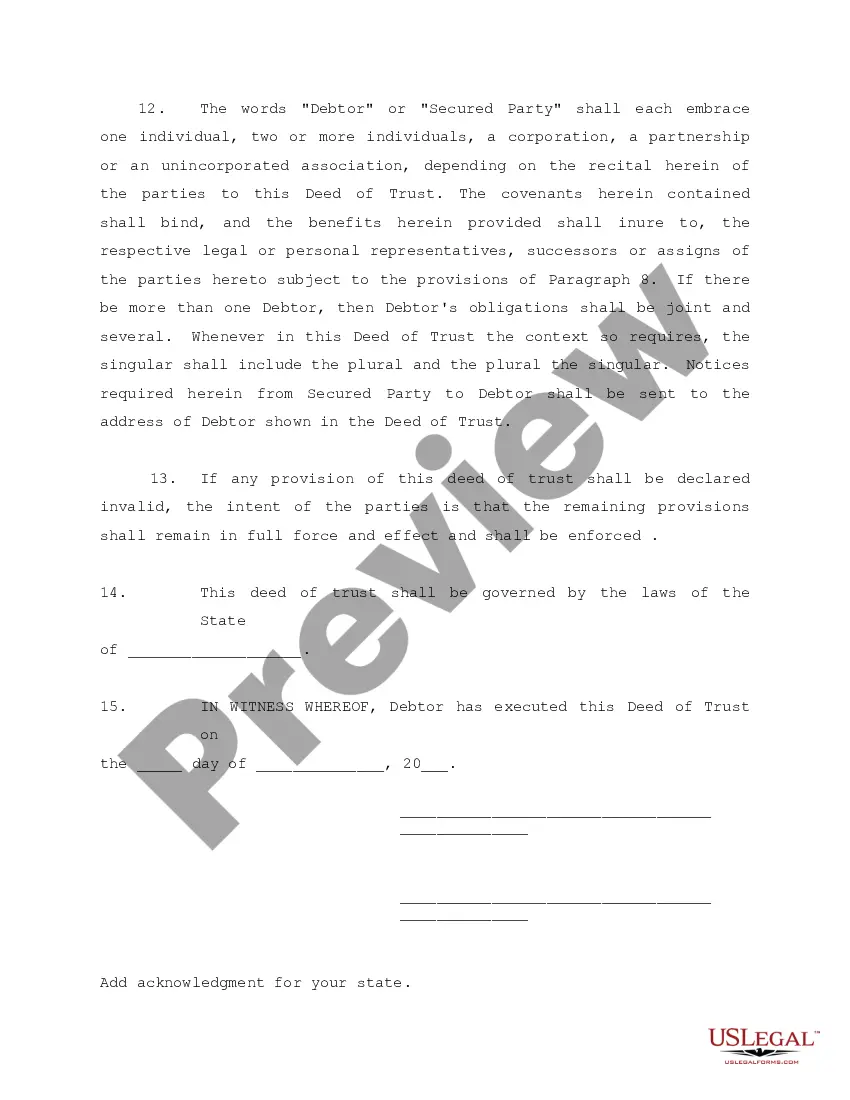
Massachusetts law does not require deeds to be prepared by attorneys. Just as individuals can represent themselves in Court, individuals can prepare deeds and other legal documents. A defective deed may not properly transfer title, and may create a title defect that must be corrected.
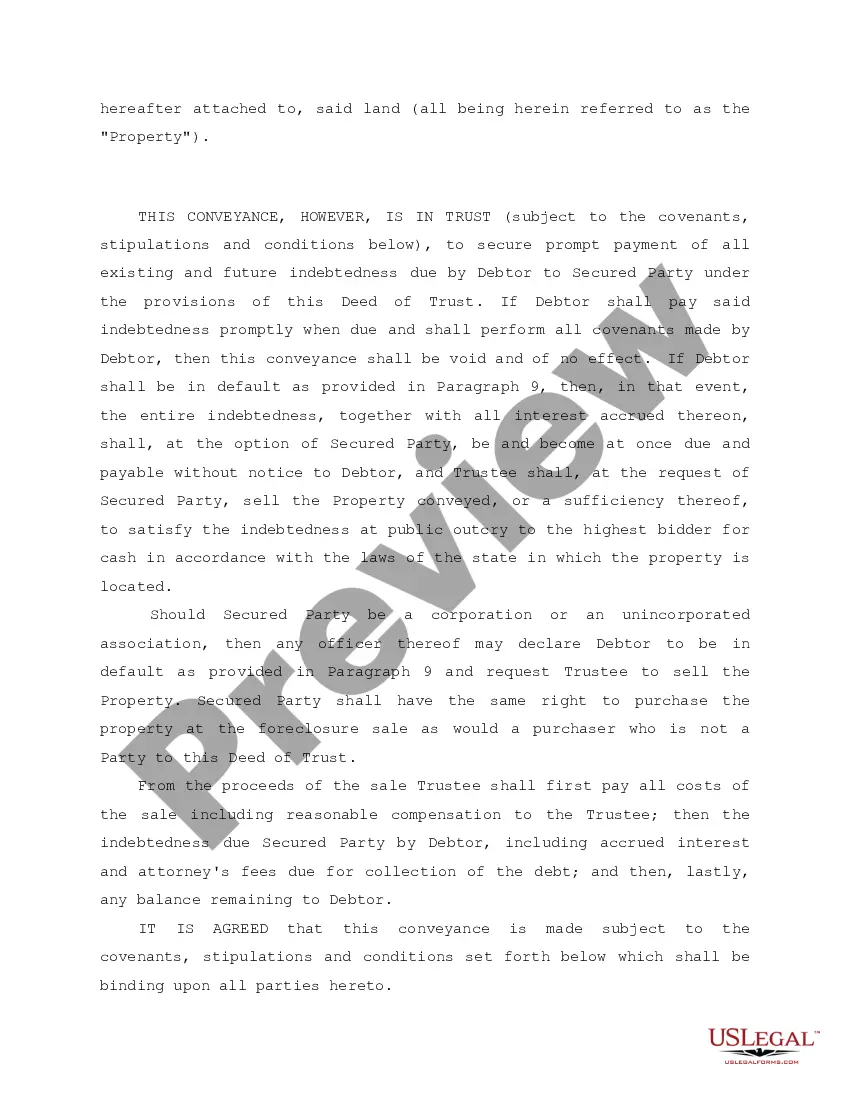
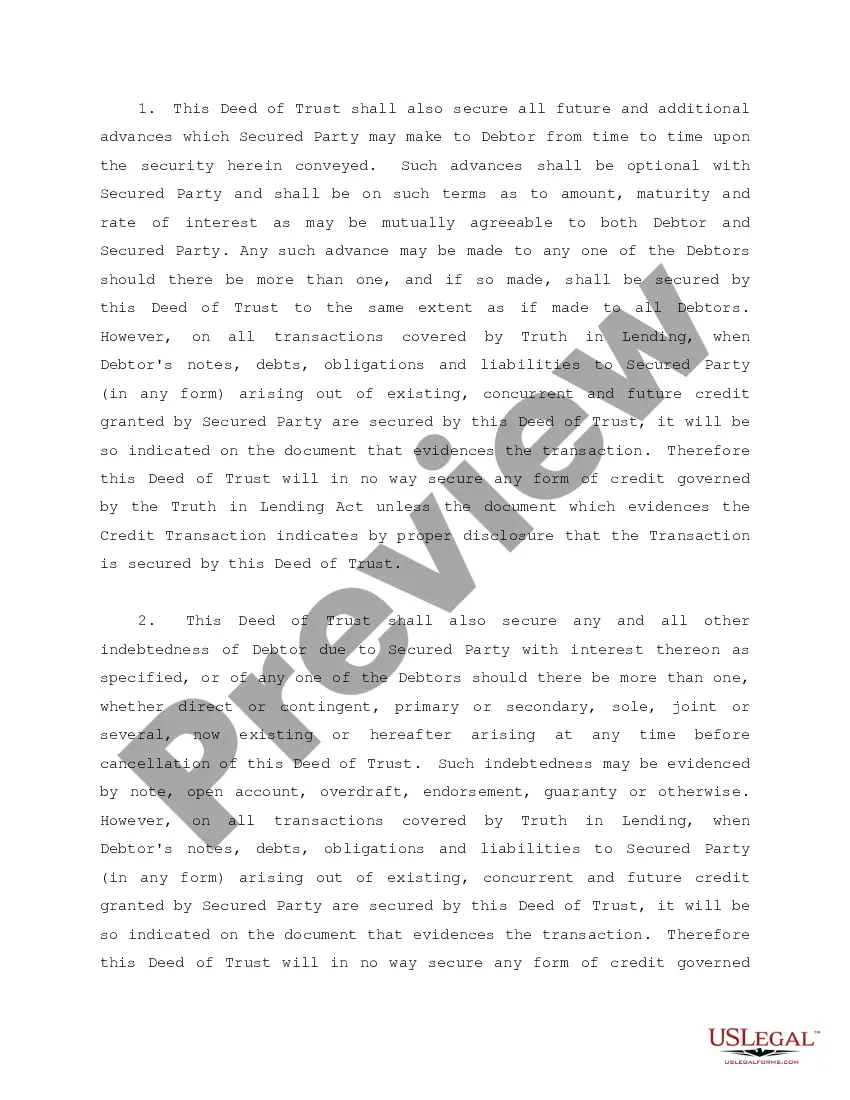
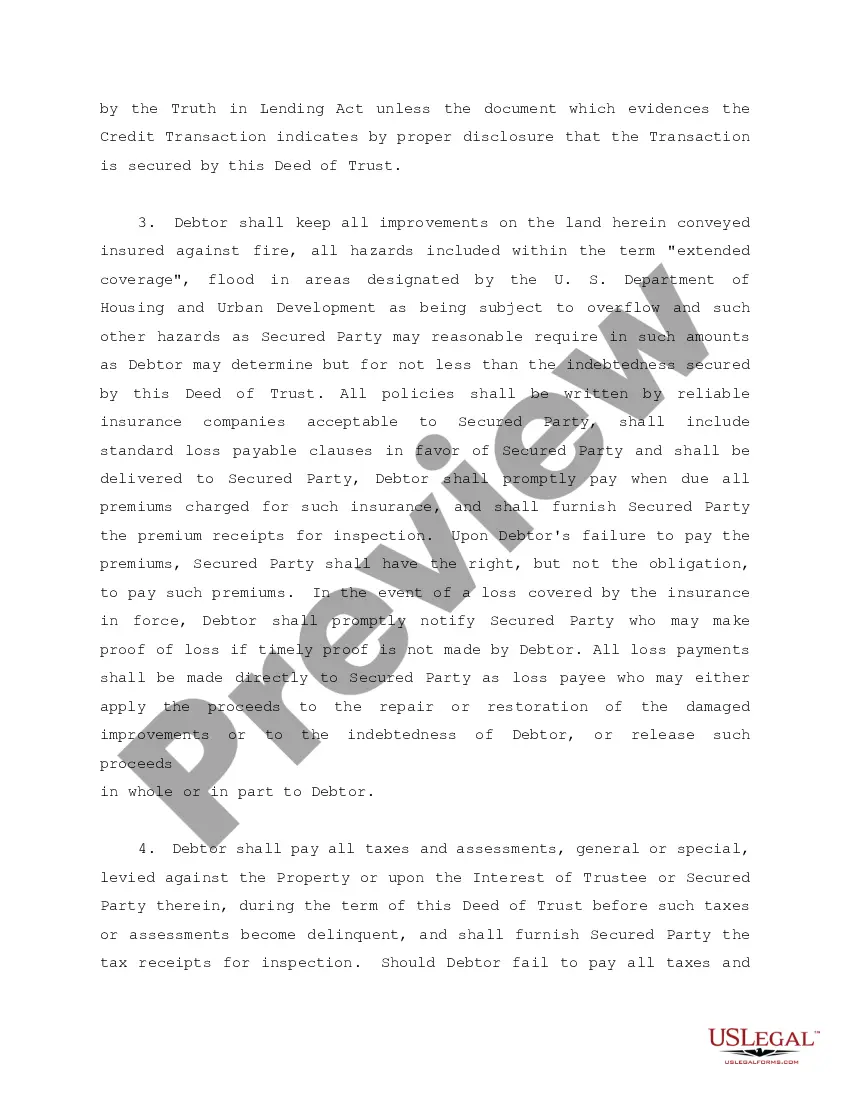
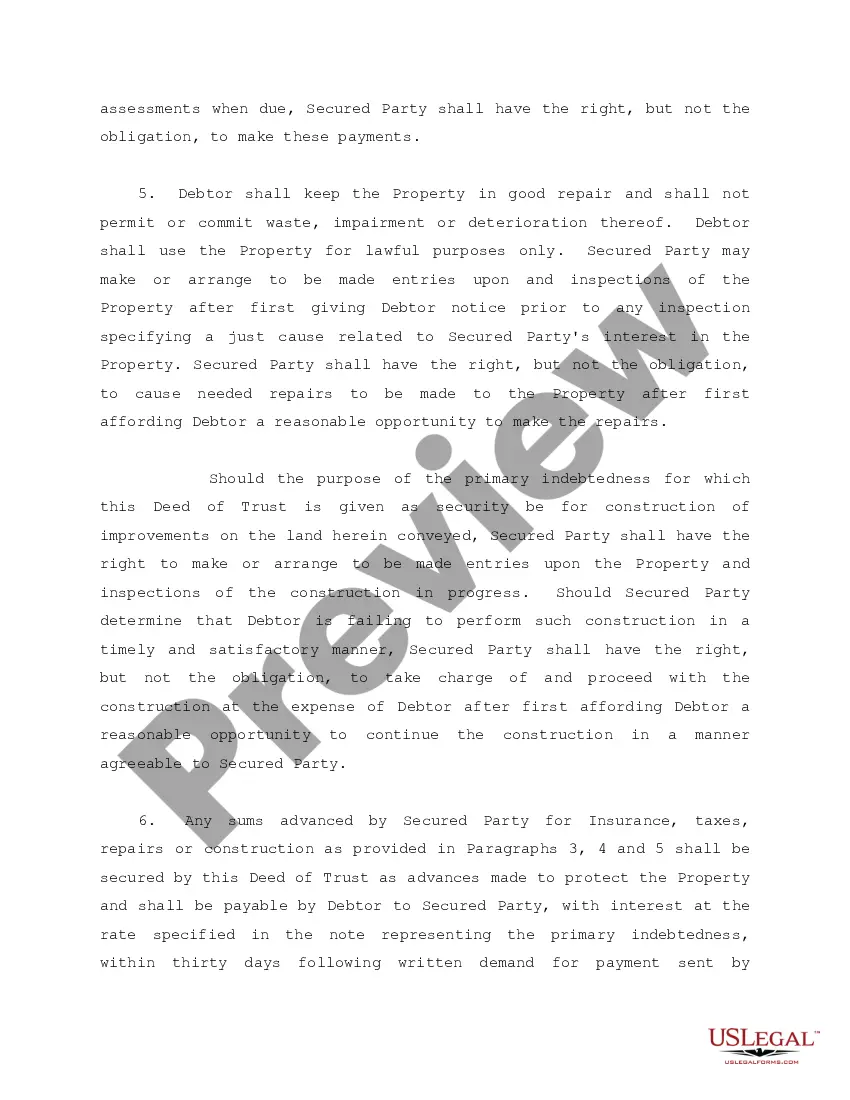
Is Massachusetts a Mortgage State or a Deed of Trust State? Massachusetts is a Deed of Trust state.
Technically, anyone can make up a new deed, but we strongly advise you to hire a lawyer to do it. If you are doing it for the first time it is easy to make a mistake that could jeopardize your ownership of the property. Once the new deed is created, signed and notarized, it should be recorded at the Registry of Deeds.
Deeds of trust are the most common instrument used in the financing of real estate purchases in Alaska, Arizona, California, Colorado, the District of Columbia, Idaho, Maryland, Mississippi, Missouri, Montana, Nebraska, Nevada, North Carolina, Oregon, Tennessee, Texas, Utah, Virginia, Washington, and West Virginia, ...
Massachusetts is a Deed of Trust state.
Disadvantages of a Trust Deed For borrowers, if financial circumstances change, default on repayment can result in property foreclosure.
Living trusts in Massachusetts A living trust in Massachusetts is created by the grantor, the person putting things into trust. As the grantor you must choose a trustee who is charged with managing the trust for your benefit while you are alive and distributing your assets to your beneficiaries after your death.
This Deed of Trust (the “Trust Deed”) sets out the terms and conditions upon which: Settlor Name (the “Settlor”), of Settlor Address, settles that property set out in Schedule A (the “Property”) upon Trustee Name (the “Trustee”), being a Company duly registered under the laws of state with registered number ...
Although generally a deed does not have to be recorded to be a valid conveyance, there are practical reasons for recording a deed. Deeds usually do not take effect as to creditors and subsequent purchasers without notice until the instrument is recorded.
The primary evidence of ownership is the deed itself, but the recording of the deed at the Registry of Deeds is notice to the world as to ownership. Unrecorded deeds are legally binding on the persons who have knowledge of the deed but recorded deeds are absolute proof of ownership.
