Secured Debt Any With A Sinking Fund In Maryland
Description

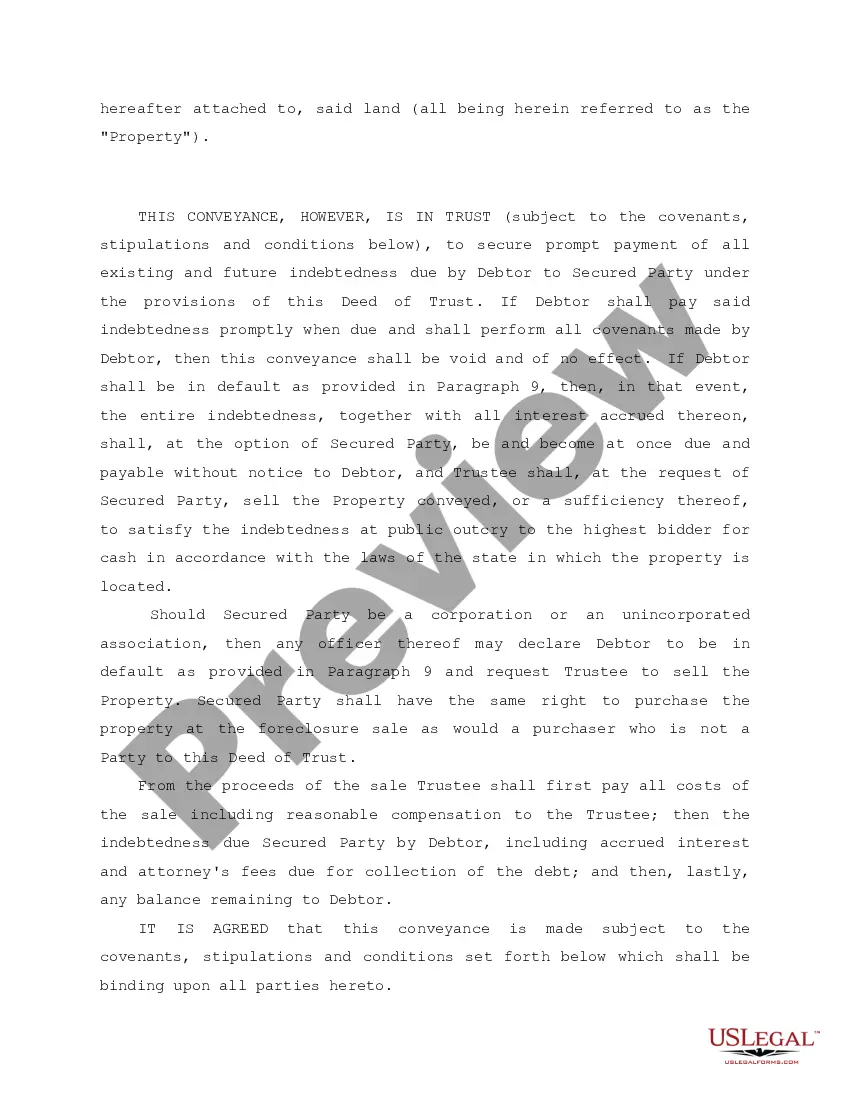
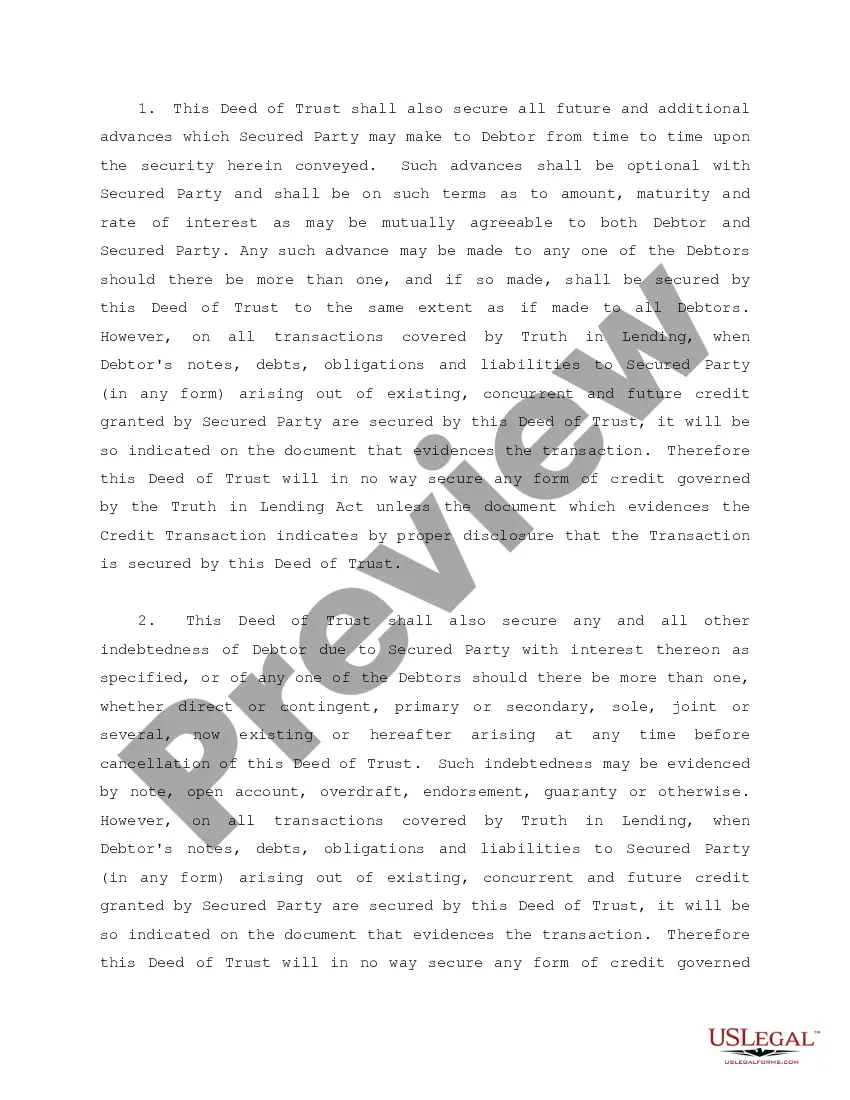
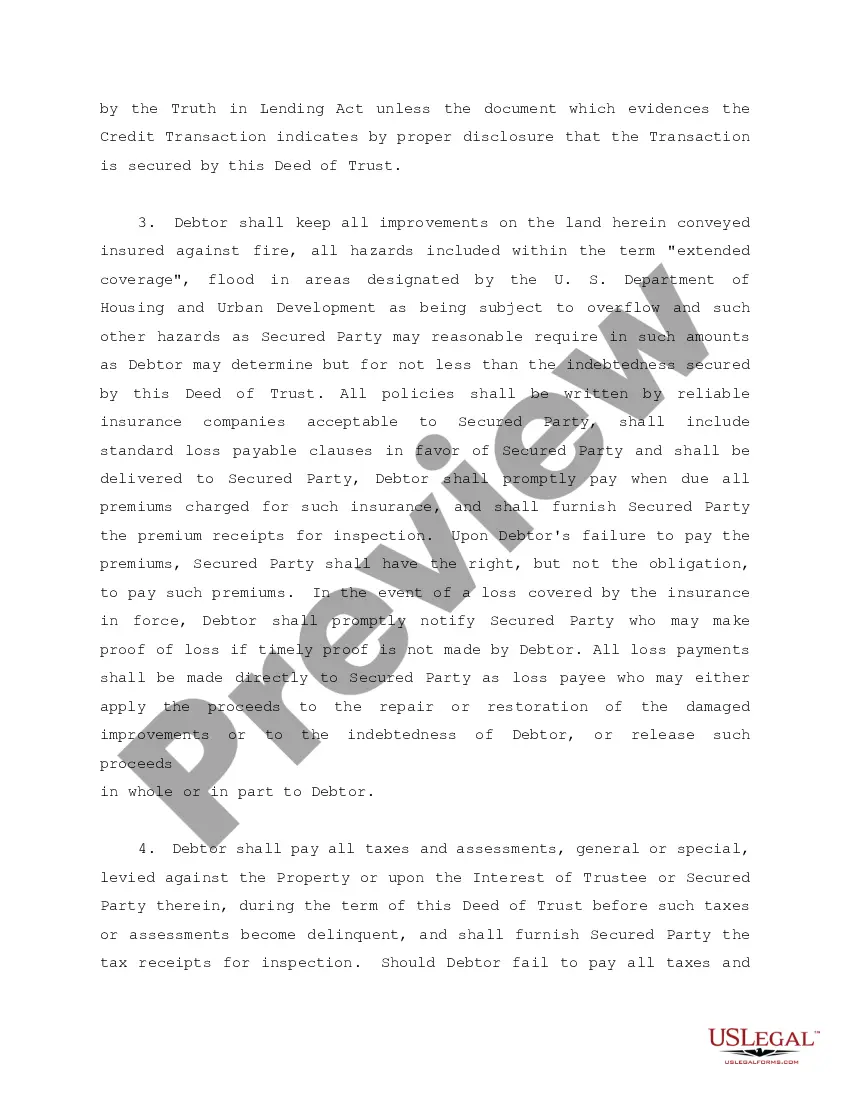
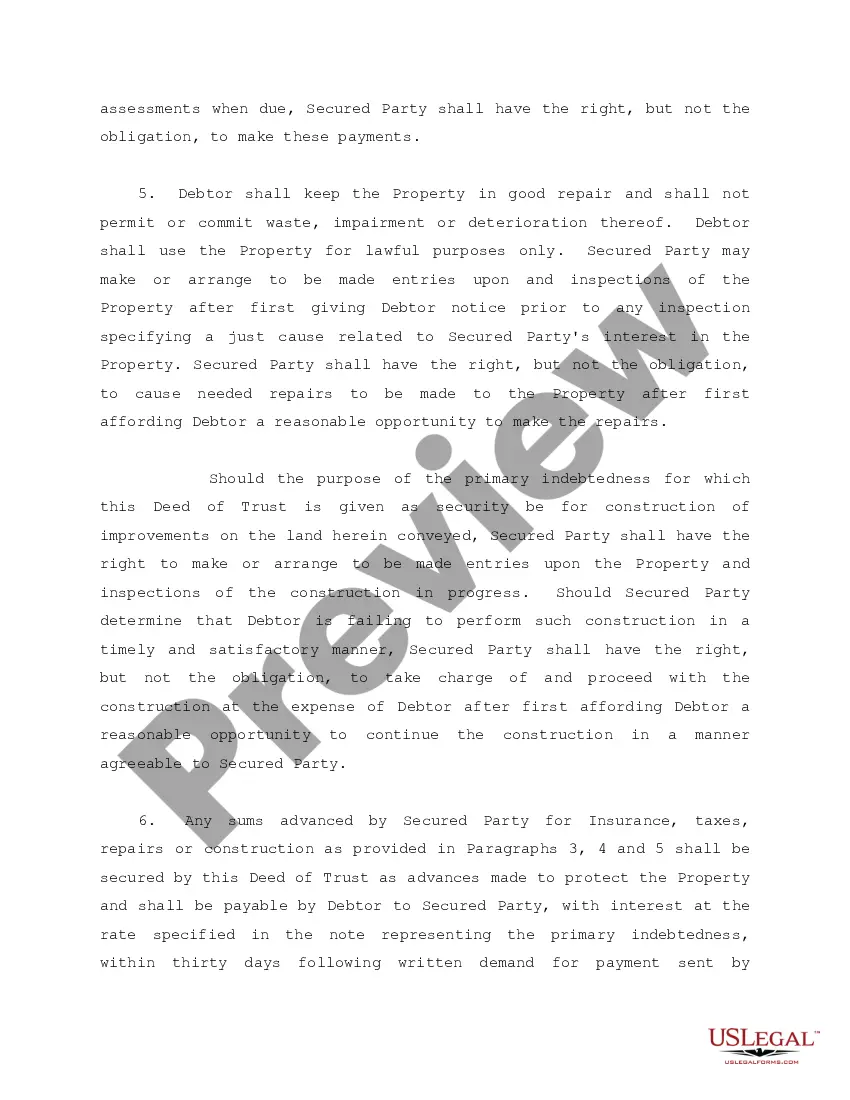

Get your form ready online
Our built-in tools help you complete, sign, share, and store your documents in one place.
Make edits, fill in missing information, and update formatting in US Legal Forms—just like you would in MS Word.
Download a copy, print it, send it by email, or mail it via USPS—whatever works best for your next step.
Sign and collect signatures with our SignNow integration. Send to multiple recipients, set reminders, and more. Go Premium to unlock E-Sign.
If this form requires notarization, complete it online through a secure video call—no need to meet a notary in person or wait for an appointment.
We protect your documents and personal data by following strict security and privacy standards.

Make edits, fill in missing information, and update formatting in US Legal Forms—just like you would in MS Word.

Download a copy, print it, send it by email, or mail it via USPS—whatever works best for your next step.

Sign and collect signatures with our SignNow integration. Send to multiple recipients, set reminders, and more. Go Premium to unlock E-Sign.

If this form requires notarization, complete it online through a secure video call—no need to meet a notary in person or wait for an appointment.

We protect your documents and personal data by following strict security and privacy standards.
Looking for another form?
Form popularity
FAQ
Sinking funds are in 'trust' for the scheme and should not be returned to lessees upon assignment, or at any time. Interest earned on funds should be added to the funds unless the lease states otherwise. If funds are held in 'trust' then a tax will be charged on the interest earned.
Classification of a Bond Sinking Fund The bond sinking fund is categorized as a long-term asset within the Investments classification on the balance sheet, since it is to be used to retire a liability that is also classified as long term.
The SFF is the equal periodic payment that must be made at the end of each of n periods at periodic interest rate i, such that the payments compound to $1 at the end of the last period. The SFF is typically used to determine how much must be set aside each period in order to meet a future monetary obligation.
Bonds issued under a SINKING FUND agreement, which requires the debtor organization (obligor) to periodically set aside out of earnings a sum which, with interest, will be sufficient to redeem the issue in whole or part of maturity.
An independent trustee will invest the corporation's annual deposits with the goal of the sinking fund balance growing to approximately $20 million by the time the bonds come due in 20 years. The corporation will report the bond sinking fund balance in the investments section of its balance sheet.
Sinking fund contributions are set aside for long-term expenses such as major repairs and upgrades. Strata levies cover the ongoing operational costs and regular maintenance of the strata property.
A sinking fund is typically listed as a noncurrent asset—or long-term asset—on a company's balance sheet and is often included in the listing for long-term investments or other investments.
The corporation will report the bond sinking fund balance in the investments section of its balance sheet. The investments section appears immediately after the current asset section.
Debt Collection Statute of Limitations by State StateWritten ContractOral Contract California 4 years 2 years Colorado 3 (6 most debts; rent) (2 tortious breach) 3 years (6 short-term debt/rent ) (2 tortious breach) Connecticut 6 years 3 years Delaware 3 years 3 years47 more rows •
Debt collectors may not be able to sue you to collect on old (time-barred) debts, but they may still try to collect on those debts. In California, there is generally a four-year limit for filing a lawsuit to collect a debt based on a written agreement.