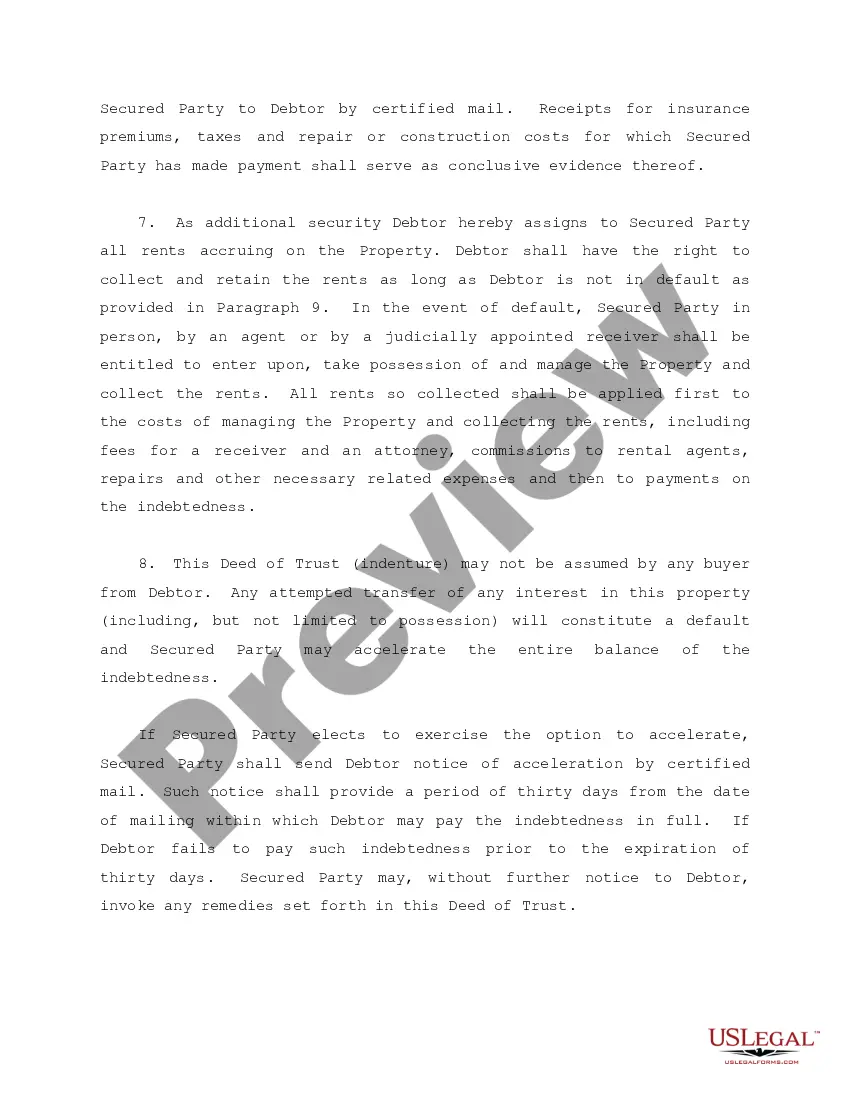
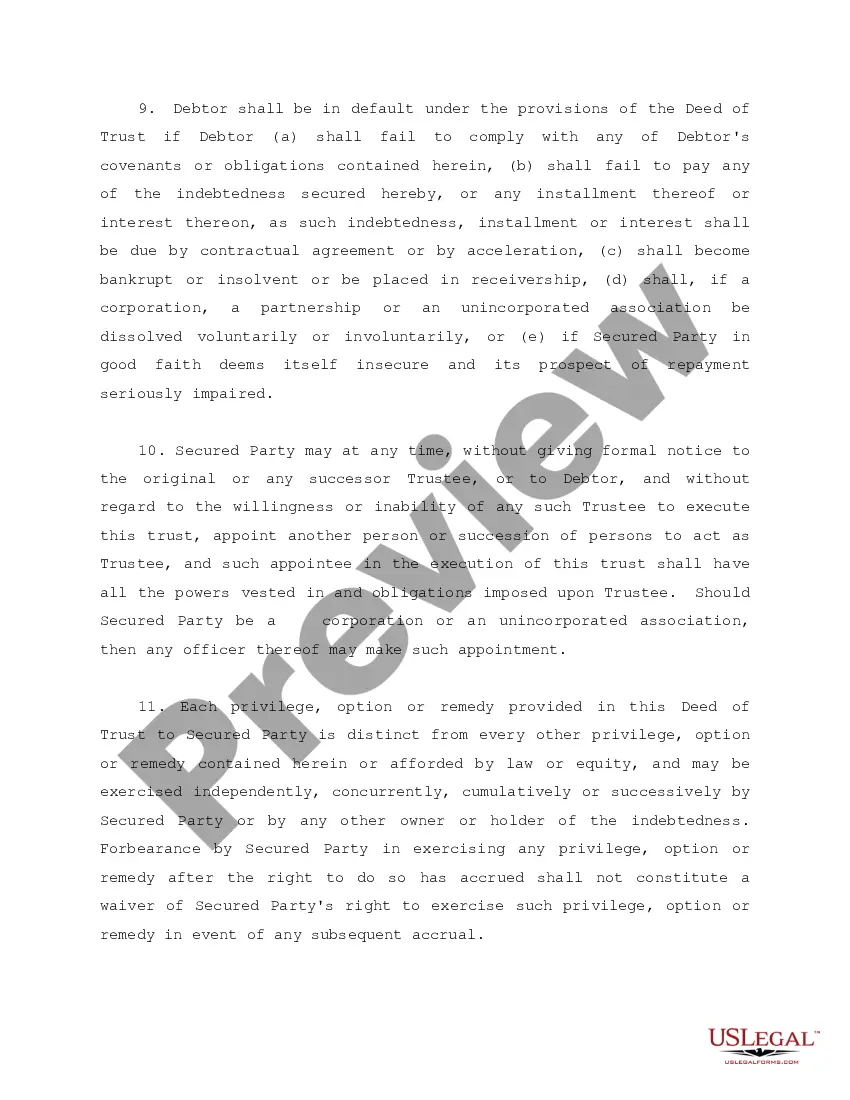
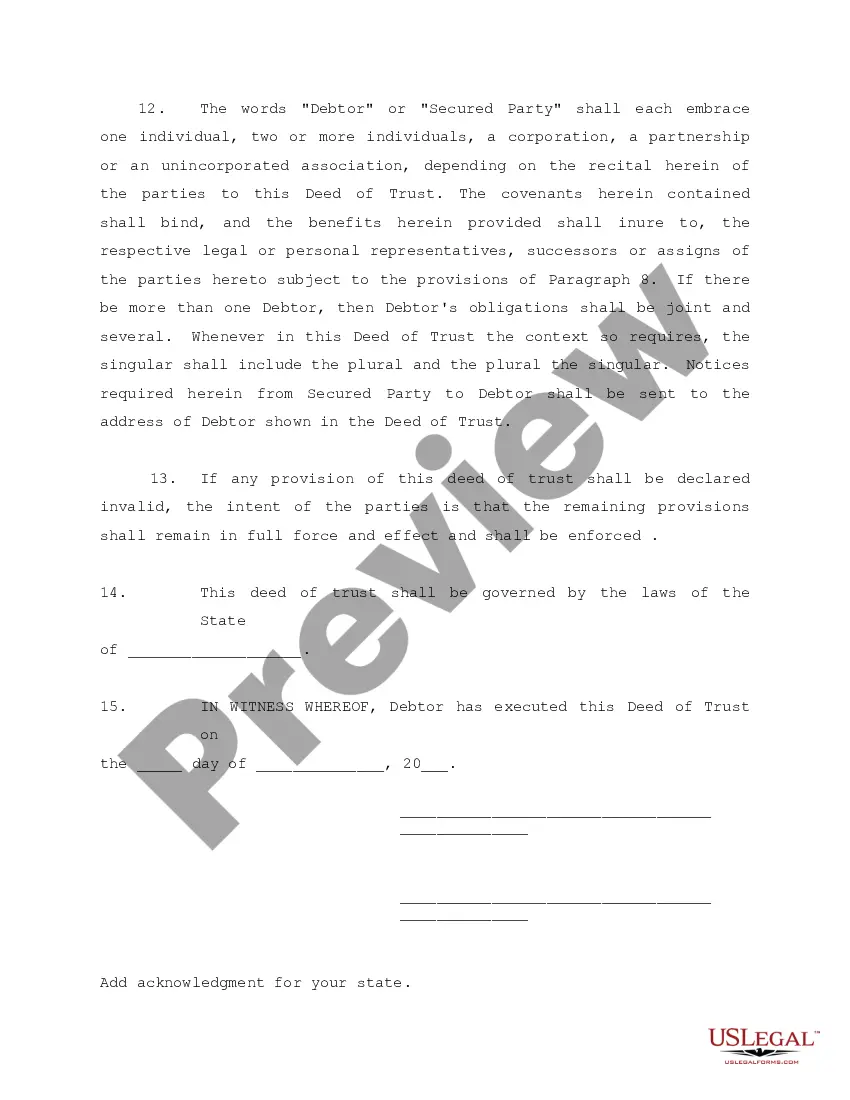
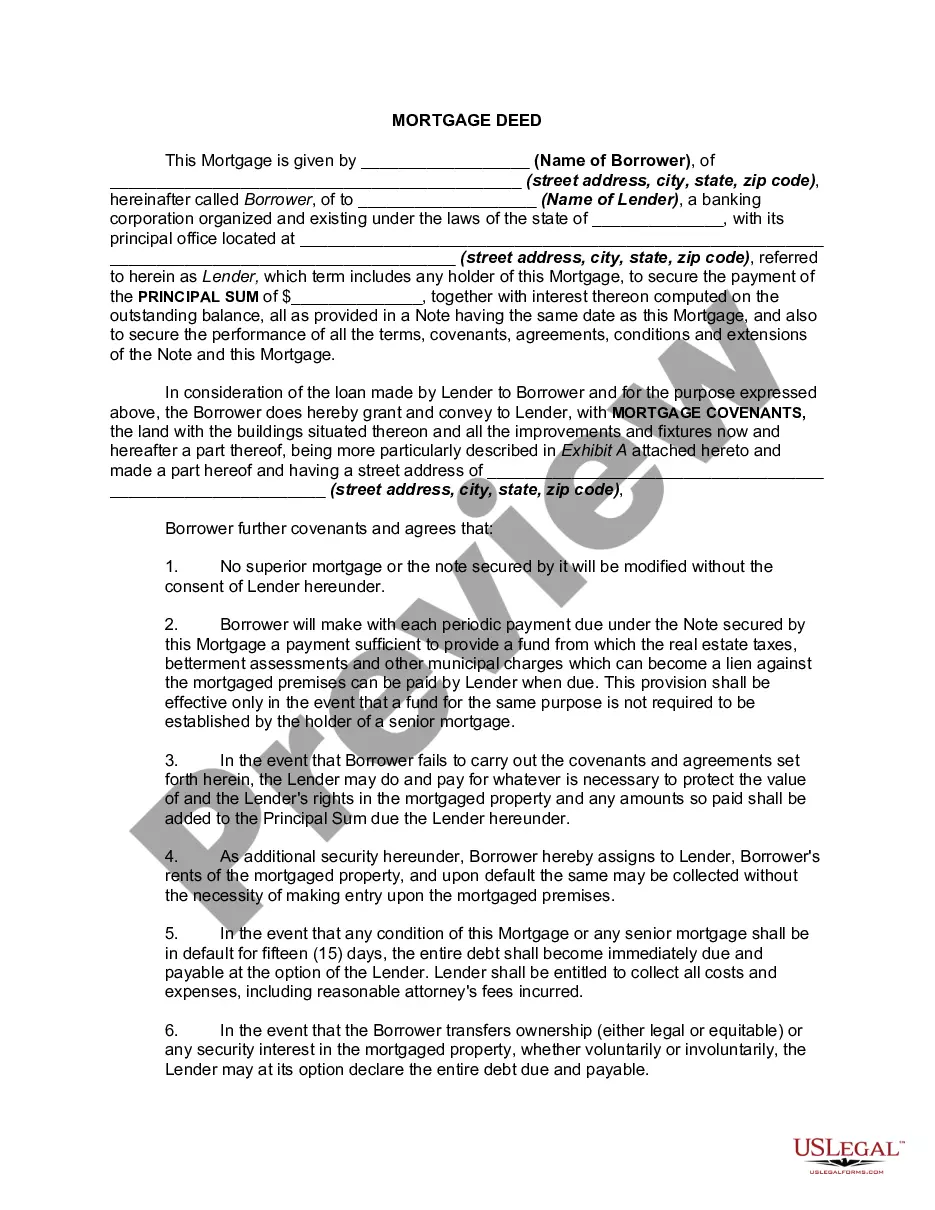
Secured Debt Any For A 6th Grader In Maryland
Description


Get your form ready online
Our built-in tools help you complete, sign, share, and store your documents in one place.
Make edits, fill in missing information, and update formatting in US Legal Forms—just like you would in MS Word.
Download a copy, print it, send it by email, or mail it via USPS—whatever works best for your next step.
Sign and collect signatures with our SignNow integration. Send to multiple recipients, set reminders, and more. Go Premium to unlock E-Sign.
If this form requires notarization, complete it online through a secure video call—no need to meet a notary in person or wait for an appointment.
We protect your documents and personal data by following strict security and privacy standards.

Make edits, fill in missing information, and update formatting in US Legal Forms—just like you would in MS Word.

Download a copy, print it, send it by email, or mail it via USPS—whatever works best for your next step.

Sign and collect signatures with our SignNow integration. Send to multiple recipients, set reminders, and more. Go Premium to unlock E-Sign.

If this form requires notarization, complete it online through a secure video call—no need to meet a notary in person or wait for an appointment.

We protect your documents and personal data by following strict security and privacy standards.
Looking for another form?
Form popularity
FAQ
If you have loans that have been in repayment for more than 20 or 25 years, those loans may immediately qualify for forgiveness. Borrowers who have reached 20 or 25 years (240 or 300 months) worth of eligible payments for IDR forgiveness will see their loans forgiven as they reach these milestones.
A parent who has taken out loans--including loans for their own studies or parent PLUS loans for their child--may qualify for debt relief if they meet the income eligibility criteria.
Examples of unsecured debt include credit cards, medical bills, utility bills, and other instances in which credit was given without any collateral requirement.
To be clear, both federal and private student loans are unsecured debt. No matter which type you apply for, you won't need to offer up any collateral.
Secured debt is backed by collateral, such as a house in the case of a mortgage, reducing the lender's risk. Unsecured debt, like most credit card debt, does not have collateral and often carries higher interest rates.
Under Maryland's Consumer Debt Collection Act debt collectors may not... Use or threaten force or violence. Threaten criminal prosecution unless a violation of criminal law is involved. Disclose, or threaten to disclose, information affecting your reputation for creditworthiness if they know the information is false.
It does not restrict the creditor from reporting the debt to the credit reporting agencies or contacting you to collect the debt. Once a judgment is entered against you, the creditor has 12 years to collect it.
