Secured Debt Shall For Bad Credit In Los Angeles
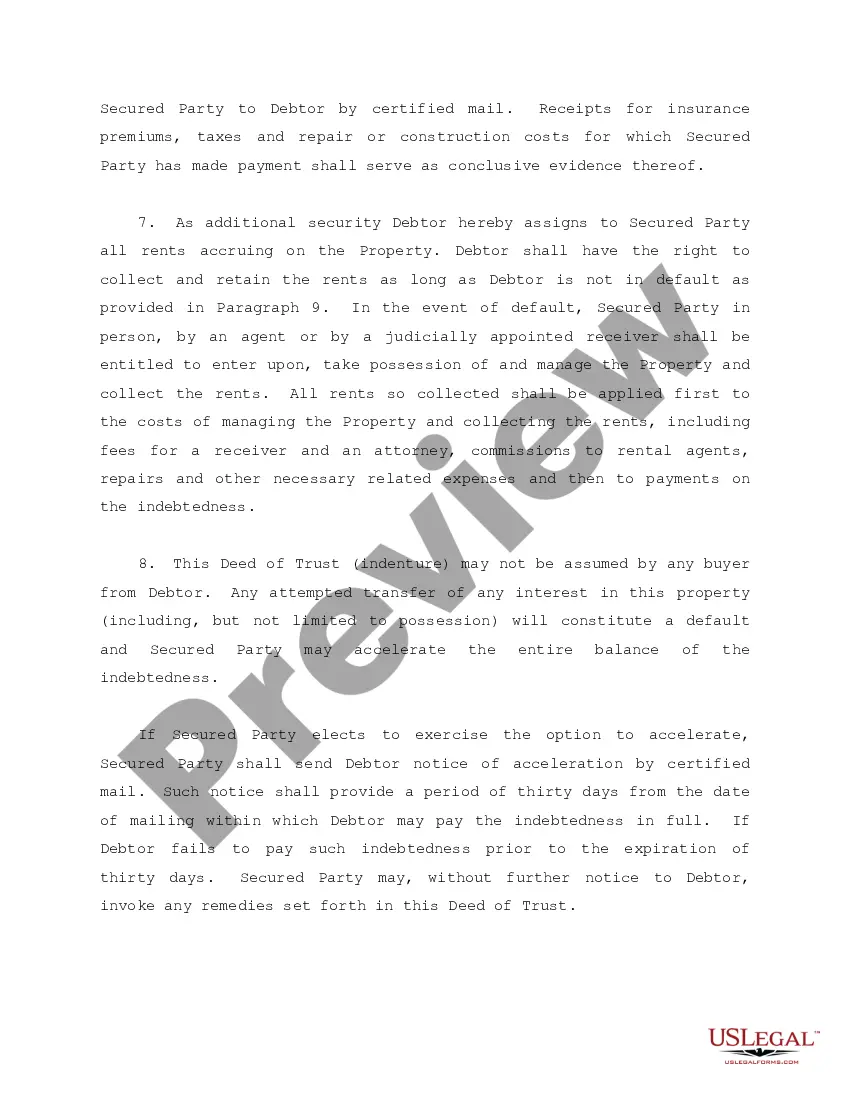
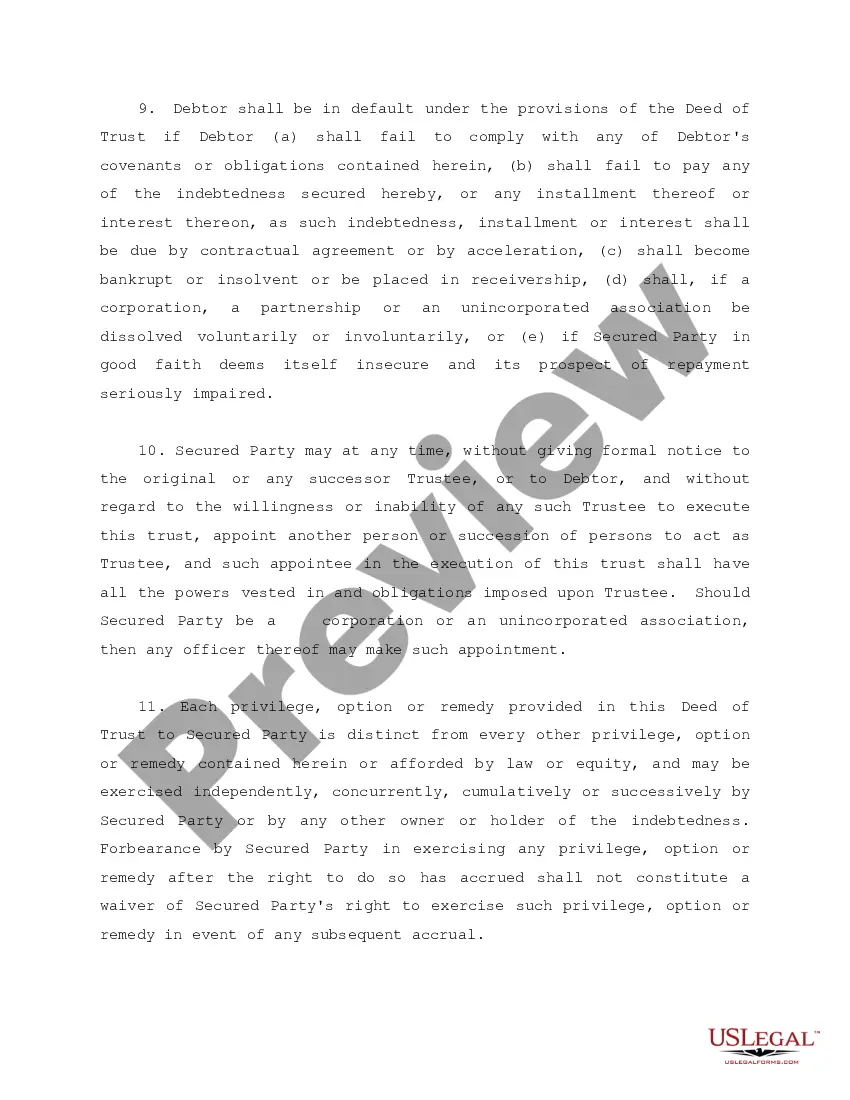
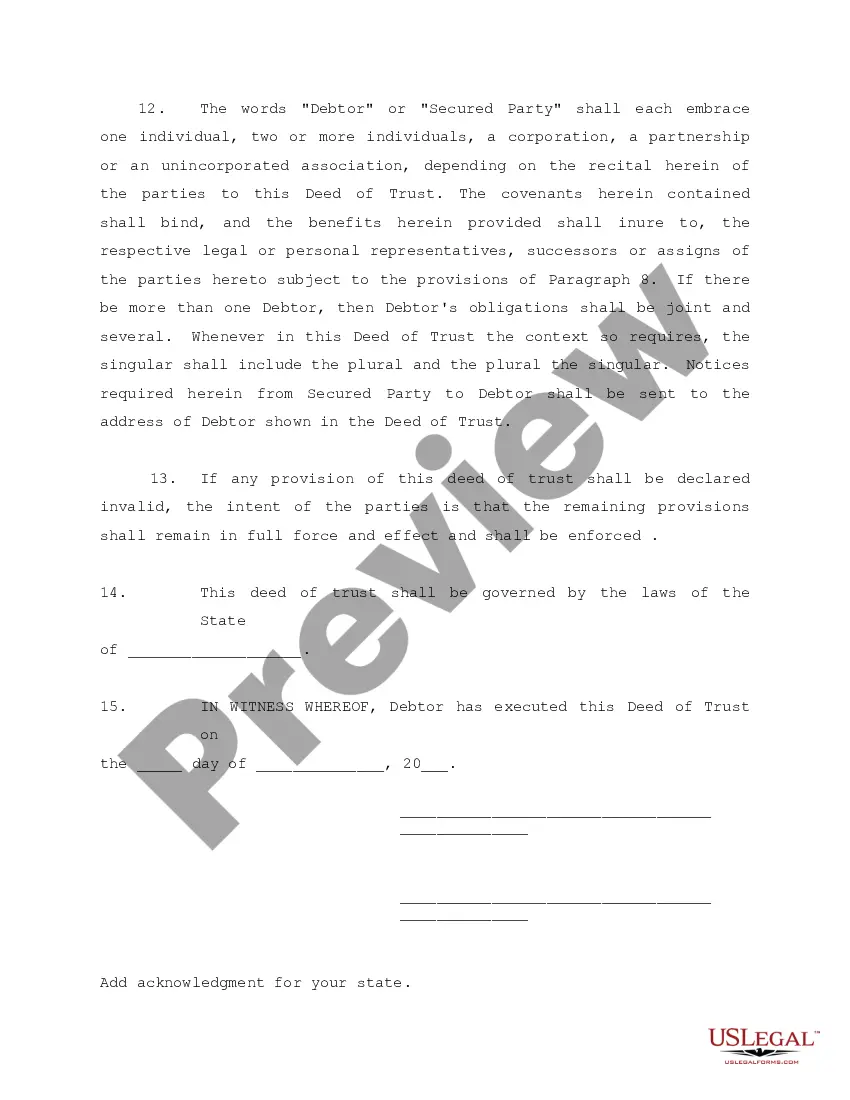
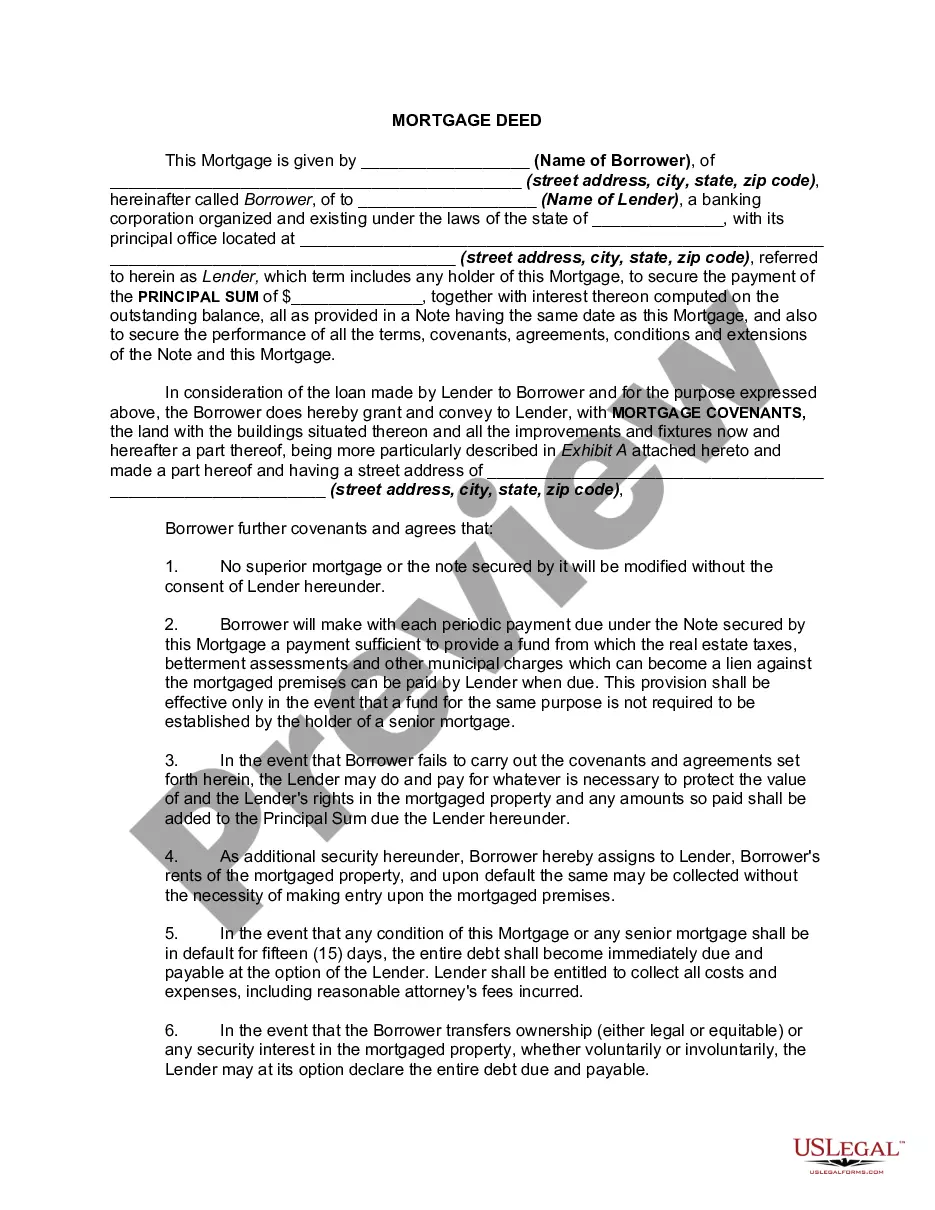
Description


Get your form ready online
Our built-in tools help you complete, sign, share, and store your documents in one place.
Make edits, fill in missing information, and update formatting in US Legal Forms—just like you would in MS Word.
Download a copy, print it, send it by email, or mail it via USPS—whatever works best for your next step.
Sign and collect signatures with our SignNow integration. Send to multiple recipients, set reminders, and more. Go Premium to unlock E-Sign.
If this form requires notarization, complete it online through a secure video call—no need to meet a notary in person or wait for an appointment.
We protect your documents and personal data by following strict security and privacy standards.

Make edits, fill in missing information, and update formatting in US Legal Forms—just like you would in MS Word.

Download a copy, print it, send it by email, or mail it via USPS—whatever works best for your next step.

Sign and collect signatures with our SignNow integration. Send to multiple recipients, set reminders, and more. Go Premium to unlock E-Sign.

If this form requires notarization, complete it online through a secure video call—no need to meet a notary in person or wait for an appointment.

We protect your documents and personal data by following strict security and privacy standards.
Looking for another form?





Form popularity
FAQ
Strategies like debt management plans, alternative consolidation loans and even debt settlement programs provide relief tailored to those with low credit scores. While each option has its pros and cons, the key is to choose the one that aligns with your financial situation and long-term goals.
To be eligible to file for bankruptcy under Chapter 7, you must satisfy the Means Test. The easiest way to qualify for Chapter 7 is to have an income below the state median. Even debtors whose household income is above the state median may qualify for Chapter 7 by going through the more thorough, full Means Test.
You could be disqualified from filing bankruptcy if: The court dismissed your bankruptcy in the past 180 days. You committed fraud. You received a bankruptcy discharge in the past.
Debt collectors may not be able to sue you to collect on old (time-barred) debts, but they may still try to collect on those debts. In California, there is generally a four-year limit for filing a lawsuit to collect a debt based on a written agreement.
Chapter 13 Eligibility Any individual, even if self-employed or operating an unincorporated business, is eligible for chapter 13 relief as long as the individual's combined total secured and unsecured debts are less than $2,750,000 as of the date of filing for bankruptcy relief.
Secured loans typically have lower interest rates than unsecured loans. Looser requirements. Because secured loans are generally easier to qualify for, they could be a good option if you have fair or bad credit.
Six-year limitation California Penal Code 800 PC states that if a crime is punishable with eight years or more of imprisonment in the state prison, the statute of limitations is six years.
Debt collectors may not be able to sue you to collect on old (time-barred) debts, but they may still try to collect on those debts. In California, there is generally a four-year limit for filing a lawsuit to collect a debt based on a written agreement.
Debt collectors may not be able to sue you to collect on old (time-barred) debts, but they may still try to collect on those debts. In California, there is generally a four-year limit for filing a lawsuit to collect a debt based on a written agreement.