Security Debt Any With Example In Hillsborough
Description


Get your form ready online
Our built-in tools help you complete, sign, share, and store your documents in one place.
Make edits, fill in missing information, and update formatting in US Legal Forms—just like you would in MS Word.
Download a copy, print it, send it by email, or mail it via USPS—whatever works best for your next step.
Sign and collect signatures with our SignNow integration. Send to multiple recipients, set reminders, and more. Go Premium to unlock E-Sign.
If this form requires notarization, complete it online through a secure video call—no need to meet a notary in person or wait for an appointment.
We protect your documents and personal data by following strict security and privacy standards.

Make edits, fill in missing information, and update formatting in US Legal Forms—just like you would in MS Word.

Download a copy, print it, send it by email, or mail it via USPS—whatever works best for your next step.

Sign and collect signatures with our SignNow integration. Send to multiple recipients, set reminders, and more. Go Premium to unlock E-Sign.

If this form requires notarization, complete it online through a secure video call—no need to meet a notary in person or wait for an appointment.

We protect your documents and personal data by following strict security and privacy standards.
Looking for another form?


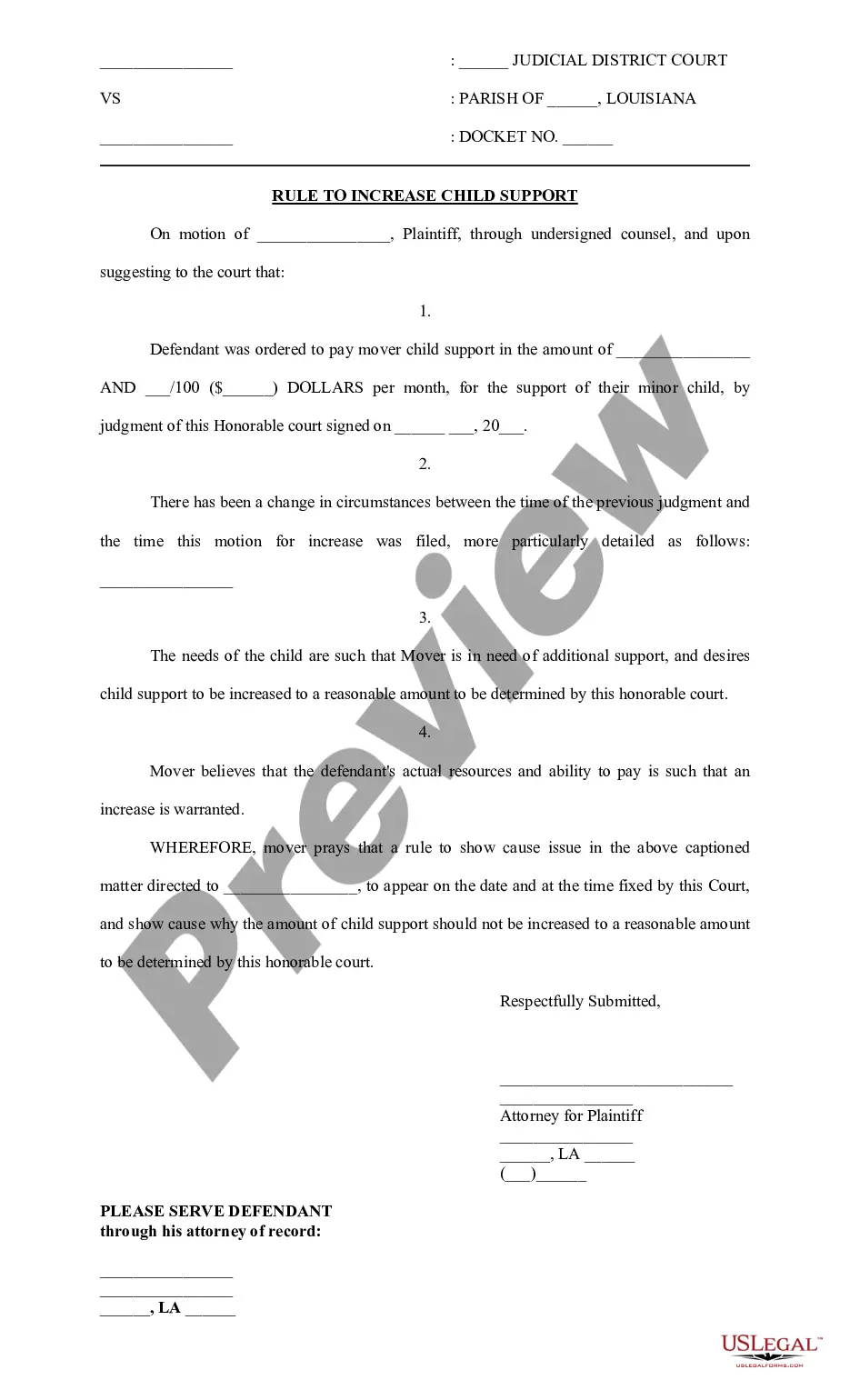





Form popularity
FAQ
Some collectors want 75%–80% of what you owe. Others will take 50%, while others might settle for one-third or less. So, it makes sense to start low with your first offer and see what happens. And be aware that some collectors won't accept anything less than the total debt amount.
More on our best debt relief companies AvailabilityLower monthly payments by Americor 49 states 40% or more National Debt Relief 47 states Up to 50% less than your monthly credit card payments. Freedom Debt Relief 42 states Up to 30% New Era Debt Solutions 47 states 50% or more3 more rows
Answering the lawsuit can be as simple as drafting a document and writing 'admit' or 'deny' or “without knowledge” in correlation to each numbered paragraph in the summons. Your answer to the lawsuit must address every allegation individually.
Some collectors want 75%–80% of what you owe. Others will take 50%, while others might settle for one-third or less. So, it makes sense to start low with your first offer and see what happens. And be aware that some collectors won't accept anything less than the total debt amount.
Typically, settlement offers range from 25% to 50% of the total debt. However, one rule of thumb is to offer the same amount or debt percentage to all your creditors if you have multiple. For instance, if the lump sum you have is 60% of your total debt, then you should offer to settle 60% of each debt you owe.
File a Small Claims Case You, the plaintiff, must file a “Statement of Claim” form, available at your Clerk's office. This must be fully completed and signed to receive a pre-trial conference date. If your claim is based upon written documentation, attach a copy of the contract to the Statement of Claim form.
You, the plaintiff, must file a “Statement of Claim” form, available at your Clerk's office. This must be fully completed and signed to receive a pre-trial conference date. If your claim is based upon written documentation, attach a copy of the contract to the Statement of Claim form. You may file by mail or in person.
A small claims case is a legal action filed in county court to settle minor legal disputes where the dollar amount involved is $8,000 or less. This amount does not include filing costs, interest, and attorneys' fees.
A person can file a quitclaim deed by (1) entering the relevant information on a quitclaim deed form, (2) signing the deed with two witnesses and a notary, and (3) recording the deed at the county comptroller's office. In Florida, quitclaim deeds must have the name and address of both the grantor and the grantee.
If the amount you are attempting to recover is less than $8,000, your case will be considered a small claims case. These cases are handled differently than cases for amounts over $8,000 but less than $50,000.
