Secured Debt Shall For A 6th Grader In Georgia
Description

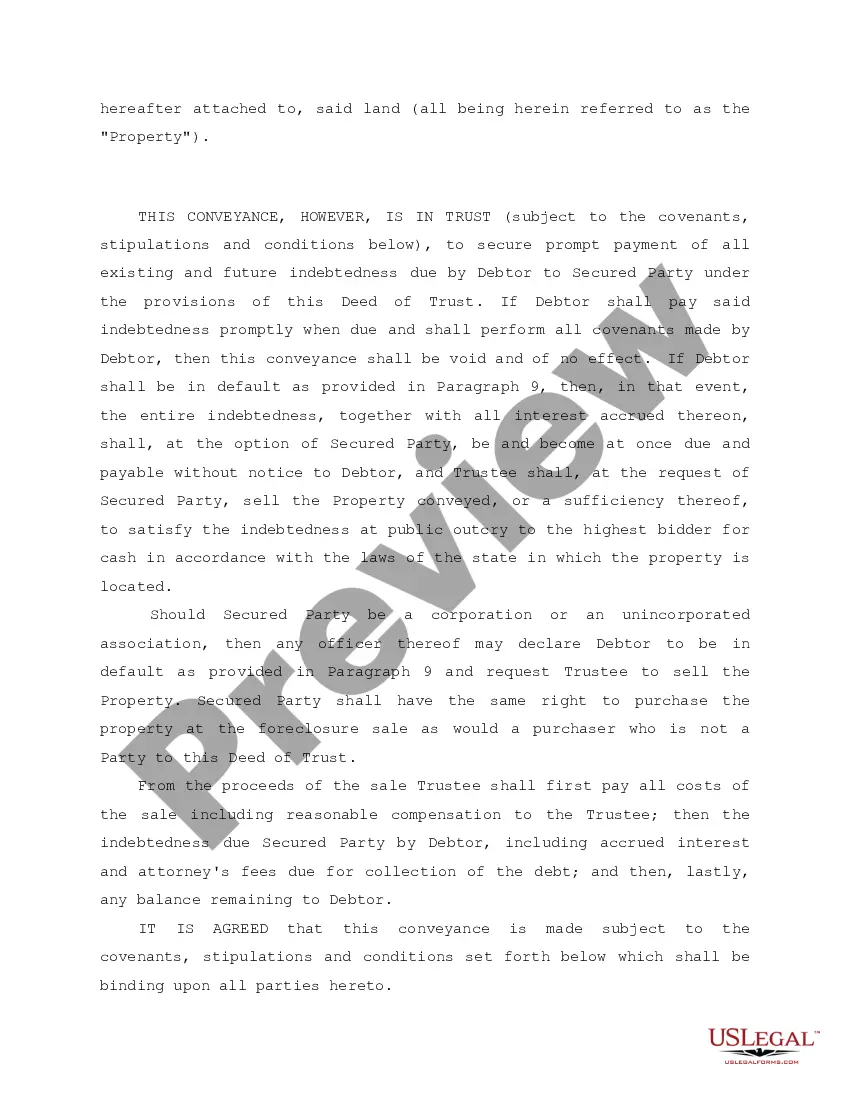
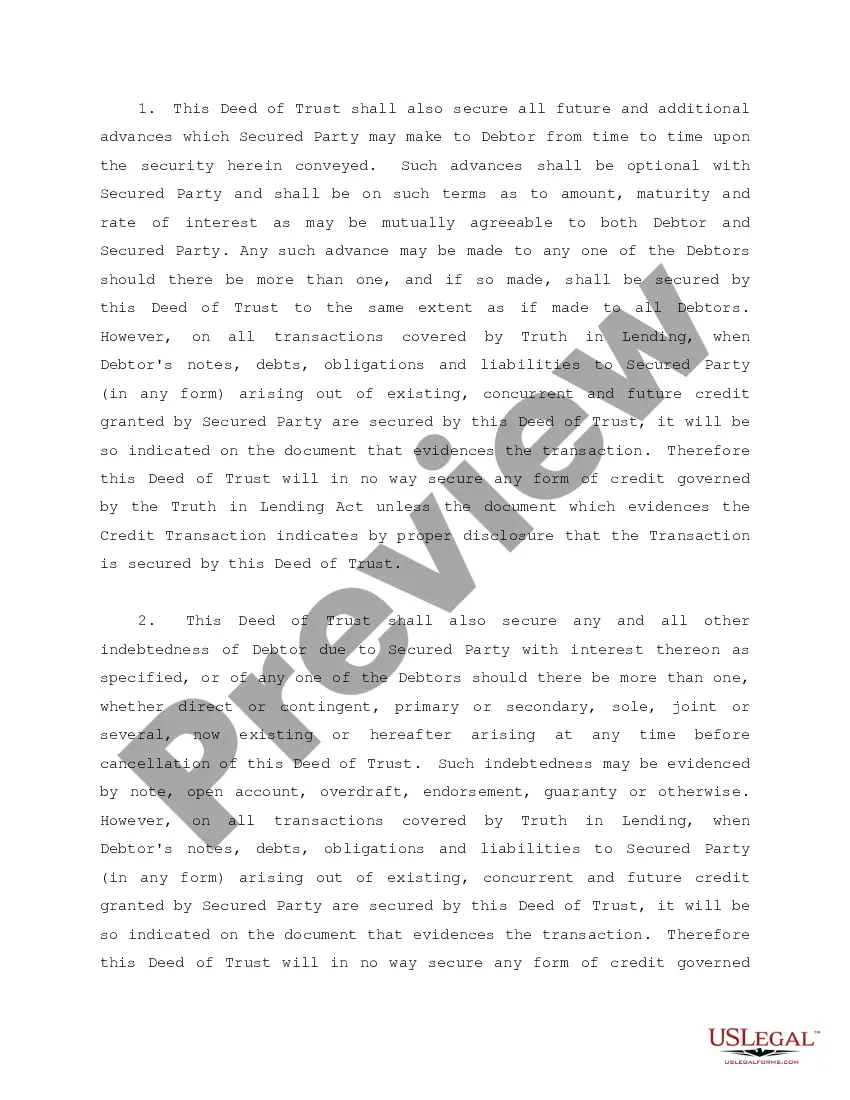
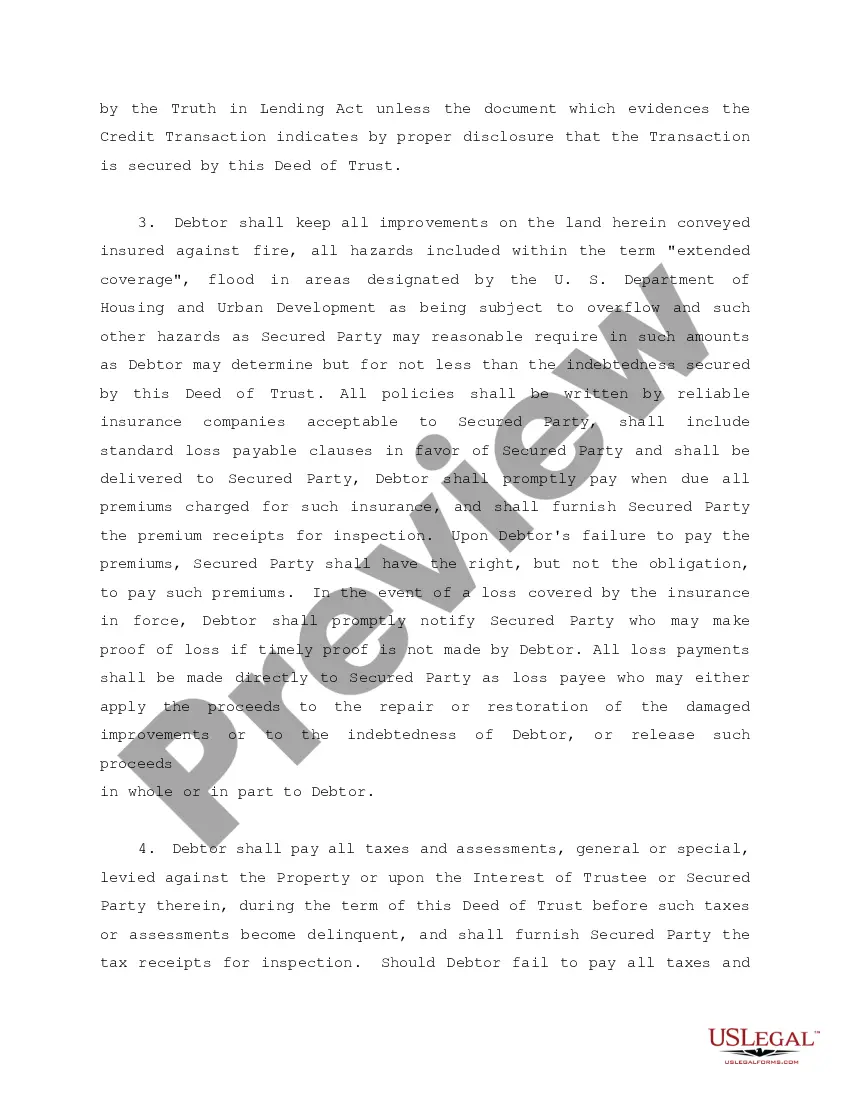
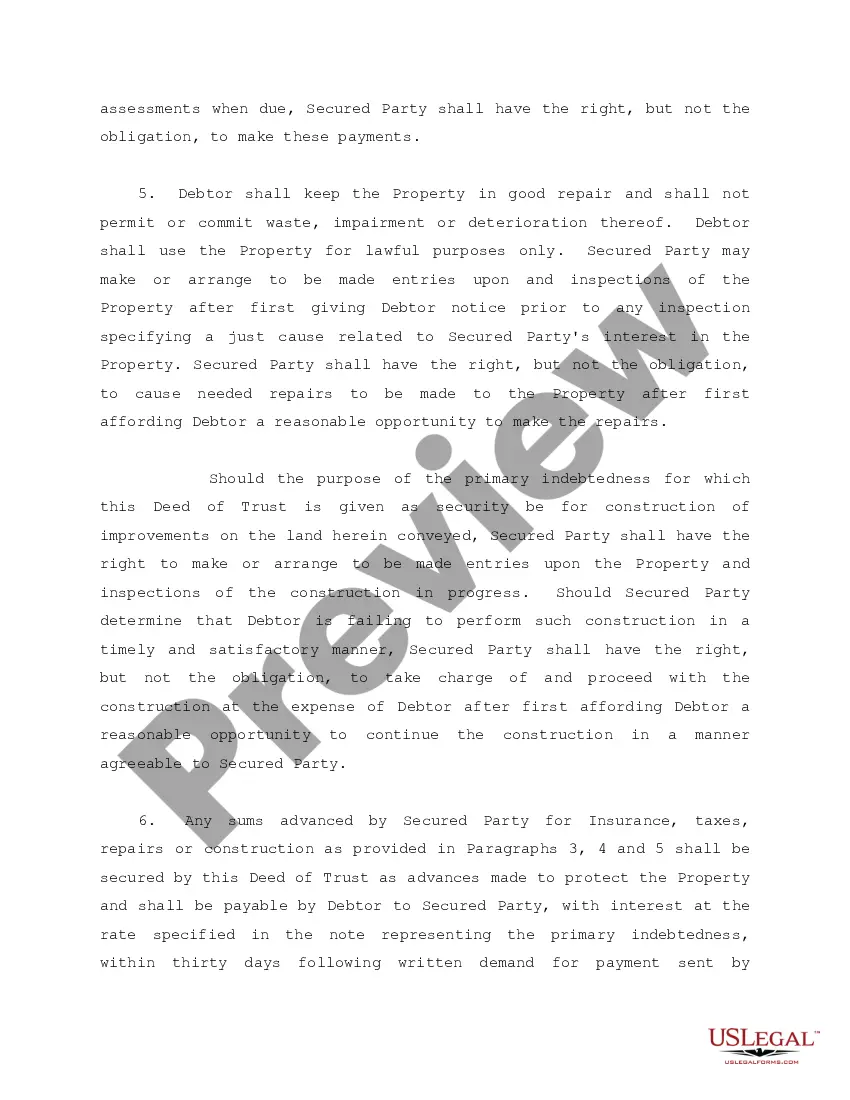
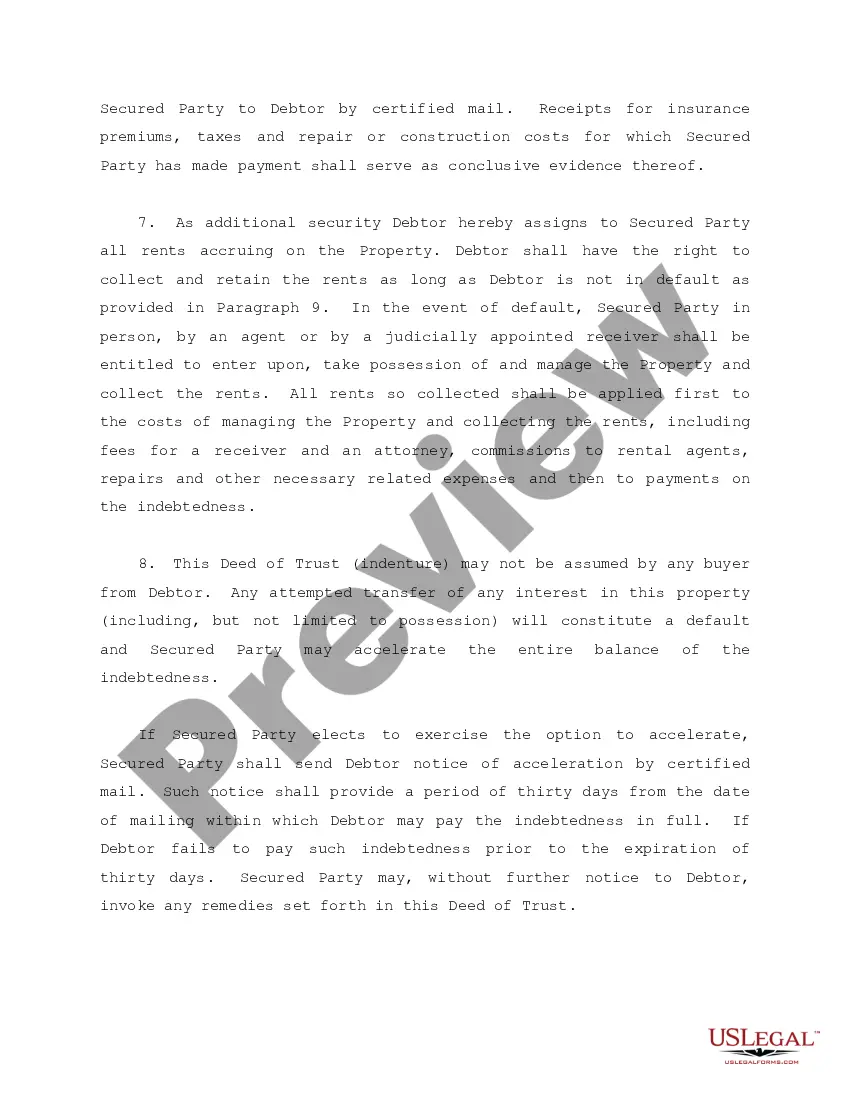
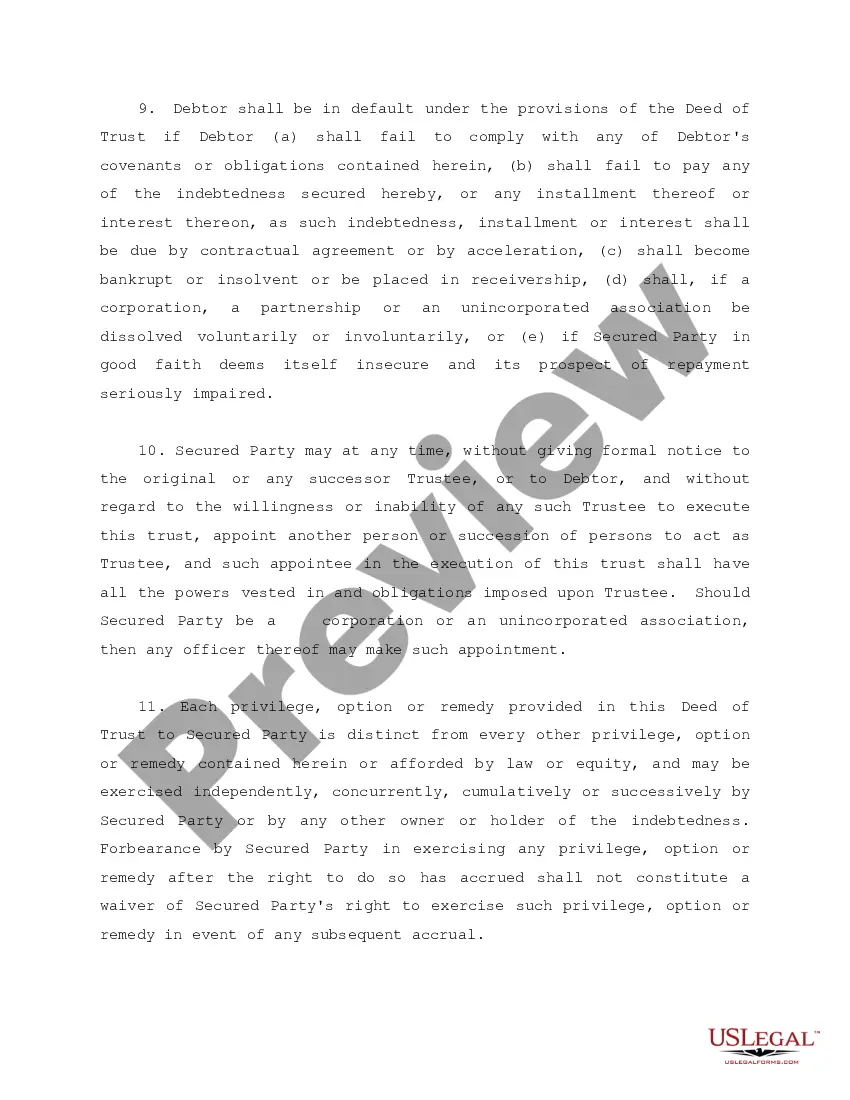
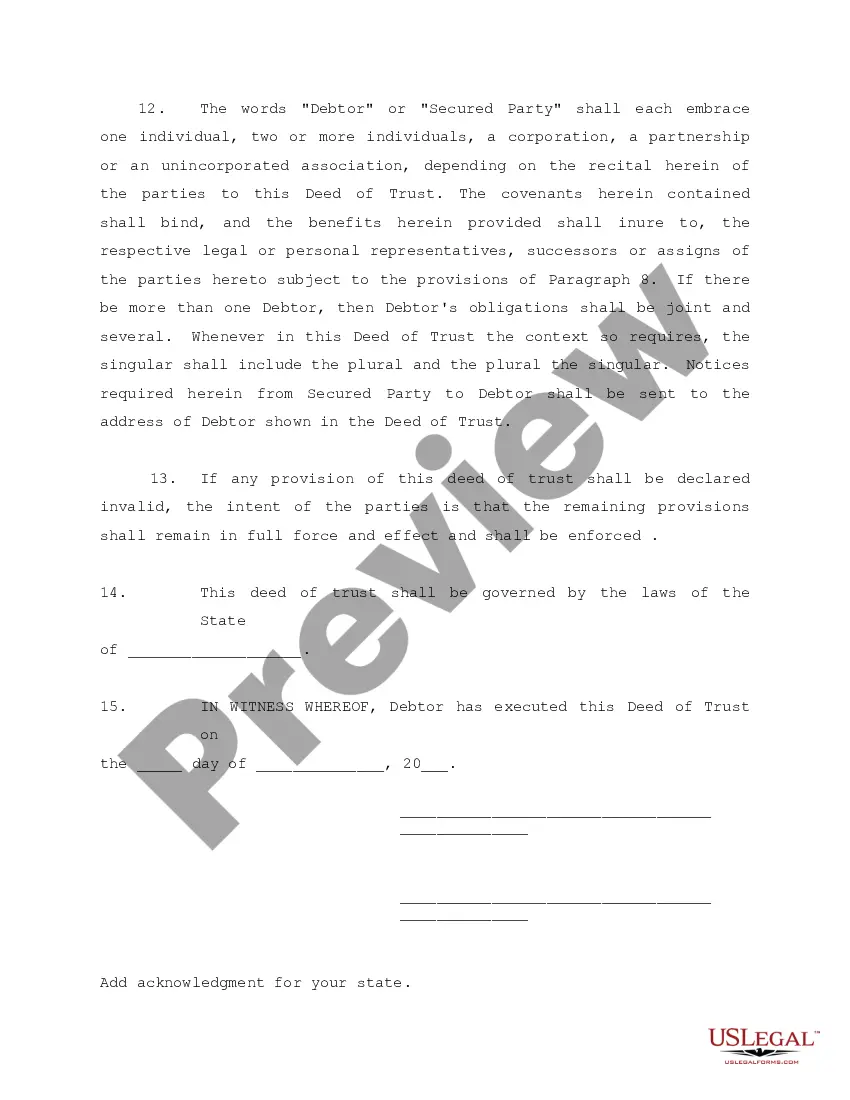
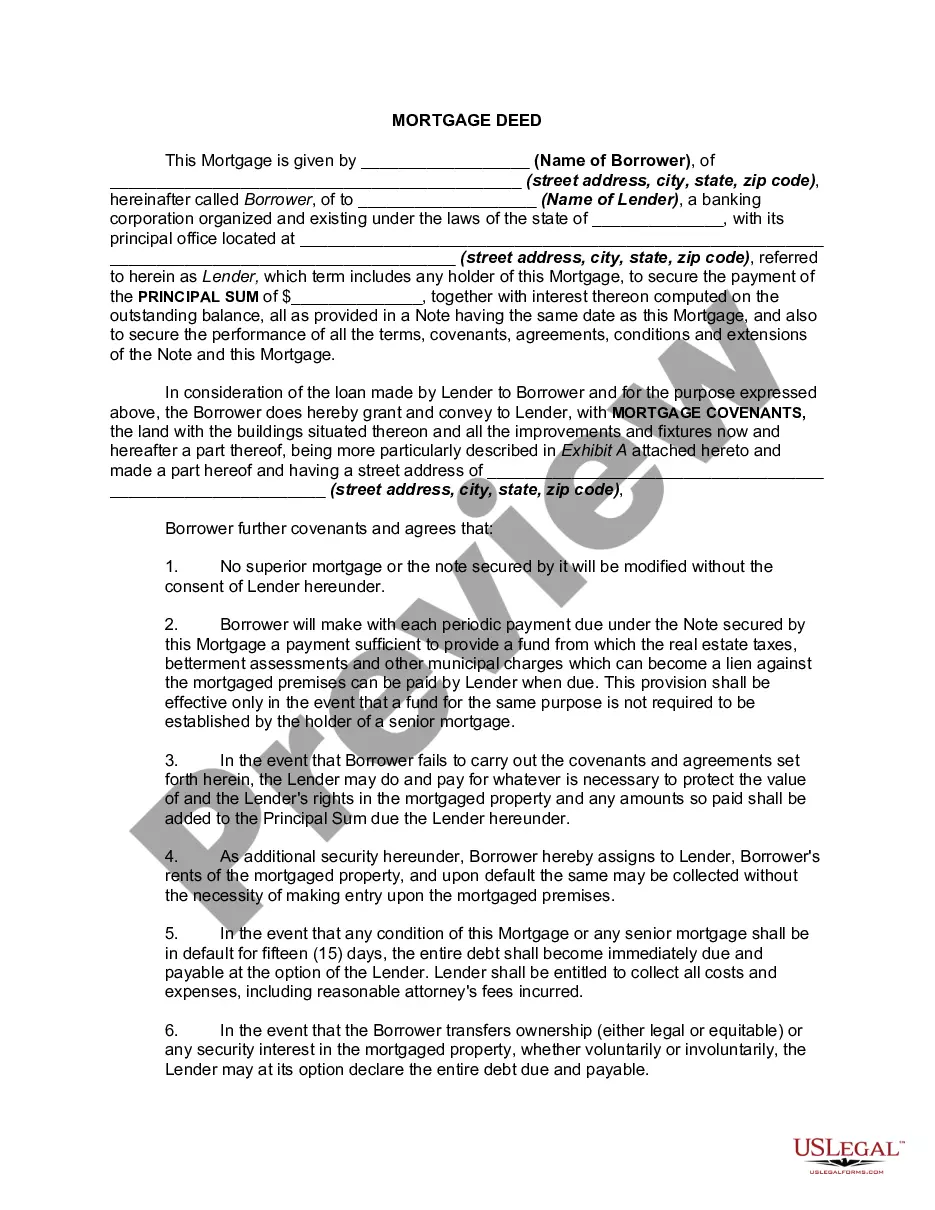

Get your form ready online
Our built-in tools help you complete, sign, share, and store your documents in one place.
Make edits, fill in missing information, and update formatting in US Legal Forms—just like you would in MS Word.
Download a copy, print it, send it by email, or mail it via USPS—whatever works best for your next step.
Sign and collect signatures with our SignNow integration. Send to multiple recipients, set reminders, and more. Go Premium to unlock E-Sign.
If this form requires notarization, complete it online through a secure video call—no need to meet a notary in person or wait for an appointment.
We protect your documents and personal data by following strict security and privacy standards.

Make edits, fill in missing information, and update formatting in US Legal Forms—just like you would in MS Word.

Download a copy, print it, send it by email, or mail it via USPS—whatever works best for your next step.

Sign and collect signatures with our SignNow integration. Send to multiple recipients, set reminders, and more. Go Premium to unlock E-Sign.

If this form requires notarization, complete it online through a secure video call—no need to meet a notary in person or wait for an appointment.

We protect your documents and personal data by following strict security and privacy standards.
Looking for another form?






Form popularity
FAQ
Secured debt is backed by collateral, whereas unsecured debt doesn't require you to put any assets on the line to get approved. Because lenders take on more risk, unsecured debts tend to have higher interest rates and stricter eligibility requirements than secured debt.
Both secured and unsecured debt can be discharged in Chapter 13 bankruptcies, but non-dischargeable unsecured debts cannot be discharged in California.
Secured debt is backed by collateral, such as a house in the case of a mortgage, reducing the lender's risk. Unsecured debt, like most credit card debt, does not have collateral and often carries higher interest rates.
Credit card debt is by far the most common type of unsecured debt. If you fail to make credit card payments, the card issuer cannot repossess the items you purchased.
(a) All transfers of deeds to secure debt shall be in writing; shall be signed by the grantee or, if the deed has been previously transferred, by the last transferee; and shall be witnessed as required for deeds.
Examples of unsecured debt include credit cards, medical bills, utility bills, and other instances in which credit was given without any collateral requirement.
