Secured Debt Shall For Bad Credit In Franklin
Description


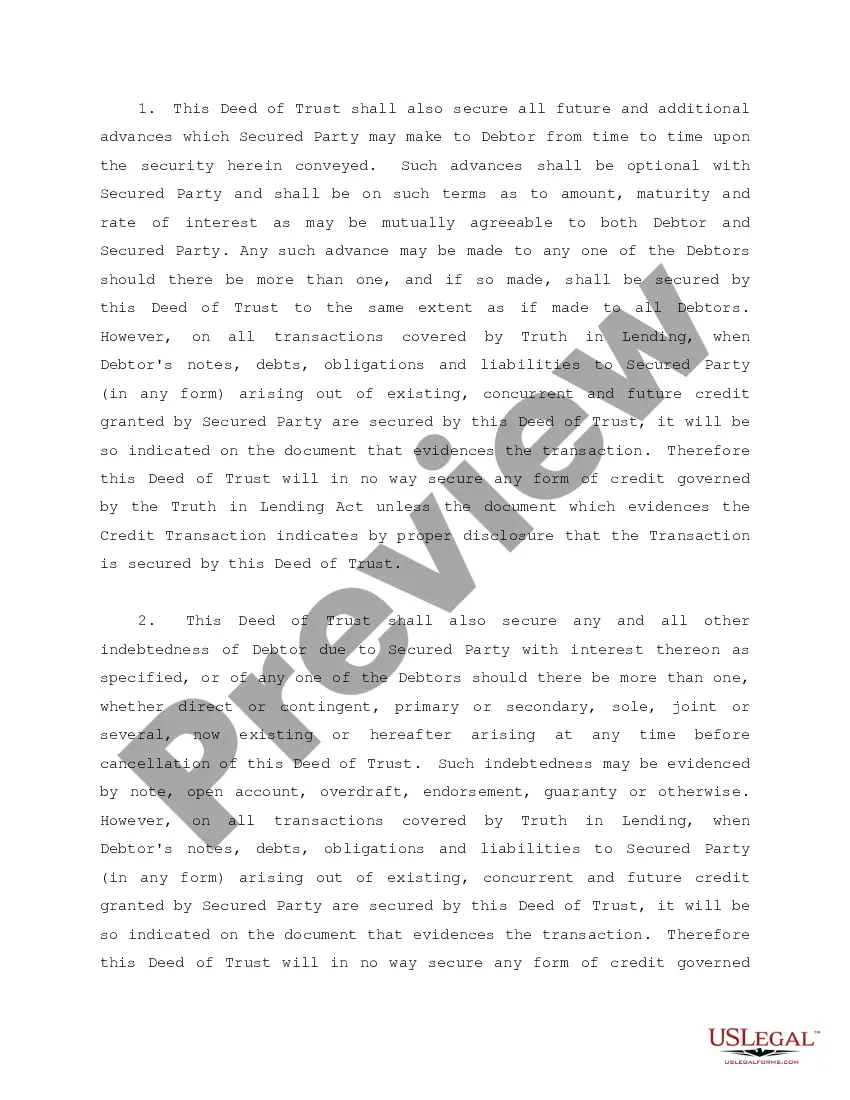
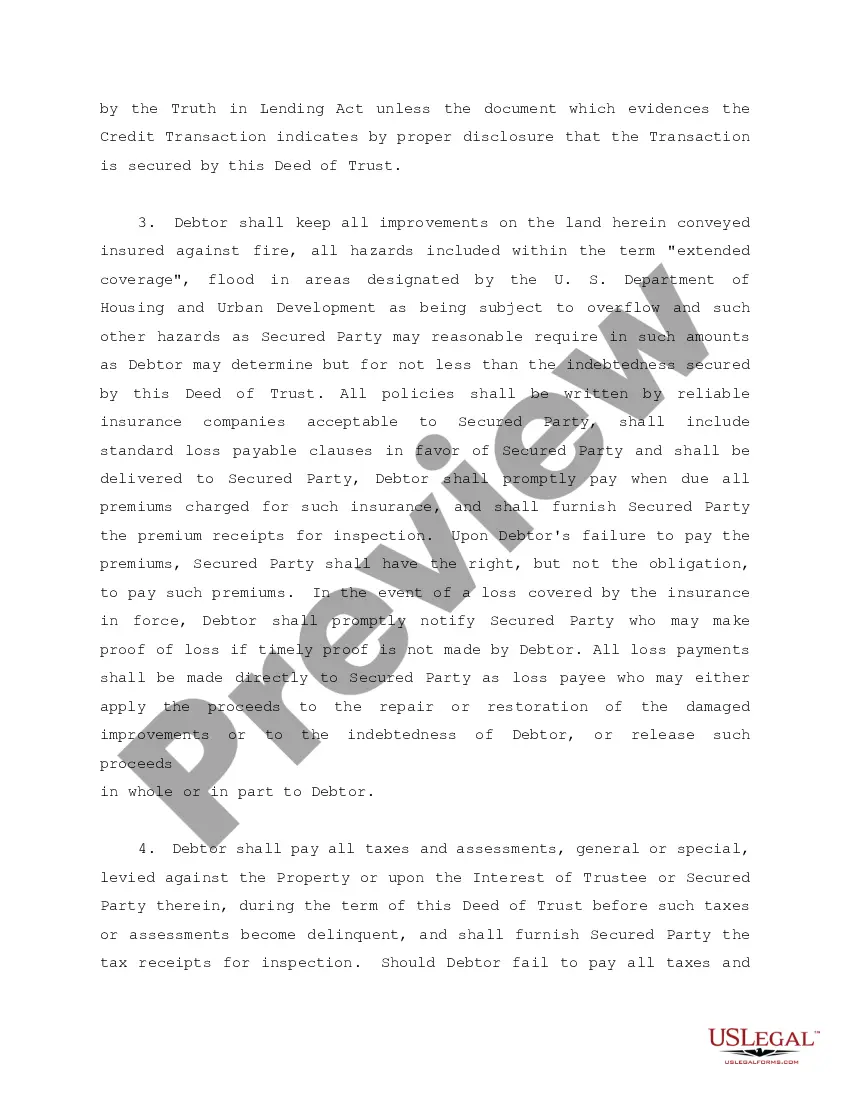
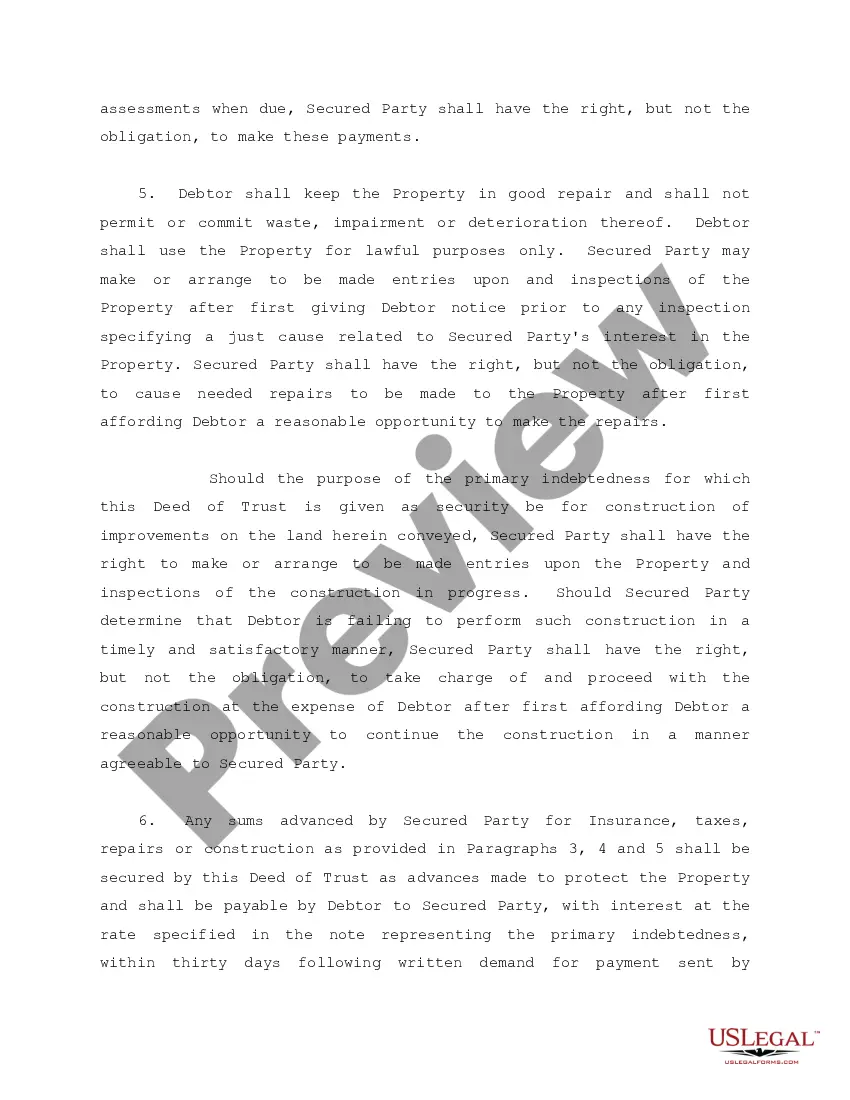
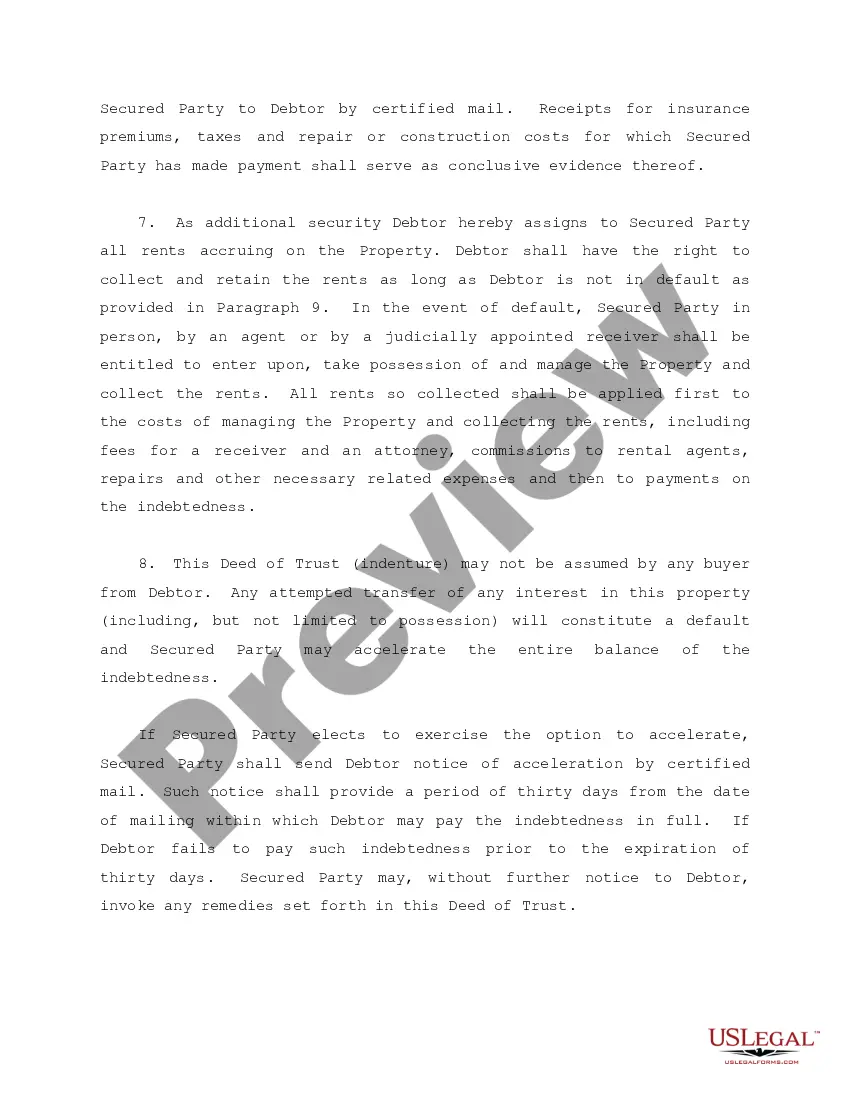
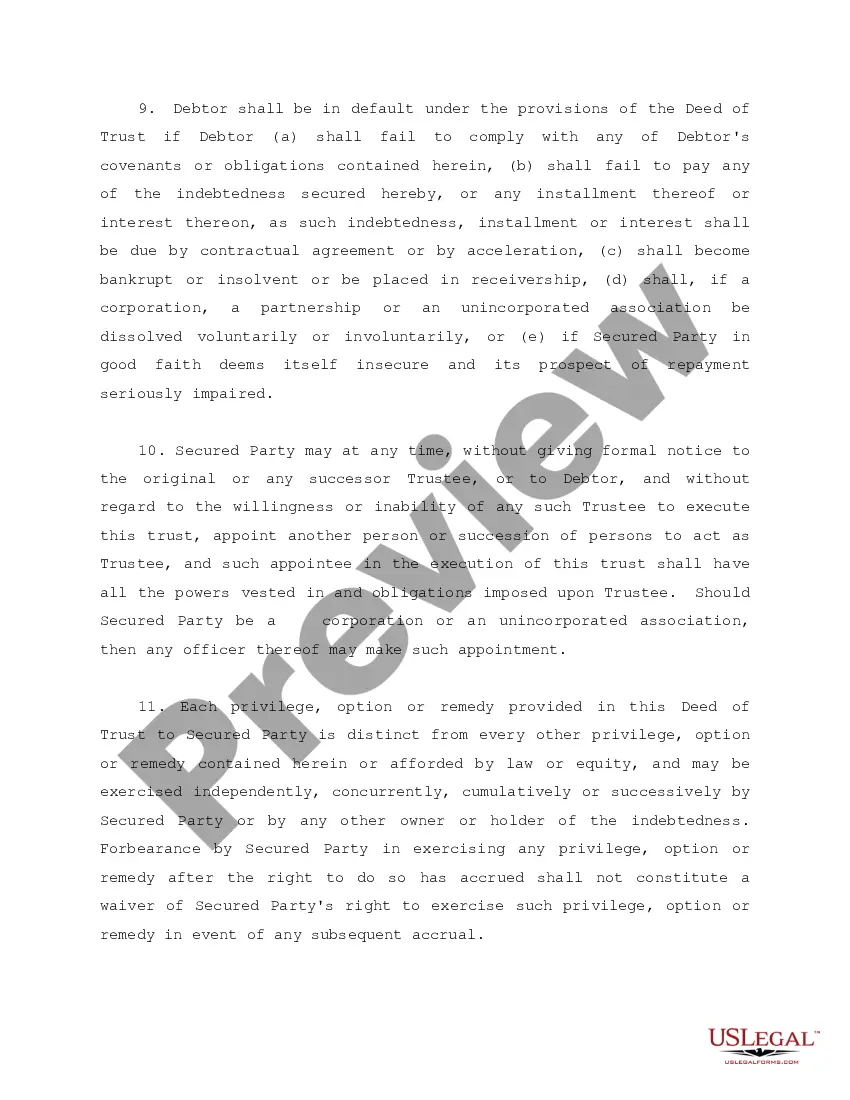
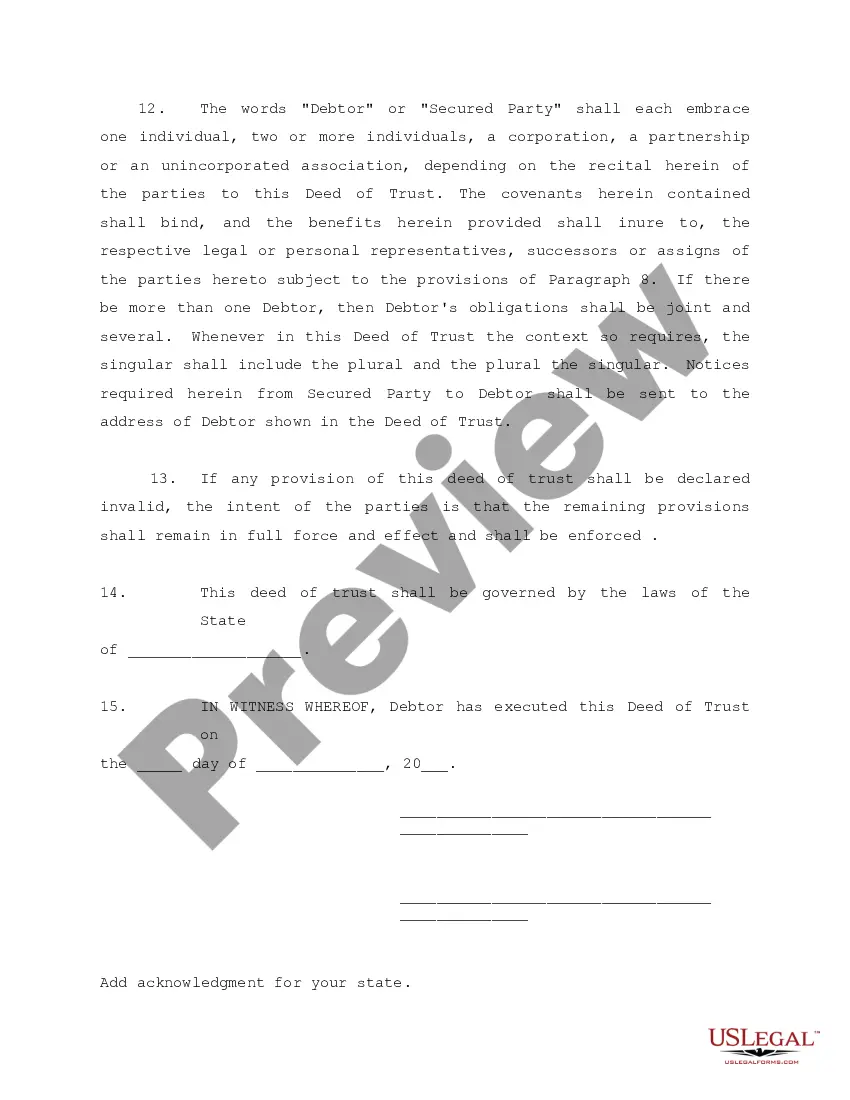


Get your form ready online
Our built-in tools help you complete, sign, share, and store your documents in one place.
Make edits, fill in missing information, and update formatting in US Legal Forms—just like you would in MS Word.
Download a copy, print it, send it by email, or mail it via USPS—whatever works best for your next step.
Sign and collect signatures with our SignNow integration. Send to multiple recipients, set reminders, and more. Go Premium to unlock E-Sign.
If this form requires notarization, complete it online through a secure video call—no need to meet a notary in person or wait for an appointment.
We protect your documents and personal data by following strict security and privacy standards.

Make edits, fill in missing information, and update formatting in US Legal Forms—just like you would in MS Word.

Download a copy, print it, send it by email, or mail it via USPS—whatever works best for your next step.

Sign and collect signatures with our SignNow integration. Send to multiple recipients, set reminders, and more. Go Premium to unlock E-Sign.

If this form requires notarization, complete it online through a secure video call—no need to meet a notary in person or wait for an appointment.

We protect your documents and personal data by following strict security and privacy standards.
Looking for another form?









Form popularity
FAQ
Structured credit is a type of financial instrument that typically involves investments backed by assets. These investments often have a fixed interest rate, referred to as a “coupon rate,” and are grouped into different risk categories to cater to varying investor needs.
Private credit is where a non-bank lender provides loans to companies, typically to small and medium size enterprises that are non-investment grade. Private credit can serve as a diversifier in a private markets portfolio as debt is less correlated with equity markets.
One big difference between private credit and most traditional bonds is that private credit offers floating interest rates rather than fixed interest rates. So when the Federal Reserve raises interest rates, investors benefit from higher interest payments.
Public credit: Debt issued or traded on the public markets. Private credit: Privately originated or negotiated investments, comprised of potentially higher yielding, illiquid opportunities across a range of risk/return profiles. They are not traded on the public markets.
Unlike private credit, structured credit trades in a relatively liquid secondary market with minimal latency to achieving target exposure levels. Private credit tends to lend to smaller companies. Investors are beholden to what the manager chooses to share about the private borrower.
Private credit managers will typically invest by providing debt whereas private equity managers will typically invest by taking equity in the businesses. Any choice over whether to invest in the debt or equity of a business will depend on the risk appetite of their investors and the type of return they are seeking.
Secured loans typically have lower interest rates than unsecured loans. Looser requirements. Because secured loans are generally easier to qualify for, they could be a good option if you have fair or bad credit.
1ˢᵗ Franklin Financial offers loans up to $15,000.
When it comes to credit card debt relief, it's important to dispel a common misconception: There are no government-sponsored programs specifically designed to eliminate credit card debt. So, you should be wary of any offers claiming to represent such government initiatives, as they may be misleading or fraudulent.
Currently, no government-sponsored or government-backed programs provide credit card debt relief to consumers. For example, unlike what you see with federal student loans, you cannot apply to have credit card debt forgiven without penalties.
