Secure Debt Shall Foreclose In Fairfax
Description

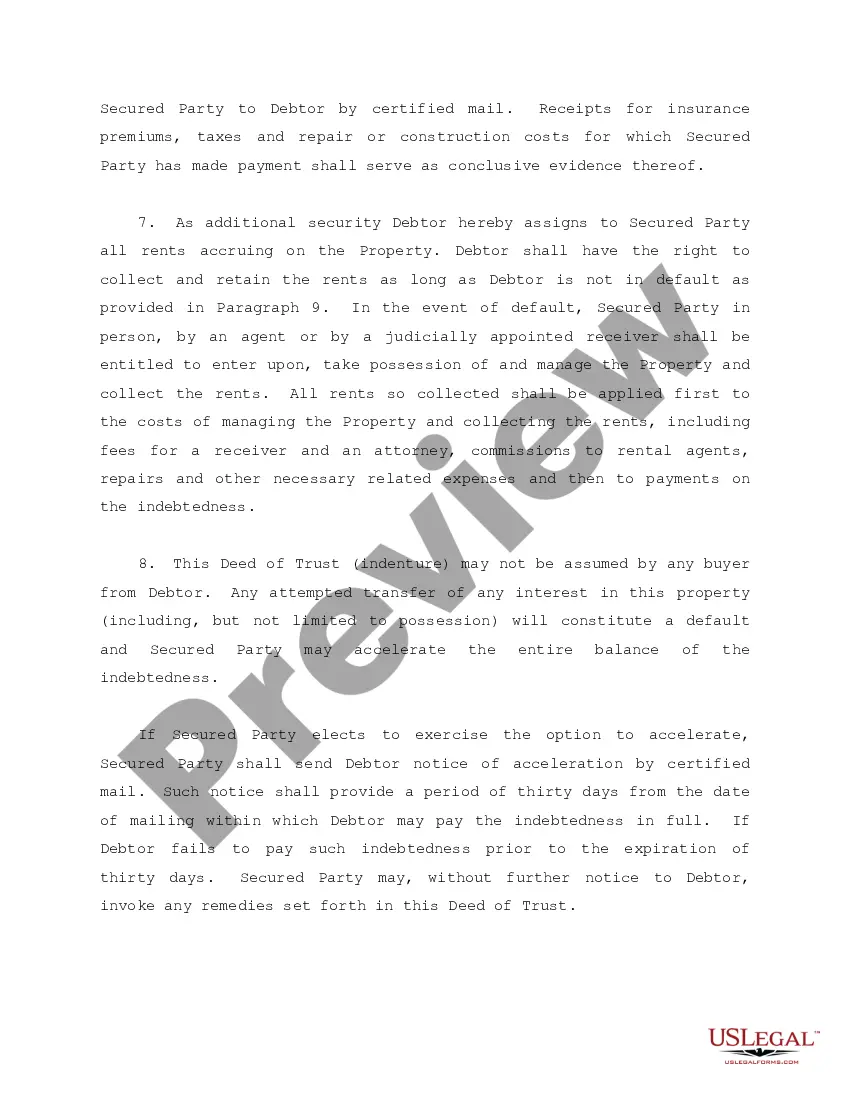
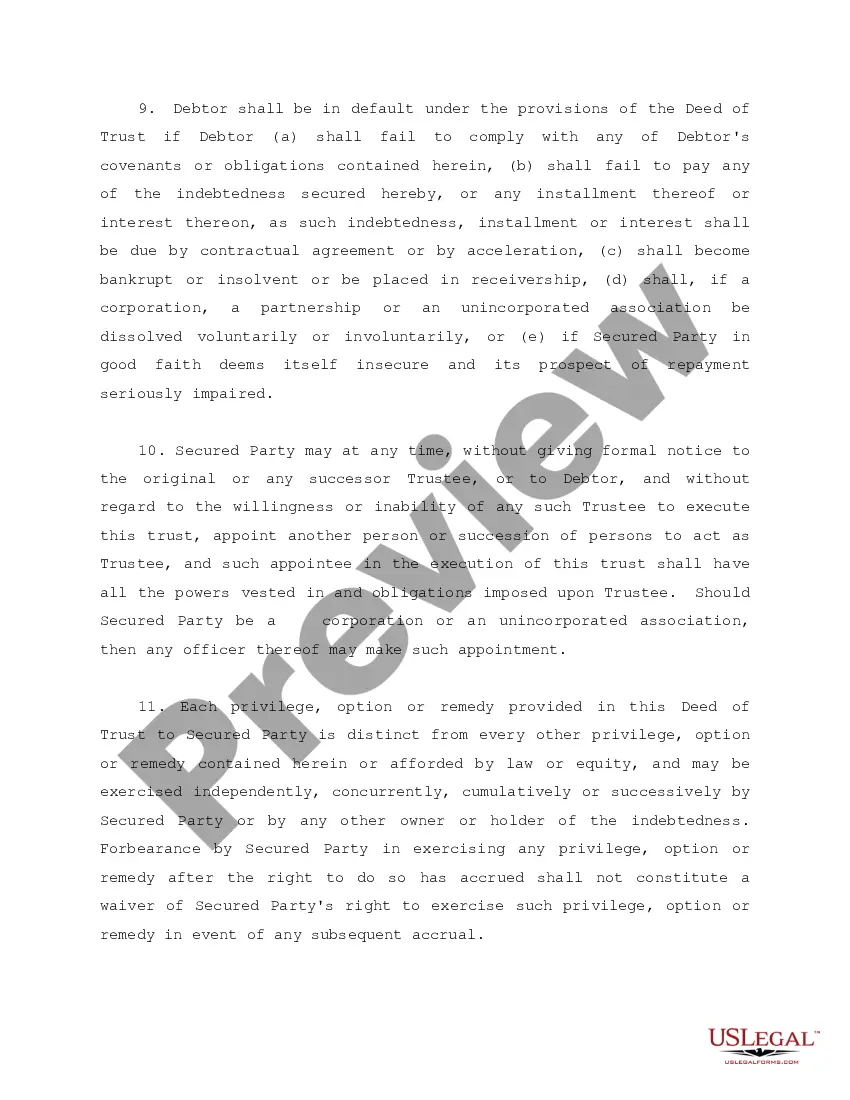
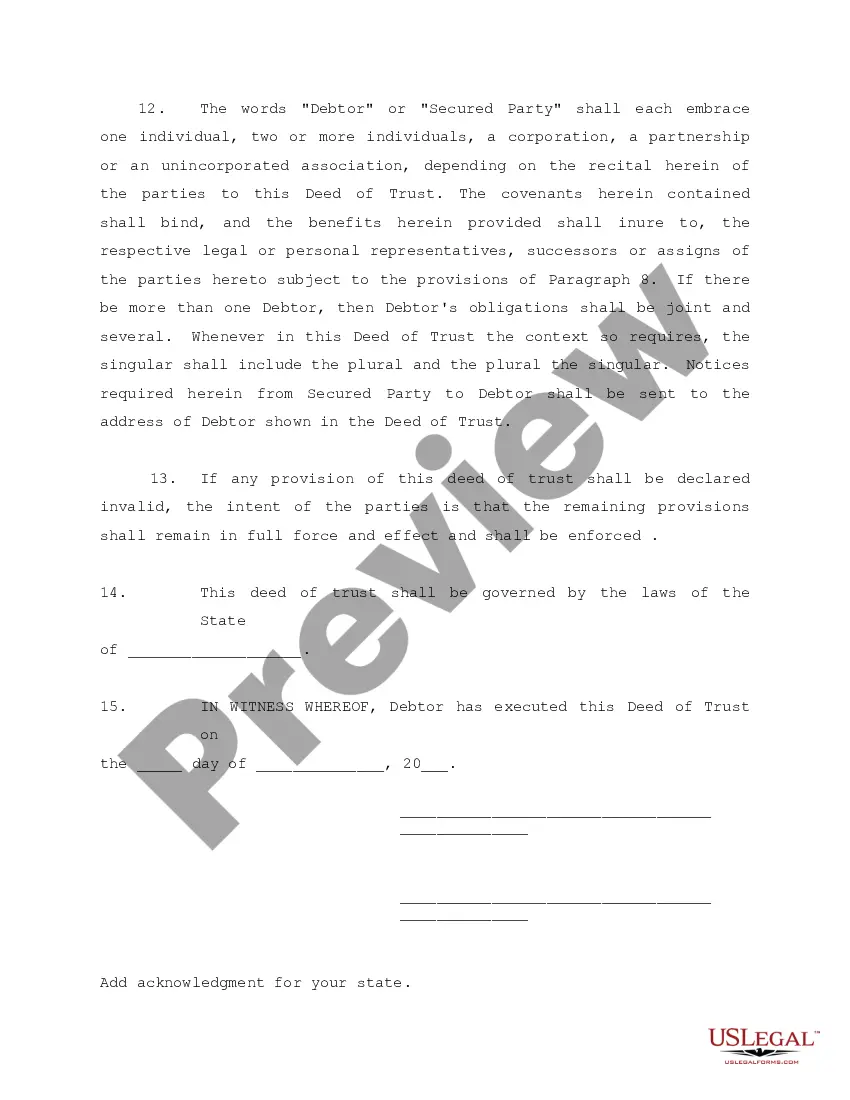
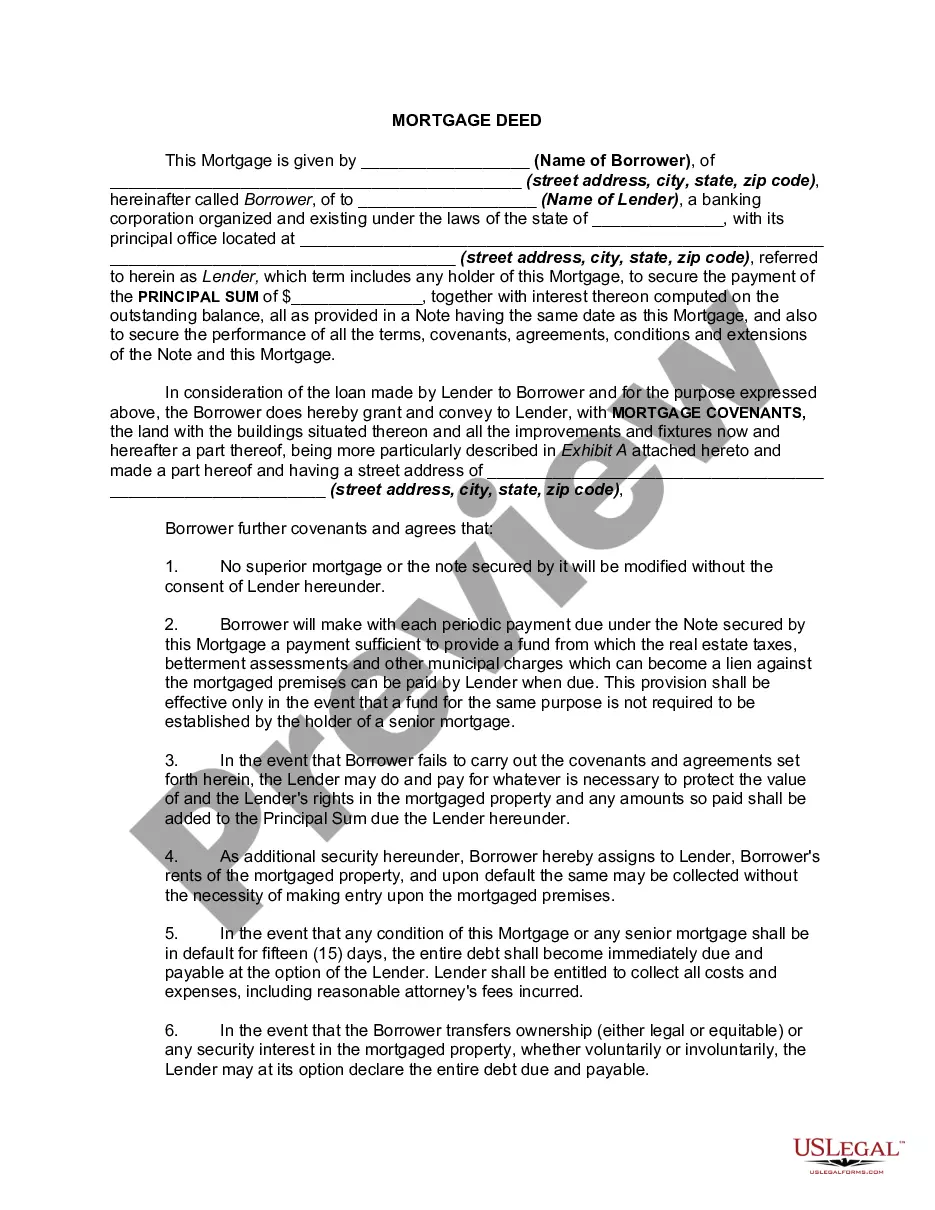

Get your form ready online
Our built-in tools help you complete, sign, share, and store your documents in one place.
Make edits, fill in missing information, and update formatting in US Legal Forms—just like you would in MS Word.
Download a copy, print it, send it by email, or mail it via USPS—whatever works best for your next step.
Sign and collect signatures with our SignNow integration. Send to multiple recipients, set reminders, and more. Go Premium to unlock E-Sign.
If this form requires notarization, complete it online through a secure video call—no need to meet a notary in person or wait for an appointment.
We protect your documents and personal data by following strict security and privacy standards.

Make edits, fill in missing information, and update formatting in US Legal Forms—just like you would in MS Word.

Download a copy, print it, send it by email, or mail it via USPS—whatever works best for your next step.

Sign and collect signatures with our SignNow integration. Send to multiple recipients, set reminders, and more. Go Premium to unlock E-Sign.

If this form requires notarization, complete it online through a secure video call—no need to meet a notary in person or wait for an appointment.

We protect your documents and personal data by following strict security and privacy standards.
Looking for another form?







Form popularity
FAQ
Key Takeaways In general, a lender won't begin foreclosure until you've missed four consecutive mortgage payments. Timing can vary from lender to lender, as well as the state of the housing market at the time. Lenders generally prefer to avoid foreclosure because it is costly and time-consuming.
The Consumer Financial Protection Bureau (CFPB), which is a federal agency, has set forth rules that say there can't be a foreclosure on some mortgages until the borrower is at least 120 days behind in payments.
A property can be foreclosed in Virginia in as little as 60 days if it foreclosed through the non judicial foreclosure process and the borrower does not contest or stall the proceedings. Judicial foreclosures vary in length depending on the court schedule and rulings.
Foreclosure is when a lender uses a legal process to force the sale of a property (like a home) to cover a debt. This can happen when someone takes out a mortgage to buy a home and then stops making payments (defaults on the mortgage).
Foreclosures can stay on your credit reports for up to seven years.
It benefits both the lender and the borrower. To initiate the process, the borrower will submit a loss mitigation application to their mortgage provider. If all goes well, the borrower will be relieved of their debts on the property, though this is not always the case. Sometimes, there will be a deficiency judgment.
Another way to surrender your home is through a consent foreclosure. A consent foreclosure allows the homeowner to consent to a judgment of foreclosure being entered against him. In exchange for consenting to judgment, the creditor cannot begin deficiency judgment proceedings against the debtor.
