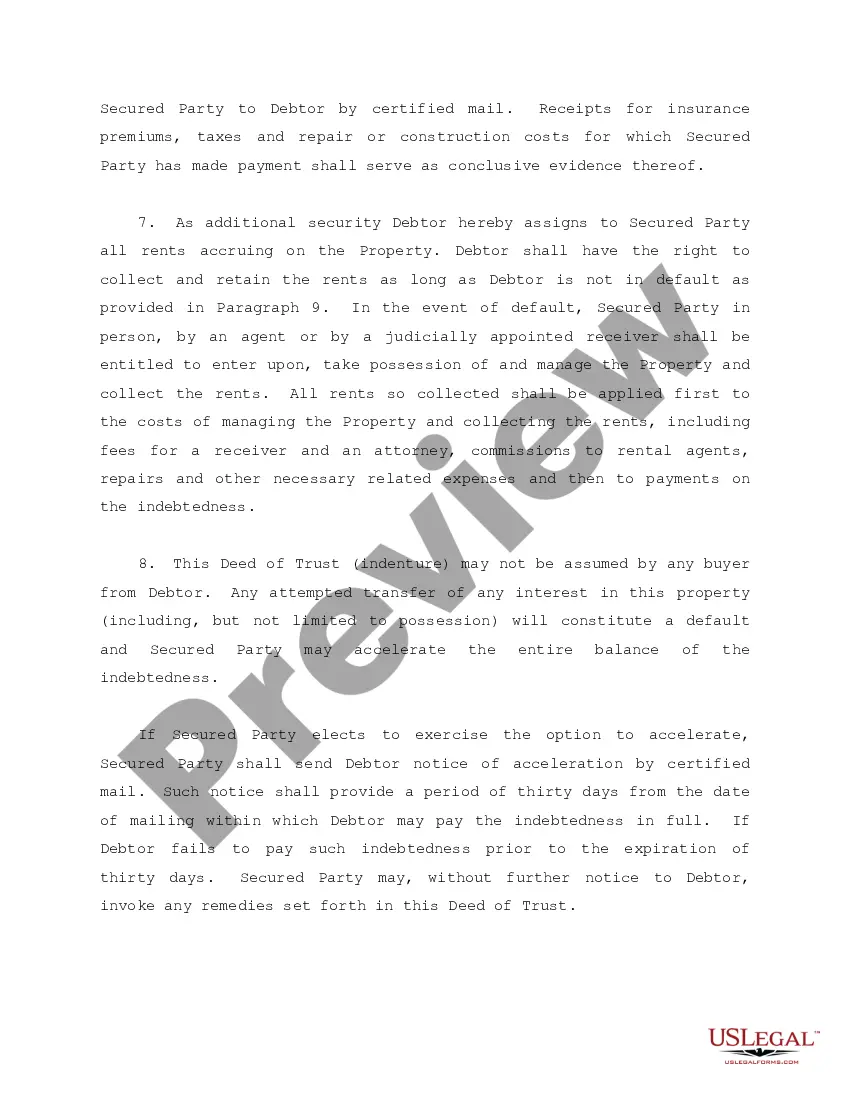
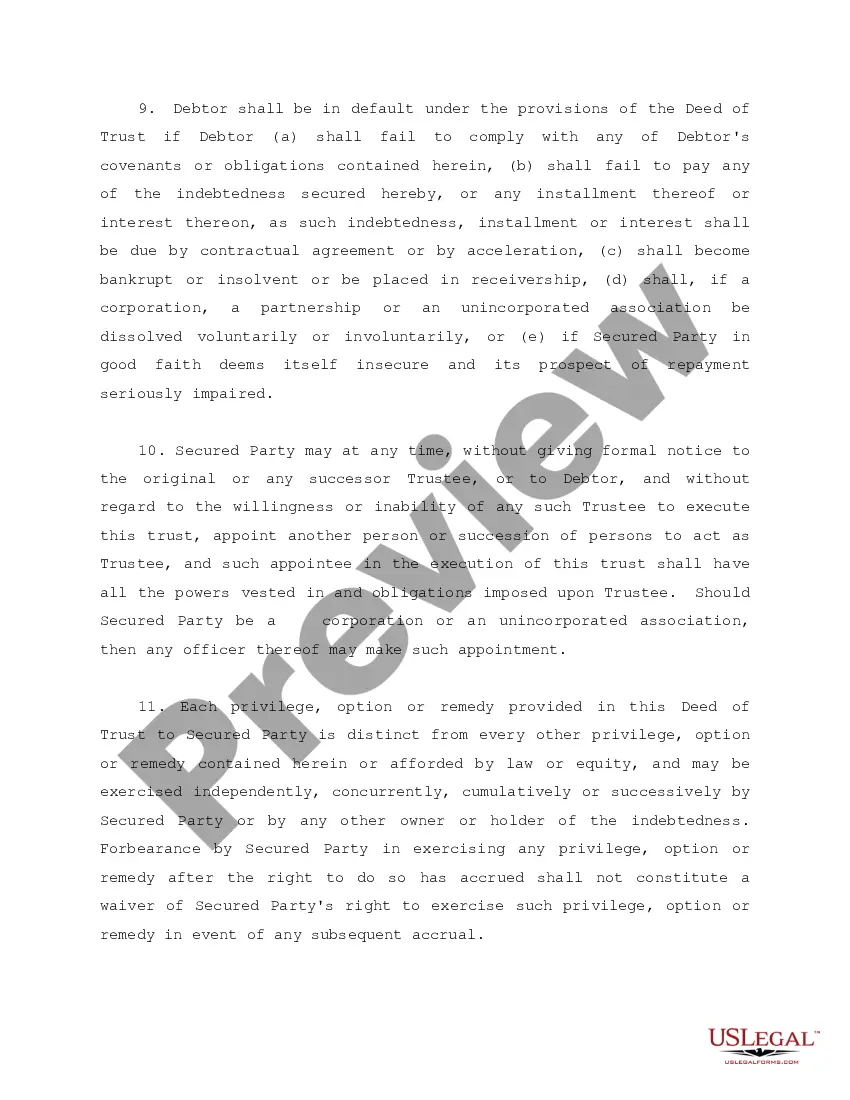
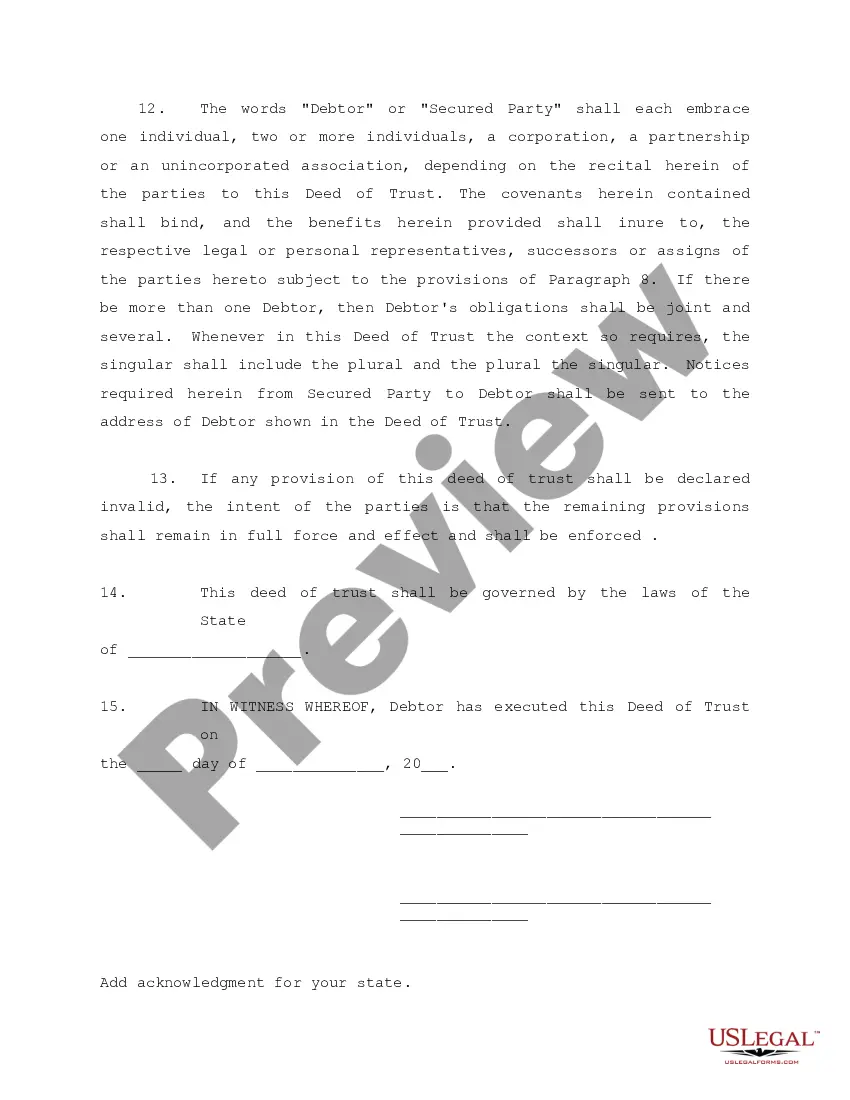
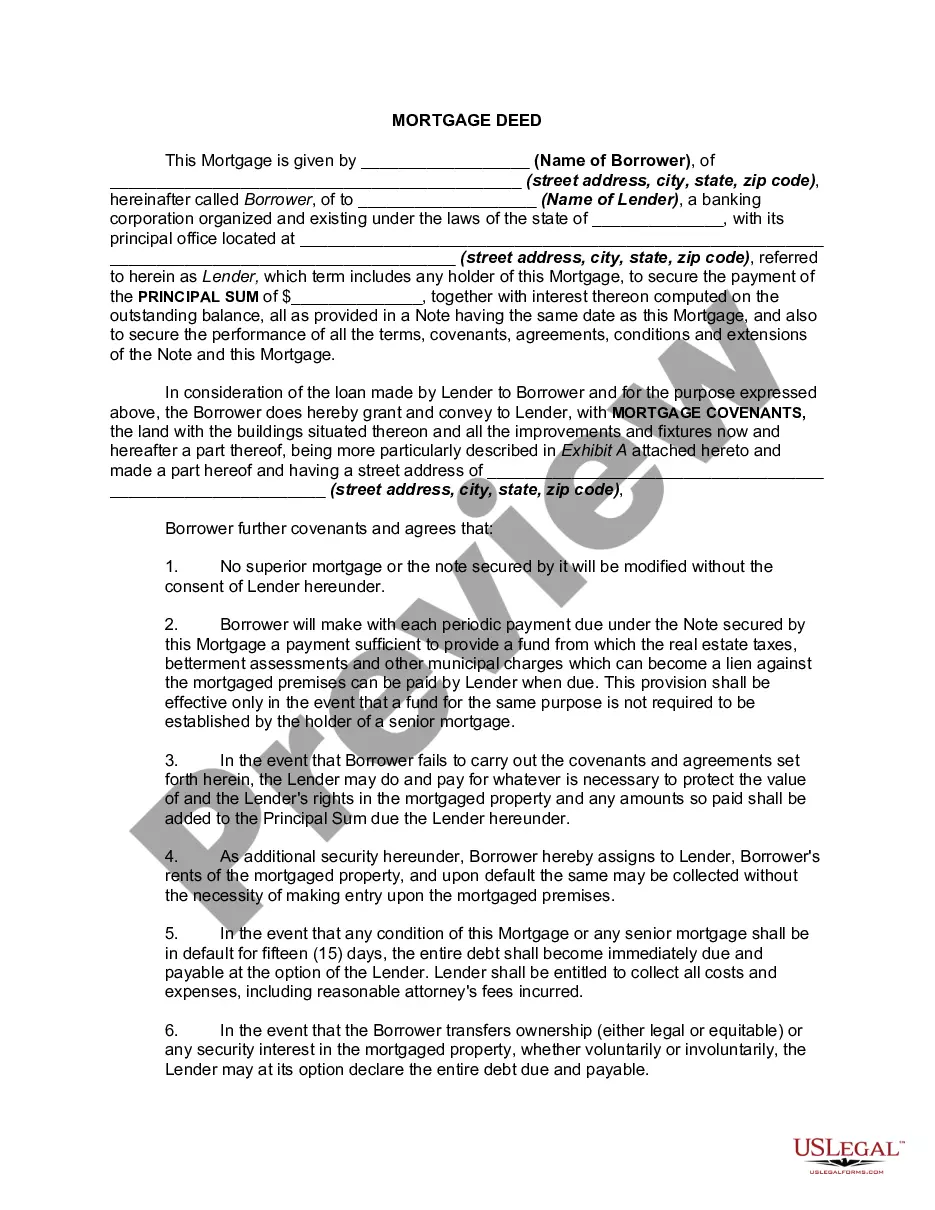
Secured Debt Any Formula In Cuyahoga
Description


Get your form ready online
Our built-in tools help you complete, sign, share, and store your documents in one place.
Make edits, fill in missing information, and update formatting in US Legal Forms—just like you would in MS Word.
Download a copy, print it, send it by email, or mail it via USPS—whatever works best for your next step.
Sign and collect signatures with our SignNow integration. Send to multiple recipients, set reminders, and more. Go Premium to unlock E-Sign.
If this form requires notarization, complete it online through a secure video call—no need to meet a notary in person or wait for an appointment.
We protect your documents and personal data by following strict security and privacy standards.

Make edits, fill in missing information, and update formatting in US Legal Forms—just like you would in MS Word.

Download a copy, print it, send it by email, or mail it via USPS—whatever works best for your next step.

Sign and collect signatures with our SignNow integration. Send to multiple recipients, set reminders, and more. Go Premium to unlock E-Sign.

If this form requires notarization, complete it online through a secure video call—no need to meet a notary in person or wait for an appointment.

We protect your documents and personal data by following strict security and privacy standards.
Looking for another form?








Form popularity
FAQ
The simple answer to this question is 'yes', because some debt solutions involve getting some or all of your unsecured debt written off. These solutions are most often used by people who are unlikely to be able to afford to repay their debts in full within a reasonable time.
Chapter 7 bankruptcy provides for the discharge of most types of unsecured debt. Once unsecured debt is discharged in bankruptcy, you are no longer obligated to repay the debt. The creditor can no longer attempt to collect such debt from you.
Credit card debt is by far the most common type of unsecured debt. If you fail to make credit card payments, the card issuer cannot repossess the items you purchased.
Paying more than the minimum will get you out of debt faster and save you hundreds — sometimes, even thousands — of dollars in interest. Not all credit cards are unsecured. There are secured credit cards, which are backed by an initial deposit.
“It does not be come a secured debt unless it is perfected in a lien,” Steve Rhode, a consumer debt expert, said. “A judgment is a legal ruling that a debt is owed and it can be cleared with bankruptcy. If it is converted to a lien and then recorded against the property, it is secured by the property.
As a result, most unsecured debt is discharged once the plan has concluded in three to five years. Unlike unsecured debt, secured debt (e.g. mortgages and car loans) must be made current under Chapter 13 plans, if foreclosure of the house or repossession of the collateral is to be avoided.
Credit card debt is by far the most common type of unsecured debt. If you fail to make credit card payments, the card issuer cannot repossess the items you purchased.
