Secured Debt Any For Bad Credit In California
Description

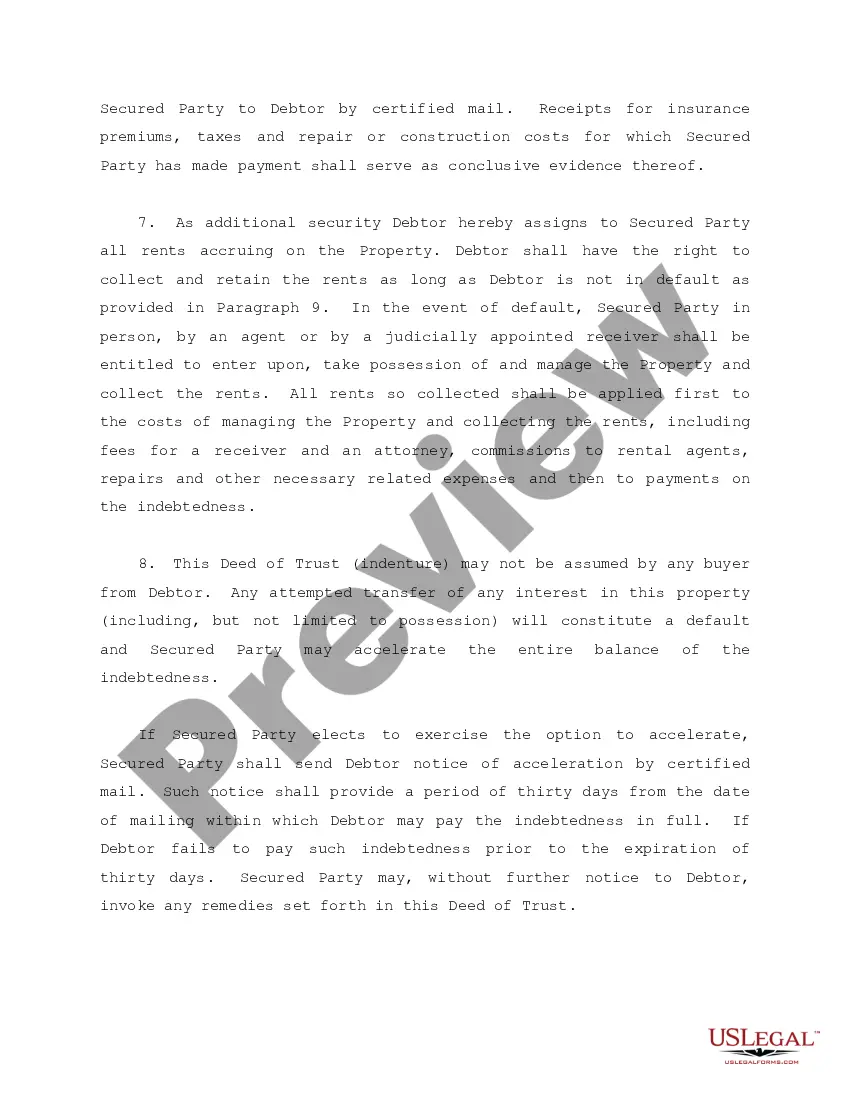
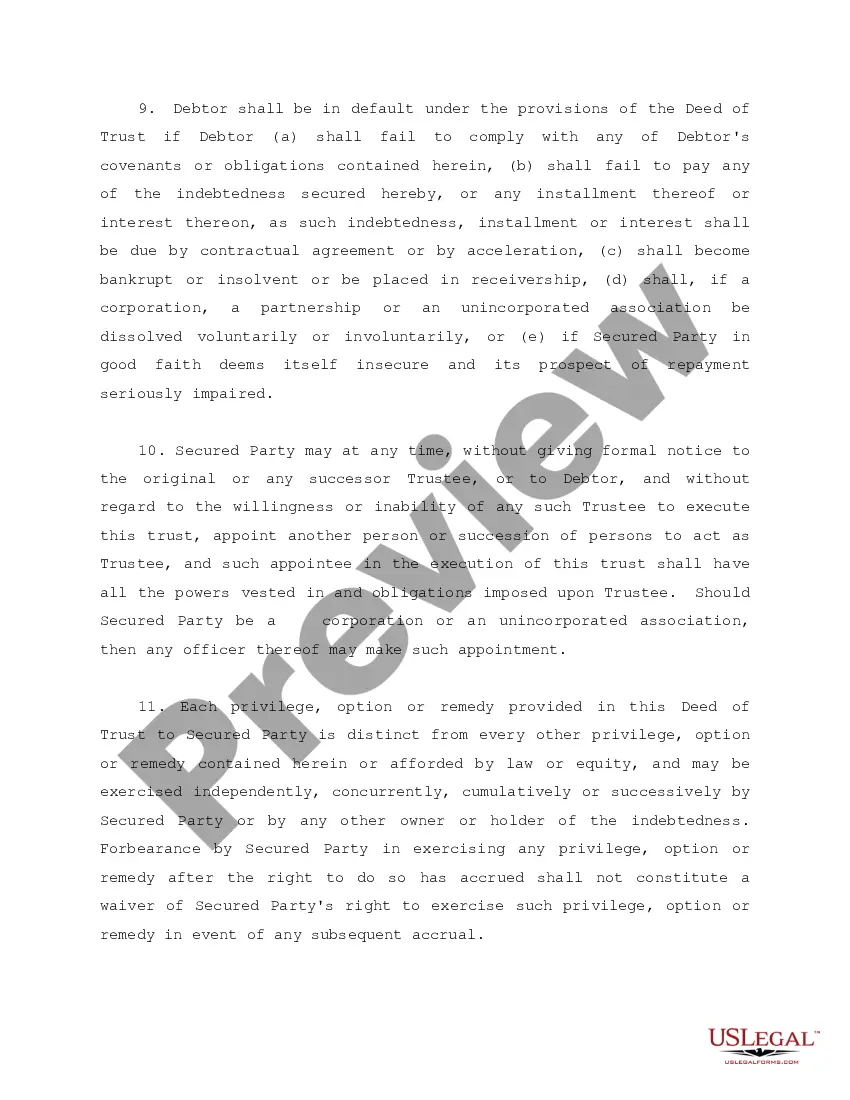
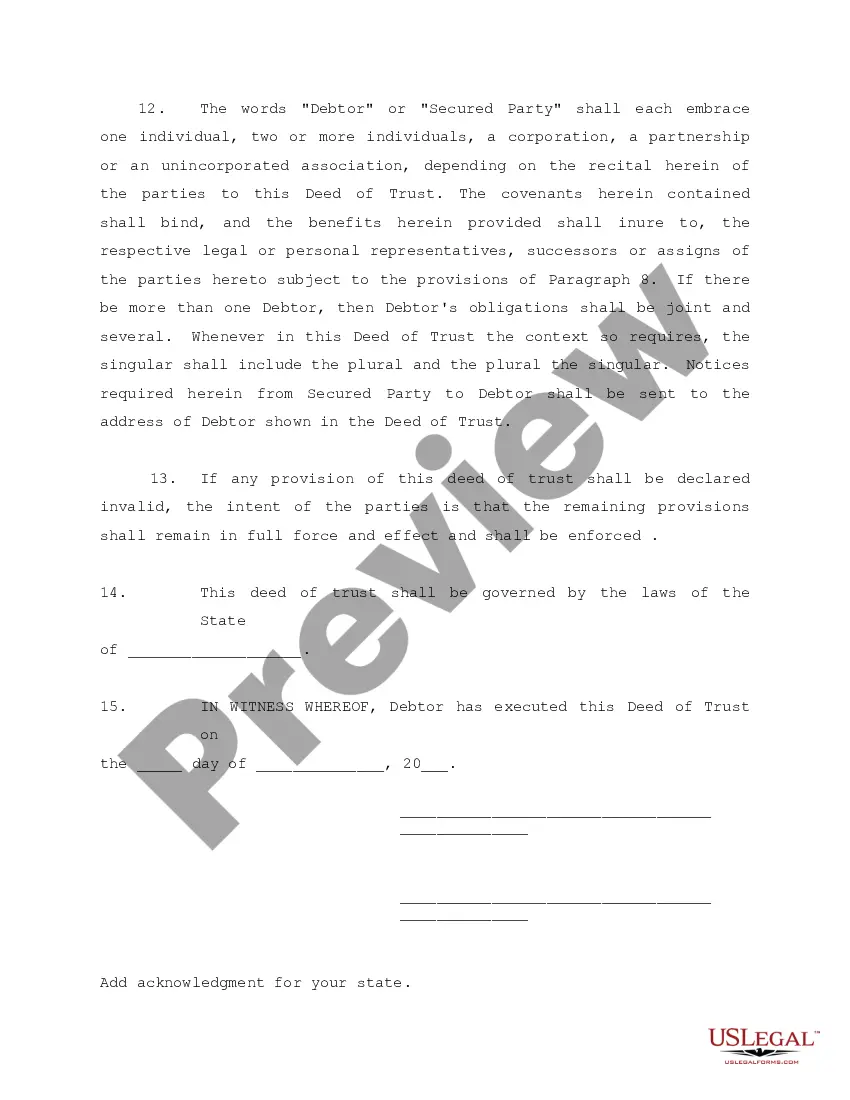
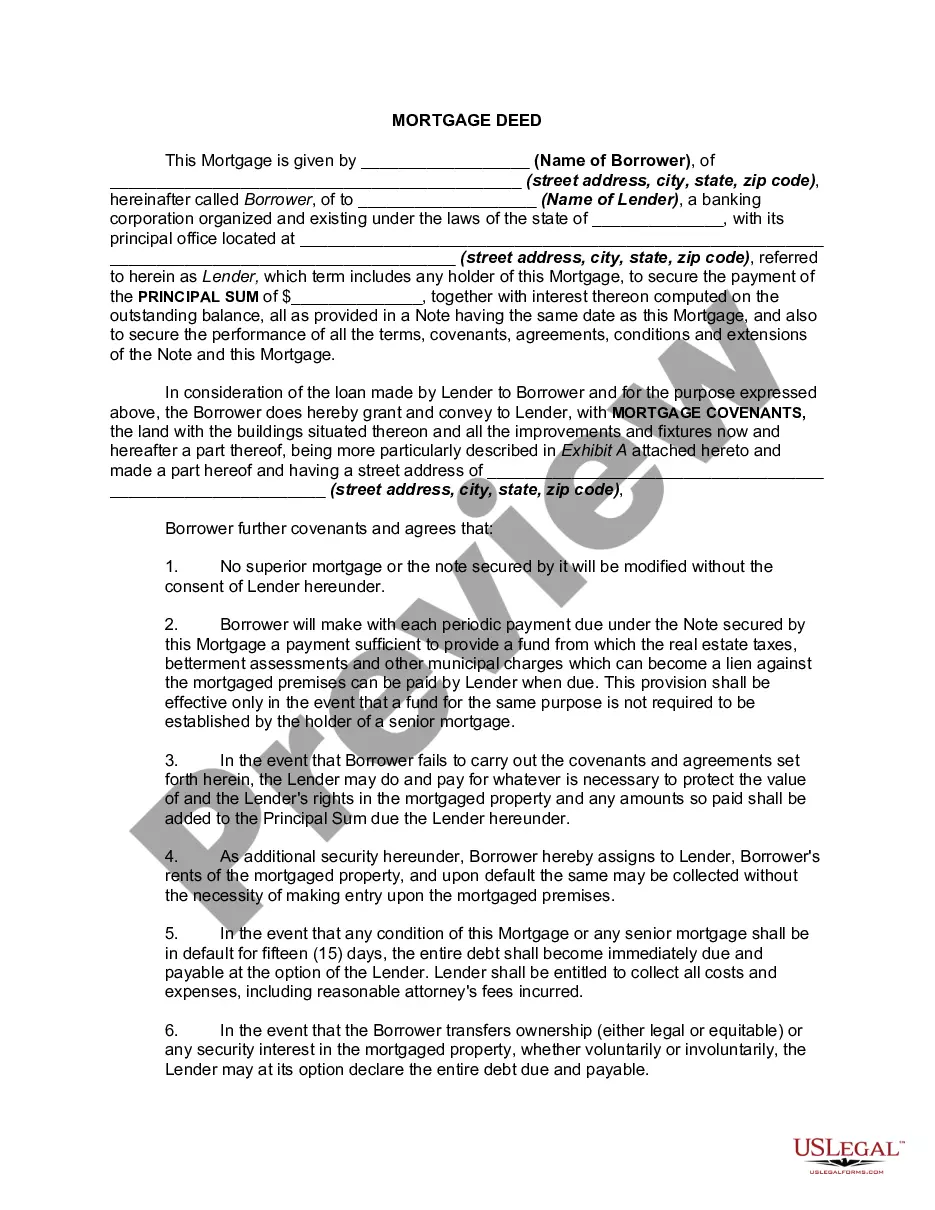

Get your form ready online
Our built-in tools help you complete, sign, share, and store your documents in one place.
Make edits, fill in missing information, and update formatting in US Legal Forms—just like you would in MS Word.
Download a copy, print it, send it by email, or mail it via USPS—whatever works best for your next step.
Sign and collect signatures with our SignNow integration. Send to multiple recipients, set reminders, and more. Go Premium to unlock E-Sign.
If this form requires notarization, complete it online through a secure video call—no need to meet a notary in person or wait for an appointment.
We protect your documents and personal data by following strict security and privacy standards.

Make edits, fill in missing information, and update formatting in US Legal Forms—just like you would in MS Word.

Download a copy, print it, send it by email, or mail it via USPS—whatever works best for your next step.

Sign and collect signatures with our SignNow integration. Send to multiple recipients, set reminders, and more. Go Premium to unlock E-Sign.

If this form requires notarization, complete it online through a secure video call—no need to meet a notary in person or wait for an appointment.

We protect your documents and personal data by following strict security and privacy standards.
Looking for another form?





Form popularity
FAQ
Yes, debt consolidation with bad credit is possible, but it may be more difficult to obtain than if you had good credit. Debt consolidation is a strategy to combine multiple debts into one, often with a lower interest rate, to make it easier to manage your payments and reduce your overall debt.
Debt collectors may not be able to sue you to collect on old (time-barred) debts, but they may still try to collect on those debts. In California, there is generally a four-year limit for filing a lawsuit to collect a debt based on a written agreement.
Highlights: Most negative information generally stays on credit reports for 7 years.
California's statute of limitations for most unsecured debts, including credit card debt, is four years. This means creditors or debt collectors have four years from the date of your last payment to file a lawsuit against you to recover the debt.
Debt collectors may not be able to sue you to collect on old (time-barred) debts, but they may still try to collect on those debts. In California, there is generally a four-year limit for filing a lawsuit to collect a debt based on a written agreement.
Certain actions, like making a payment, can reset the clock on old debts and give your creditors more time to take legal action against you. Most consumer debts will “expire” after three to six years, meaning a creditor or debt collector can no longer sue you for them.
Yes. This is known as the statute of limitations, and it is based on the date when you first stopped paying the original debt. Each state has it's own statute of limitations, ranging from as little as 3 or 4 years, to as much as 7 or 10 years (or even longer).
California's Fair Debt Collection Practices Act has long been a critical framework for protecting consumers from abusive or unfair debt collection practices. Recently, however, Governor Gavin Newsom signed into law SB 1286 on September 24, 2024, expanding these protections to certain commercial debts.
