Security Debt Any For Dummies In Bronx
Description

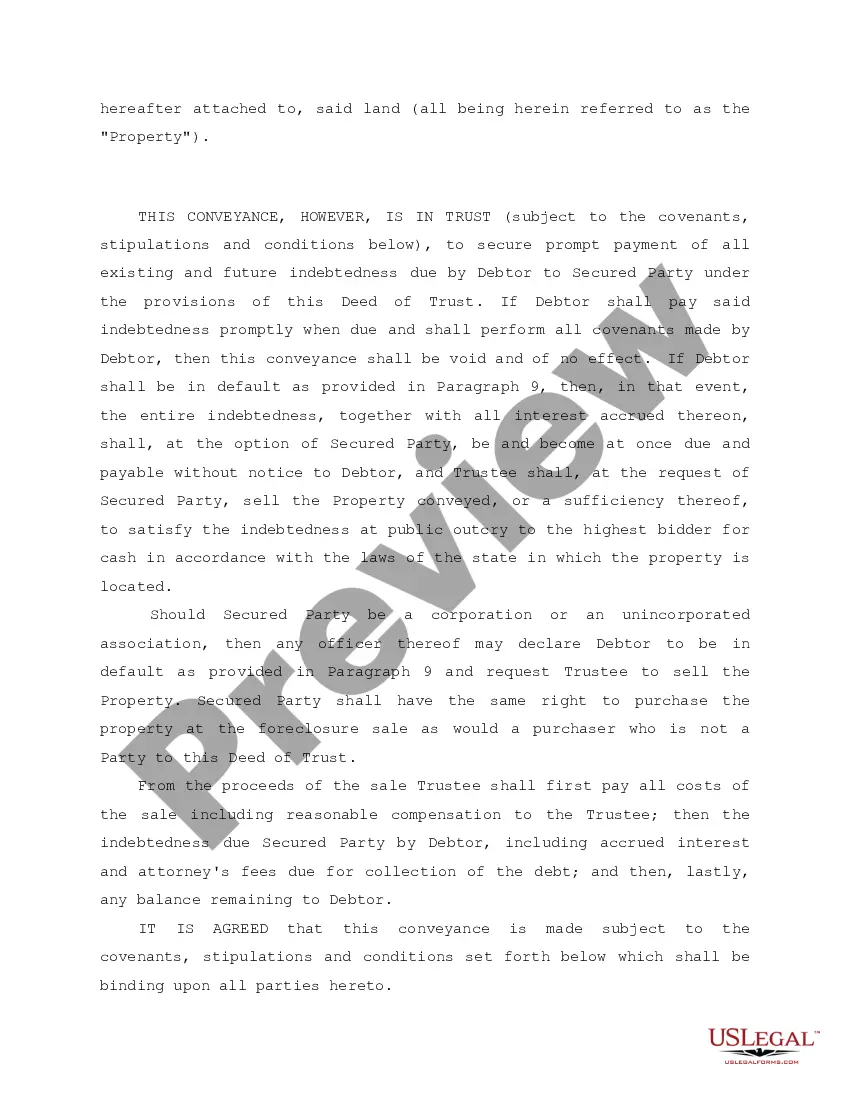
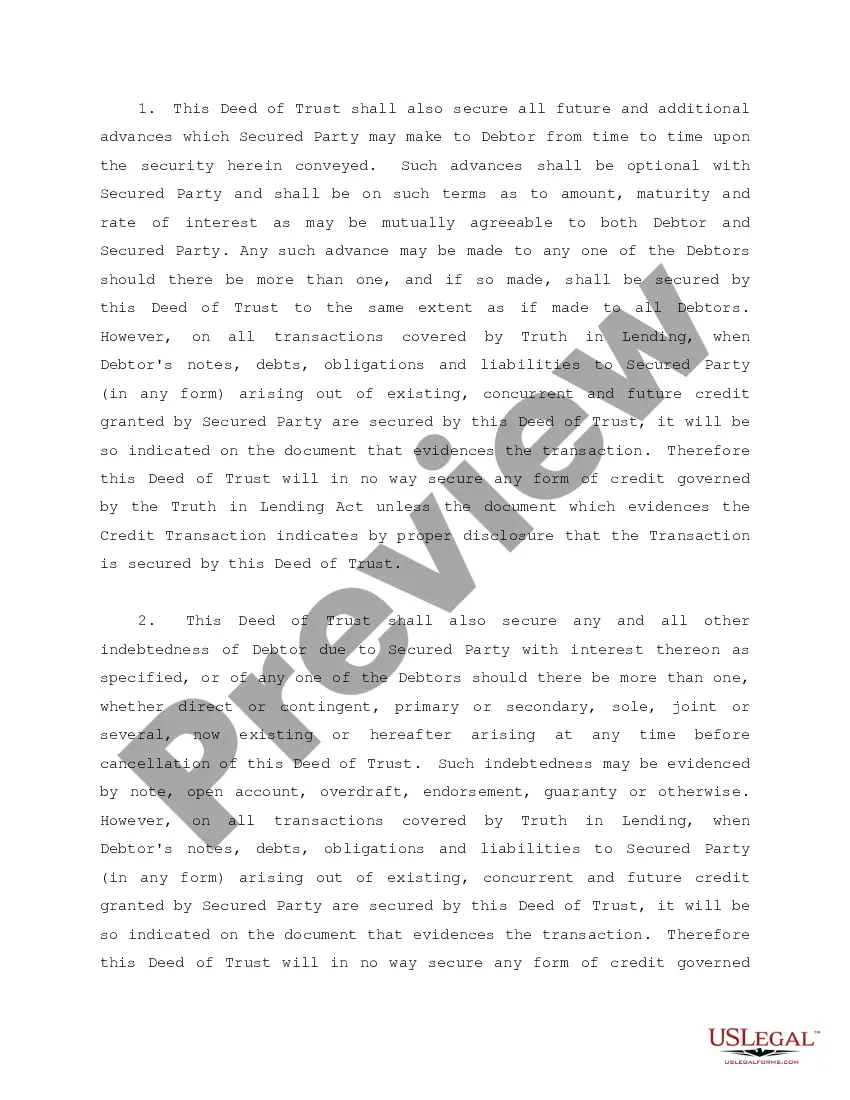
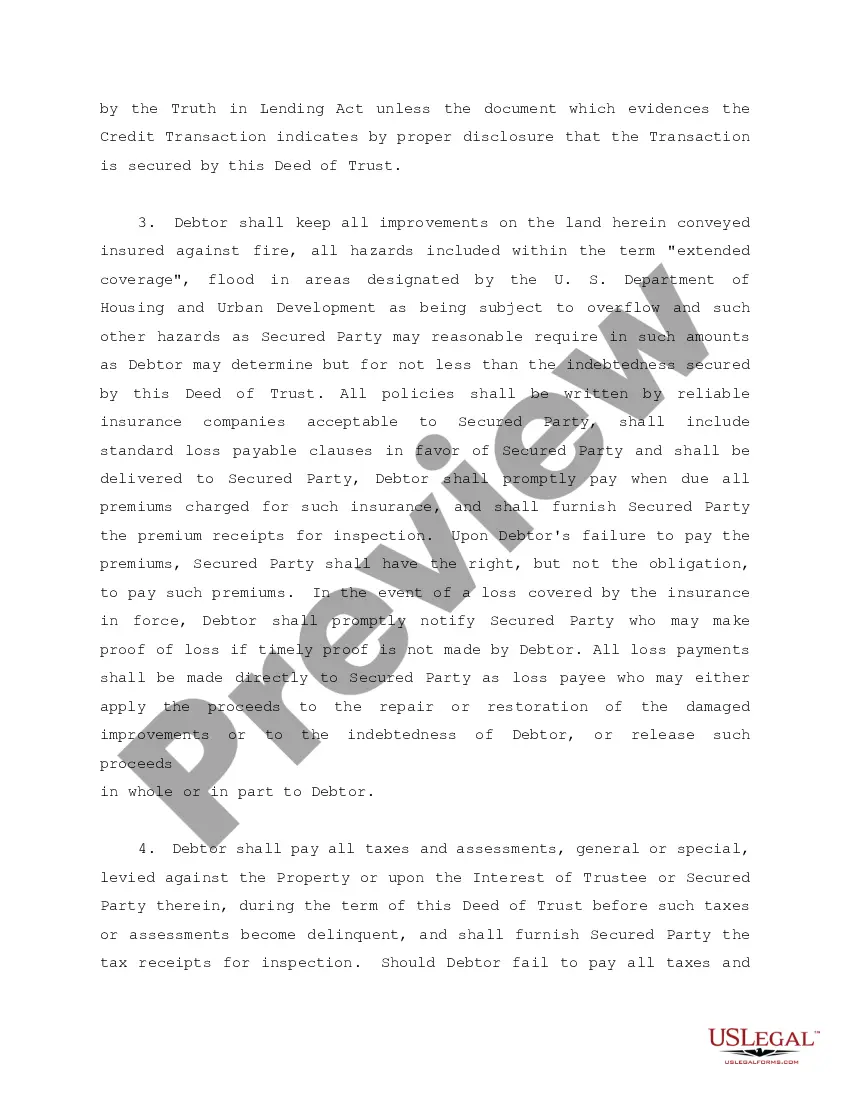
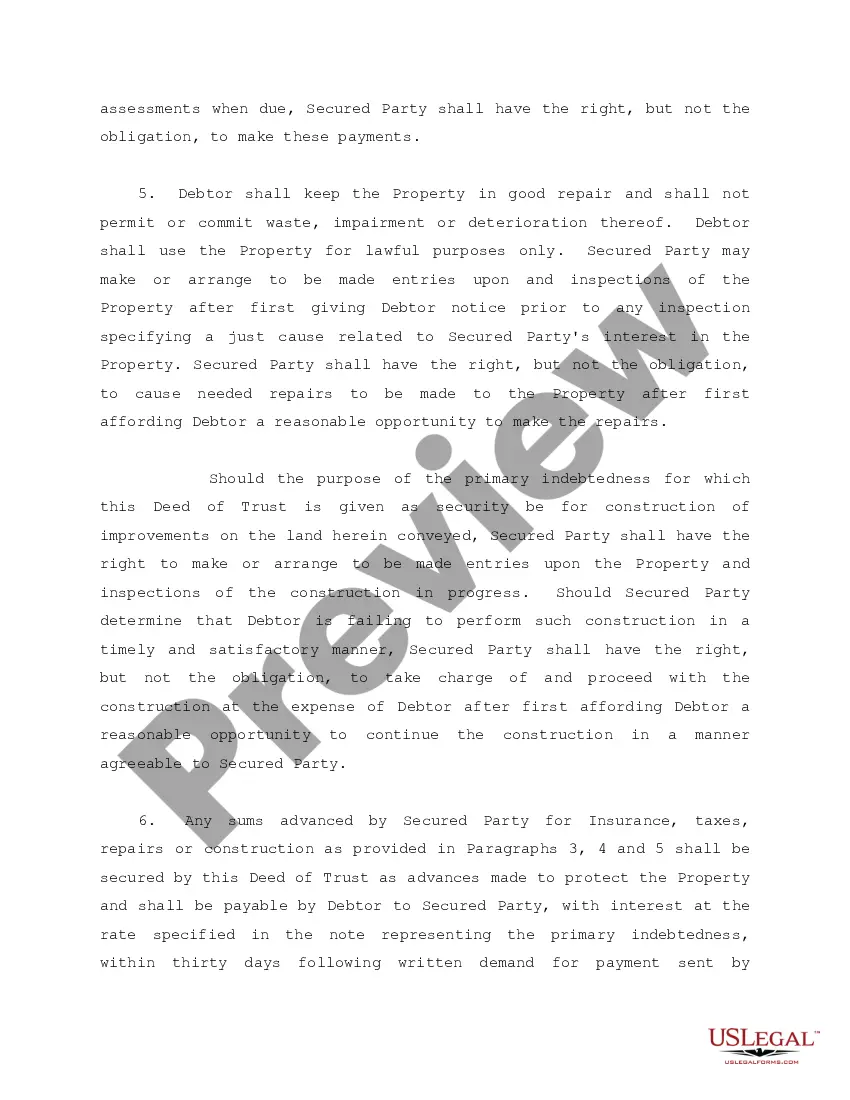

Get your form ready online
Our built-in tools help you complete, sign, share, and store your documents in one place.
Make edits, fill in missing information, and update formatting in US Legal Forms—just like you would in MS Word.
Download a copy, print it, send it by email, or mail it via USPS—whatever works best for your next step.
Sign and collect signatures with our SignNow integration. Send to multiple recipients, set reminders, and more. Go Premium to unlock E-Sign.
If this form requires notarization, complete it online through a secure video call—no need to meet a notary in person or wait for an appointment.
We protect your documents and personal data by following strict security and privacy standards.

Make edits, fill in missing information, and update formatting in US Legal Forms—just like you would in MS Word.

Download a copy, print it, send it by email, or mail it via USPS—whatever works best for your next step.

Sign and collect signatures with our SignNow integration. Send to multiple recipients, set reminders, and more. Go Premium to unlock E-Sign.

If this form requires notarization, complete it online through a secure video call—no need to meet a notary in person or wait for an appointment.

We protect your documents and personal data by following strict security and privacy standards.
Looking for another form?








Form popularity
FAQ
A debt security is a type of debt that can be bought and sold like a security. They typically have specific terms, such as the amount borrowed, the interest rate, the renewal date and the maturity of the debt.
Summary. Debt securities are negotiable financial instruments, meaning they can be bought or sold between parties in the market. They come with a defined issue date, maturity date, coupon rate, and face value. Debt securities provide regular payments of interest and guaranteed repayment of principal.
Certain types of funds are exempt from restraint or levy. These funds include: Supplemental security income (SSI) Social security.
In New York, a judgment creditor can levy a debtor's bank account, including a joint bank account, by serving a restraining notice on the bank. The bank is then obligated to freeze the debtor's assets up to the amount of the judgment.
Debtors can protect their bank accounts by opening accounts in states that prohibit garnishments. If a creditor attempts to garnish the account, the debtor's funds remain protected while they handle legal proceedings or claims for exemptions.
UCC - Frequently Asked Questions - UCC-1 and UCC-3. Most filings last for five (5) years from the date of filing. Filings for a debtor that is a transmitting utility have no expiration date. Manufactured Home filings last 30 years from the date of filing – appropriate box must be marked.
Bank accounts solely for government benefits Federal law ensures that creditors cannot touch certain federal benefits, such as Social Security funds and veterans' benefits. If you're receiving these benefits, they would be exempt from garnishment.
