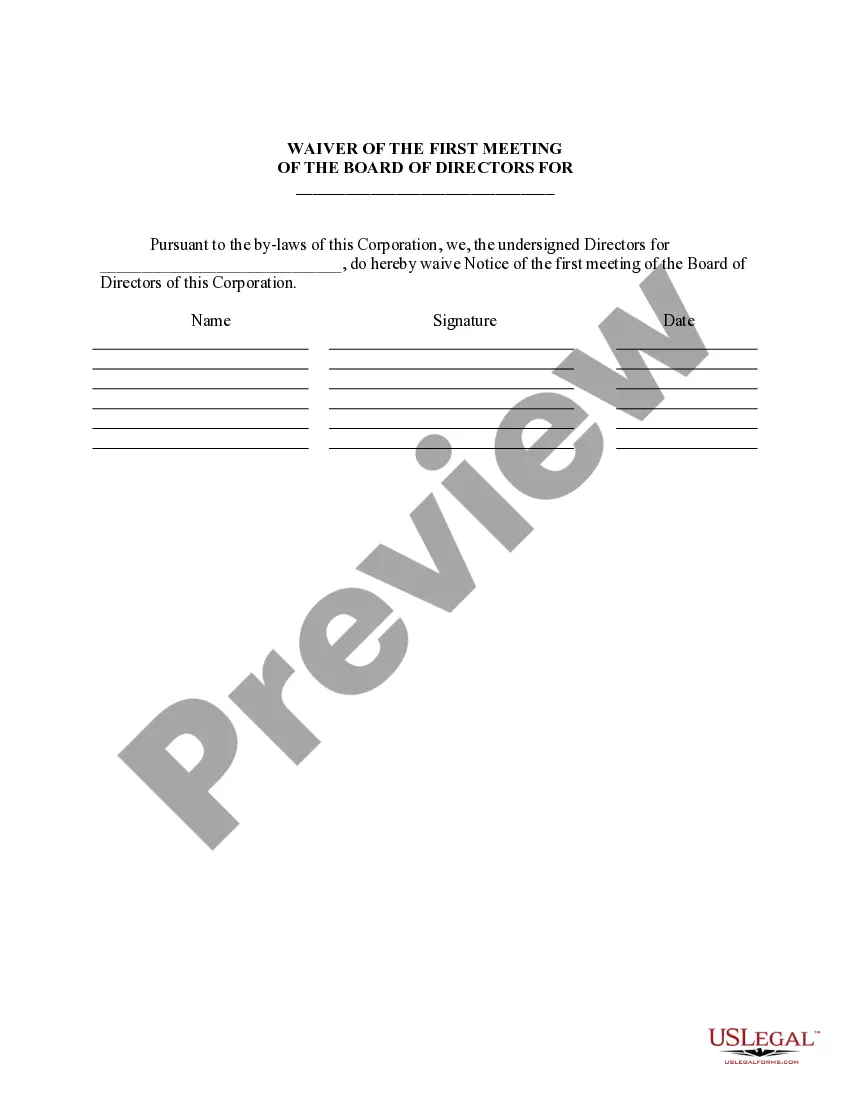
Board Directors Corporate With Shareholders In Sacramento
Description
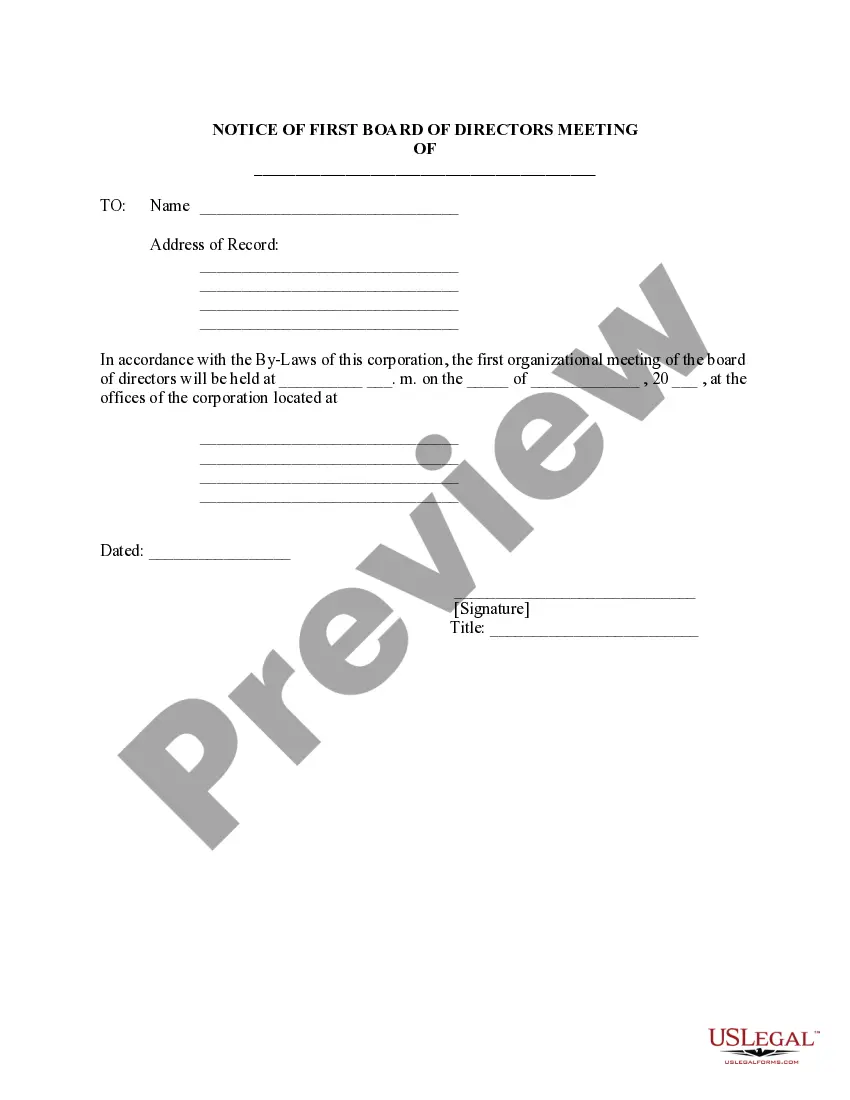


Get your form ready online
Our built-in tools help you complete, sign, share, and store your documents in one place.
Make edits, fill in missing information, and update formatting in US Legal Forms—just like you would in MS Word.
Download a copy, print it, send it by email, or mail it via USPS—whatever works best for your next step.
Sign and collect signatures with our SignNow integration. Send to multiple recipients, set reminders, and more. Go Premium to unlock E-Sign.
If this form requires notarization, complete it online through a secure video call—no need to meet a notary in person or wait for an appointment.
We protect your documents and personal data by following strict security and privacy standards.

Make edits, fill in missing information, and update formatting in US Legal Forms—just like you would in MS Word.

Download a copy, print it, send it by email, or mail it via USPS—whatever works best for your next step.

Sign and collect signatures with our SignNow integration. Send to multiple recipients, set reminders, and more. Go Premium to unlock E-Sign.

If this form requires notarization, complete it online through a secure video call—no need to meet a notary in person or wait for an appointment.

We protect your documents and personal data by following strict security and privacy standards.
Looking for another form?




Form popularity
FAQ
Unless the corporation's Articles of Incorporation provide otherwise, a director is not required to be a shareholder of the corporation. In addition, certain jurisdictions require a director to be a Canadian resident - see below. Majority of directors must be Canadian residents.
SMUD is owned by its customers, who elect a seven-member Board of Directors. Each director represents a different geographic area or "ward." During their four-year terms, their job is to establish policies and values about how we serve you and to set the long-term direction SMUD will take as we move forward.
Therefore, a director essentially manages the company on behalf of the shareholders. However, a shareholder does not have an inherent right to be a director. With the same , a director is not required to be a shareholder, unless it is stated in the constitution.
While every board member is a shareholder, not every shareholder is automatically a board member. Shareholders who own a certain percentage of the company's shares (usually 10 percent or more) are eligible to serve on the board.
Shareholders own the company by buying and holding its shares, acting as the company's financial supporters. Directors are responsible for day-to-day management of the business and its operations. Being a shareholder does not automatically confer the right to have a say in how that company is run on a day-to-day basis.
While the board of directors is responsible for setting the strategic direction of the company and overseeing management, it is the shareholders who are the ultimate decision-makers. This is because shareholders own the company and have the right to elect the board of directors.
The Publicly Traded Corporate Disclosure Statement form, including instructions for completing the form, is available on the Secretary of State's website at or through our bizfile California portal at Once completed, ...
To submit Form SI-100, you may file it online at the California Secretary of State's website or mail it to the Statement of Information Unit at P.O. Box 944230, Sacramento, CA 94244-2300. For in-person submissions, visit the Sacramento office located at 1500 11th Street, Sacramento, CA 95814.
To submit Form SI-100, you may file it online at the California Secretary of State's website or mail it to the Statement of Information Unit at P.O. Box 944230, Sacramento, CA 94244-2300. For in-person submissions, visit the Sacramento office located at 1500 11th Street, Sacramento, CA 95814.
Corporations are required to have not less than three directors unless (1) shares have not been issued, then the number can be one or two, (2) the corporation has one shareholder, then the number can be one or two, or (3) the corporation has two shareholders, then the number can be two.