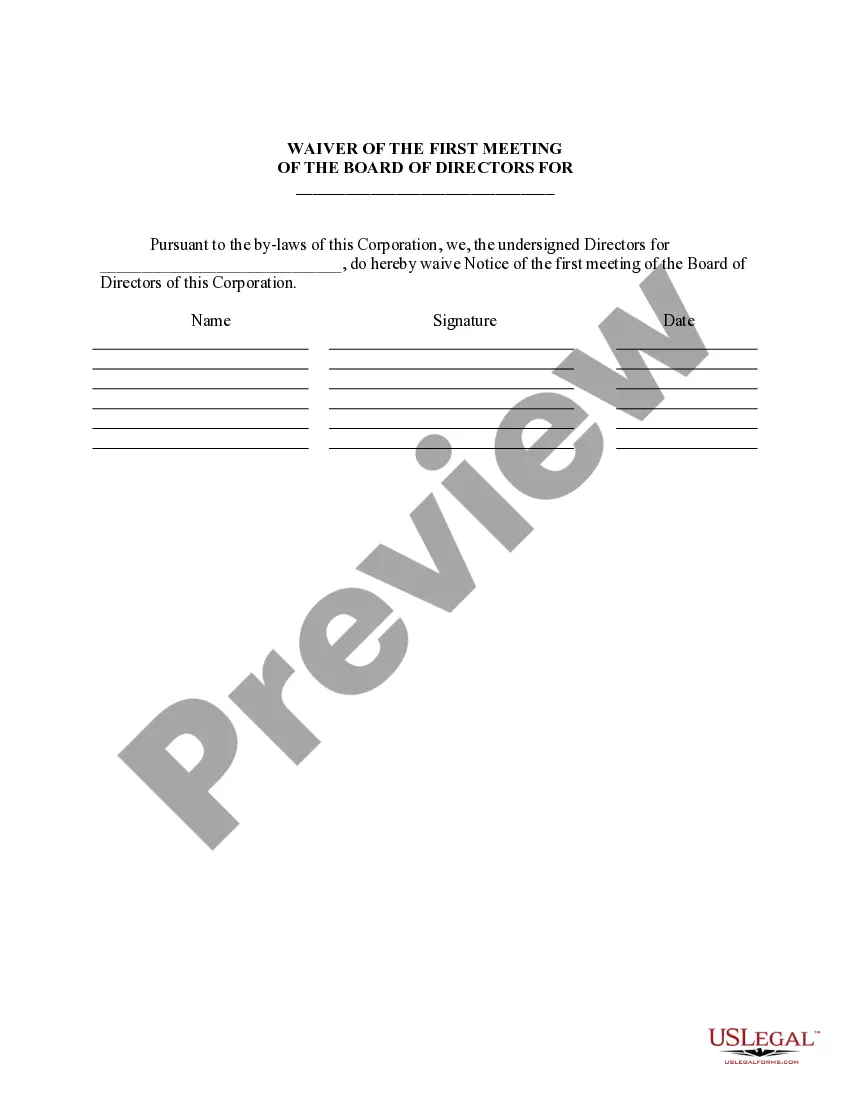
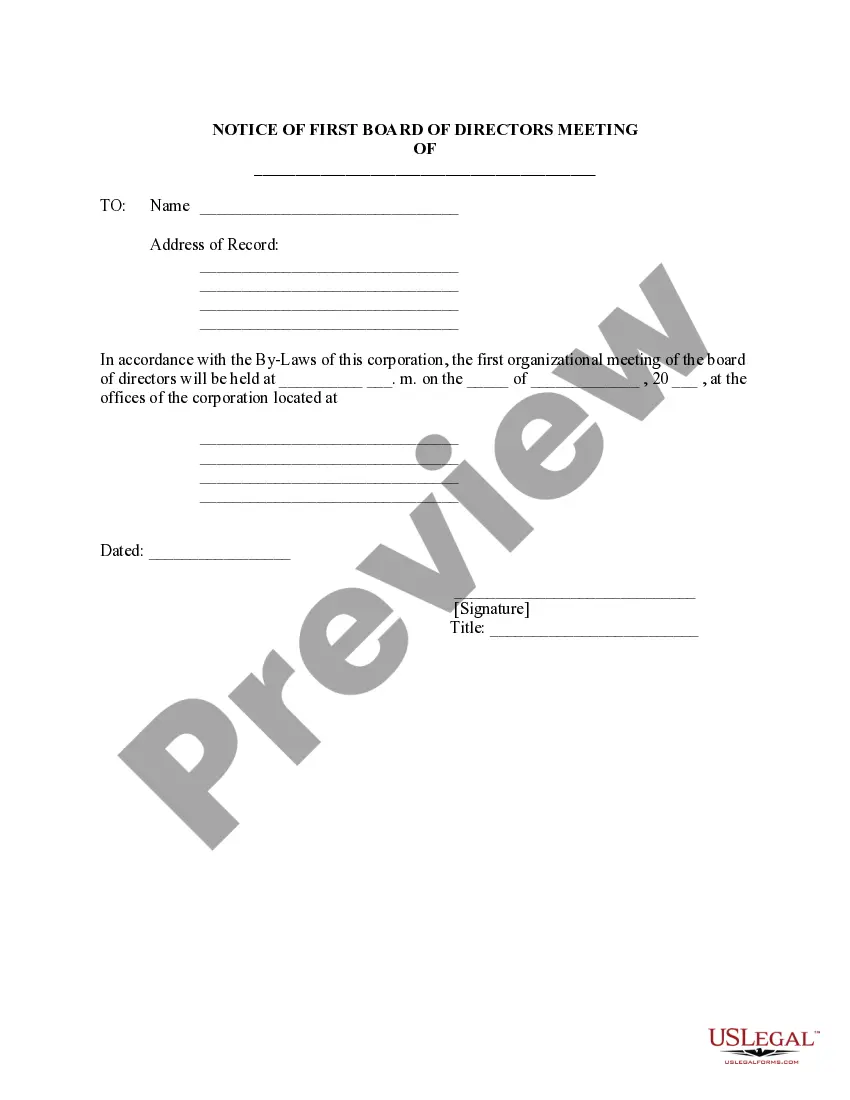
Board Directors Corporate Without Ceo In Philadelphia
Description


Get your form ready online
Our built-in tools help you complete, sign, share, and store your documents in one place.
Make edits, fill in missing information, and update formatting in US Legal Forms—just like you would in MS Word.
Download a copy, print it, send it by email, or mail it via USPS—whatever works best for your next step.
Sign and collect signatures with our SignNow integration. Send to multiple recipients, set reminders, and more. Go Premium to unlock E-Sign.
If this form requires notarization, complete it online through a secure video call—no need to meet a notary in person or wait for an appointment.
We protect your documents and personal data by following strict security and privacy standards.

Make edits, fill in missing information, and update formatting in US Legal Forms—just like you would in MS Word.

Download a copy, print it, send it by email, or mail it via USPS—whatever works best for your next step.

Sign and collect signatures with our SignNow integration. Send to multiple recipients, set reminders, and more. Go Premium to unlock E-Sign.

If this form requires notarization, complete it online through a secure video call—no need to meet a notary in person or wait for an appointment.

We protect your documents and personal data by following strict security and privacy standards.
Looking for another form?


Form popularity
FAQ
At a co-op, there's no single person with overarching, top-down power over everyone else, like a CEO at a traditional company. So what exactly is a co-op and how does it work? Explore the different types of cooperatives and how they operate.
A: A company typically needs a CEO when it reaches around 10 employees.
A: A company typically needs a CEO when it reaches around 10 employees. At this stage, having a dedicated leader to manage growth and steer the business becomes important.
Limited liability companies (LLCs) aren't required to have a president or CEO, but it might be a good idea. As with most issues concerning the law, the "right" answer depends on the circumstances.
A small business run by a founder rarely needs to hire a CEO. In most such businesses, the founder is the CEO. The same person makes all decisions, even for the smallest of things.
Private companies are not legally required to have a board of directors, but many choose to do so in order to create a structure of accountability and good governance. Having a board can also be helpful in attracting investors and other key stakeholders.
There is no one definitive answer to this question. It depends on the organization's bylaws and governing structure. The CEO may or may not be a member of the board of directors, and the board of directors may or may not have veto power over the CEO's decisions.
The title of CEO should be appointed when a company has recruited around 10 or more employees, as it was believed this was the tipping point that warranted the role and responsibilities of a CEO. 3. Some used the title of 'Founder' until the business was around 5 years old and then moved to the CEO title.
Those Who Lack Objectivity If you can't take a step back and look at the big picture, you're not going to be an effective board member. You need to be able to objectively assess a company's performance and make decisions that are in the best interests of the company, not just yourself or your friends on the board.
It depends on the organization's bylaws and governing structure. The CEO may or may not be a member of the board of directors, and the board of directors may or may not have veto power over the CEO's decisions.