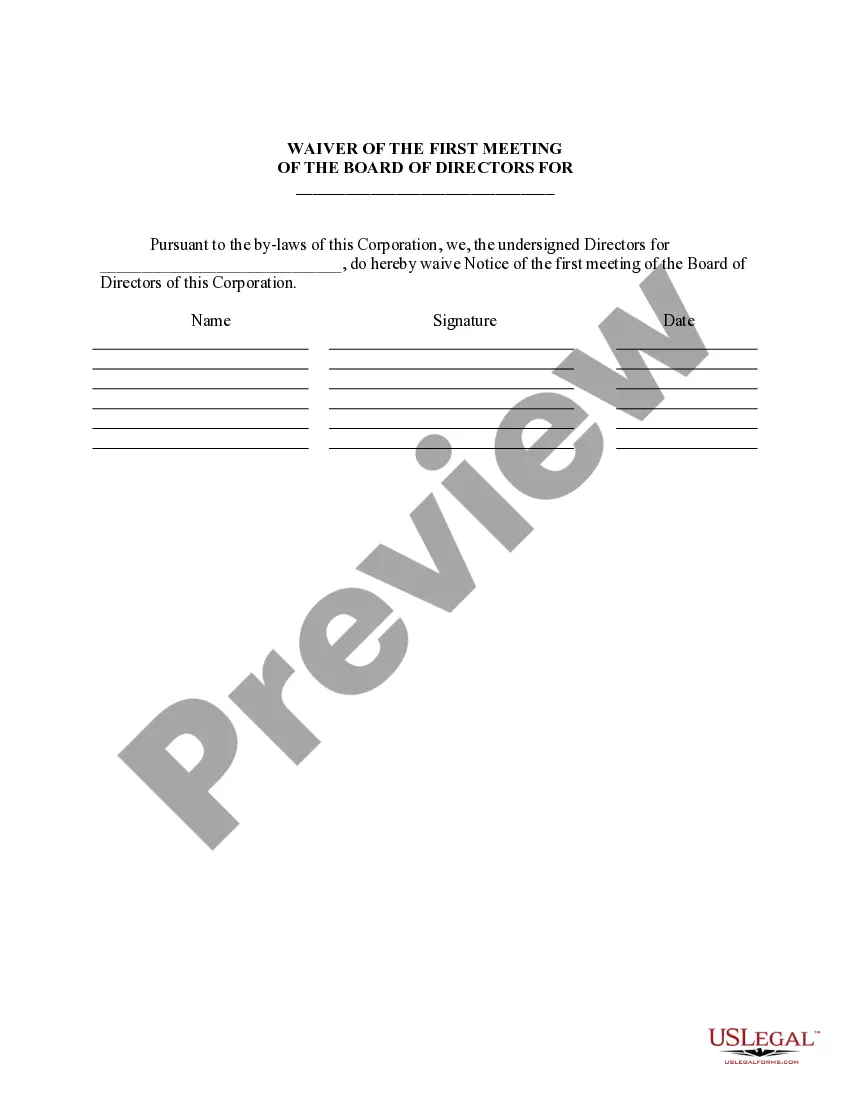
Board Directors Corporate With The Task Of Creating In Philadelphia
Description
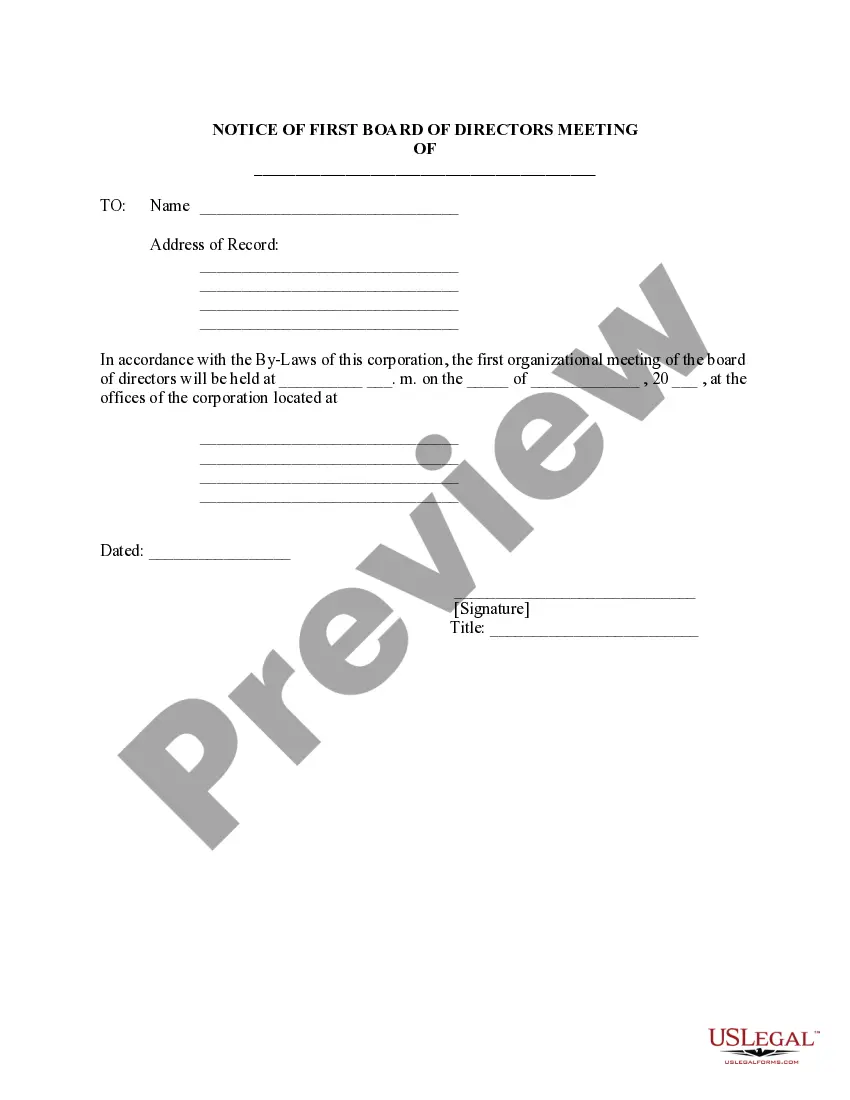


Get your form ready online
Our built-in tools help you complete, sign, share, and store your documents in one place.
Make edits, fill in missing information, and update formatting in US Legal Forms—just like you would in MS Word.
Download a copy, print it, send it by email, or mail it via USPS—whatever works best for your next step.
Sign and collect signatures with our SignNow integration. Send to multiple recipients, set reminders, and more. Go Premium to unlock E-Sign.
If this form requires notarization, complete it online through a secure video call—no need to meet a notary in person or wait for an appointment.
We protect your documents and personal data by following strict security and privacy standards.

Make edits, fill in missing information, and update formatting in US Legal Forms—just like you would in MS Word.

Download a copy, print it, send it by email, or mail it via USPS—whatever works best for your next step.

Sign and collect signatures with our SignNow integration. Send to multiple recipients, set reminders, and more. Go Premium to unlock E-Sign.

If this form requires notarization, complete it online through a secure video call—no need to meet a notary in person or wait for an appointment.

We protect your documents and personal data by following strict security and privacy standards.
Looking for another form?


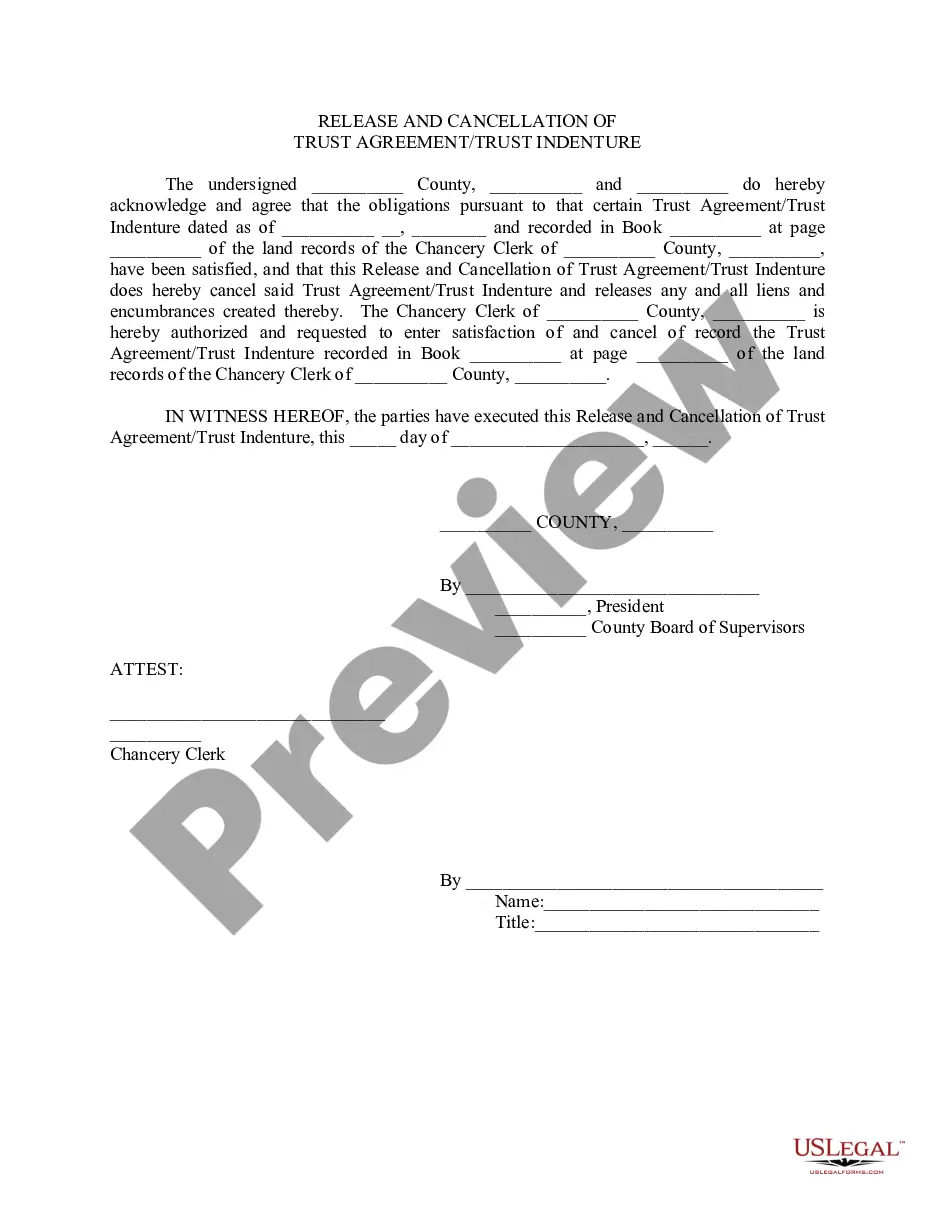



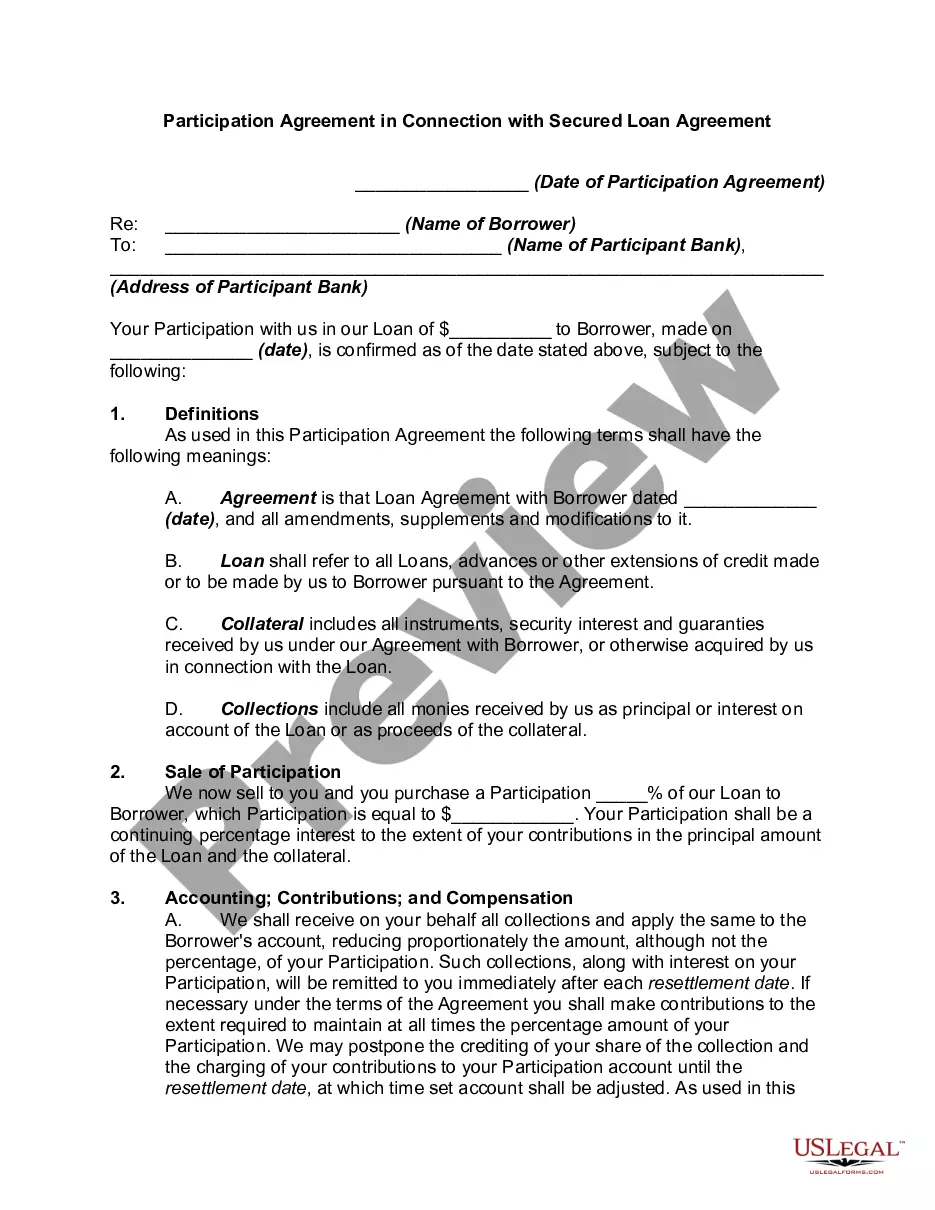


Form popularity
FAQ
Top 9 ways to engage board members Foster relations. Improve communication. Establish accountability. Celebrate the wins. Find and develop new talent. Encourage charity and volunteering. Follow an effective meeting structure. Help directors prepare well for meetings.
An engaged board is a forward-thinking board that strives for a collaborative partnership with the CEO/executive director. Engaged boards “work” between board meetings and attend meetings well prepared.
Use former board members as a sounding board to try out ideas for a new strategic direction, a new program, or even new branding. You could call a special meeting (in person or online) for this, use breakout sessions during a meeting called for another purpose, or reach out to former board members one-on-one.
The Old Criteria: Contribute 2 of 3 – Work, Wisdom, Wealth (or Time, Talent, and Treasure). Help formulate, negotiate, determine and monitor wise policies. Be available to advise staff when called upon and offer suggestions to the CEO.
Tips for engaging board members Start with good recruiting. Define roles and expectations clearly. Communicate effectively. Acknowledge board member contributions. Invest in morale-boosting activities. Turn board members into true advocates. Ensure board meetings are well-structured and efficient.
How to form a board of directors Register articles of incorporation. You must file articles of incorporation in your state to gain legal status as a corporation. Create bylaws. Set up a board of directors agreement. Select your board of directors. Have an initial shareholder meeting.
A board of directors has three formal responsibilities. They are to oversee the management of the company, to approve corporate strategy, and to make sure the financial statements are accurate. In order to do these things, they need to be able to understand financial statements and have knowledge of business law.
Here are a few types of people who should avoid serving on Boards: Those Who Lack Objectivity. People Who Are All Talk And No Action. Those Who Are Conflict-Averse. People Who Don't Play Well With Others. Those Who Are Greedy. People Who Are Resistant To Change. People Who Are Not Team Players.
How to Become a Board Member Build Relevant Experience. Develop a Strong Professional Network. Develop a Value Proposition. Identify Open Positions. Participate in the Selection Process.
There are several common actions to take to organize your board of directors, though, including these five steps: Register articles of incorporation. Create bylaws. Set up a board of directors agreement. Select your board of directors. Have an initial shareholder meeting.