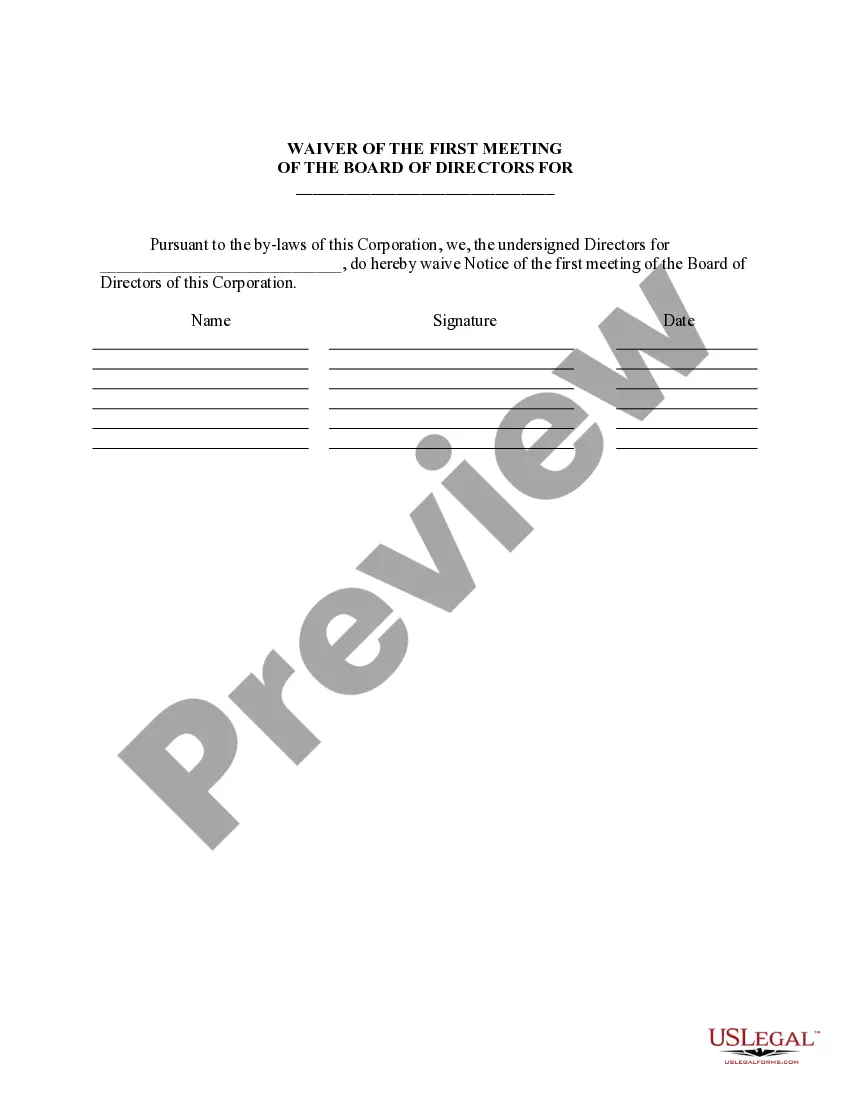
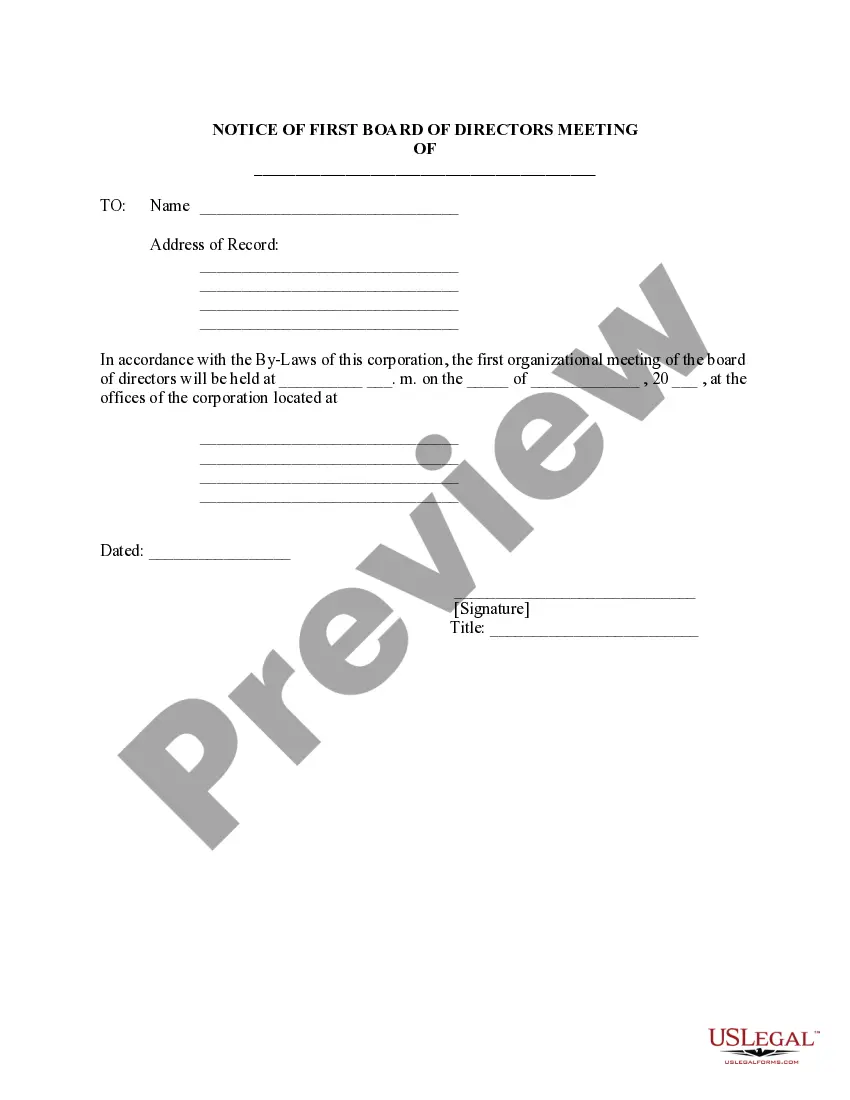
Board Directors Corporate Without Ceo In Hillsborough
Description


Get your form ready online
Our built-in tools help you complete, sign, share, and store your documents in one place.
Make edits, fill in missing information, and update formatting in US Legal Forms—just like you would in MS Word.
Download a copy, print it, send it by email, or mail it via USPS—whatever works best for your next step.
Sign and collect signatures with our SignNow integration. Send to multiple recipients, set reminders, and more. Go Premium to unlock E-Sign.
If this form requires notarization, complete it online through a secure video call—no need to meet a notary in person or wait for an appointment.
We protect your documents and personal data by following strict security and privacy standards.

Make edits, fill in missing information, and update formatting in US Legal Forms—just like you would in MS Word.

Download a copy, print it, send it by email, or mail it via USPS—whatever works best for your next step.

Sign and collect signatures with our SignNow integration. Send to multiple recipients, set reminders, and more. Go Premium to unlock E-Sign.

If this form requires notarization, complete it online through a secure video call—no need to meet a notary in person or wait for an appointment.

We protect your documents and personal data by following strict security and privacy standards.
Looking for another form?






Form popularity
FAQ
The President, CEO, and COO of a company report directly to the board of directors. The board of directors is responsible for the overall strategy and direction of the company.
For example, if you work for a public company, company directors are above the CEO. If you work for a private company, it could be owners or board members who rank above the CEO. In most organizations, the positions above the CEO include Chairman of the Board, President and Vice President.
No, the CEO (who may be on the board) and the directors work together on relevant company issues. The board doesn't interfere with the CEO's handling of a company's daily operations. But it has the authority to evaluate the performance of a CEO and remove that person, if deemed necessary.
The board of directors oversees the company as a whole and is led by the chair of the board (COB). The chair of the board doesn't have the power to overrule the board but the board has the power to overrule the CEO's decisions.
If the CEO is not also a board member, it is normal for them to attend most board meetings to report on progress, however from time to time it may be appropriate for board meetings to be held without the CEO.
There are several common actions to take to organize your board of directors, though, including these five steps: Register articles of incorporation. Create bylaws. Set up a board of directors agreement. Select your board of directors. Have an initial shareholder meeting.
SUMMARY. While the Chairman technically has higher level powers, the CEO is indeed “the boss” of a company. And yes, the CEO does (by the letter of the law) answer to their board of directors, which is ultimately headed by the chairman.
On balance, the arguments in favour of attendance are stronger, and most companies encourage all senior executives to attend Board meetings. However, in terms of conduct at meetings, the Board meeting belongs to the Directors.
There is no one definitive answer to this question. It depends on the organization's bylaws and governing structure. The CEO may or may not be a member of the board of directors, and the board of directors may or may not have veto power over the CEO's decisions.
It is a good practice for each board meeting to include an in camera or executive session where board members can meet privately, without the CEO present. In camera is simply Latin for “in chamber” or private. These sessions provide the board the opportunity to have candid discussions without non-board members present.