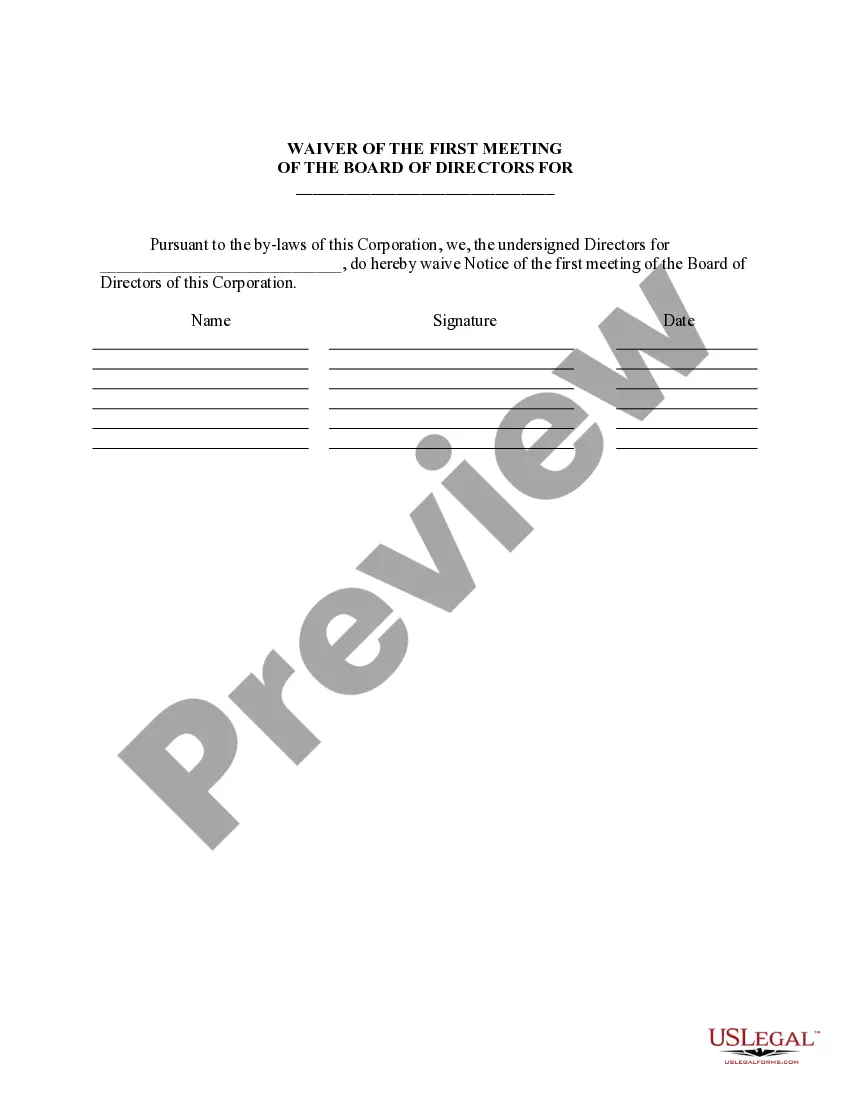
Board Directors Corporate Without In Harris
Description
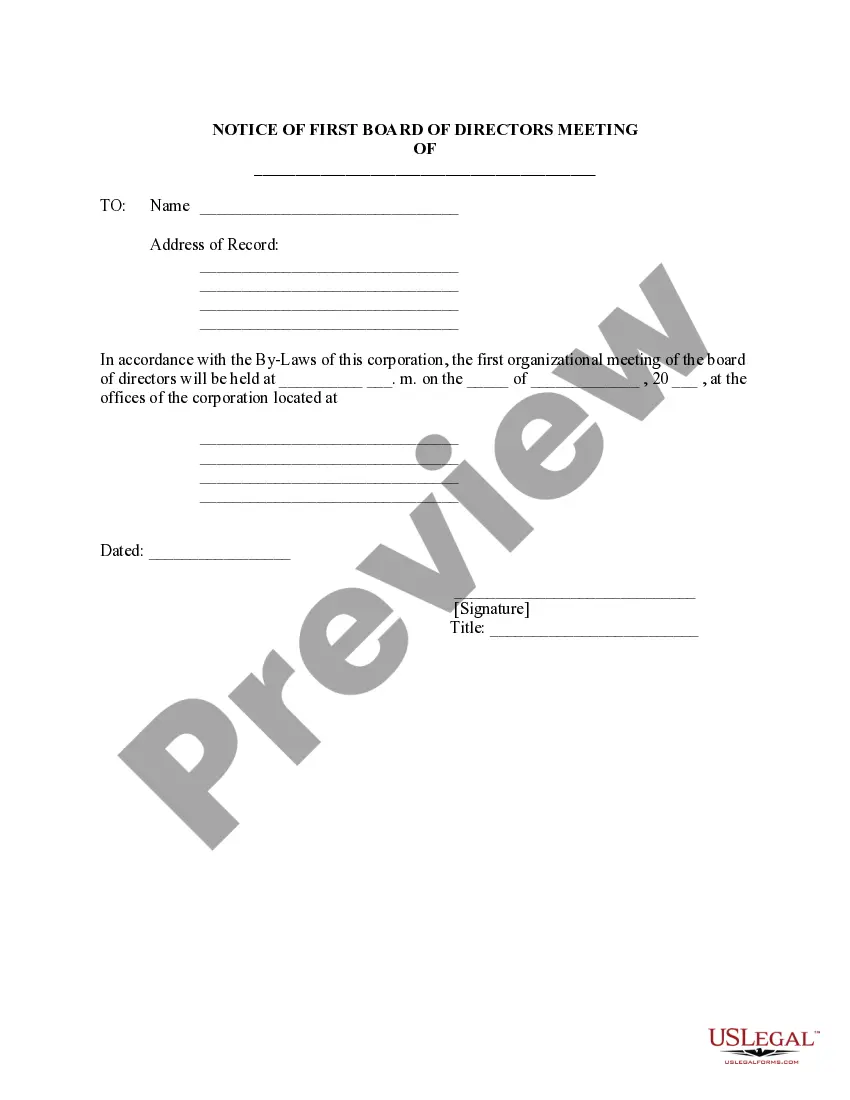


Get your form ready online
Our built-in tools help you complete, sign, share, and store your documents in one place.
Make edits, fill in missing information, and update formatting in US Legal Forms—just like you would in MS Word.
Download a copy, print it, send it by email, or mail it via USPS—whatever works best for your next step.
Sign and collect signatures with our SignNow integration. Send to multiple recipients, set reminders, and more. Go Premium to unlock E-Sign.
If this form requires notarization, complete it online through a secure video call—no need to meet a notary in person or wait for an appointment.
We protect your documents and personal data by following strict security and privacy standards.

Make edits, fill in missing information, and update formatting in US Legal Forms—just like you would in MS Word.

Download a copy, print it, send it by email, or mail it via USPS—whatever works best for your next step.

Sign and collect signatures with our SignNow integration. Send to multiple recipients, set reminders, and more. Go Premium to unlock E-Sign.

If this form requires notarization, complete it online through a secure video call—no need to meet a notary in person or wait for an appointment.

We protect your documents and personal data by following strict security and privacy standards.
Looking for another form?



Form popularity
FAQ
A board of directors (BofD) is the governing body of a corporation or other organization, whose members are elected by shareholders (in the case of public companies) to set strategy, oversee management, and protect the interests of shareholders and stakeholders. Every public company must have a board of directors.
If your business is a corporation, then you are required by law to have a board of directors. Depending on your particular corporate structure and your state, one or two directors may be all that's legally required.
Consent, connivance and neglect A director can be found to be personally liable for a company offence if they consented or connived in an illegal activity, or caused it through neglect of their duties.
Directors may face personal liability for their actions or inactions while serving on a board of directors, including breaches of fiduciary duty, misconduct, tax liabilities, and violations of laws and regulations such as employment laws and environmental regulations.
Directors may face personal liability for their actions or inactions while serving on a board of directors, including breaches of fiduciary duty, misconduct, tax liabilities, and violations of laws and regulations such as employment laws and environmental regulations.
Directors can be personally liable for company debts and penalties if they breach their duties. Common areas of liability include insolvent trading, breaches of environmental law, and failures in work health and safety. Directors can also face civil penalties and disqualification in cases of repeated breaches.
Information about members of a company's current board of directors can be found in standard directory resources such as PitchBook, or S&P Capital IQ (see access details). S&P Capital IQ also includes prior board members and the ability to screen for board members by title, board job function or committee assignment.
Some public information on a corporation, such as the registered office address, the names and addresses of directors and its governing legislation, is published on the Corporations Canada's online database. To access the information on a specific corporation, use the Search for a federal corporation tool.
An LLC is not required to have a Board of Directors, but can adopt this form of management if the members (the owners of the LLC) choose to do so.
The steps include: Build Relevant Experience. Develop a Strong Professional Network. Develop a Value Proposition. Identify Open Positions. Participate in the Selection Process.