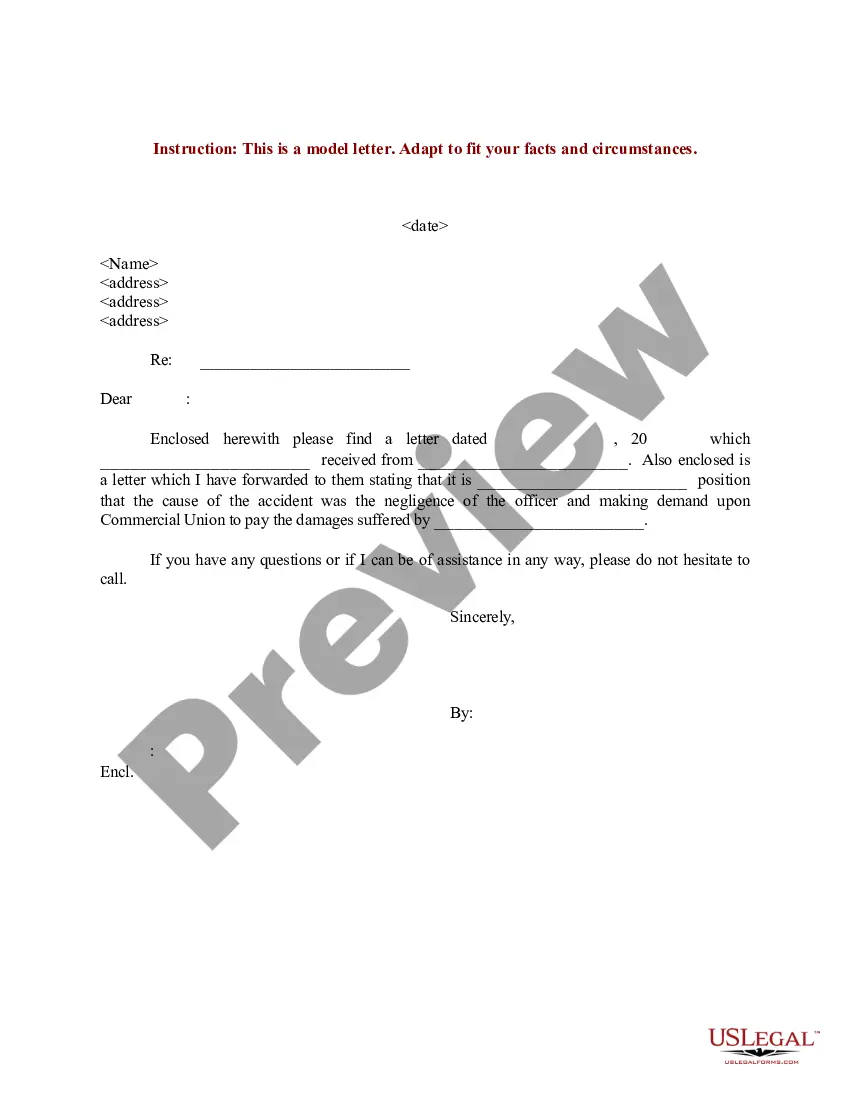
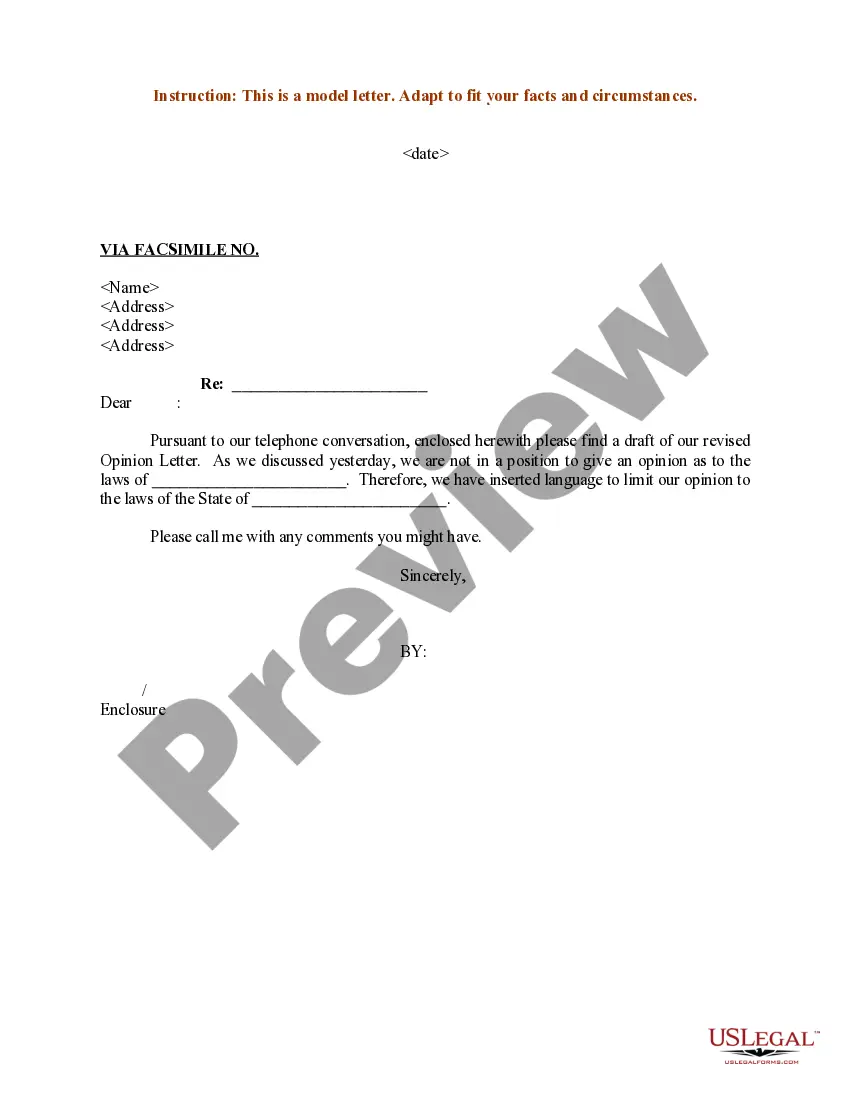
Letter Insurance Form For Submission In Wake
Description
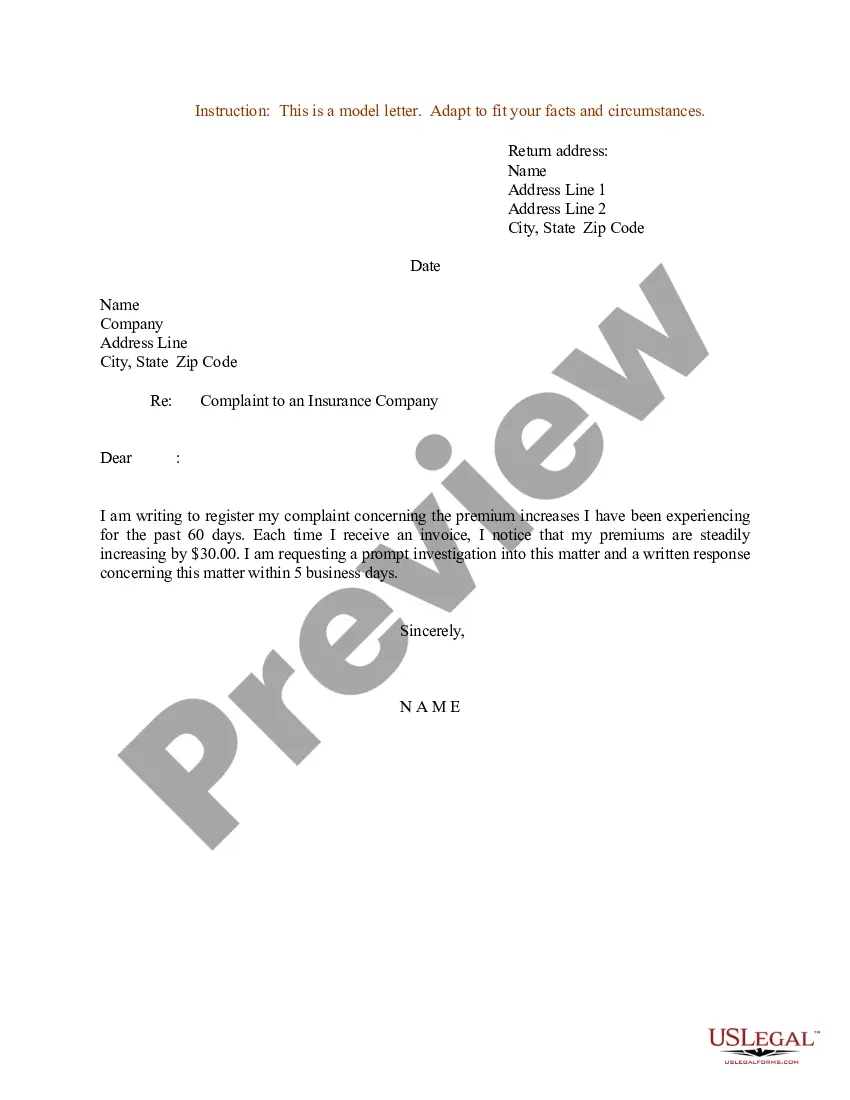
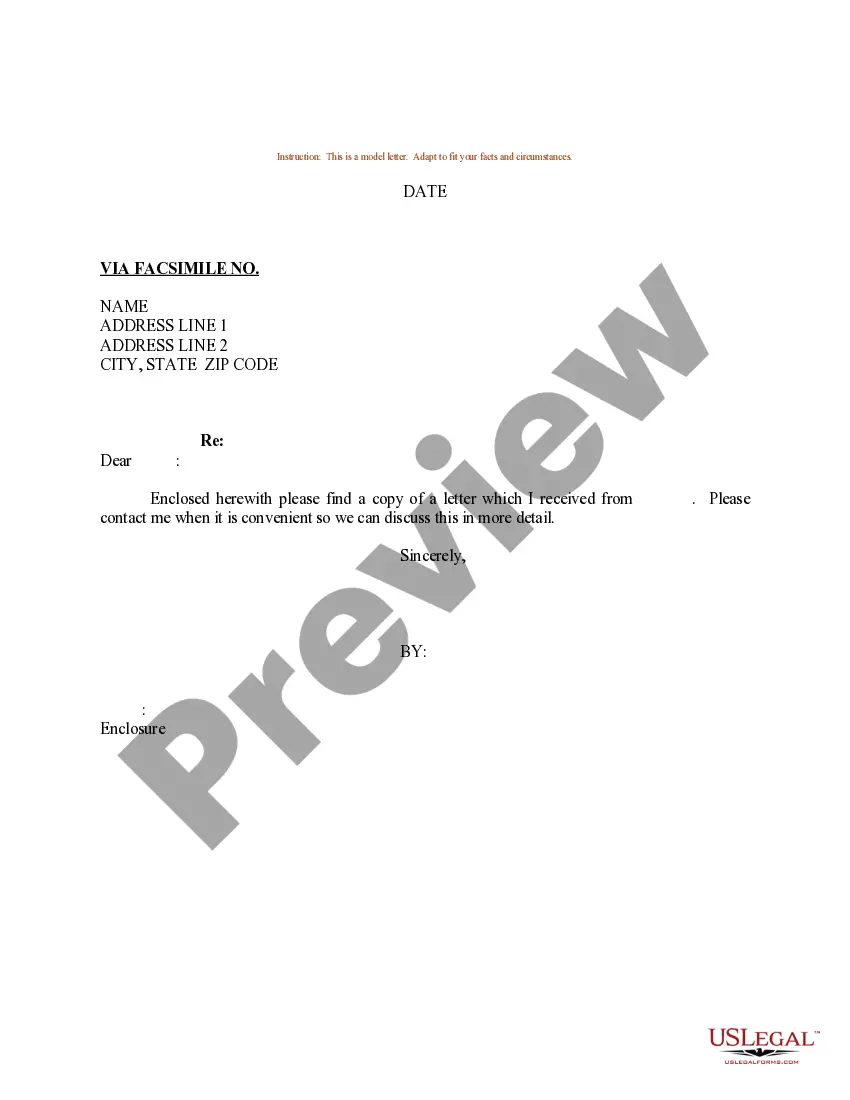
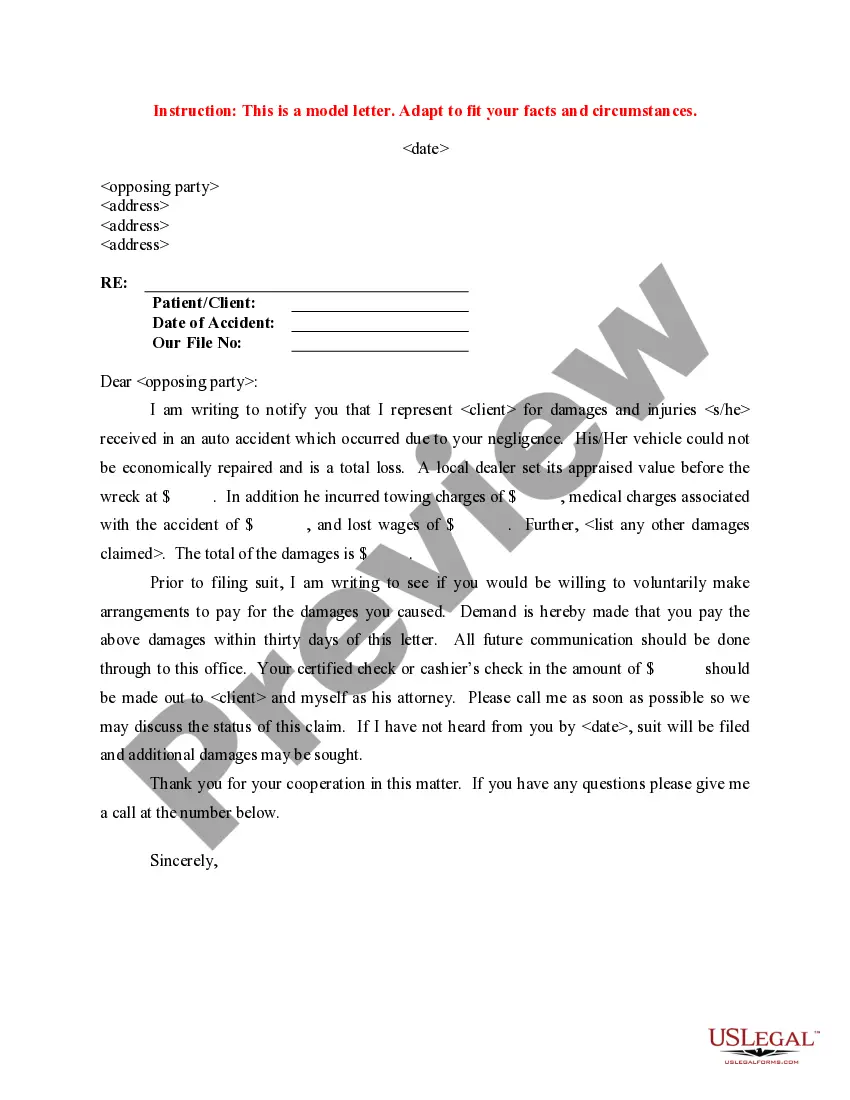
Get your form ready online
Our built-in tools help you complete, sign, share, and store your documents in one place.
Make edits, fill in missing information, and update formatting in US Legal Forms—just like you would in MS Word.
Download a copy, print it, send it by email, or mail it via USPS—whatever works best for your next step.
Sign and collect signatures with our SignNow integration. Send to multiple recipients, set reminders, and more. Go Premium to unlock E-Sign.
If this form requires notarization, complete it online through a secure video call—no need to meet a notary in person or wait for an appointment.
We protect your documents and personal data by following strict security and privacy standards.

Make edits, fill in missing information, and update formatting in US Legal Forms—just like you would in MS Word.

Download a copy, print it, send it by email, or mail it via USPS—whatever works best for your next step.

Sign and collect signatures with our SignNow integration. Send to multiple recipients, set reminders, and more. Go Premium to unlock E-Sign.

If this form requires notarization, complete it online through a secure video call—no need to meet a notary in person or wait for an appointment.

We protect your documents and personal data by following strict security and privacy standards.
Looking for another form?








Form popularity
FAQ
Health care coverage documents Form 1095 information forms. Insurance cards. Explanation of benefits. Statements from your insurer. W-2 or payroll statements reflecting health insurance deductions. Records of advance payments of the premium tax credit.
Proof of insurance is documentation from your insurer proving you have an active insurance policy that meets state requirements. It's used when you're pulled over, in an accident, leasing a vehicle, or otherwise requested to show it.
Form 1095: Proof of Health Insurance. The 1095 form provides documentation of your individual health insurance information. This form is sent to you annually by your insurance provider. Individuals can use the information on the 1095 to complete the "Health Care: Individual Responsibility" line on Form 1040.
I am writing this letter to request you for considering my insurance. you kindly accept my application and approve the claim at the earliest. The details for my claim insurance are mentioned as per submitted claim form. shall be held liable for any actions taken against my policy.
Ask your provider for the Provider Information or have them fill it out for you. Keep a copy of the form, claim details and receipts for your records. Send the claim as soon as possible, and as close to the date of service as possible. Complete a separate form for each claim.
Generally, you will need to provide personal details and policy information, as well as details about the incident. Your insurer will give instructions on how to fill out the form correctly. In case of any doubts, you can contact their insurer's customer services team to seek assistance.
How do I file a claim with my insurer? You'll find a claim form on most health insurers' websites, along with information on how to submit the claim. Look at your health insurance card for your insurer's website or a phone number to call for information about filing a claim.
Step-by-Step Guide to Writing an Insurance Claim Letter Gather Information and Documentation: Start with Personal and Insurance Company Details: Introduce Your Claim: Describe the Incident: Detail Your Claim: Conclude with a Call to Action:
Typical sections of a claim form: Personal information like your name, address and date of birth. Insurance information such as a policy and group number. Reason for your visit including background information about your condition. Provider information including the doctor's name and address.
Contact your insurance company Whether you file your car insurance claim over the phone, online, through a mobile app, or with an agent, your insurer will likely request the following details: Location, date, and time of accident. Name, address, phone number, and insurance policy number for all involved in the accident.