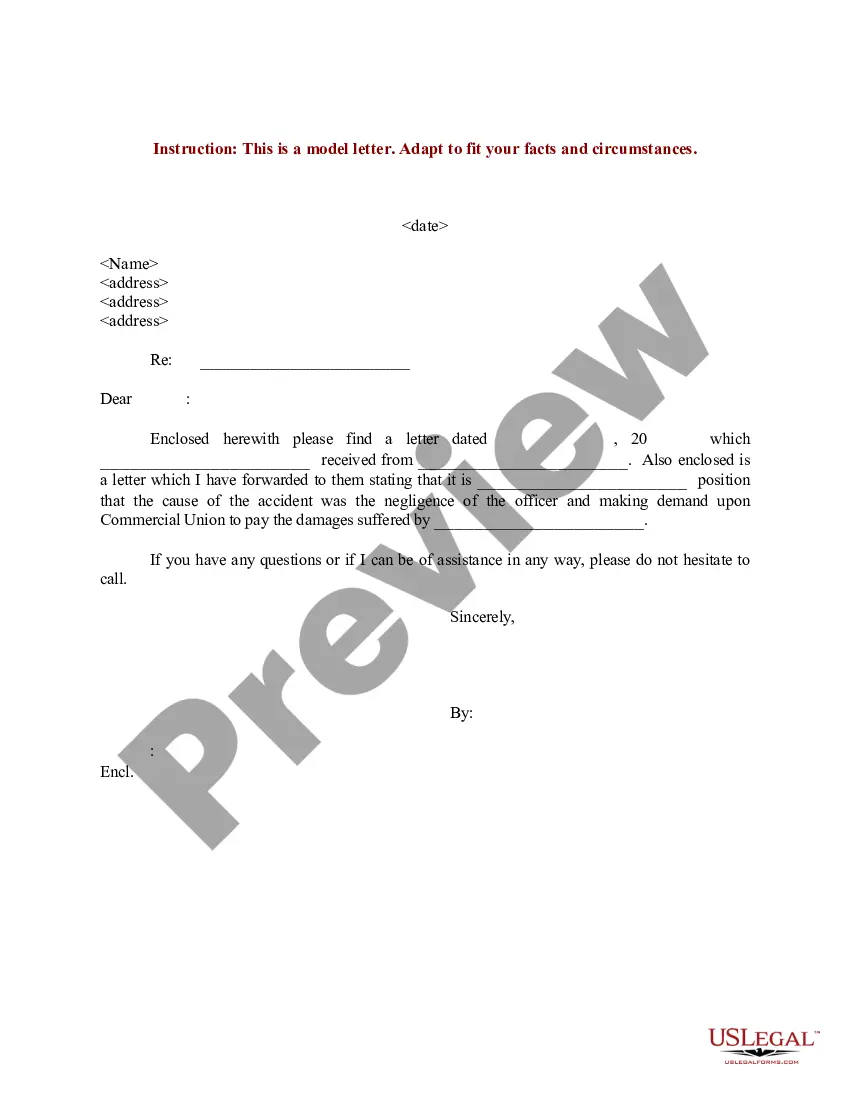
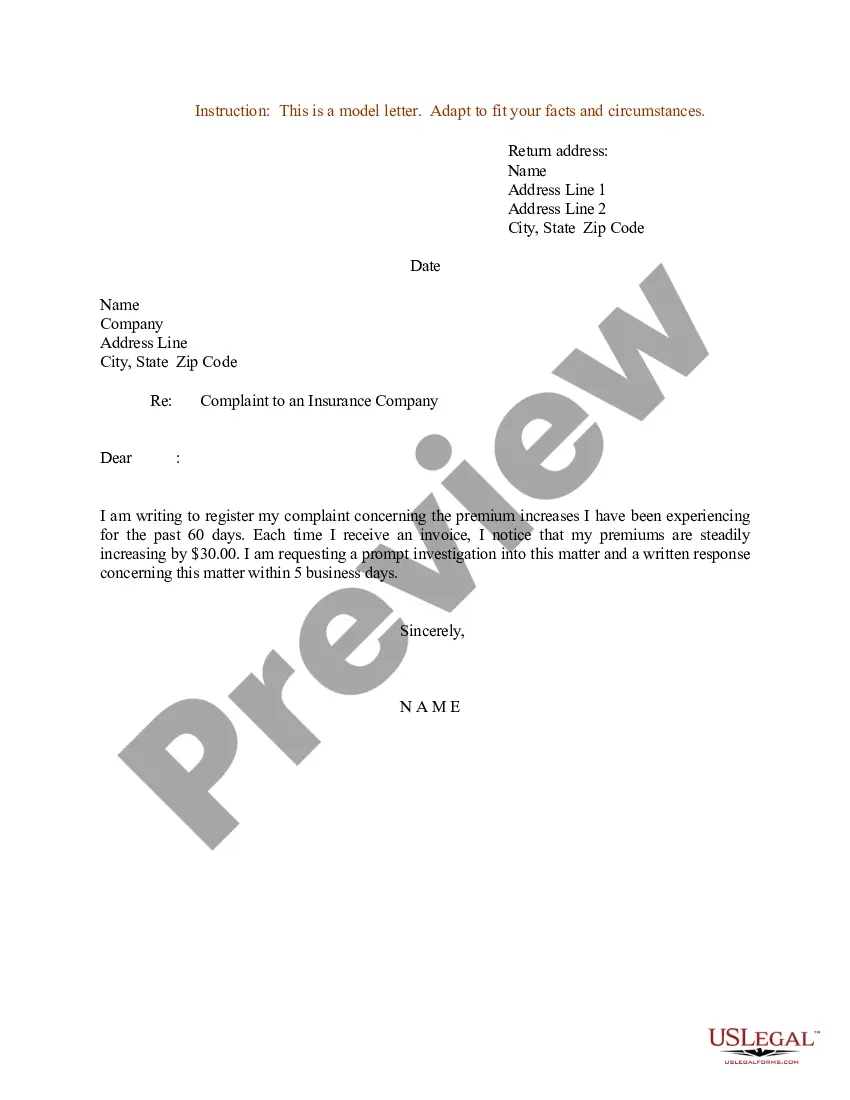
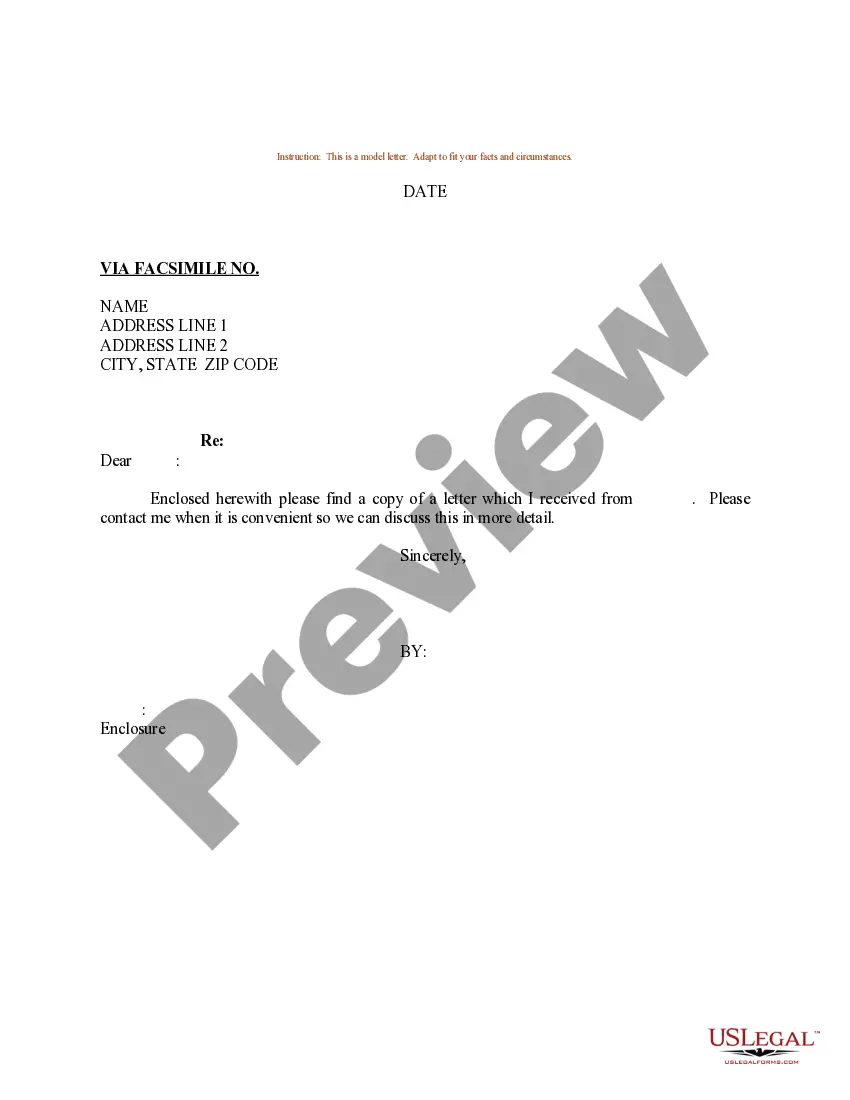
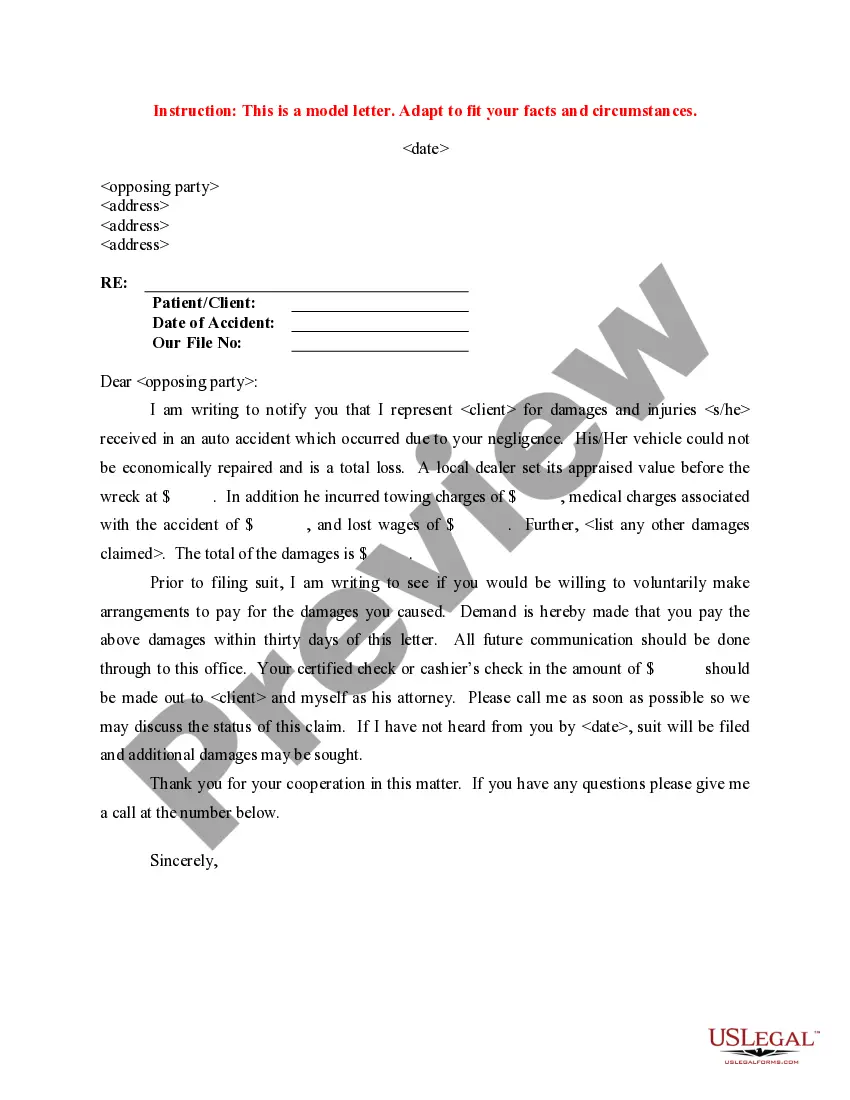
Letter Insurance Form With National In Travis
Description
Get your form ready online
Our built-in tools help you complete, sign, share, and store your documents in one place.
Make edits, fill in missing information, and update formatting in US Legal Forms—just like you would in MS Word.
Download a copy, print it, send it by email, or mail it via USPS—whatever works best for your next step.
Sign and collect signatures with our SignNow integration. Send to multiple recipients, set reminders, and more. Go Premium to unlock E-Sign.
If this form requires notarization, complete it online through a secure video call—no need to meet a notary in person or wait for an appointment.
We protect your documents and personal data by following strict security and privacy standards.

Make edits, fill in missing information, and update formatting in US Legal Forms—just like you would in MS Word.

Download a copy, print it, send it by email, or mail it via USPS—whatever works best for your next step.

Sign and collect signatures with our SignNow integration. Send to multiple recipients, set reminders, and more. Go Premium to unlock E-Sign.

If this form requires notarization, complete it online through a secure video call—no need to meet a notary in person or wait for an appointment.

We protect your documents and personal data by following strict security and privacy standards.
Looking for another form?









Form popularity
FAQ
How to Write a Letter to a Health Insurance Company for a Claim? Identify Your Basic Information. Compose a Formal Greeting. Express the Purpose of Your Letter. Brief Description of Medical Treatment. Provide Details of the Costs Involvement. Attach Required Documents. Prompt Processing Request. Closing Statement.
Example of a Denial of Coverage Letter Dear Policyholder's Name, We are writing to you regarding your recent claim submitted on Date with the claim number Claim Number. After a thorough review of your claim and policy, we regret to inform you that we are unable to approve your claim for Reason for Claim.
Content and Tone Opening Statement. The first sentence or two should state the purpose of the letter clearly. Be Factual. Include factual detail but avoid dramatizing the situation. Be Specific. Documentation. Stick to the Point. Do Not Try to Manipulate the Reader. How to Talk About Feelings. Be Brief.
How to write an appeal letter to insurance company appeals departments Step 1: Gather Relevant Information. Step 2: Organize Your Information. Step 3: Write a Polite and Professional Letter. Step 4: Include Supporting Documentation. Step 5: Explain the Error or Omission. Step 6: Request a Review. Step 7: Conclude the Letter.
Capital Public Radio analyzed data from California and found that about half the time a patient appeals a denied health claim to the state's regulators, the patient wins. The picture is similar nationally.
When appealing against a guilty verdict a defendant might say: there was something unfair about the way their trial took place. a mistake was made in their trial. the verdict could not be sustained on the evidence.
A health insurance claim form has two sections, i.e., Part A and Part B. While Part A is to be filled out by the policyholder, Part B is for the hospital. 2. In Part A of the form, you must fill out your name, residential address, policy number, email ID, phone number, medical history, details of hospitalisation, etc.
A Few Important Rules To Keep In Mind Include a professional greeting and introduction to the letter. Highlight relevant experience and skills that make you a strong candidate for the position. Explain why you are interested in the specific health insurance agent position and company.
Ask your provider for the Provider Information or have them fill it out for you. Keep a copy of the form, claim details and receipts for your records. Send the claim as soon as possible, and as close to the date of service as possible. Complete a separate form for each claim.
A health insurance claim form has two sections, i.e., Part A and Part B. While Part A is to be filled out by the policyholder, Part B is for the hospital. 2. In Part A of the form, you must fill out your name, residential address, policy number, email ID, phone number, medical history, details of hospitalisation, etc.